New York Nonresident Annual Fishing License Cost 2026
Planning a fishing trip to New York as a non-resident can be exciting, but the cost of a fishing license often throws a curveball into your budget and planning. It's frustrating trying to navigate the various regulations and anticipate future expenses. This comprehensive guide will break down the expected cost of a New York nonresident annual fishing license for 2026, offering clarity and helping you prepare for your angling adventures in the Empire State.
Understanding Nonresident Fishing License Costs in New York
It’s a common question, and a valid one: why do non-residents pay more for a fishing license than residents? The simple answer lies in how state natural resources and conservation efforts are funded. New York invests significantly in maintaining its vast array of freshwater lakes, rivers, and streams, as well as its marine environments. This includes everything from stocking programs for trout and salmon to monitoring fish populations, enforcing regulations, and preserving habitats.
Why Nonresident Fees Differ
Think of it this way: New York residents contribute to these conservation efforts through various state taxes year-round, even if they never cast a line. Their resident fishing license fee is essentially an additional contribution that grants them the privilege of utilizing a resource they already help fund. For non-residents, who aren't contributing to the state's tax base in the same way, the higher license fee helps ensure they also pay their "fair share" for the privilege of accessing and enjoying New York's incredible natural resources. It’s a mechanism to balance the financial load of conservation across all users, preventing an undue burden on local taxpayers alone. This difference in pricing is standard practice across most states in the U.S., reflecting the principle that those who benefit from a state's resources should contribute to their upkeep. It’s not meant to be a deterrent, but rather a necessary contribution to the long-term health of the fisheries we all love to enjoy.
What an Annual License Covers
A New York nonresident annual fishing license is your golden ticket to explore the state's incredible freshwater fishing opportunities for an entire license year. Typically, this license is valid from March 1st of one year through February 28th or 29th of the following year, regardless of when you purchase it. So, if you buy your 2026 license on March 1, 2026, it will be valid until February 28, 2027.
With this license in hand, you’re cleared to fish in most of New York’s freshwater lakes, rivers, and streams for a wide variety of species, from trout and bass to walleye and pike. However, it's crucial to understand that this annual freshwater license does not cover saltwater fishing. If your angling plans include targeting species like striped bass, bluefish, or fluke in marine waters such as Long Island Sound or the Atlantic Ocean, you'll need to register separately with the New York Recreational Marine Fishing Registry. While this marine registry is generally free for recreational anglers, it is mandatory. Many anglers mistakenly assume their freshwater license covers everything, so always double-check the specific regulations for the water you plan to fish to ensure you're fully compliant. Being caught without the proper registration for saltwater can lead to frustrating and unnecessary penalties, even if you have your freshwater license. It’s always best to be prepared and understand all the requirements.
Projecting the 2026 Nonresident Annual Fishing License Cost
When you're making plans for a future fishing trip, whether it's for a special destination like the Salmon River or a general tour of the Finger Lakes, knowing the potential costs is vital. While we can't predict the future with 100% certainty, we can make very educated guesses about the New York nonresident annual fishing license cost for 2026 based on historical trends and current pricing.
Current 2024/2025 Nonresident Annual License Costs
As of the current licensing period (which runs from March 1st, 2024, to February 28th, 2025), the New York nonresident annual fishing license generally costs around $55. This price has remained fairly stable for several years, with only minor adjustments made periodically by the New York State Department of Environmental Conservation (DEC). For instance, the cost for the New York Nonresident Annual Fishing License Cost 2026 is likely to be very similar. It's a price point that reflects the value of New York's diverse fisheries and the ongoing investment in their management. Many non-resident anglers find this to be a reasonable investment for a full year of access to some of the best fishing in the Northeast.
Factors Influencing Future Cost Changes
While license fees tend to be quite stable, they aren't set in stone forever. The New York State DEC periodically reviews its fee structure, and several factors could influence potential adjustments for 2026 and beyond.
- Inflation and Operating Costs: Like any organization, the DEC faces rising costs for equipment, personnel, fish stocking, habitat restoration projects, and enforcement. General inflation can chip away at the value of existing fees, necessitating adjustments to maintain funding levels for critical programs.
- Conservation Program Needs: As environmental challenges evolve, such as invasive species management, water quality initiatives, or new habitat protection efforts, the need for funding can increase. If new, expansive conservation programs are introduced or existing ones require more resources, a license fee adjustment might be considered.
- Legislative Changes: Any significant change to license fees typically requires legislative approval. This means that a proposal for a fee increase would go through a public review process, allowing for angler input, before being voted on by state lawmakers. Such processes are often lengthy and transparent.
- Public Feedback and Angler Participation: The DEC often considers feedback from the angling community when evaluating regulations and fees. If there's a significant shift in angler numbers or demographics, or if specific concerns are raised about funding, these can play a role in future decisions. However, large, sudden price hikes without strong justification are rare, as the DEC aims to keep fishing accessible.
Estimating the 2026 Cost
Given the typical stability of New York’s fishing license fees, it’s reasonable to project that the 2026 nonresident annual fishing license will likely stay very close to the current price. We anticipate it will remain in the $55-$60 range. A dramatic increase is unlikely without significant prior announcement and public discussion. However, a small increment of a few dollars is always a possibility to keep pace with inflation or address specific funding needs.
Here's a quick look at current costs and our best estimate for 2026, keeping in mind these are projections:
| License Type | Current Cost (2024/2025) | Estimated Cost (2026) | Notes |
|---|---|---|---|
| Nonresident Annual Fishing | $55.00 | $55.00 – $60.00 | Valid March 1st – February 28/29th |
| Nonresident 7-Day Fishing | $28.00 | $28.00 – $30.00 | Great for shorter trips |
| Nonresident 1-Day Fishing | $10.00 | $10.00 – $12.00 | Perfect for a quick outing |
| Recreational Marine Registry | Free | Free | Required for saltwater fishing, but generally no cost |
| Trout/Salmon Management Stamp | $5.00 | $5.00 | Required if you fish for specific trout/salmon species (in addition to annual license) |
This table provides a solid baseline for your planning. Always remember that this is an estimate, and the official cost for the 2026 license year will be confirmed by the New York State DEC closer to its release. However, this projection should give you a very realistic idea of what to budget.
Important Considerations for Nonresident Anglers
Navigating the waters of fishing licenses and regulations can feel like a maze, especially when you're visiting from out of state. Beyond just the cost, there are critical distinctions and logistical considerations that every nonresident angler should be aware of to ensure a smooth and enjoyable trip. Understanding these details will prevent headaches and help you focus on the fishing itself.
Marine Fishing Registry vs. Freshwater License
This is perhaps one of the most common points of confusion for anglers, whether they are residents or non-residents. In New York, freshwater and saltwater fishing are treated as distinct activities when it comes to licensing. Your New York Freshwater Fishing Rules are primarily governed by the purchase of your annual freshwater fishing license. This covers all the beautiful inland lakes, rivers, and streams across the state.
However, if your fishing adventures take you to the coastal waters of New York – think the Atlantic Ocean, Long Island Sound, bays, and estuaries – you absolutely need to enroll in the New York Recreational Marine Fishing Registry. The good news is that this registry is typically free for recreational anglers. Despite being free, it is 100% mandatory. Many anglers mistakenly believe that a paid freshwater license automatically covers marine fishing, but this is not the case. The question Do I Need Both a Freshwater License and a Marine Registry? comes up frequently, and the answer is a resounding "yes" if you plan to cast a line in both environments. Failing to register for marine fishing, even though it costs nothing, can result in fines and other penalties, so make sure it's on your checklist if you're heading to the coast. It’s a simple step that ensures compliance and helps the DEC manage marine resources effectively.
Where to Purchase and How to Prepare
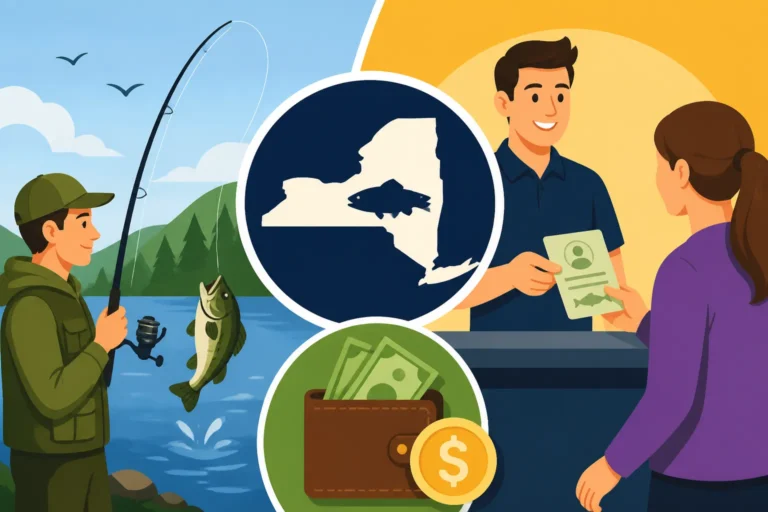
Getting your nonresident annual fishing license is usually a straightforward process, but knowing your options can save you time and hassle. The most convenient method for many is to purchase their license online directly through the New York State DEC's official licensing system. This allows you to secure your license from anywhere, anytime, and often provides an immediate printable temporary license that you can carry while you wait for a physical card to arrive, if one is mailed. For a detailed walkthrough, you can check out our guide on How to Buy a Fishing License Online in New York.
Alternatively, if you prefer an in-person transaction or need your license right away, you can visit one of the many authorized license issuing agents across the state. These often include sporting goods stores (you might even find related fishing gear or publications on Amazon that reference these locations), bait and tackle shops, and some town or county clerk offices. When purchasing in person, you'll need to provide proof of your non-resident status and personal identification. It’s always a good idea to call ahead to confirm hours and services. Once you have your license, whether digital or physical, always carry it with you while fishing. A waterproof wallet or a clear phone case can protect a digital copy on your smartphone, while a physical license should be safeguarded against loss or damage.
Staying Updated on Regulations and Costs
The world of fishing regulations isn't static; it evolves to protect fish populations and adapt to environmental changes. This means that while license costs are generally stable, seasons, bag limits, and specific rules for certain waters can change annually or even mid-season. As a nonresident, staying informed is key to a responsible and successful trip.
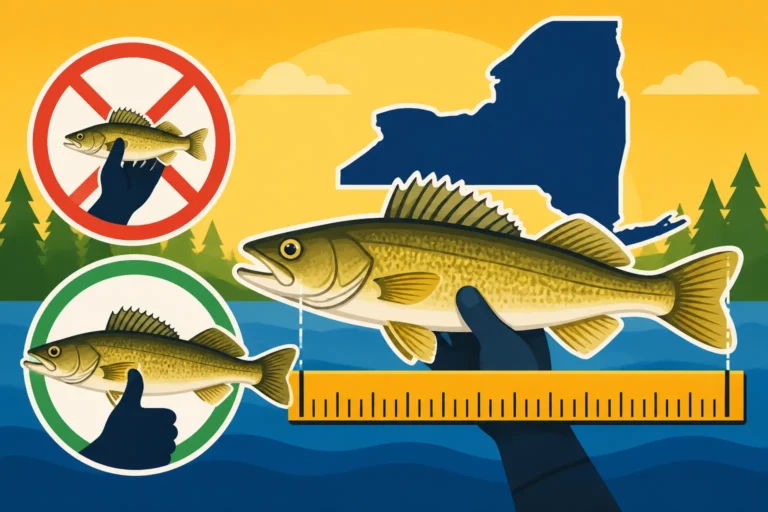
Your primary source for the most accurate and up-to-date information should always be the official New York State DEC website. They publish the annual New York Fishing Regulations Explained guide, which details all the current rules, species-specific limits, and special regulations for particular bodies of water. You can download this guide as a PDF, or pick up a physical copy at many license vendors. Subscribing to DEC newsletters or following their social media channels can also provide timely updates on changes, fish stocking reports, and important announcements. While platforms like Amazon might sell third-party fishing guides, always cross-reference with the official DEC materials. These official channels are your best defense against inadvertently violating a regulation, which can be particularly frustrating when you're just trying to enjoy your time on the water.
Common Nonresident Questions and Scenarios
Beyond the basic cost and purchasing process, non-resident anglers often have unique questions that arise when planning their trips to New York. Understanding these common scenarios can further clarify what's expected and help you make the best choices for your fishing adventure.
Short-Term Fishing Options
Not every trip warrants the investment in a full annual license, especially if you're only visiting for a few days. New York understands this and offers more flexible, short-term options that can be far more cost-effective for a brief angling excursion. The New York 7-Day Fishing License is a popular choice for non-residents planning a week-long vacation. It provides full fishing privileges for seven consecutive days from the date of purchase, allowing you to maximize your time on the water without the commitment of an annual fee. At an estimated cost of around $28-$30 for non-residents, it's a significant saving compared to the annual license if your trip is short.
For those even briefer outings, perhaps just a single day on a new lake or river, the New York 1-Day Fishing License is the perfect solution. Typically costing around $10-$12 for non-residents, it's an incredibly affordable way to experience New York's fisheries without a long-term commitment. When comparing the value of these short-term licenses versus the annual one, consider your frequency of visits. If you plan to fish in New York for more than two weeks out of the year, an annual license usually becomes the more economical choice. Otherwise, the daily or weekly options are fantastic for casual visitors or those exploring new areas.
Fishing Border Waters and Reciprocity
The question of fishing in waters that border other states often perplexes anglers. For example, if you’re fishing the lower Delaware River, which forms a border with Pennsylvania, or parts of Lake Champlain bordering Vermont, you might wonder if one license covers both sides. The general rule of thumb in New York is that you need a New York fishing license to fish in New York waters, regardless of where you launched your boat or from which state you are physically fishing.
While the concept of New York Fishing License Reciprocity with Other States exists for some specific border waters, it's actually quite limited and not as widespread as many believe. For instance, an agreement might allow anglers with a Vermont license to fish certain portions of Lake Champlain that are designated as shared waters without needing a separate New York license, and vice versa. However, these agreements are highly specific to certain bodies of water and usually involve defined boundaries. It's never safe to assume reciprocity. For instance, the question Can a Vermont Angler Fish New York Border Waters Without a New York License? depends entirely on the specific segment of the water body and any established agreements. Always consult the official New York DEC regulations for the exact water you plan to fish. Misinterpreting these rules can lead to fines and the immediate end of your fishing trip. When in doubt, it’s always better to purchase the New York license to avoid any legal complications.
What Happens If You Fish Without a License?
This is a scenario no angler wants to face, and unfortunately, it's an easy mistake to make if you're not fully informed or simply forget. Fishing without a valid New York fishing license, or without the proper marine registry if you're in saltwater, can lead to serious consequences. The Penalties for Fishing Without a License in New York are not just minor inconveniences; they can include significant financial fines, typically ranging from a couple of hundred dollars or more, depending on the specific violation and the discretion of the Environmental Conservation Officer (ECO).
Beyond monetary penalties, an ECO also has the authority to seize your fishing equipment, including rods, reels, and even your catch. Repeated offenses can lead to even harsher penalties, including the suspension of your fishing privileges in New York. These enforcement actions are in place to uphold the integrity of the state's conservation efforts and ensure that everyone contributes their part to maintaining healthy fisheries. It's a stark reminder that purchasing the appropriate license, which is relatively inexpensive in the grand scheme of a fishing trip, is a non-negotiable part of responsible angling. Make it a habit to double-check that your license is valid and readily accessible before you even leave home. This simple check can save you a lot of grief and ensure your fishing experience remains positive.
Disclaimer
The information provided in this guide is intended for general informational purposes only and is based on current regulations and typical pricing trends. While we strive to offer accurate and up-to-date content, fishing regulations and license costs are subject to change by the New York State Department of Environmental Conservation (DEC) without prior notice. Always consult the official New York State DEC website or their current year's fishing regulations guide for the most precise and legally binding information before engaging in any fishing activities. This guide does not constitute legal advice.