New York Muskellunge Season Dates
It can be incredibly frustrating to plan a fishing trip, especially for a prized catch like the mighty muskellunge, only to realize you're unsure about the exact season dates. New York's fishing regulations, while designed for conservation, can sometimes feel like a labyrinth, making it tough to figure out when you can legally target these impressive fish. This guide is here to clear up the confusion, walking you through the critical muskellunge season dates across New York State so you can plan your angling adventures with confidence.
Understanding the General Muskellunge Season in New York
For most anglers chasing the elusive muskellunge across New York State, there's a pretty consistent general season to keep in mind. Knowing this baseline is your first step to a successful and legal muskie hunt. It's not just about when the fish are active; it's about protecting them during crucial times like spawning.
The New York State Department of Environmental Conservation (DEC) sets these seasons to ensure the health and sustainability of our muskie populations. These fish are slow growers and can live for a long time, making them particularly vulnerable to overfishing if not managed carefully. The season typically opens when the water temperatures have risen sufficiently, and the fish have completed their spawning rituals, allowing them to recover before anglers begin to target them.
Statewide Standard Opening and Closing Dates
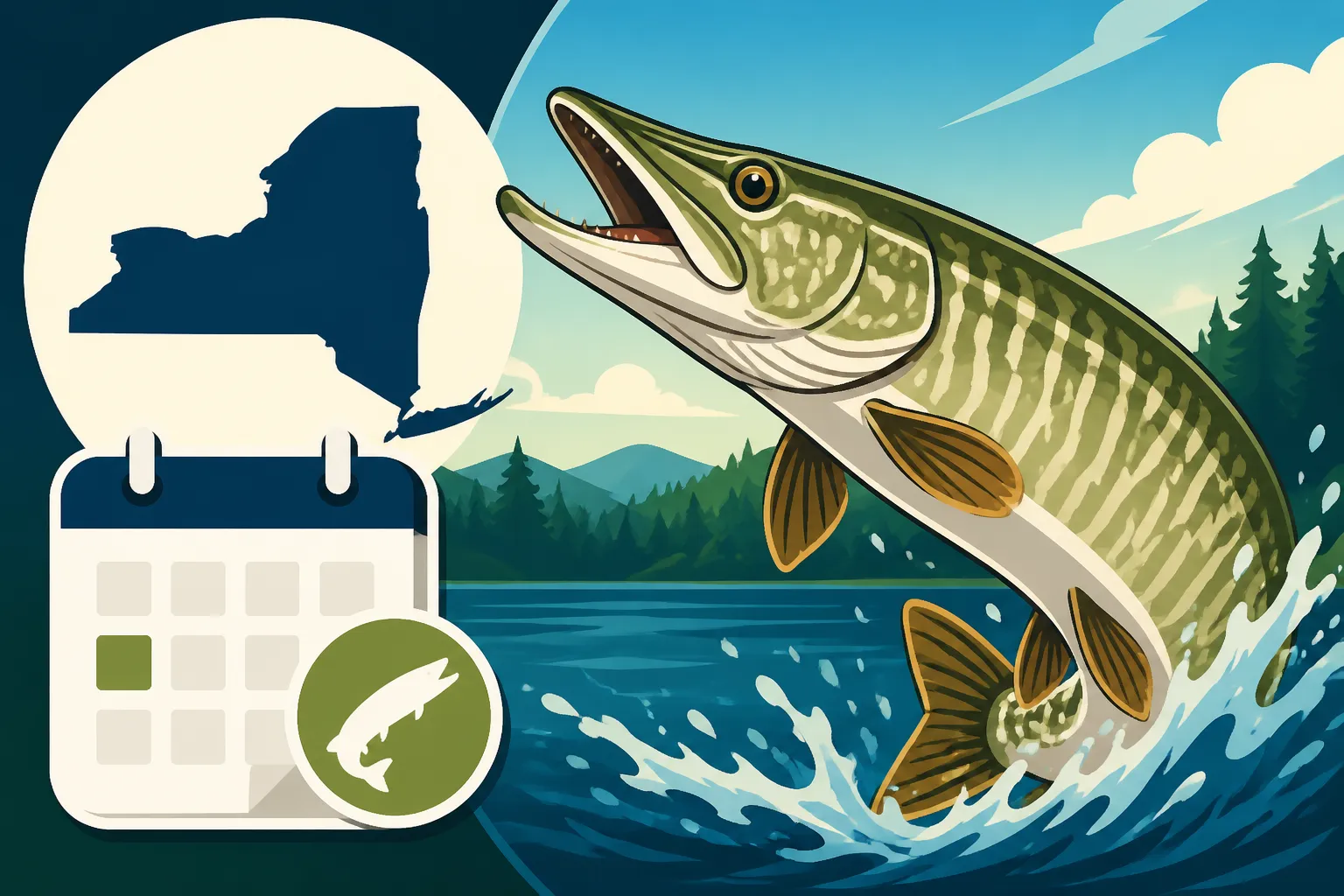
Across a large portion of New York's freshwater systems, the muskellunge season usually kicks off on the last Saturday in May. This is a significant date for many anglers, marking the unofficial start of summer fishing for some of the state's most formidable freshwater predators. This opening allows for warm-water fishing conditions, giving muskie anglers ample opportunity to hit the water when these fish are actively feeding. The season then generally runs through November 30th.
This nearly six-month window provides a substantial period to pursue muskellunge, from the warmer days of late spring and summer into the cooler, often productive, months of fall. It's a prime time for casting large baits, trolling, or even fly fishing for these toothy giants. Just remember that while these are the general dates, New York is a big state with diverse water bodies, and some notable exceptions apply to certain specific locations. Always double-check the current DEC regulations guide, especially if you're fishing a new body of water, to avoid any surprises. You can find comprehensive details in the official New York DEC Fishing Regulations Guide.
The Importance of Conservation and Spawning Cycles
The timing of these seasons isn't arbitrary; it's deeply rooted in the muskellunge's biology and conservation needs. Muskellunge typically spawn in spring, usually when water temperatures are between 49 and 59 degrees Fahrenheit. They prefer shallow, heavily vegetated areas for this crucial reproductive process. Closing the season during this period protects the fish when they are most vulnerable and concentrated, ensuring successful reproduction and the continuation of the species.
Without these protections, populations could quickly dwindle, jeopardizing the incredible muskie fishing New York is known for. It's a testament to good fishery management that we have healthy populations today, allowing us to pursue these majestic fish. Most dedicated muskie anglers are big proponents of catch-and-release practices, understanding that these magnificent fish are often too valuable to catch only once. It's not just about the thrill of the catch; it's about ensuring future generations get to experience that same thrill.
Navigating Special Muskellunge Seasons for Specific Waters
While the last Saturday in May to November 30th covers a lot of ground, New York State is a mosaic of different aquatic environments, and some of our most famous muskie fisheries have their own unique rules. It's crucial to be aware of these special regulations, as they can significantly impact your fishing plans. Failing to check these specifics can quickly turn an exciting day on the water into a disappointing encounter with a conservation officer.
These variations are typically put in place due to unique biological factors of the muskie populations in those waters, such as different spawning times, slower growth rates, or specific conservation efforts. Knowing these nuances is what separates the casual angler from the truly informed, responsible one.
Chautauqua Lake's Distinct Schedule
One of New York's premier muskellunge destinations, Chautauqua Lake in Western New York, operates on a slightly different schedule. This lake is legendary for its muskie fishing, even holding the distinction of having produced the current New York State Muskellunge Record. To protect its specific muskie population, which has a later spawning period compared to some other waters, the season here typically opens on the third Saturday in June. It then closes, like most other waters, on November 30th.
This later opening gives the Chautauqua Lake muskies extra time to complete their spawning and recover without angling pressure. For those planning a trip to this renowned muskie haven, marking that third Saturday in June on your calendar is absolutely essential. Anglers often come equipped with heavy-duty rods, stout line, and an arsenal of large lures, which you can easily find on Amazon, specifically designed for these powerful fish. The minimum size limit on Chautauqua Lake is generally 38 inches, but always verify the current year's regulations for any changes.
St. Lawrence River and Great Lakes Region Rules
The St. Lawrence River, particularly in the Thousand Islands region, is another world-class muskie fishery, famous for its trophy potential. Anglers often seek out experienced St. Lawrence River Fishing Guides to navigate its vast waters. The good news here is that the St. Lawrence River generally follows the statewide standard, opening on the last Saturday in May and closing on November 30th. This is also largely true for the New York portions of Lake Erie and Lake Ontario, where muskellunge can also be found, though they are often less targeted than salmon or walleye.
However, a key difference on the St. Lawrence River is the minimum size limit, which is often more restrictive than other parts of the state. For instance, the minimum size limit on the St. Lawrence River is a whopping 54 inches! This regulation is a direct reflection of the fishery's emphasis on trophy fish and the slow growth rate of these particular muskies. Catching a 54-inch muskie is a monumental achievement, and it speaks volumes about the conservation efforts in place. You can learn more about specific trophy waters by looking into Muskellunge Fishing in New York's Thousand Islands.
Comparing Key Muskellunge Season Dates and Regulations
To help you keep track, here's a handy table summarizing the general and specific muskellunge season dates and associated regulations in New York. Remember, these are general guidelines, and it's always best to consult the official DEC regulations annually for the most current information.
| Water Body / Region | Season Opening Date | Season Closing Date | Minimum Size Limit (approx.) | Daily Creel Limit |
|---|---|---|---|---|
| General Statewide Waters | Last Saturday in May | November 30 | 40 inches | 1 |
| Chautauqua Lake | Third Saturday in June | November 30 | 38 inches | 1 |
| St. Lawrence River | Last Saturday in May | November 30 | 54 inches | 1 |
| Lake Erie / Lake Ontario (NY) | Last Saturday in May | November 30 | 40 inches | 1 |
Always confirm current year's regulations with the NYSDEC.
Practical Considerations for Your Muskie Season
Beyond just knowing the dates, there are several practical aspects to consider when planning your muskellunge fishing during the open season. These details can make the difference between a frustrating trip and a memorable one. From licensing to gear and the importance of responsible angling, being prepared is key.
Muskie fishing isn't for the faint of heart; it requires patience, specialized gear, and a respect for these incredible fish. Planning ahead ensures you're ready for the challenge and comply with all regulations.
Licensing Requirements and Tackle Essentials
First things first, you'll need a valid New York Fishing License to legally target muskellunge. Even if you're planning to fish from shore, or on certain inland lakes, this license is non-negotiable. You can find out more about the different options in the New York Fishing License Guide. For most recreational freshwater fishing, an annual license is your best bet, but there are other options available depending on your residency and how long you plan to fish. You definitely don't want to get caught without one.
When it comes to tackle, muskies demand robust equipment. You're often throwing large, heavy lures that can weigh several ounces, so a heavy-action baitcasting rod and reel are essential. Braided line in the 80-100 pound test range is common, paired with a heavy-duty fluorocarbon or steel leader to withstand their razor-sharp teeth. You can find an excellent selection of muskie-specific rods, reels, lines, and lures on Amazon, making it easy to gear up for your next adventure. Some popular lures include large bucktails, crankbaits, jerkbaits, and soft plastics. For more guidance, check out our article on Best Lures for Muskellunge.
Best Practices for Catch-and-Release Muskie Fishing
Because muskellunge are such long-lived, slow-growing fish, catch-and-release is not just encouraged; it's practically a creed among muskie anglers. Releasing these fish unharmed ensures they can continue to grow and reproduce, contributing to the health of the fishery. Many anglers view muskies as too precious to keep, prioritizing the thrill of the fight over a meal.
When you do hook into one of these magnificent creatures, here are some best practices for a successful release:
- Land them quickly: Prolonging the fight can exhaust the fish to the point where it can't recover. Use heavy tackle to bring them in efficiently.
- Keep them in the water: If possible, unhook and photograph the muskie while it's still in the water, minimizing its time out of its natural element.
- Use proper tools: Invest in long-nose pliers, jaw spreaders, and a large, knotless rubberized net. These tools help protect both you and the fish during the unhooking process.
- Support the fish: If you must lift the fish for a quick photo, support its body horizontally with two hands – one under the belly, one on the tail. Never hang a muskie vertically by the jaw.
- Revive the fish: Hold the fish gently in the water, facing into the current, until it regains strength and swims away on its own.
These practices are vital for sustaining New York's incredible muskie fishing opportunities. Understanding how to handle these fish properly contributes to the long-term health of the species, ensuring that the legacy of trophy muskie fishing continues.
Avoiding Penalties: Adhering to Size and Bag Limits
Beyond season dates, New York's fishing regulations include strict size and daily bag limits for muskellunge. As discussed, these vary significantly by water body. For most waters, the minimum size is 40 inches, with a daily limit of one fish. However, on the St. Lawrence River, that minimum jumps to 54 inches, and Chautauqua Lake often has a 38-inch minimum. Failing to adhere to these limits can result in significant fines and penalties, not to mention the potential loss of your fishing privileges. You can read more about New York Muskellunge Minimum Size Limit to ensure you're always in compliance.
Always carry a tape measure or have markings on your boat that allow you to quickly and accurately measure your catch. If a muskie doesn't meet the minimum length, it must be immediately released back into the water. Ignorance of the law is never an excuse, so taking the time to review the current New York Fishing Regulations Explained for the specific body of water you plan to fish is an absolute must before you even wet a line. Responsible anglers do their homework!
Disclaimer
The information provided in this guide is for general informational purposes only and is not a substitute for the official New York State Department of Environmental Conservation (DEC) fishing regulations. Regulations can change annually and may have site-specific nuances. Always consult the most current official NYSDEC Fishing Regulations Guide or contact the DEC directly before fishing to ensure compliance.