Striped Bass Circle Hook Requirement
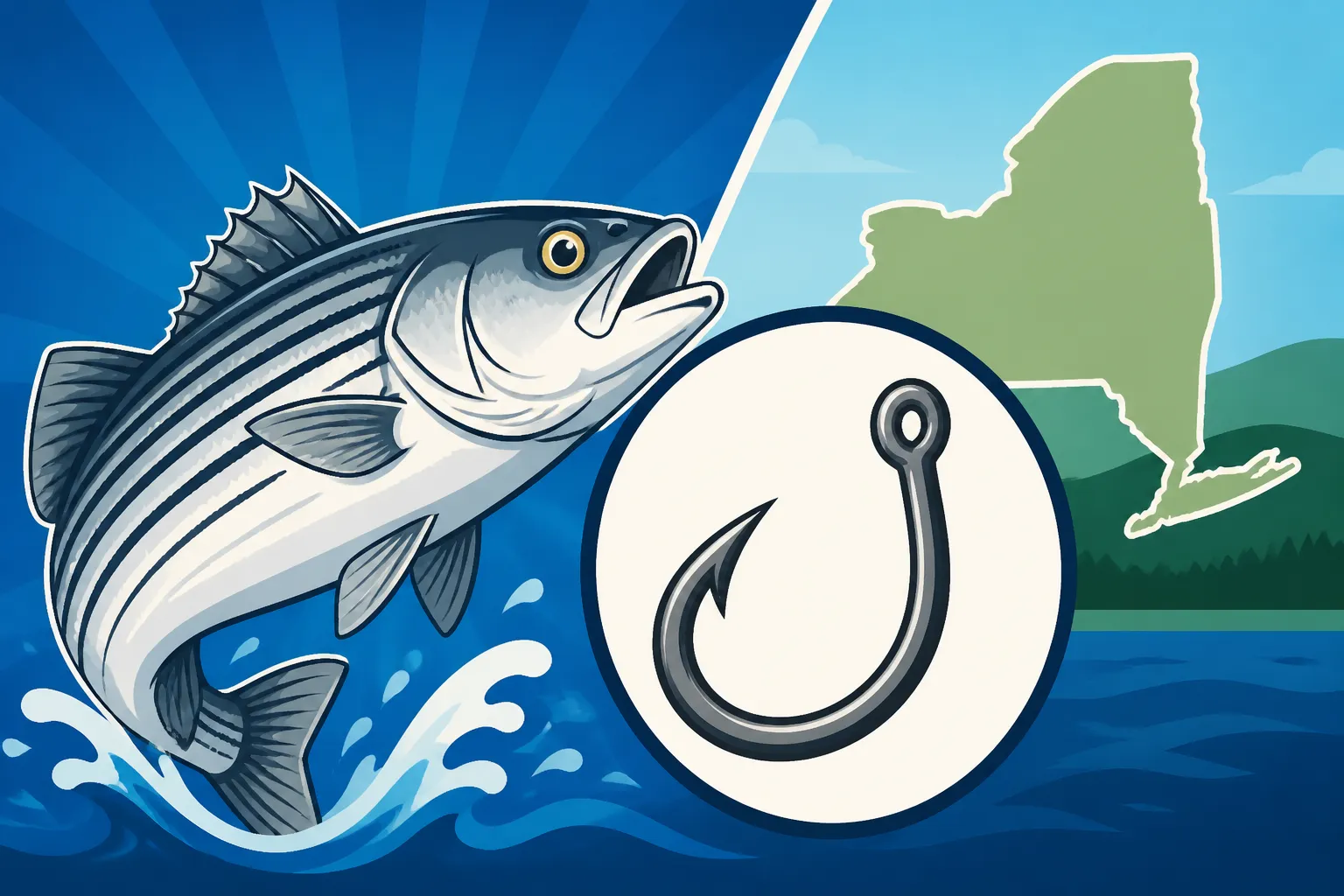
It can be incredibly frustrating to keep up with all the changing rules and regulations when you're just trying to enjoy a peaceful day of fishing. One of the regulations that has caused a fair bit of head-scratching and adjustment for many New York anglers, particularly those targeting a prized species, is the mandatory use of circle hooks for striped bass. This guide is here to untangle all the confusion, explain why this rule exists, and help you master the art of fishing with circle hooks to protect our beloved striped bass.
Understanding the New York Striped Bass Circle Hook Mandate
If you've been fishing for striped bass in New York waters using natural bait, you've likely already encountered the requirement for circle hooks. This isn't just a suggestion; it's a critical regulation put in place to address a very real problem facing the striped bass population. The transition from traditional J-hooks to circle hooks has been a significant shift for many seasoned anglers, but it's one rooted deeply in conservation science and the long-term health of the fishery. It’s about ensuring that the fish we release have the best possible chance of survival, contributing to a robust population for years to come.
The "Why" Behind the Rule
For years, traditional J-hooks, with their straight shank and sharp barb, were the go-to for many anglers, especially when using bait. The problem, however, arose when a fish swallowed the bait deeply before the angler could react. A deeply swallowed J-hook often results in "gut hooking" or hooking in the gills, leading to severe internal damage. While many anglers do their best to release fish carefully, the mortality rate for deeply hooked fish can be alarmingly high. This issue became particularly pressing for striped bass, a species that has faced significant fishing pressure and population fluctuations.
The New York State Department of Environmental Conservation (DEC), in alignment with federal and interstate regulations, recognized the need for a change. Striped bass are a migratory species, traveling along the Atlantic coast, and their health is a shared responsibility across multiple states. Protecting juvenile fish and ensuring that adults can reproduce successfully is paramount. The circle hook mandate is a direct response to scientific data showing that these hooks drastically reduce gut hooking, thereby increasing post-release survival rates. It's a proactive measure to safeguard the future of the striped bass fishery, especially in critical areas like the Hudson River, which serves as a vital spawning ground for the species. Many anglers have expressed frustration with the adjustment, feeling it complicates their fishing, but the underlying intent is genuinely for the good of the fish and the sport itself.
What Exactly Constitutes a Circle Hook?
So, what makes a circle hook a circle hook, and how do you know if you're using a legal one? A true circle hook is characterized by its distinct circular or oval shape where the point is turned perpendicularly back towards the shank of the hook. Unlike a J-hook where the point is parallel to the shank, a circle hook's point aims inward. This design is what prevents gut hooking.
The key distinction in regulations often lies between "offset" and "non-offset" circle hooks.
- Non-offset circle hooks are generally preferred and often mandated because their point and shank are in the same plane. This design makes them even less likely to hook a fish in the gut. When a fish swallows the bait, the hook slides out of the gullet and typically catches in the corner of the jaw as the line is tightened.
- Offset circle hooks have a slight bend in the point, causing it to be offset from the shank. While still better than a J-hook for reducing gut hooking, this offset can sometimes allow for deeper hooking. New York's regulations specifically require non-offset circle hooks when fishing for striped bass with natural bait in most situations.
When you're out buying hooks, look for packaging that explicitly states "non-offset circle hooks." Brands like Gamakatsu, Owner, and Mustad offer a wide range of compliant circle hooks. You can find these easily at most local tackle shops or even through online retailers like Amazon, often in bulk packs which can be convenient for keeping your tackle box well-stocked. Familiarize yourself with the visual difference; it's crucial for compliance. The goal isn't just to use a circle hook, but the right kind of circle hook.
Who Needs to Follow This Rule?
The circle hook requirement for striped bass applies to anyone fishing with natural bait in New York State's marine and coastal district waters, as well as the tidal portion of the Hudson River. This means:
- Shore Anglers: Whether you're casting from a beach on Long Island, a pier in New York City, or the banks of the Hudson River, if you're using bait, you must use a non-offset circle hook.
- Boat Anglers: If you're out on a private boat, a head boat, or a charter, the rule applies to everyone on board using natural bait to target striped bass.
- Party Boats/Charters: Responsible captains will already be fully compliant, but it's always good practice to confirm with your chosen charter, especially if you plan to bring your own tackle.
It's important to remember that this regulation specifically targets natural bait. This includes things like bunker, clams, worms, squid, and even live baitfish. If you're casting artificial lures – soft plastics, plugs, jigs, or spoons – the circle hook requirement generally does not apply. However, if you add a piece of natural bait to your artificial lure (like a strip of clam on a jig), then the circle hook rule would likely apply. Always consult the official New York DEC Fishing Regulations Guide for the most precise and up-to-date information, as regulations can sometimes have very specific nuances or change seasonally.
How Circle Hooks Benefit Striped Bass and Anglers
Shifting to circle hooks can feel like learning to fish all over again for some, but the benefits for the striped bass population, and ultimately for anglers, are substantial. It’s a change that, once embraced, truly makes a difference in conservation efforts and can even lead to more enjoyable fishing experiences due to healthier fish.
Increased Survival Rates for Released Fish
The primary and most significant advantage of circle hooks is their ability to dramatically increase the survival rate of released fish. When a fish takes a bait with a J-hook, there’s a high chance it will swallow the hook, leading to potential damage to its gills, esophagus, or stomach lining. Even with the most careful removal, internal injuries can be fatal.
Circle hooks work differently. Their unique shape is designed so that when a fish takes the bait and attempts to swallow it, the hook slides up from the stomach or gullet and pivots as the line is tightened. Instead of embedding deep inside, the hook naturally catches in the corner of the fish's jaw or mouth. This "lip-hooking" or "jaw-hooking" is far less damaging. Studies have consistently shown that fish caught with circle hooks have significantly higher survival rates post-release compared to those caught with J-hooks, especially for species like striped bass that are often released due to slot limits or personal choice. This means more fish survive to spawn again, grow larger, and contribute to a healthier overall population, which is a win for everyone. This regulation works hand-in-hand with other rules, such as specific New York Striped Bass Length Requirements, to ensure the long-term vitality of the species.
Easier Hook Removal and Safer Handling
Beyond the benefits for the fish, circle hooks also make life a lot easier and safer for the angler. Imagine fighting a spirited striped bass, bringing it to the boat or shore, only to find it's deeply hooked. Trying to remove a J-hook from deep within a fish's throat can be a messy, frustrating, and even dangerous endeavor. You might need long-nosed pliers, de-hooking tools, or even resort to cutting the line, leaving the hook embedded – which, while sometimes necessary, isn't ideal for the fish.
With circle hooks, because the hook generally sets in the corner of the mouth, removal is usually quick and straightforward. A simple pair of pliers is often all you need to twist the hook free. This not only reduces stress on the fish, allowing for a quicker release, but it also minimizes the time your hands are near sharp teeth or thrashing fish, making the experience safer for you. Less fussing with hook removal means more time fishing and less risk of injury for both parties. This ease of handling also means less time for the fish out of the water, further improving its chances of survival.
Improving the Fishery Long-Term
The long-term impact of widespread circle hook use for striped bass fishing in New York is about sustainability. Striped bass populations are dynamic and subject to many environmental pressures, habitat loss, and fishing pressure. By significantly reducing mortality rates from catch-and-release fishing, circle hooks contribute directly to rebuilding and maintaining healthy populations. This is particularly crucial for fish that are caught during spawning runs, such as those in the Hudson River, where protecting every individual is vital for future generations.
A healthier striped bass population means more opportunities for anglers to catch these powerful fish in the future. It’s an investment in the sport. When anglers adhere to regulations like the circle hook mandate and respect catch limits, it shows a collective commitment to conservation. This commitment helps ensure that future generations of anglers will also have the chance to experience the thrill of a striped bass on the line. Understanding the "why" behind rules like this helps foster a sense of shared responsibility and respect for the resource.
| Feature | Traditional J-Hook | Non-Offset Circle Hook |
|---|---|---|
| Hook Point | Parallel to shank, often straight | Turned perpendicularly back towards the shank |
| Hooking Location | Often deep in throat/gut, gills | Primarily in the corner of the jaw/mouth |
| Fish Mortality | Higher, especially with deep hooking | Significantly lower, increases survival rate |
| Hook Removal | Can be difficult, requires specialized tools for deep hooks | Generally easy, quick removal with pliers |
| Angler Safety | Higher risk of cuts from deep hook removal | Lower risk, less direct contact with fish's mouth |
| Bite Response | Requires aggressive hook set (jerk the rod) | Requires slow, steady pressure (reel, don't jerk) |
| Conservation Impact | Detrimental to released fish survival | Highly beneficial for species conservation |
Practical Tips for Fishing with Circle Hooks
Making the switch to circle hooks can feel a bit like learning to ride a bike again – it requires a different approach, but once you get the hang of it, it becomes second nature. The biggest hurdle for many anglers is resisting the urge to "set the hook" with a sharp jerk, which is exactly what you don't do with a circle hook.
The Art of the "Wait and Reel"
This is arguably the most crucial adjustment you'll need to make. With a J-hook, when you feel a bite, your instinct is to rear back on the rod, driving the hook point into the fish's mouth. Doing this with a circle hook almost guarantees you'll pull the bait right out of the fish's mouth without hooking it.
Instead, think of it as the "wait and reel" method:
- Feel the Bite: You'll still feel the familiar tugs, taps, or a steady pull as the striped bass mouths the bait. Resist the urge to yank.
- Wait for the Bend: Allow the fish to take the bait and swim off with it. You'll notice your rod tip start to bend over steadily, indicating the fish has committed to the bait and is moving away.
- Simply Reel: Once the rod tip is bending, slowly and steadily begin to reel in. Don't jerk, don't snap, just start reeling with a smooth, consistent motion. The fish's forward movement, combined with the pressure from your reeling, will cause the circle hook to slide out of the gullet and naturally pivot into the corner of the jaw. The hook sets itself!
- Maintain Pressure: Once you feel the weight of the fish and the hook is set, maintain steady pressure and enjoy the fight.
It takes practice and a lot of patience to override that natural "hook set" instinct, but once you experience how effectively a circle hook works with this technique, you'll be a convert. It's a more relaxed approach to hooking fish, which can actually be quite enjoyable.
Bait Presentation and Rigging for Success
Proper bait presentation is always important in fishing, but with circle hooks, it takes on an even greater significance. The hook needs to be exposed enough to do its job, but concealed enough to entice the fish.
- Live Bait (e.g., bunker, eels): When using live bait, hook the fish carefully through the nose or lips. This allows the bait to swim naturally and keeps the hook clear for proper jaw-hooking. Avoid hooking through the back or belly, as this can impede the hook's ability to pivot. You want the hook point to be unobstructed. Many anglers prefer a slightly larger circle hook for live bait to ensure a good gap around the fish's mouth.
- Cut Bait (e.g., bunker chunks, clam): For cut bait, threading the hook through the bait is key. You want to lightly embed the point and barb into the meat, ensuring the hook's gap and point are still mostly exposed. Don't bury the entire hook within a large chunk of bait. A common method is to run the hook through one end of the bait and out the other, leaving the bend and point of the hook exposed. For clam, you might thread it onto the hook, leaving a good portion dangling, but again, keep that hook point clear.
- Worms (e.g., bloodworms, sandworms): When fishing with worms, you don't need to load the hook up. Thread a portion of the worm onto the hook, but ensure the hook's curve and point are free. A smaller circle hook might be appropriate here, but still a non-offset one.
Always check your rigging before casting to ensure the hook point isn't fouled by bait or debris. Using quality leader material, such as fluorocarbon or monofilament, can also make a difference. Many good brands for leader material can be found on Amazon, often bundled with other tackle essentials. For more specific bait recommendations, check out our guide on the Best Bait for Striped Bass.
Common Mistakes to Avoid
Even with the best intentions, it's easy to fall into old habits or make common errors when transitioning to circle hooks. Being aware of these pitfalls can help you avoid frustration and increase your success rate.
- The Aggressive Hook Set: This is the number one mistake. As mentioned, jerking the rod will almost always pull the bait away from the fish. Train yourself to "wait and reel."
- Too Much Slack: While you need to let the fish take the bait, too much slack in the line can prevent the circle hook from engaging properly. Keep a relatively tight line, not stretched, but enough to feel the bite and allow the fish to create tension as it swims off.
- Hooks That Are Too Small or Too Large: A hook that's too small might not get a good hold in the corner of the mouth, while one that's too large might make it difficult for the fish to mouth the bait effectively. Match the hook size to the bait size and the target fish. For striped bass, hooks ranging from 5/0 to 9/0 are common, depending on the bait and expected size of the fish.
- Ignoring the Hook Point: Ensure your hook point is always razor-sharp and free of rust or bends. A dull hook won't penetrate cleanly. Regularly check your hooks and replace any that are compromised.
- Using Offset Circle Hooks: Remember, New York regulations specifically require non-offset circle hooks for striped bass with natural bait. Double-check your tackle to ensure compliance.
- Impatience: Circle hooks require a bit more patience. The fish needs time to properly take the bait. Don't rush the process; let the hook do its job.
Navigating Exceptions and What to Do If You're Unsure
Regulations can feel like a minefield sometimes, and understanding the nuances is crucial. While the circle hook mandate is clear for natural bait and striped bass, there are specific situations where it doesn't apply, and it's vital to know the difference.
Artificial Lures and Circle Hook Exemption
This is where many anglers can get confused. The non-offset circle hook requirement for striped bass only applies when fishing with natural bait. This means if you are strictly using artificial lures, you are generally exempt from this rule.
- Plugs and Hard Baits: Classic topwater poppers, swimming plugs, and lipped crankbaits, often equipped with treble hooks, do not require circle hooks.
- Soft Plastics and Jigs: Soft plastic jerkbaits, paddle tails, and bucktail jigs, commonly used for striped bass, are also exempt. You can use traditional J-hooks or even treble hooks with these, provided you are not adding any natural bait.
- Spoons: Metal spoons used for casting or trolling fall into the artificial lure category and do not require circle hooks.
However, there's a critical caveat: if you decide to tip your artificial lure with natural bait – say, putting a piece of clam on a jig head or a strip of bunker on a spoon – then you are no longer strictly fishing with an artificial lure. In such cases, the circle hook requirement for natural bait would kick in. So, if you're using a jig and want to make it "smellier" by adding a piece of clam, you'd need to ensure your jig is rigged with a non-offset circle hook. It's best to keep your artificial lure fishing and natural bait fishing distinct if you're not fully comfortable adapting your artificial presentations to circle hooks.
Consequences of Non-Compliance
Nobody wants to get a ticket while enjoying their time on the water, but fishing without adhering to regulations, including the circle hook mandate, can lead to real penalties. New York State Department of Environmental Conservation (DEC) Environmental Conservation Officers (ECOs) patrol our waters diligently to ensure compliance and protect our natural resources.
If an ECO observes you fishing for striped bass with natural bait and using a non-compliant hook (e.g., a J-hook or an offset circle hook), you could face a summons. The exact penalties can vary depending on the severity of the offense, your history of violations, and the discretion of the officer and the courts. Generally, violations of fishing regulations in New York can result in:
- Fines: Monetary penalties are common, and they can range from hundreds to thousands of dollars, depending on the specific violation.
- Seizure of Equipment: In some cases, your fishing gear (rods, reels, tackle) could be seized.
- Suspension or Revocation of Fishing Privileges: Repeated or serious offenses could lead to a suspension or even revocation of your fishing license.
These consequences are not taken lightly by the DEC, as they are essential tools to deter illegal fishing practices and protect the fish populations. It's a stark reminder that these regulations are serious and designed for the greater good. This is similar to the consequences of Fishing Without a License in New York: What Happens – ignorance of the law is rarely an excuse. It’s always cheaper and less stressful to simply follow the rules.
Staying Up-to-Date on Regulations
New York fishing regulations are not static; they change periodically based on scientific assessments of fish stocks, environmental conditions, and management goals. What was legal last year might not be legal this year. This can be frustrating for anglers, but it’s a necessary part of adaptive fisheries management.
To avoid any issues and ensure you're always fishing legally and responsibly, here's how you can stay informed:
- Check the DEC Website: The official New York State Department of Environmental Conservation (DEC) website is the most reliable and up-to-date source for all fishing regulations. They typically publish a new fishing guide annually.
- Download the "NY Fish & Wildlife" App: The DEC offers a free mobile app for both iOS and Android that provides instant access to regulations, fishing licenses, and even a fish identification tool. It’s an incredibly handy resource to have right in your pocket while you're on the water.
- Visit a Local Tackle Shop: These local businesses are often run by passionate anglers who are intimately familiar with local and statewide regulations. They can be a great resource for clarification and often have physical copies of the fishing guide.
- Sign Up for DEC Emails: The DEC often sends out email notifications about important regulatory changes or updates.
- Review the Annual Fishing Guide: Make it a habit to obtain and read the current New York Fishing Regulations Explained guide before your first outing of the season, and keep a copy (digital or physical) with you while fishing. Pay particular attention to species-specific rules, such as those for New York Striped Bass Length Requirements and other relevant laws.
Being proactive about understanding and following regulations, including the striped bass circle hook requirement, is a sign of a responsible angler. It protects you from penalties and, more importantly, contributes directly to the health and future of New York's fantastic fisheries.
Disclaimer
The information provided in this guide is for general informational purposes only and is not intended as legal advice. Fishing regulations in New York State are subject to change. Always consult the most current official New York State Department of Environmental Conservation (DEC) fishing regulations before engaging in any fishing activities.