Why Is Hudson River Striped Bass Season Closed in Winter?
That chill in the air signals the end of many fishing seasons, and for passionate anglers on the Hudson River, few closures sting more than the annual halt to striped bass fishing. It's frustrating to know those magnificent fish are still out there, yet off-limits. This comprehensive guide will dive deep into why the Hudson River striped bass season is closed in winter, exploring the crucial biological reasons, the role of conservation, and what this means for the future of this beloved fishery.
The Critical Conservation Behind Winter Closures
Anglers often wonder why they can't pursue striped bass year-round, especially when the fish are clearly still present in the lower Hudson or even migrating through. The primary reason for the winter closure isn't to simply make life harder for us, but rather a vital conservation strategy designed to protect the striped bass population when they are most vulnerable. This management decision by the New York State Department of Environmental Conservation (NYSDEC) is rooted in extensive biological research and population assessments, aimed at ensuring the long-term health and sustainability of this iconic species.
Protecting Vulnerable Wintering Fish
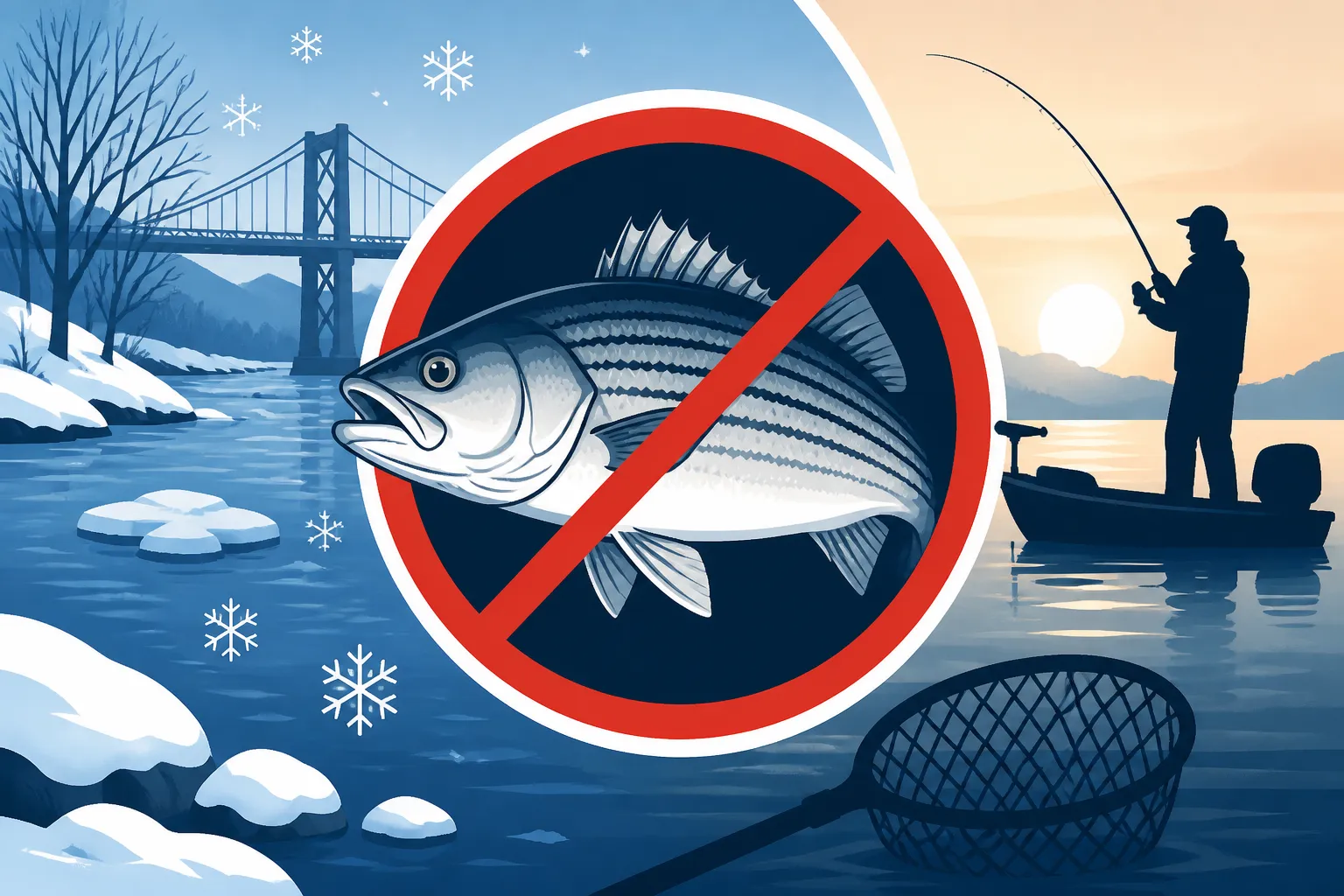
When water temperatures drop significantly in the colder months, striped bass, like many other fish species, undergo a physiological slowdown. Their metabolism decreases, they become less active, and they often congregate in deeper, warmer pockets of water, known as "wintering holes." These aggregations make them particularly susceptible to overfishing. Imagine a bait ball, but instead of prey, it's the very fish we're trying to protect. If fishing pressure were allowed during this period, it would be far too easy for anglers to target and decimate large numbers of these lethargic fish, impacting the overall stock.
This vulnerability extends beyond just ease of capture. Winter is a period of stress for fish, as food sources can become scarcer, and their energy reserves are critical for survival until spring. Any additional stress from being hooked, fought, and released, even with the best intentions, can significantly reduce their chances of surviving the winter. The closure gives them a much-needed respite, allowing them to conserve energy and remain undisturbed during this crucial period of inactivity. This is a key reason why you won't find the Striped Bass Season Closure Dates on the Hudson extended into these colder months.
Supporting Population Recovery and Spawning Success
The Hudson River is not just a migration corridor; it's a critical spawning ground for striped bass. The fish that overwinter in the Hudson are often the same ones that will ascend the river in the spring to reproduce. Protecting these fish during their wintering phase directly contributes to their ability to successfully spawn in the spring. A healthy spawning stock is the backbone of a robust fishery, and without adequate protection, future generations of striped bass would be at risk.
The closure also plays a role in broader regional conservation efforts. Striped bass are migratory, moving along the Atlantic coast, and the Hudson River stock contributes significantly to the overall Atlantic Coast striped bass population. Decisions made by the NYSDEC are often coordinated with the Atlantic States Marine Fisheries Commission (ASMFC), which manages striped bass across state lines. The collective goal is to rebuild and maintain striped bass populations coast-wide, which have faced challenges due to historical overfishing and environmental factors. By taking these protective measures, New York plays a crucial part in a larger, interconnected strategy to ensure these magnificent fish continue to thrive. This also links to the broader New York Fishing Regulations Explained which govern all species.
Understanding the Striped Bass Life Cycle on the Hudson
To truly grasp the necessity of the winter closure, it helps to understand the incredible journey and life cycle of the striped bass within the Hudson River system. These anadromous fish are truly remarkable, migrating from saltwater environments into freshwater to spawn, and then back out again. Their behavior changes dramatically with the seasons, dictating where they are, what they eat, and how vulnerable they become to fishing pressure.
The Spring Spawning Migration
As the ice retreats and water temperatures begin to climb, typically from April into early June, mature striped bass from the Atlantic Ocean begin their epic migration up the Hudson River. They journey past New York City, past the Tappan Zee Bridge, and continue far north, sometimes as far as Albany, seeking specific freshwater spawning grounds. These vital areas, often characterized by a mix of freshwater and slightly brackish conditions, are where they lay and fertilize their eggs. It's a truly spectacular natural event, and this period is often when anglers are most eager to pursue them. Understanding How to Fish for Striped Bass on New York's Hudson River during this spring run is a science in itself, but even then, there are strict limits.
After spawning, the adult fish slowly make their way back downriver towards the ocean, often feeding heavily to regain strength. The juvenile striped bass, or "fry," hatch in the river and spend their first few months in these protected nursery areas, feeding on plankton and small invertebrates before eventually migrating downstream to the estuary and then into the ocean. This delicate early life stage is why protecting the spawning stock is so critical – it directly influences the number of new fish entering the population.
Wintering Habits and Reduced Activity
As autumn deepens and water temperatures fall below 50-55 degrees Fahrenheit, the migratory striped bass that have summered in various parts of the Atlantic or remained in the lower Hudson start to consolidate. Many will exit the river and move to offshore wintering grounds in the ocean, but a significant portion, particularly sub-adults and some adults, will remain within the Hudson River estuary. These fish seek out deeper, less turbulent sections of the river, often in areas where there's a slight increase in water temperature or where they can find structure to hold.
During this period, their metabolism slows dramatically, and they enter a state of semi-dormancy, similar to hibernation in mammals. They feed much less frequently, conserving energy. If you were to fish during this time, you'd find them sluggish and less inclined to strike, but if you did locate a congregation, they would be extremely easy to exploit. This reduced activity and grouping behavior make them highly vulnerable, and any disturbance can be detrimental. This is the core biological justification for the closure – to provide a sanctuary where these fish can survive the lean, cold months undisturbed. It ensures they are healthy and ready for their next spawning run.
The Regulatory Framework and Enforcement
The regulations governing striped bass fishing on the Hudson River are not arbitrary; they are the result of scientific assessment, public input, and interstate cooperation. The New York State Department of Environmental Conservation (NYSDEC) is the primary authority for setting these rules within New York State waters, often working in conjunction with federal guidelines and regional bodies like the Atlantic States Marine Fisheries Commission (ASMFC).
NYSDEC's Role in Fishery Management
The NYSDEC is tasked with safeguarding New York's diverse fish populations, and that includes managing the highly popular striped bass fishery. They conduct extensive research, including population surveys, tagging studies, and creel censuses, to monitor the health of the stock. Based on this data, they determine appropriate season lengths, size limits (like New York Striped Bass Length Requirements), and bag limits. The winter closure is a direct output of these management efforts, recognized as a critical tool to protect the striped bass during their most vulnerable period.
These regulations are published annually in the official guide, which is accessible both online and at many license vendors. It's an angler's responsibility to stay informed about these rules, as they can change from year to year based on stock assessments and conservation goals. This is also why having a current New York Fishing License Guide and understanding its rules is paramount for anyone wetting a line in the state.
Consequences of Non-Compliance
Fishing for striped bass on the Hudson River during the closed winter season carries significant penalties. This isn't just a slap on the wrist; it's a serious violation of conservation laws designed to protect a valuable natural resource. If you're caught fishing for or possessing striped bass during the closed period, you could face substantial fines, forfeiture of your fishing gear, and even the suspension of your fishing privileges. Conservation officers patrol these waters, even in the coldest months, and they are well-versed in detecting violations.
For instance, depending on the severity and whether it's a first offense, fines can range from hundreds to thousands of dollars, plus court costs. Repeated offenses can lead to even harsher penalties. The rationale is clear: the integrity of the conservation effort relies on widespread compliance. Ignoring the closure undermines the hard work to rebuild and maintain healthy striped bass populations. You definitely don't want to find out What Happens If You Get Caught Fishing Without a License? or for a closed season species. It's simply not worth the risk, both for your wallet and for the fish.
Table: Hudson River Striped Bass Key Dates & Rules (General)
| Aspect | Typical Season Dates (Open) | Minimum Size Limit (inches) | Bag Limit | Circle Hook Requirement | Winter Closure Period |
|---|---|---|---|---|---|
| Hudson River Striped Bass | April 1 – Nov 30 (approx.)* | 18" – 28" Slot Limit* | 1 fish* | Yes (when using bait) | Dec 1 – March 31* |
*Note: These dates and limits are approximations and can change annually. Always consult the most current NYSDEC regulations before fishing. The specific slot limit can vary by region and year.
Angler Alternatives and Seasonal Preparations
While the winter closure for Hudson River striped bass can feel like a long stretch, it doesn't mean your fishing gear has to go into complete hibernation. New York State offers a wealth of other fantastic fishing opportunities during the colder months, and this downtime is also perfect for some essential gear maintenance and planning for the spring season.
Embrace Other Winter Fishing Opportunities
Even with striped bass off-limits, there are still plenty of fish to pursue in New York during winter. If you're brave enough to face the cold, ice fishing can be incredibly rewarding. Lakes across the state, such as Oneida Lake or Lake George, offer fantastic opportunities for species like yellow perch, crappie, walleye, and even trout through the ice. Learning the New York Ice Fishing Rules and understanding Best Winter Fishing Techniques in New York can open up a whole new world of angling. You can find essential ice fishing gear, from augers to tip-ups, on Amazon, making it easy to stock up.
Beyond ice fishing, some rivers and lakes remain open for trout and other species, often under specific catch-and-release regulations during the colder months. Always check the local regulations for the specific body of water you intend to fish. For instance, many of New York's beautiful Catskill trout streams offer year-round catch-and-release opportunities, providing a peaceful escape and a chance to hone your fly-fishing skills. You might be surprised at the variety of Fish Species You Can Catch in New York even in winter. For those in the lower Hudson Valley, exploring the Best Fishing Spots on the Hudson River for other species like perch or carp might be a good option, assuming local regulations permit.
Gear Maintenance and Spring Planning
The winter closure is actually a blessing in disguise for gear maintenance. This is the perfect time to clean, inspect, and repair your rods, reels, and tackle. Monofilament lines should be replaced annually, and braided lines should be inspected for wear and tear. Sharpen hooks, organize your tackle boxes, and ensure your boat (if you have one) is winterized and ready for spring. Ordering new line or specific lures you'll need for next season's striped bass run through Amazon now means you'll be ahead of the game when spring arrives.
Beyond maintenance, this is also an excellent opportunity to plan your upcoming fishing adventures. Research new fishing spots, study migration patterns, and stay updated on the latest NYSDEC regulations. Consider taking an online course or reading up on advanced techniques. Perhaps you want to dive deeper into the nuances of the Striped Bass Circle Hook Requirement or explore the best ways to prepare for the spring. This dedicated downtime allows you to come back to the water in spring feeling prepared, refreshed, and excited for the next season of chasing those magnificent Hudson River striped bass. Don't forget to check Amazon for any last-minute tackle needs before the season opens!
Disclaimer
Fishing regulations can change frequently. While we strive to provide accurate and up-to-date information, it is the angler's responsibility to consult the official New York State Department of Environmental Conservation (NYSDEC) regulations before engaging in any fishing activities. This guide is for informational purposes only and does not supersede official government publications.