Marine Fishing Registry Renewal Reminder
It’s easy to get caught up in the excitement of planning your next saltwater fishing trip in New York – dreaming of reeling in a striped bass or fluke. But then that nagging thought creeps in: "Did I remember to renew everything I need?" Forgetting to renew your New York State Recreational Marine Fishing Registry is a common oversight, and it can throw a wrench in your plans, leading to unnecessary stress and potential fines. This guide is here to walk you through everything you need to know about your Marine Fishing Registry, especially how to ensure you never miss that crucial renewal reminder.
Understanding the New York Marine Fishing Registry
Before we dive into the nitty-gritty of renewals, let's make sure we're all on the same page about what the New York Marine Fishing Registry actually is. It’s not just another piece of paper; it’s a crucial component of responsible and legal saltwater angling in our amazing state.
What Exactly Is the Marine Fishing Registry?
The New York State Department of Environmental Conservation (DEC) requires anyone 16 years of age or older who fishes in the marine and coastal district waters, or for migratory marine fish in the freshwaters of the Hudson River and its tributaries, to register. This includes fishing from shore, a pier, a boat, or even from a kayak. Now, here's the good news that often confuses folks: the New York Marine Fishing Registry is absolutely free. You heard that right – it costs nothing to register. Unlike purchasing a freshwater fishing license, which has a fee, the marine registry is simply a registration process.
Many people wonder, "Do I Need a Fishing License to Fish in New York?" The answer for saltwater is technically no, you need to register, not license, unless you're fishing in specific boundary waters or for certain species that may have additional requirements. The primary purpose of this registry isn't to generate revenue, but rather to help the DEC gather vital data on saltwater fishing effort and harvest. This information is critical for managing fish stocks and ensuring sustainable fishing opportunities for future generations. If you’ve ever found yourself asking, "Is the Marine Fishing Registry Really Free?", rest assured, it is! However, it does need to be renewed annually to remain valid.
Why the Registry Matters for Anglers
You might think, "It's just a free registration, why bother?" But trust me, it matters immensely. First and foremost, it keeps you legal. Being caught fishing in marine waters without a valid registration can lead to penalties, including fines. Nobody wants their relaxing day on the water interrupted by a run-in with law enforcement. It’s far better to be prepared and have your ducks in a row. You can find more details on this by checking out our guide on Fishing Without a License in New York: What Happens.
Beyond legality, the data collected from the registry is invaluable for conservation. When you register, you contribute to a larger understanding of our marine fisheries. This data helps the DEC make informed decisions about catch limits, season dates, and other regulations that directly impact your fishing experiences. It’s how they protect the very fish you love to catch. For example, understanding how many anglers are targeting striped bass helps the DEC set appropriate New York Striped Bass Length Requirements to ensure a healthy population. So, while it might seem like a small step, it’s a big contribution to the future of New York fishing.
Receiving Your Renewal Reminders
So, you’ve signed up for your Marine Fishing Registry – great job! But how do you ensure you don’t forget to renew it next year? The New York DEC has systems in place to remind you, but it’s also important for you to take some proactive steps to guarantee you receive those notifications.
How the DEC Notifies You
The New York DEC typically sends out renewal reminders primarily through email. When you initially register for your marine fishing registry, you provide an email address, and this is where those important annual notifications will land. These emails usually go out a few weeks or months before your current registry is set to expire, giving you ample time to complete the renewal process. It's a convenient system designed to prevent lapses in coverage. If you can’t remember if you signed up for email reminders, or perhaps you've changed your email address, it's always a good idea to update your contact information through the DEC's online licensing system.
While email is the primary method, sometimes, especially if email addresses bounce or are unread, a physical letter might be sent as a backup. However, relying solely on snail mail isn't the best strategy in our digital age, as postal delays can happen. The most efficient and reliable way the DEC communicates these critical reminders is electronically. This system is designed to be as user-friendly as possible, aiming to make sure you’re always aware of your upcoming Marine Fishing Registry Renewal Reminder.
Ensuring You Get Those Important Emails and Letters
Given that email is the primary channel, the first step to ensuring you receive your renewal reminders is to add the DEC's email address to your safe sender list or contacts. This prevents their important messages from ending up in your spam or junk folder, which is a common frustration for many online communications. Take a moment to check your spam filter settings and make sure nothing from "NYSDEC" or "NY.gov" is being blocked.
Secondly, always keep your contact information updated. If you move or change your email address, log into your NY.gov online account and update it immediately. It’s incredibly frustrating to realize you missed a renewal because the reminder went to an old email you no longer check. Consider setting your own calendar reminder, too. If your registry expires on December 31st, for example, put a reminder in your phone or on a physical calendar for November 1st, just as an extra layer of protection. Some anglers even jot down these dates on their fishing gear, like inside their tackle box lid, or next to their New York Freshwater Fishing Rules printout. For those who frequently shop on platforms like Amazon for fishing supplies, you might even consider adding a note in your Amazon order history or wish list items as a visual cue.
The Simple Process of Renewing Your Marine Fishing Registry
Renewing your New York Marine Fishing Registry is a straightforward process, especially if you opt for the convenience of online renewal. It’s designed to be quick and painless, so you can get back to planning your next trip to Long Island Sound or the Hudson River.
Step-by-Step Online Renewal
The easiest and most common way to renew your Marine Fishing Registry is online through the New York DEC's official licensing system. Here’s a breakdown of the typical steps:
- Access the DEC Online Licensing System: Head to the official New York DEC website and navigate to their online licensing and registration portal. You'll usually find a prominent link for "Purchase a License/Register" or "Manage My Account."
- Log In or Create an Account: If you already have an account (which you should if you've registered before), log in using your DEC customer ID and password. If you're a first-timer or forgot your login, there are options to retrieve your ID or create a new account. Our guide on How to Buy a Fishing License Online in New York offers a similar walkthrough for the login process.
- Locate Your Registry: Once logged in, your current or expired Marine Fishing Registry should be visible under your profile. Look for an option that says "Renew My Licenses/Registries" or something similar.
- Confirm Information: The system will usually pre-fill your personal details. Take a moment to verify that all your information is correct and up-to-date. This is also where you can update your email address or mailing address if needed.
- Submit Renewal: Since the Marine Fishing Registry is free, there won't be a payment step. You'll simply click to confirm and submit your renewal.
- Print or Save Confirmation: After successful renewal, you'll receive a confirmation page. It’s always a good idea to print this out or save a digital copy to your phone or cloud storage. You should also receive an email confirmation shortly after. While the state doesn't typically mail a physical card for the registry, having proof of renewal readily accessible is smart.
This entire process usually takes less than five minutes, making it incredibly convenient. Just remember that this registry needs to be renewed every year. Our article, "Does the Marine Registry Expire Every Year?" dives into the annual nature of this requirement.
Other Renewal Options
While online renewal is certainly the most convenient, especially when you're reminded at home, the New York DEC does offer a few other options for those who prefer them:
- By Mail: You can sometimes renew by mail if you receive a physical renewal notice with instructions. This typically involves filling out a form and sending it back to the DEC. However, this method is slower and relies on postal services, so ensure you send it well in advance of your expiration date.
- In Person: You can also renew your Marine Fishing Registry in person at a DEC license issuing agent or a regional DEC office. These locations include many sporting goods stores, town clerk offices, and even some Walmart locations. This can be a good option if you’re also buying other licenses, like your freshwater permit, or if you need assistance with the process. Just be sure to bring a valid form of identification.
Remember, the goal is to make sure your registry is active before you head out. A quick check on the DEC website or a phone call to a local agent can clarify any questions you might have. Making sure you’re registered means you’re ready for fishing without a hitch.
What Happens If You Forget to Renew?
Life gets busy, and sometimes, despite our best efforts, things slip through the cracks. Forgetting to renew your New York Marine Fishing Registry is an honest mistake many anglers have made. But it's important to understand the potential repercussions and how to quickly get back on track.
The Consequences of an Expired Registry
The most immediate consequence of fishing with an expired (or no) Marine Fishing Registry is that you are technically breaking the law. If a DEC Environmental Conservation Officer (ECO) checks your registration while you're out on the water – whether you're surf fishing off Montauk, casting from a pier in Brooklyn, or trolling the Hudson – and finds it invalid, you could face a penalty. This typically starts with a summons and a fine. The specific fine amount can vary depending on the circumstances, but it's always more costly and annoying than the few minutes it takes to renew.
Beyond the monetary penalty, it can simply ruin your day. Imagine finally getting out on the water, only to be told you have to stop fishing or even return to shore. It’s a frustrating and embarrassing situation that can easily be avoided. Think of it like driving without current registration; while the immediate danger might seem low, the legal ramifications are very real. Our guide on Penalties for Fishing Without a License in New York goes into more detail about how these situations are handled by law enforcement.
Getting Back into Compliance
If you realize your Marine Fishing Registry has expired, don’t panic! The good news is that getting back into compliance is usually as simple as renewing it. There isn't typically a late fee or a complicated reinstatement process for the registry itself (though this differs from actual paid licenses). You can usually just go online to the DEC's licensing system and complete the renewal process as described above.
Here’s the key: do not go fishing in marine waters until your registry is renewed. Even if you’ve just submitted the online form, wait for the confirmation. Print it out or save it digitally to your phone. It's always best to have immediate proof of your renewed status before casting a line. The system is designed to allow continuous renewal, so there's no need to start over with a brand new application. Just head to your account, click renew, and confirm your details. It’s that simple.
For those who travel often or have limited internet access, consider renewing a bit early, perhaps even when you're browsing for new gear on Amazon. A small calendar reminder when you make a fishing-related purchase online could be a great way to link the two activities and ensure your registry is always current. Taking these proactive steps ensures that your fishing adventures remain stress-free and fully legal. If you ever have questions about whether you need both freshwater and saltwater authorization, our article "Do I Need Both a Freshwater License and a Marine Registry?" can clear up that common confusion.
Key Information About Your Marine Fishing Registry
To help you keep all the important details straight, here's a quick reference table summarizing key aspects of the New York State Recreational Marine Fishing Registry.
| Feature | Description |
|---|---|
| Requirement | Mandated for anyone 16 years or older fishing in NY marine/coastal district waters or for migratory marine fish in the Hudson River's freshwaters. |
| Cost | Free. Yes, it truly is free. |
| Validity Period | Annual. It must be renewed every year. Usually valid for a calendar year, expiring on December 31st, regardless of when you initially registered. Our guide, "Does the Marine Registry Expire Every Year?", clarifies this further. |
| How to Register/Renew | Primarily online via the NYS DEC ALIS system. In-person at DEC license agents or offices, or by mail (if a physical form is provided). Our New York Saltwater Fishing Registration Guide offers a comprehensive walkthrough. |
| Renewal Reminders | Primarily via email from the DEC. It's crucial to keep your email address updated and check your spam folder. Setting personal reminders is also highly recommended. |
| Proof of Registration | Digital or printed confirmation is sufficient. A physical card is not typically mailed for the registry. |
| Consequences of Non-Renewal | Fishing without a valid registry is illegal and can result in fines and summonses from Environmental Conservation Officers (ECOs). |
| Purpose | To collect vital data on saltwater fishing effort and harvest for sustainable fisheries management and conservation efforts. It helps the DEC understand angler activity and protect fish stocks. |
Proactive Steps to Stay Registered
Staying on top of your Marine Fishing Registry renewal doesn't have to be a yearly scramble. By taking a few proactive steps, you can ensure you’re always in compliance and ready to hit the water whenever the urge strikes. It's all about building simple habits and leveraging the tools available to you.
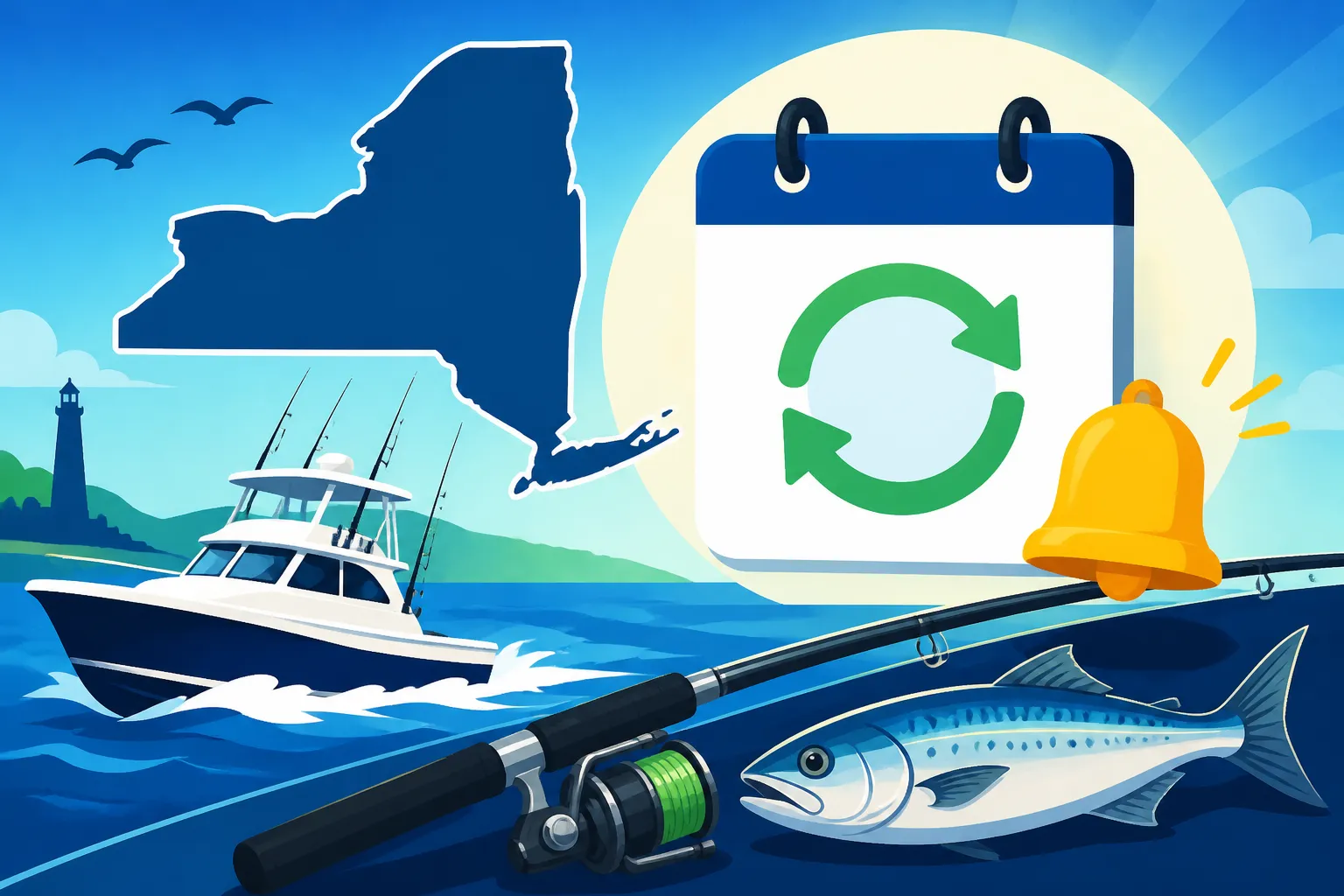
One of the best habits you can develop is to make a note of your registry's expiration date immediately after you register or renew. Don't just rely on the DEC's email reminders; those can sometimes get lost in a cluttered inbox, or worse, end up in your spam folder. Instead, add the date to your personal digital calendar (like Google Calendar, Outlook Calendar, or the one on your smartphone) with a recurring annual alert set for a month or two before the actual expiration. This gives you plenty of lead time to address any issues or simply go through the quick online renewal process. This method helps reduce the stress of last-minute tasks, letting you focus on the joys of fishing.
Another effective strategy is to link your renewal reminder to other fishing-related activities. For instance, if you regularly buy fishing line, hooks, or even a new fishing rod from a retailer like Amazon, consider setting a recurring reminder note associated with those purchases. When you're browsing for a new reel or checking out the latest fishing books on Amazon, seeing that little reminder might just prompt you to double-check your registry status. It creates a natural trigger within your angling routine. Similarly, if you annually review your New York Fishing Season Dates and Catch Limits before the spring season kicks off, make that your designated time to check your registry as well.
Furthermore, ensure your contact information with the DEC is always current. It sounds simple, but a surprising number of people forget to update their email address or mailing address after moving or changing internet providers. If the DEC can't reach you, their reminders won't do you any good. Regularly logging into your NY.gov account, perhaps once a year when you're thinking about your fishing plans for the season, is a great way to verify everything is up-to-date. This simple check ensures that any official communications, including your Marine Fishing Registry Renewal Reminder, reach you without fail. Remember, your participation in the New York Recreational Marine Fishing Registry is an important part of supporting sustainable saltwater fisheries in our state, so staying current is a win-win for everyone.
Common Questions and Clarifications
Even with all the information out there, anglers often have specific questions about the Marine Fishing Registry and its renewal process. Let’s tackle a few common points of confusion to make sure you're crystal clear.
One of the most frequent questions is about the difference between a "fishing license" and the "Marine Fishing Registry." It's a valid point of confusion! A standard New York fishing license is generally for freshwater fishing and typically involves a fee. You'd need one for catching trout in a Catskills stream or bass in a Finger Lake. The Marine Fishing Registry, on the other hand, is specifically for saltwater fishing in New York's marine district waters and is free. Our guide on New York Fishing License Types Explained dives deeper into all the different authorizations you might encounter. Essentially, if you're targeting striped bass off Long Island, you need the registry; if you're after walleye on Oneida Lake, you need a freshwater license. Sometimes, if you're fishing in boundary waters or the freshwater sections of tidal rivers like the Hudson, you might need both, which is explained in our article "Do I Need Both a Freshwater License and a Marine Registry?".
Another common inquiry revolves around proof of registration. Many states issue physical license cards, but for the New York Marine Fishing Registry, this isn't usually the case. Your confirmation email or a printout of your registration from the DEC website is your official proof. This means you should always have access to a digital or physical copy when you're fishing. Keep it on your phone, in your tackle box, or even laminated in your boat. It’s a good habit, much like carrying your driver's license, to ensure you can quickly verify your compliance if an ECO asks. Don't assume that because it's free, it's not enforced – it absolutely is.
Finally, people often wonder if there's any grace period after the registry expires. Unfortunately, no. Once the expiration date passes (typically December 31st each year), your registry is invalid. There's no "grace period" where you can legally fish without it. You must renew it before you head out again. It truly is an annual renewal, as detailed in "Does the Marine Registry Expire Every Year?". This is why setting those proactive reminders and understanding the renewal process is so crucial. Getting caught with an expired registry can lead to an unexpected ticket, which nobody wants when they're simply trying to enjoy New York's fantastic saltwater fishing opportunities.
Disclaimer
Please remember that fishing regulations and requirements can change. While we strive to provide the most accurate and up-to-date information, it is always your responsibility to consult the official New York State Department of Environmental Conservation (DEC) website or publications for the latest rules and regulations before engaging in any fishing activities.