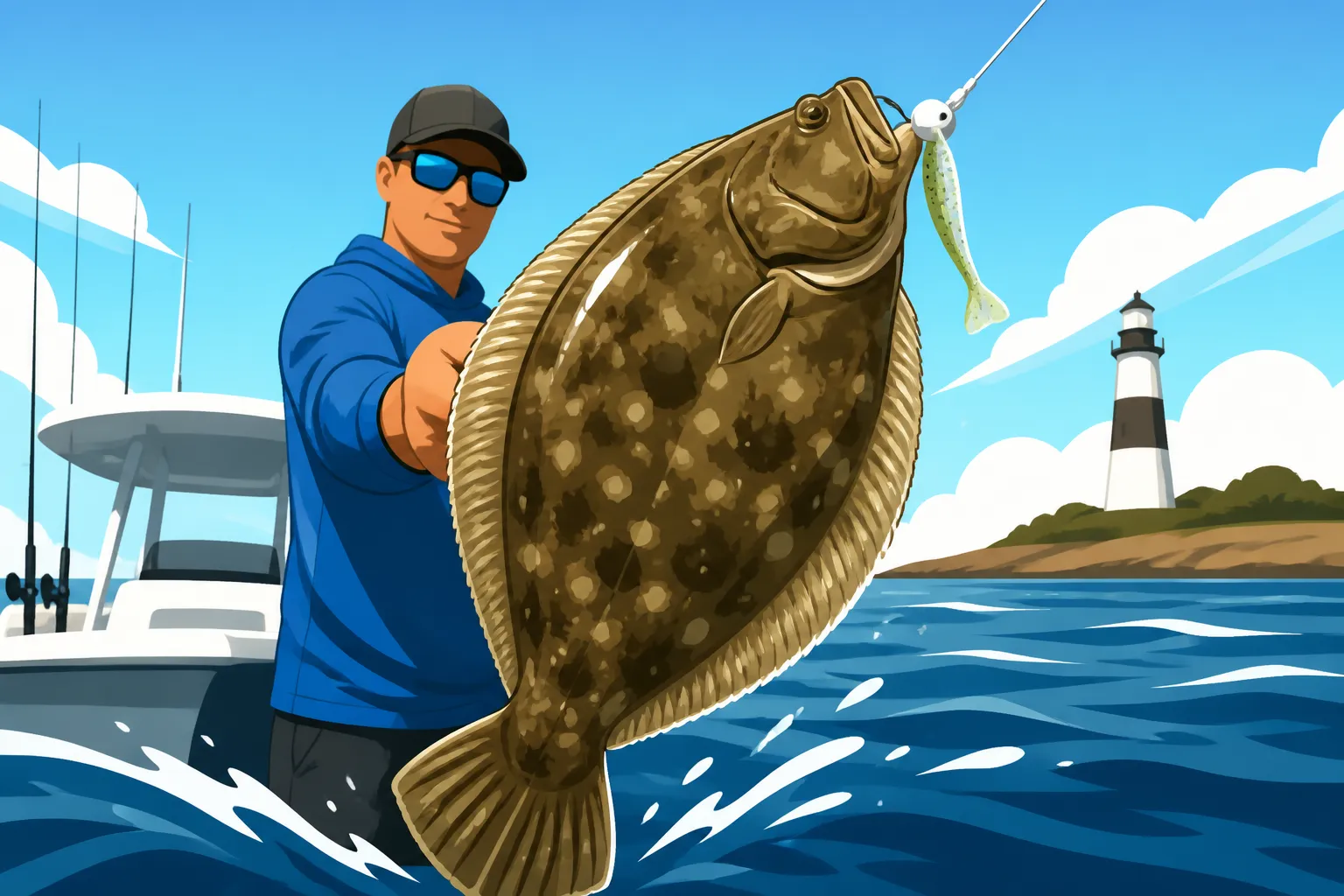
Fluke Fishing on Long Island Sound
There’s nothing quite like the thrill of feeling that distinct "thump" on your line when a hefty fluke decides to strike. But let's be real, fluke fishing on Long Island Sound can be incredibly frustrating if you don't know the ins and outs. Many anglers struggle to find the right spots, use the best techniques, or even understand the subtle cues these fascinating flatfish give. This guide is here to unravel the mysteries, helping you unlock the secrets to consistent success and turn those frustrating outings into triumphant tales from the Sound.
Understanding Fluke: The Elusive Flatfish of Long Island Sound
Before you can consistently catch fluke, it's really helpful to get inside their heads, or at least understand their basic biology and behavior. Knowing what makes them tick, where they prefer to hide, and what they're generally looking for can drastically improve your chances. It’s not just about tossing a line in the water; it’s about understanding the whole ecosystem they inhabit.
What Exactly is a Fluke (Summer Flounder)?
When we talk about fluke in New York, we're almost always referring to the summer flounder, Paralichthys dentatus. This isn't just a generic flatfish; it's a specific species that's highly sought after for both its fighting spirit and its delicious fillets. They are fascinating creatures, famous for their ability to change color and pattern to perfectly blend in with their surroundings, lying camouflaged on the bottom. Most folks call them fluke, especially here in the Northeast, but you might also hear them referred to as "flounder" or "summer flounder," which can sometimes be a bit confusing with other flatfish species. For a deeper dive, check out our guide on Fluke vs Summer Flounder: Same Fish, Different Name.
The most striking characteristic of a fluke is its flattened body and how both eyes are located on the left side of its head as an adult. They start life like regular fish, with eyes on opposite sides, but as they mature, one eye migrates over. This allows them to lie on their right side, camouflaged on the seabed, waiting to ambush unsuspecting prey. They’re opportunistic feeders, meaning they'll eat just about anything that comes within striking distance, which is great news for anglers trying various baits and lures.
Fluke Behavior and Habitat Preferences
Fluke are masters of ambush. They don't typically chase prey over long distances like a bluefish or a striped bass. Instead, they prefer to bury themselves partially in the sand, mud, or gravel, often near structure, and wait for a meal to swim by. This behavior is key to understanding where and how to target them. They're often found near changes in bottom contour, like drop-offs, channels, humps, or the edges of mussel beds. These areas create current breaks or funnels where baitfish are naturally concentrated.
In Long Island Sound, fluke migrate with the seasons, moving into shallower, warmer waters in the spring and early summer to feed, and then retreating to deeper, more stable temperatures in the fall and winter. During the peak summer months, you'll find them scattered across a wide range of depths, from just a few feet near shore to 50 or 60 feet in deeper channels. They love structure – think rock piles, wrecks, bridge pilings, and even scattered debris on the bottom. But they also thrive on open, sandy flats where baitfish like sand eels and spearing congregate. Their incredible camouflage allows them to virtually disappear, making them tricky to spot even in clear water, which is why scent and presentation are so vital to drawing them out. Understanding their seasonal movements and preferred ambush points is half the battle won when planning your fishing trip.
Prime Locations for Fluke on Long Island Sound
Long Island Sound is a massive body of water, stretching over 100 miles, so saying "go fish the Sound" isn't exactly helpful. To truly succeed at fluke fishing here, you need to narrow down your focus to specific areas that consistently hold fish. Fluke are creatures of habit, often returning to the same productive spots year after year, and they love areas where structure meets current.
Key Areas on the Western Long Island Sound
The western end of Long Island Sound, closer to New York City, offers some fantastic fluke opportunities, though it can be a bit more crowded. Think about areas around the Throgs Neck Bridge and the Whitestone Bridge. These structures create significant current breaks and eddies, which are prime ambush points for fluke. The bottom composition here is often a mix of sand, mud, and scattered rubble, providing excellent camouflage for the fluke.
Moving east from the bridges, the numerous bays and harbors feeding into the Sound also hold fish. Places like Hempstead Harbor, Manhasset Bay, and Little Neck Bay can be incredibly productive, especially in the earlier parts of the season when fluke move into shallower waters. Look for the edges of channels within these bays, as well as any deeper pockets or rocky outcroppings. The trick in these areas is to work your bait or lure slowly along the bottom, letting the current do some of the work, mimicking a stunned baitfish. These spots are often accessible to smaller boats or even kayaks, making them popular among anglers seeking convenience. For more general advice on where to fish in the area, check out our guide on Best Fishing Spots on Long Island Sound.
Productive Spots in the Central and Eastern Sound
As you venture further east, the Long Island Sound widens and deepens, offering a different kind of fluke fishing experience. In the central Sound, areas like Port Jefferson and the surrounding waters are well-known hotspots. The depths here can vary significantly, providing a wider range of habitats. The deep channel that runs through the Sound, along with various humps and ledges, become major targets. The current can be quite strong in these areas, which fluke absolutely love as it brings food right to them.
Further east, toward Orient Point and the 'Race,' the conditions become even more challenging but potentially more rewarding. The strong tidal currents create turbulent waters and rip tides, which concentrate bait and, consequently, large fluke. Spots around Plum Gut and Gardiner's Bay are legendary for big fish, but they demand more experienced boat handling and heavier tackle. It's not uncommon to find charter captains from Greenport or Montauk targeting these eastern reaches, especially for trophy-sized fluke. If you’re considering a guided trip, resources like FishingBooker can help you find reputable charters operating out of these prime locations. Remember that the strong currents here necessitate heavier sinkers to keep your bait on the bottom, which is crucial for fluke.
Shore vs. Boat Fishing Opportunities
While boat fishing certainly opens up more of Long Island Sound's vast fishing grounds, don't discount the opportunities for shore anglers. Many piers, jetties, and accessible beaches offer excellent chances to catch fluke, especially during peak season.
Shore Fishing:
For those without a boat, fishing from a dock or jetty can be surprisingly productive. The key is to find public access points that extend into deeper water or are adjacent to moving currents. Long Island has numerous public fishing piers that provide good access. Consider places like Capt. Tilly Park Pier in Queens, or various town docks in Nassau and Suffolk counties. You’ll want to cast out, let your rig sink to the bottom, and then slowly reel it in, mimicking the drift a boat would provide. It requires patience and a good understanding of the local bottom structure. Walking a beach and casting into tidal guts or deeper troughs can also yield results. The incoming or outgoing tide often brings fluke closer to shore as they hunt for baitfish pushed by the current.
Boat Fishing:
For boat anglers, the possibilities are virtually endless. You can access the deeper channels, offshore humps, and isolated rock piles that hold the largest fluke. Drifting is the most common and effective technique from a boat, allowing you to cover ground and present your bait naturally. Whether you have a small skiff or a larger center console, being able to move with the current and target specific contours is a game-changer. Local knowledge is invaluable, so if you're new to a spot, watching where other boats are congregating (while maintaining a respectful distance) can provide clues. Many anglers rely on their fish finders to locate drop-offs and structure. You can even find local captains on platforms like FishingBooker who specialize in Long Island Sound fluke trips, offering invaluable insights and access to their well-known spots.
Essential Gear and Tackle for Fluke Fishing
Having the right equipment is absolutely crucial for fluke fishing. It’s not just about having a rod and reel; it’s about having the right rod and reel, matched to the conditions you’ll encounter on Long Island Sound. The difference between a good day and a frustrating day can often come down to your setup.
Rods, Reels, and Line Selection
The ideal fluke fishing setup strikes a balance between sensitivity, power, and comfort. You need to feel those subtle "taps" that signal a fluke strike, but also have enough backbone to handle a large doormat fluke and battle the strong currents of the Sound.
Rods:
A medium-light to medium power spinning or conventional rod, typically between 6'6" and 7'6" in length, is generally ideal. The key is a sensitive tip that can detect light bites, coupled with a strong butt section to set the hook and fight the fish. Fiberglass or composite rods are popular for their durability and sensitivity. If you're going to be jigging, a faster action rod will give you better control and feel. For drifting, a moderate-fast action can be more forgiving.
- Spinning Rods: Great for casting lighter rigs and for general versatility. Many anglers prefer them for the ease of casting and fighting fish.
- Conventional Rods: Offer more power for larger sinkers and can be excellent for vertical jigging or when fishing deeper waters with strong currents, providing direct contact with the bottom.
Reels:
Match your reel to your rod. A 3000-4000 series spinning reel or a small, high-quality conventional reel (like an Abu Garcia Ambassadeur 5500 or a Shimano Calcutta 200) will typically suffice. Look for a reel with a smooth, reliable drag system, as even modest fluke can put up a surprisingly good fight, especially if they catch the current. A good retrieve ratio (around 5.0:1 or 6.0:1) is versatile for both jigging and retrieving.
Line:
Braided line has become the go-to for many fluke anglers, and for good reason. Its lack of stretch provides incredible sensitivity, allowing you to feel every bump on the bottom and every subtle bite. It also offers excellent knot strength and a thinner diameter for its breaking strength, which helps cut through the current.
- Main Line: 15-30 lb braided line is common. The lighter the braid, the less current resistance, allowing you to use lighter sinkers.
- Leader: Always use a fluorocarbon leader of 20-30 lb test, typically 3-6 feet long. Fluorocarbon is nearly invisible underwater, more abrasion-resistant than mono, and has excellent knot strength. Connect your braid to your fluorocarbon leader using a strong knot like an FG knot or an Albright knot. The leader provides the necessary stealth and protection against sharp fluke teeth.
Terminal Tackle: Hooks, Sinkers, Swivels
The "business end" of your fishing line needs to be properly set up to entice fluke and withstand their powerful jaws.
Hooks:
Snelled hooks are a classic choice for fluke rigs. Sizes typically range from 2/0 to 5/0, depending on the bait size and the target fish. Using quality, sharp hooks is non-negotiable. Some anglers prefer Kahle hooks for their wider gap, which can improve hook-ups. A popular rig involves a two-hook setup: one hook fixed above a sinker, and another "teaser" hook trailing directly off the main line or dropper loop. Many factory-made fluke rigs often come with these setups already tied.
Sinkers:
This is where the current of Long Island Sound really dictates your choices. You need enough weight to keep your bait on or very near the bottom, where fluke live.
- Bank Sinkers: The most common and versatile. They come in various weights, from 1 oz to 8 oz or more.
- Pyramid Sinkers: Good for sandy bottoms, as they dig in a bit, helping to resist current, but less effective over rocky ground where they can snag.
- Sinker Slides: If you’re using a fish-finder rig, a sinker slide allows the line to run freely through the sinker, giving the fluke less resistance when it bites.
The rule of thumb is to use the lightest sinker possible that still allows you to maintain bottom contact. Too light, and your bait will drift too high; too heavy, and you won't feel subtle bites or the bottom effectively. When the current is ripping, you might be surprised how much weight you need!
Swivels:
High-quality barrel or ball-bearing swivels are essential to prevent line twist, especially when drifting or using spinning lures. A small, strong swivel (like a size 7 or 8) attached to your main line before your leader will help prevent tangles and provide a smooth connection. Snap swivels can be convenient for quickly changing out sinkers, but ensure they are robust enough for the task.
Bait and Lure Essentials
Fluke are not particularly picky, but some baits and lures consistently outperform others on Long Island Sound. Variety is often key, as what works one day might not work the next.
Natural Baits:
- Spearing/Silversides: These small baitfish are a staple for fluke. They can be used whole or as strips.
- Squid Strips: Durable, long-lasting, and incredibly effective. Many anglers combine a strip of squid with a spearing or artificial grub for added scent and visual appeal. Cut them into long, thin strips, about 1/2 inch wide and 4-6 inches long, so they flutter enticingly in the current.
- Killifish (Mummichogs): Excellent live bait, very hardy and appealing to fluke.
- Gulp! Baits (by Berkley): These scented artificial baits have become almost as effective as natural bait, if not more so, on many days. The Gulp! Swimming Mullet, Grub, and Minnow are incredibly popular choices. Their scent dispersion is a major draw for fluke, which rely heavily on smell. Many anglers consider them essential.
Artificial Lures:
- Bucktail Jigs: A classic for a reason. Bucktails in white, chartreuse, or pink, often tipped with a squid strip or Gulp! bait, are deadly. Varying the weight (from 1/2 oz to 3 oz+) allows you to adapt to current conditions. The jig-and-bounce technique is highly effective.
- Soft Plastics: Various soft plastic grubs, shads, and swimbaits can be fished on jig heads. Again, tipping them with scent or a natural bait often increases their appeal.
- Teasers: Many fluke rigs incorporate a small, flashy teaser fly or a smaller grub on a dropper loop above the main bait. This imitates a smaller baitfish struggling above the main offering and can sometimes draw strikes even when the main bait is ignored.
Remember, the goal is to present something that looks and smells like an easy meal. Combining natural bait with artificial scents or colors often creates an irresistible presentation. You can even find specific gear recommendations on platforms like FishingBooker from captains who specialize in fluke fishing, ensuring you're rigged for success.
Mastering Fluke Fishing Techniques
Getting your gear together is one thing, but knowing how to use it effectively is where the real magic happens. Fluke fishing is all about presentation, sensitivity, and understanding the subtle nuances of bottom fishing. These techniques are finely tuned to exploit the fluke’s ambush predator nature.
The Art of Drifting for Fluke
Drifting is arguably the most common and often most effective method for targeting fluke on Long Island Sound. It allows you to cover a significant amount of ground, presenting your bait or lure to many potential fish.
How to Execute a Perfect Drift:
- Identify Your Drift: Before you even drop a line, determine your boat's drift direction and speed. This is crucial. Wind and tide are the primary factors. Ideally, you want to drift parallel to contour lines, over humps, along channel edges, or across sandy flats where fluke might be holding. Use your GPS or a chart plotter to mark your starting and ending points, and to identify productive drift lines.
- Maintain Bottom Contact: This is the golden rule of fluke fishing. Your sinker must be on the bottom. If you're not feeling the bottom, you're not in the strike zone. Use enough weight to achieve this, but don't overdo it. The goal is to feel the sinker occasionally "tick" or "bounce" along the bottom, not drag heavily.
- The Fluke Shuffle/Bounce: As you drift, slowly raise and lower your rod tip, gently bouncing your sinker off the bottom. This motion creates puffs of sand or mud, mimicking a scurrying baitfish or an injured creature, attracting the attention of camouflaged fluke. This also keeps your bait moving and looking natural. Some anglers like to let their rig drag for a few seconds, then pick it up, move it a few feet, and drop it again.
- Feel for the Bite: Fluke bites can range from a subtle "tick" or "tap" to a heavy "thump" that nearly rips the rod out of your hand. With braided line, you'll feel everything. Don't immediately set the hook on the first tap. Fluke often "mouth" the bait first. Give them a second to fully commit, then set the hook with a firm, sweeping motion. If you miss, immediately drop your bait back down; they often strike again. Our guide on Best Drift Speed for Fluke Fishing offers more insights into optimizing your drift.
Jigging Strategies for Active Fluke
While drifting is king, jigging can be incredibly effective, especially when fluke are actively feeding or holding in tighter, more defined areas like wrecks or rock piles.
Techniques for Effective Jigging:
- Vertical Jigging: This is straightforward. Drop a bucktail jig or a heavy soft plastic bait directly below the boat until it hits the bottom. Then, with a series of quick snaps of the wrist, lift the jig 1-3 feet off the bottom, letting it flutter back down on a semi-slack line. The strike often occurs as the jig falls. Vary your jigging cadence and height until you find what works. This is particularly effective over defined structure.
- "Tapping" the Bottom: A more subtle approach, where you simply tap the jig head directly on the bottom a few times, then lift it just an inch or two and hold it there briefly before repeating. This is great when fluke are less aggressive or when fishing in shallower, calmer waters. The taps create those enticing puffs of sand, and the static hold gives the fluke time to inspect and strike.
- Tip with Scent: Always, always tip your jigs. A strip of squid, a spearing, or especially a Gulp! Swimming Mullet or Grub will dramatically increase your jig's appeal. The scent trail is often what seals the deal for a reluctant fluke. The combination of motion and smell is irresistible. For tips on setting up your rig, consider reviewing How to Rig a Fluke Fishing Rod.
Live Bait vs. Artificial Lures
Both live bait and artificial lures have their place in a fluke angler's arsenal, and often the best strategy is to combine them.
Live Bait Advantage:
- Natural Movement: Live bait, like a killifish or a larger spearing, provides the most natural presentation. Its struggle sends out vibrations and scent that can attract fluke from a distance.
- Irresistible Scent: Fresh, natural bait exudes potent fish oils and scent that fluke, being opportunistic bottom feeders, find hard to ignore.
- Confidence: Many anglers simply have more confidence with live bait, which can translate into better fishing.
Artificial Lure Advantage:
- Durability: Artificials, especially Gulp! products, are much more durable than natural bait, lasting through multiple fish and less prone to being picked off by smaller bait stealers.
- Scent Power: Gulp! baits, specifically, are engineered to release a powerful scent trail that rivals or even surpasses natural bait in many situations. They come in a variety of colors and shapes, allowing for versatility.
- Active Fishing: Lures encourage a more active fishing style (jigging, bouncing), which can sometimes trigger reaction strikes from less aggressive fish.
- No Refrigeration: No need to keep live bait alive or deal with messy bait buckets.
The Hybrid Approach (The "Bucktail and Teaser" Rig):
This is perhaps the most popular and effective setup for fluke on Long Island Sound. It involves a bucktail jig (often tipped with Gulp! or squid) fished on the bottom, with a lighter "teaser" fly or grub tied on a dropper loop a foot or two above it.
- The bucktail on the bottom does the primary work, hitting the seabed and creating commotion.
- The teaser above it presents a secondary target, often a smaller, more easily captured meal.
This setup maximizes your chances by offering two distinct presentations and profiles, covering different depths and appeals. It's a highly versatile rig that can be adapted to almost any condition encountered while fluke fishing on Long Island Sound.
Best Times and Tides for Fluke
Timing is everything in fishing, and fluke are no exception. Knowing when to hit the water, both seasonally and within the tidal cycle, can make a huge difference in your success rate. Long Island Sound's dynamic environment means these factors are constantly at play.
Seasonal Patterns and Water Temperatures
Fluke are highly sensitive to water temperature, which dictates their migration patterns and feeding activity. Understanding these seasonal shifts is fundamental to finding them.
Spring (Late April – Early June):
This is often the start of the fluke season in New York, and it's a fantastic time to target them. As the water temperatures in Long Island Sound rise into the low to mid-50s Fahrenheit, fluke begin to move out of their deeper, overwintering grounds and into shallower bays, estuaries, and nearshore areas. They are hungry after the winter, and often actively feeding on smaller baitfish like spearing and sand eels. Look for them in depths of 10-30 feet, often near mud flats or areas with dark bottoms that warm up quickly. The bites can be aggressive, and it's a great time to get your first "flattie" of the year. This is a good time to reference New York Fishing Season Dates and Catch Limits for specific opening dates.
Summer (Mid-June – August):
Peak fluke season! As water temperatures climb into the 60s and 70s Fahrenheit, fluke are widely dispersed throughout Long Island Sound. You'll find them in a variety of depths, from shallow beachfronts to deep channels and offshore structure. This is when the largest "doormats" are often caught, especially in the deeper, cooler pockets of the Sound. Look for them around humps, ledges, wrecks, and the edges of channels. The fishing can be phenomenal, but also highly competitive, as many anglers are out chasing them. Mid-summer fishing often means moving into deeper water during the heat of the day, as fluke seek cooler temperatures.
Fall (September – October):
As the water temperatures begin to drop, fluke make their migratory journey back to deeper waters. This is often a fantastic time for trophy fluke. They are in a full-on feeding frenzy, gorging themselves on baitfish in preparation for their offshore migration. Look for them congregating around channels, inlets, and deeper humps, often at depths of 40-80 feet or more as they stage to leave the Sound. The fish are often fat, aggressive, and eager to bite. Don't miss this opportunity for some of the best fluke fishing of the year.
Tidal Influence and Current
More than any other factor, tide and current dictate fluke fishing success on Long Island Sound. Fluke are ambush predators, and they use the current to their advantage, positioning themselves to intercept unsuspecting baitfish.
The Prime Tide:
Generally, the moving tide is the best tide for fluke. This means the incoming or outgoing tide, not slack tide.
- Strong Current: Fluke love current. It brings food to them and helps them blend in. Too little current, and they become lethargic and less likely to strike. Too much current, and it can be hard to keep your bait on the bottom, or they might hunker down too much.
- Optimal Current Speed: The ideal current speed allows your bait to drift naturally along the bottom without getting swept away too quickly. This usually means a moderate to strong moving tide. You'll need to adjust your sinker weight accordingly. On Long Island Sound, currents can be surprisingly powerful, especially in areas like Plum Gut or around bridge structures.
Key Tidal Periods:
- The last two hours of the incoming tide and the first two hours of the outgoing tide: This four-hour window around the high tide change is often considered prime time. As the tide changes, baitfish are often disoriented, and the currents begin to pick up, making it easier for fluke to ambush prey.
- The last two hours of the outgoing tide and the first two hours of the incoming tide: This period around low tide change can also be very productive, especially in shallower areas where the retreating water pushes baitfish out of hiding.
- Slack Tide: This is generally the least productive time for fluke. When the current stops, fluke tend to become inactive, burying themselves deeper and waiting for the water to start moving again. It's often a good time to move to a different spot or take a break.
It's critical to consult a tide chart for your specific location on Long Island Sound, as tide times can vary significantly from west to east. Planning your trip around these moving tide windows will dramatically increase your chances of finding actively feeding fluke.
Best Time of Day
While tidal movement is more critical than the time of day, there are still some general patterns to consider.
Early Morning:
Often a fantastic time to be on the water. The early hours usually mean less boat traffic, calmer conditions, and often a more active bite as fluke haven't been pressured yet. If the morning bite coincides with a strong moving tide, you're in for a treat. The cooler water temperatures of the morning can also contribute to a better bite, especially during the hot summer months.
Late Afternoon/Evening:
Similar to the morning, the late afternoon as the sun begins to set can also be very productive. The dropping light and cooling temperatures can trigger another feeding period. Again, align this with a moving tide, and you’ll increase your odds.
Midday:
During the summer, the middle of the day, especially if it's bright and hot, can be slower, particularly in shallower waters. Fluke might move to deeper, cooler spots or become less active. However, if you're fishing deeper channels or structure, the midday bite can still be strong if the current is moving well. The key is adapting to conditions; if it's slow, consider moving or changing your presentation.
A good rule of thumb is to prioritize a strong moving tide over a specific time of day. If you can combine a good tide with early morning or late afternoon, even better!
Regulations and Conservation for Fluke Fishing
Fishing for fluke on Long Island Sound isn't just about catching fish; it's about doing so responsibly and sustainably. New York has specific regulations in place to protect the fluke population, and every angler plays a role in conservation. It’s important to stay informed and adhere to these guidelines. For comprehensive information, our New York Fishing Regulations Explained guide is an excellent resource.
Current New York Fluke Regulations
Regulations for fluke (summer flounder) can change annually, so it's absolutely vital to check the most current New York State Department of Environmental Conservation (DEC) regulations before you head out. These regulations typically cover:
- Minimum Size Limit: This is the shortest length a fluke can be to be legally kept. For example, if the limit is 18.5 inches, any fluke shorter than that must be immediately released, regardless of its condition. Measuring from the tip of the snout to the end of the tail (with the tail compressed) is standard.
- Daily Bag Limit: This is the maximum number of fluke you are allowed to keep in a single day. For instance, if the bag limit is 3 fish per person, you cannot keep more than that.
- Open Season Dates: Fluke fishing is typically restricted to certain months of the year. There will be an opening date and a closing date for the season. Fishing outside these dates, even if you release the fish, can lead to penalties.
- Special Considerations: Sometimes there are different regulations for specific areas (e.g., inside certain bays vs. the open Sound) or for different types of fishing (e.g., recreational vs. commercial).
Where to Find Current Regulations:
The most accurate and up-to-date regulations will always be on the official New York State DEC website or in their annual fishing regulations guide. You can often pick up a physical copy of this guide at bait and tackle shops, DEC offices, or town clerk offices. Ignorance of the law is never an excuse, so make sure you know before you go!
Practicing Responsible Catch and Release
Even if a fish is legal to keep, sometimes you might choose to release it, or you might catch a fish that is undersized. Practicing proper catch and release techniques is crucial for the survival of the fish and the health of the fishery.
- Handle with Care: Minimize the time the fish is out of the water. Fluke are delicate, especially when stressed.
- Wet Hands: Always wet your hands before handling a fish. Dry hands can remove the fish's protective slime coat, making it more susceptible to disease.
- Support the Body: If possible, support the fish horizontally, especially larger ones, to avoid damaging its internal organs or spine.
- Use a De-Hooker: If the hook is deeply set, a de-hooking tool can make removal easier and safer for the fish. Needle-nose pliers are also invaluable.
- Cut the Line: If a hook is swallowed and cannot be easily removed, cut the line as close to the hook as possible. The hook will often rust out or be dissolved over time.
- Revive if Necessary: If a fish seems sluggish before release, gently hold it in the water, facing into the current, until it regains its strength and can swim away on its own.
By following these practices, you increase the chances that released fish will survive to spawn another day, contributing to a healthy and robust fluke population for future generations of anglers.
Why Fluke Conservation Matters
Fluke are a vital part of the Long Island Sound ecosystem and a cornerstone of recreational fishing in New York. However, like many fish species, they face pressures from overfishing, habitat degradation, and environmental changes.
Ecological Balance:
Fluke play an important role as predators in the benthic (bottom) environment. They help control populations of baitfish and crustaceans, contributing to a balanced food web within the Sound. A healthy fluke population indicates a healthy overall marine ecosystem.
Economic Importance:
Fluke fishing supports a significant recreational fishery in New York, generating revenue for local businesses, including bait and tackle shops, marinas, charter boat operators (many of whom can be found on platforms like FishingBooker), and other tourism-related industries. Healthy fish stocks ensure these businesses can thrive.
Future Generations:
Perhaps most importantly, conservation ensures that our children and grandchildren will have the opportunity to experience the joy and challenge of fluke fishing on Long Island Sound. By adhering to regulations, practicing responsible angling, and supporting conservation efforts, we are actively participating in safeguarding this valuable resource. It's about ensuring a legacy of thriving fisheries for everyone who loves to wet a line in New York's beautiful waters.
A Comparative Look at Fluke Fishing Opportunities
To give you a clearer picture of what to expect, here's a quick comparison of fluke fishing across different sections of Long Island Sound.
| Feature | Western Long Island Sound (e.g., NYC to Stamford) | Central Long Island Sound (e.g., Port Jeff to New Haven) | Eastern Long Island Sound (e.g., Orient Point to Block Island Sound) |
|---|---|---|---|
| Typical Depths | 10-40 feet, shallower bays | 20-60 feet, varied bottom contours | 40-100+ feet, deep channels, rips |
| Current Strength | Moderate to Strong (near bridges/inlets) | Moderate to Strong, often consistent | Very Strong, turbulent, requires heavy tackle |
| Primary Target | Good numbers of keeper-sized fluke | Consistent keepers, good chance at larger fluke | Trophy "doormat" fluke, but harder to find |
| Bottom Type | Mud, sand, scattered rubble | Mix of sand, gravel, rocks, some mud | Rocky, broken bottom, strong ledges |
| Access | Good for shore anglers & small boats | Excellent for boats, some shore access | Primarily boat fishing, experienced captains often needed |
| Bait/Lure Focus | Spearing, squid, Gulp!, lighter bucktails | Gulp!, squid, bucktails (moderate weights) | Larger Gulp!, heavier bucktails, larger baits |
| Best Time | Early season, summer | Summer, early fall | Mid-summer, late fall (trophy hunt) |
This table highlights that while fluke are present throughout the Sound, the fishing experience and what you need to be successful can vary quite a bit depending on where you drop your line.
Disclaimer
Please be aware that fishing regulations, including size and bag limits, and season dates, are subject to change by the New York State Department of Environmental Conservation (DEC). Always consult the most current official DEC regulations before heading out on the water. This guide provides general information and recommendations, but it is the angler's responsibility to comply with all applicable laws and safety guidelines. Fishing, like any outdoor activity, carries inherent risks. Fish safely and responsibly.