Fishing New York’s Erie Canal
For anglers in New York, the sheer length and diverse character of the Erie Canal can feel incredibly daunting. It stretches for hundreds of miles across the state, and knowing where to start, what to fish for, or even which techniques will work best in its various sections can be a real head-scratcher. This guide aims to demystify fishing the Erie Canal, offering practical advice and pinpointing opportunities so you can spend less time wondering and more time casting a line.
Understanding the Erie Canal: A Unique Fishery
The Erie Canal isn't just a waterway; it's a historical artery woven into the fabric of New York State. Originally constructed in the early 19th century to connect the Great Lakes with the Hudson River and the Atlantic Ocean, it dramatically transformed trade and settlement. But beyond its historical significance, the canal has evolved into a surprisingly rich and accessible fishery, offering a diverse array of freshwater species.
A Brief History and Its Impact on Fish Habitats
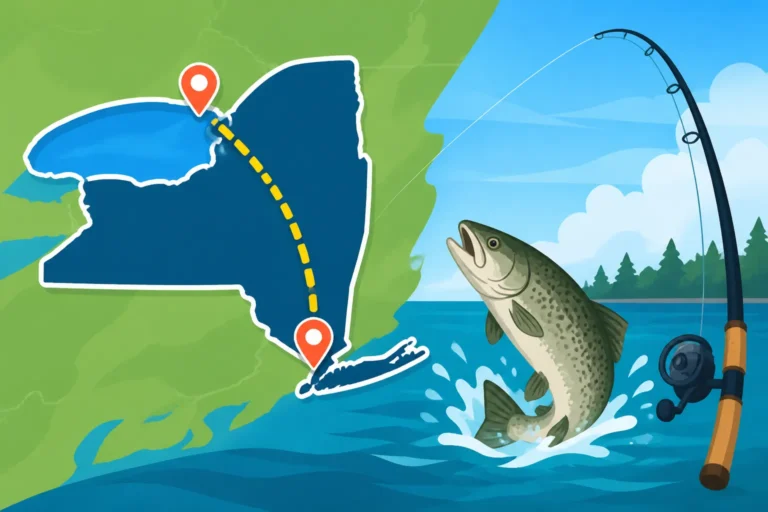
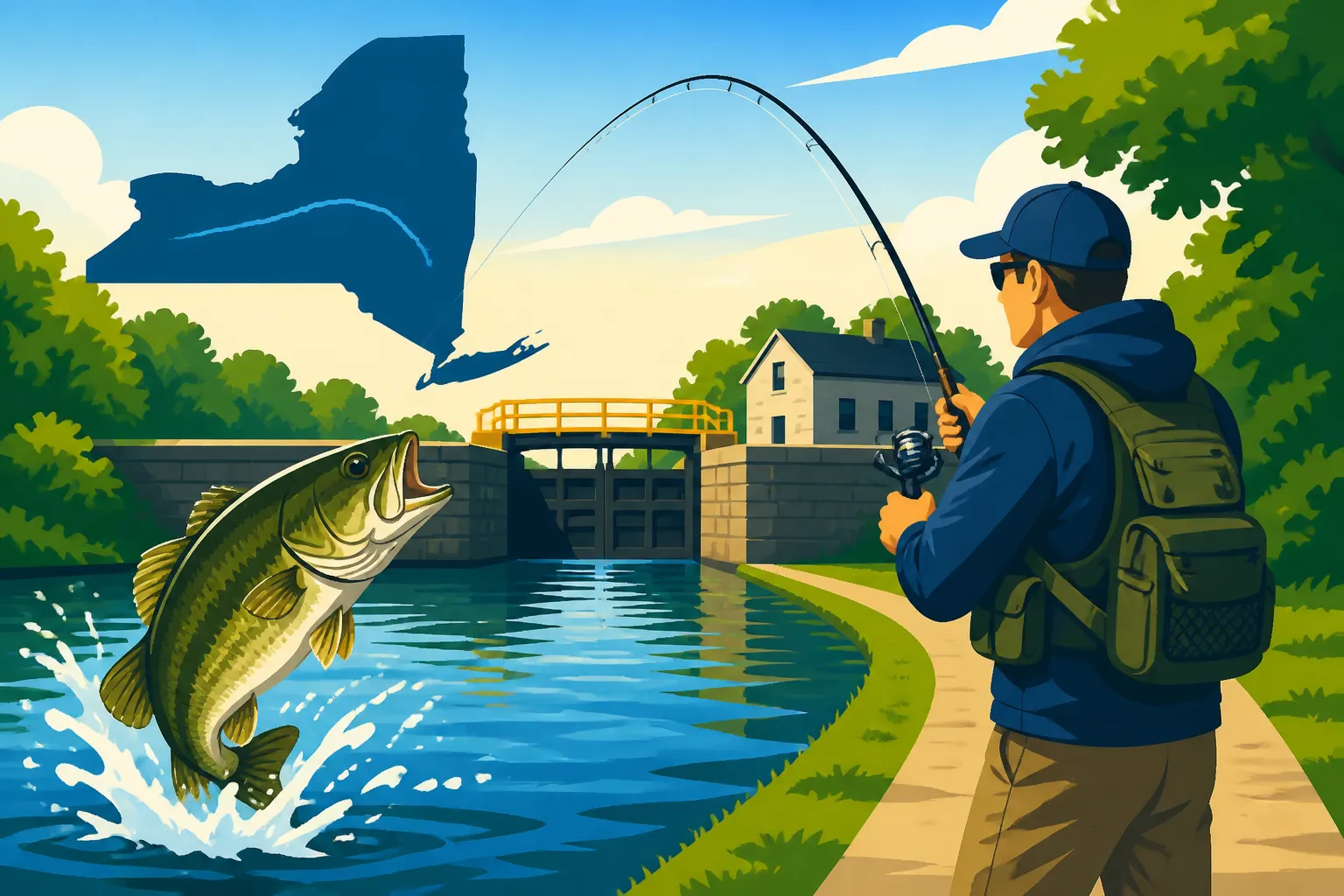
The original "Clinton's Ditch" was a marvel of engineering, and over time, it's been widened, deepened, and rerouted, eventually becoming part of the New York State Canal System. This extensive network includes the main Erie Canal, along with the Champlain, Oswego, and Cayuga-Seneca canals. Each section, from its origins near Albany and the Mohawk River to its western terminus at Lake Erie, has its own unique characteristics. The canal's consistent depth in many areas, combined with slower-moving water and abundant vegetation, creates ideal habitats for a variety of warm-water fish. Lock systems, though primarily for navigation, also create interesting current breaks and deeper pools that attract fish, making them prime targets for anglers. The constant flow and connection to larger river systems and lakes also mean a steady influx of nutrients and fish migration, maintaining a healthy ecosystem.
Navigating the Canal's Diverse Sections and Character
Fishing the Erie Canal isn't a one-size-fits-all endeavor. Its character changes dramatically as it snakes across the state. In some stretches, you'll find it resembling a placid river, with natural banks and a more rustic feel. Other sections, particularly near urban centers or where it parallels natural rivers, are highly channelized with concrete walls and industrial backdrops. East of Syracuse, the canal often runs alongside or incorporates parts of the Mohawk River, which means you're dealing with more current and a wider, deeper channel in many places. Heading west, particularly through areas like Rochester and Lockport, the canal becomes more distinct, often elevated, offering different types of fishing access and structure. Understanding these regional variations is key to planning your trip. A spot that's fantastic for shore fishing near a particular lock might be completely inaccessible or less productive a few miles down the waterway.
Prime Species to Target in the Erie Canal
The beauty of fishing the Erie Canal is its incredible biodiversity. You're not just limited to one or two species; rather, the canal offers opportunities for everything from aggressive game fish to abundant panfish. Knowing what to expect and where to find them will significantly improve your chances of success. Many of these species contribute to the overall variety of fish you can catch in New York.
Largemouth and Smallmouth Bass: Canal Powerhouses
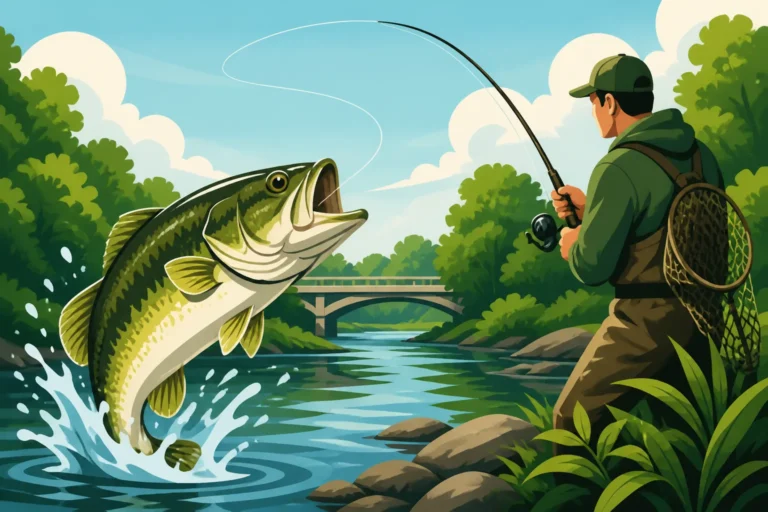
When most anglers think about fishing in New York, bass quickly come to mind, and the Erie Canal is no exception. It holds healthy populations of both largemouth and smallmouth bass, though their preferred habitats differ slightly within the canal system. Largemouth bass absolutely thrive in the canal's weed-choked sections, particularly where there are plenty of lily pads, submerged vegetation, and downed trees. They love ambush points and will often hug cover, waiting for an unsuspecting baitfish or frog to swim by. Look for them in slower-moving pockets or wider sections of the canal where current is minimal.
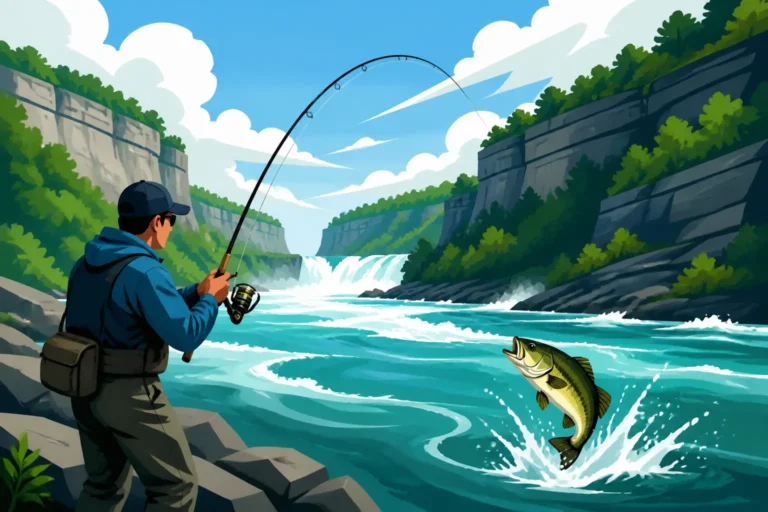
Smallmouth bass, on the other hand, prefer areas with more current and harder bottom. Think rocky stretches, rip-rap along the banks, and around the turbulent waters near dams or locks. The sections where the canal merges with or runs parallel to the Mohawk River can be particularly productive for smallmouth, as they behave more like riverine fish in these conditions. Both species offer incredible fights, and targeting them with a variety of techniques can lead to a truly rewarding day on the water.
Walleye, Perch, and Panfish: Abundant Opportunities
Beyond the bass, the Erie Canal is a fantastic fishery for various other popular species. Walleye are highly sought after and can be found in the deeper, clearer sections, particularly towards the western end of the canal, or where it connects to larger lakes. They are often most active during low-light conditions, such as dawn, dusk, or even at night. For those looking for consistent action and excellent table fare, yellow perch are incredibly abundant throughout the canal. They tend to school up, so when you find one, you've often found a whole mess of them.
And let's not forget the panfish! Bluegill, sunfish, and crappie are plentiful, offering endless fun, especially for younger anglers or those just looking to bend a rod. These species are often found in shallower, vegetated areas, making them accessible from shore. They're also relatively easy to catch, responding well to small baits and simple presentations. The abundance of these smaller fish creates a strong forage base for the larger predators, making the canal a well-balanced ecosystem.
Carp and Catfish: The Canal's Strong Fighters
For anglers who appreciate a powerful fight and don't mind targeting species often overlooked, the Erie Canal is a mecca for carp and channel catfish. Common carp are ubiquitous throughout the canal system. They grow to impressive sizes, offering a truly challenging battle on appropriate tackle. They are often found rooting around in the muddier bottoms, feeding on insects, crustaceans, and plant matter. European carp fishing techniques, using hair rigs and specialized baits, can be incredibly effective here, but a simple corn or doughball offering will also draw them in.
Channel catfish are another fantastic option, especially during the warmer months and into the evening. They are opportunistic feeders and have a keen sense of smell, making stink baits, cut bait, or even chicken livers highly effective. Catfish often congregate in deeper holes, around submerged structures, or near the mouths of tributaries flowing into the canal. Both carp and catfish provide excellent opportunities for night fishing, as their activity often peaks after the sun goes down.
Essential Techniques and Baits for Erie Canal Success
Fishing the Erie Canal successfully often comes down to understanding the environment and adapting your techniques accordingly. Given the canal's varied landscape and the diverse species it holds, a flexible approach is always beneficial. Whether you're casting from the bank or exploring by boat, having the right gear and knowledge is paramount.
Shore Fishing and Bank Access Strategies
One of the greatest advantages of the Erie Canal is its widespread accessibility for shore anglers. Many sections have well-maintained recreation trails that run alongside the water, offering countless access points. Docks, bridges, and culverts are natural congregating spots for fish and often provide excellent casting positions. When fishing from shore, focus on areas with visible structure: fallen trees, brush piles, rocky outcrops, or abrupt changes in depth. These features provide cover for fish and concentrate their feeding activity.
A medium-action spinning rod with 8-12 lb test line is a versatile setup for most canal shore fishing. For bass, try casting jigs, soft plastics (like worms or creature baits), or shallow-diving crankbaits parallel to the bank or into any weed lines. For panfish, a simple bobber and hook setup with a worm or minnow is often all you need. Always be mindful of your surroundings, especially if you're fishing near active locks or areas with boat traffic. Exploring different access points along the canal, perhaps using the "New York's Erie Canal Fishing Guide" (if it existed as an internal link, it would be here) to identify public areas, can reveal hidden gems.
Boat and Kayak Fishing Tactics
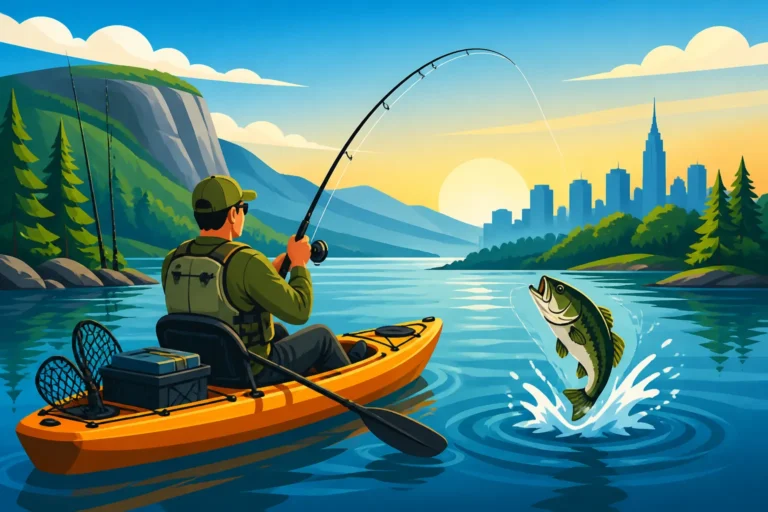
While shore fishing is popular, having a boat or kayak opens up a whole new world of opportunities on the Erie Canal. Boats allow you to cover vast distances, explore deeper channels, and access structures far from shore. Kayaks are particularly effective for navigating shallower, weedier sections where bass love to hide, or for quietly approaching fish in less pressured areas. Look for deeper sections, sometimes marked by navigation buoys, where walleye might hold. Trolling crankbaits or jigs along these deeper channels can be productive, especially during low-light hours.
When fishing from a boat or kayak, you can also leverage your fish finder to locate schools of baitfish or larger fish relating to submerged structures. Target bridge pilings, lock walls, and any significant underwater contours. For bass, pitching jigs or Texas-rigged soft plastics into dense cover that's inaccessible from shore is a highly effective tactic. Remember to adhere to all boating safety regulations, including wearing life jackets and understanding the rules of navigation on the canal. For those without their own vessel, services like FishingBooker can help you find local guides or boat rentals that cater to canal fishing adventures.
Lures and Baits That Consistently Produce
The Erie Canal's diverse fish populations mean that a variety of baits and lures will have their day. For bass, classic options like plastic worms (Texas-rigged or wacky-rigged), spinnerbaits, chatterbaits, and crankbaits that mimic local baitfish are always solid choices. Topwater lures can be incredibly exciting during early mornings or late evenings, especially over lily pads or emergent vegetation. Jerkbaits are also highly effective for smallmouth bass, particularly when fishing the clearer, more current-rich sections.
For walleye, jigs tipped with minnows or soft plastic paddletails, as well as deep-diving crankbaits, are go-to options. Live bait, such as shiners or nightcrawlers, fished on a slip-sinker rig, can also be deadly. Perch and other panfish will readily take small jigs, tiny spinners, or live bait like worms or grub-tipped hooks under a bobber. And for the canal's strong carp and catfish, you can't go wrong with corn, dough balls, or potent stink baits for catfish. For channel catfish, using cut bait can also be very effective. Having a versatile tackle box that covers these options will ensure you're ready for whatever the canal throws your way.
Navigating Regulations and Seasonal Considerations
Understanding the rules and the rhythms of the seasons is crucial for any angler, and the Erie Canal is no exception. New York State has specific regulations designed to protect fish populations and ensure sustainable fishing for everyone. Being informed not only keeps you compliant but also helps you plan your trips for maximum success. The New York Fishing Regulations Explained guide can provide a lot of detail, but here we’ll focus on what's most relevant to the canal.
Understanding New York State Fishing Regulations on the Canal
The Erie Canal falls under New York State's freshwater fishing regulations. This means you'll need a valid New York fishing license if you're 16 years of age or older. You can easily obtain a New York Fishing License online through the DEC website or from various license vendors across the state. It's important to remember that general statewide regulations usually apply to the canal, but there might be specific exceptions or special regulations for certain sections, especially where it merges with or is influenced by larger bodies of water like Lake Erie or the Mohawk River. Always consult the current New York Freshwater Fishing Rules and regulations guide published by the DEC before you head out.
Key regulations to pay attention to include:
- Creel Limits: The maximum number of fish of a certain species you can keep in a single day.
- Minimum Size Limits: The smallest length a fish must be to be legally kept.
- Open Seasons: Specific dates during which you are allowed to harvest certain fish species. For example, knowing the New York Bass Season Dates is vital.
- Prohibited Baits: Certain baits (like certain invasive species) may be banned to prevent the spread of disease or non-native organisms.
Familiarizing yourself with these rules is not just about avoiding penalties for fishing without a license in New York; it's about being a responsible angler and contributing to the health of the fishery.
Best Times of Year to Fish Different Sections
The Erie Canal offers fishing opportunities almost year-round, but the best time to target specific species varies significantly with the seasons.
- Spring (April-May): As ice melts and water temperatures rise, fish become incredibly active. This is a prime time for walleye and yellow perch as they move into shallower areas to feed and spawn. Bass also become more active, especially largemouth preparing for their spawn. The canal's tributaries will also see runs of other species.
- Summer (June-August): Warm water means active bass, panfish, carp, and catfish. Early mornings and late evenings are often the most productive times, as midday heat can push fish into deeper, cooler water or dense cover. Night fishing for catfish and walleye can be excellent during summer.
- Fall (September-November): The canal really shines in the fall. As water temperatures cool, fish feed aggressively in preparation for winter. This can be fantastic for trophy-sized bass, walleye, and northern pike (if present in your section). The fall is often considered one of the best times of year to fish in New York overall.
- Winter (December-March): Ice fishing is a popular activity on many parts of the Erie Canal, especially in its wider, shallower sections that freeze solid. Walleye, perch, and panfish are common targets through the ice. Always exercise extreme caution and check ice thickness before venturing out. For more on this, check out our guide on Ice Fishing in New York: A Complete Guide.
The specific section of the canal you're fishing also influences the "best" time. Areas closer to Lake Erie might see different patterns than those near the Mohawk River or urban areas.
Finding the Best Fishing Spots Along the Canal
With hundreds of miles of water, pinpointing the best fishing spots on the Erie Canal can feel like a treasure hunt. However, by understanding common fish behavior and key canal features, you can significantly narrow down your search and find productive water. The canal's accessible nature means there are opportunities for anglers of all skill levels, whether you're looking for an easy bank access spot or a place to launch your boat.
Popular Hotspots from Albany to Buffalo
The Erie Canal offers a plethora of well-known and hidden gems for fishing. Let's look at some areas that consistently produce:
- Eastern Section (Albany to Utica): This stretch often overlaps with or runs parallel to the Mohawk River. Look for areas where the canal truly becomes riverine. Tributaries entering the Mohawk/Canal system are often hotspots, especially during spring and fall. The lock systems (like Lock E-8 in Rotterdam or Lock E-13 in St. Johnsville) create current breaks and deeper pools, attracting bass, walleye, and panfish. Public access sites along the Mohawk River, which often double as canal access, are excellent for casting. Fishing New York's Mohawk River provides additional detail on this important waterway.
- Central Section (Utica to Syracuse): This area sees the canal become more distinct from natural rivers in many places, though it still has strong connections to lakes like Oneida Lake. Look for wider, slower sections with ample vegetation for largemouth bass. Bridges, culverts, and any man-made structures provide cover and ambush points. Near Rome, the canal can offer good panfish action. Areas closer to Syracuse, where the canal connects to the larger Oneida Lake, can be excellent for walleye and yellow perch, especially in the spring.
- Western Section (Syracuse to Buffalo): As you head west, particularly through Rochester and toward Lake Erie, the canal becomes more heavily channelized in some areas but also connects to significant natural features. The Genesee River in Rochester, where it meets the canal, is a major hotspot, especially for brown trout and steelhead that can migrate into the lower canal from Lake Ontario (though this is less common directly in the canal itself, more in its connected tributaries). The wider sections near Lockport and Tonawanda, closer to Lake Erie, are renowned for their walleye and smallmouth bass fishing. The sheer volume of water and connection to the Great Lakes makes these areas very productive. Consider using resources like FishingBooker to connect with local guides who specialize in these western canal fisheries.
Identifying Productive Structure and Cover
Fish, much like people, are drawn to certain features in their environment. In the relatively uniform environment of the Erie Canal, any deviation from the norm becomes a magnet for fish.
- Weed Beds and Submerged Vegetation: These are absolute gold mines for largemouth bass, pike, and many panfish species. They offer cover from predators, ambush points for feeding, and a rich ecosystem for insects and baitfish. Look for dense patches of lily pads, submerged grass, or cattails along the banks. Learning how to fish for largemouth bass in weeds is a key skill here.
- Rip-Rap and Rocky Banks: These areas, often found along bridge abutments, causeways, or reinforced canal banks, provide excellent habitat for smallmouth bass and walleye. The rocks offer current breaks, hiding spots, and attract crayfish, a favorite food source.
- Bridges, Docks, and Culverts: Any man-made structure that extends into or over the water will attract fish. The shade they provide, the current breaks they create, and the underwater pilings or debris often associated with them make them prime locations. Fish will often hold tight to these structures, so precise casting is key.
- Lock Systems and Dams: The turbulence and deeper water around the canal's lock systems and any associated dams are natural fish concentrators. The changes in water flow and depth create feeding lanes and resting areas. Always exercise extreme caution when fishing near active locks or dam structures due to strong currents and changing water levels.
- Tributary Mouths: Where smaller creeks or rivers flow into the Erie Canal, you'll often find a surge of nutrients, baitfish, and often cooler water. These confluence points are excellent places to target, especially during periods of higher flow after rain.
By focusing your efforts on these types of structures and covers, you'll greatly increase your chances of finding and catching fish along the vast and diverse Erie Canal.
Disclaimer
Fishing involves inherent risks, and conditions on the Erie Canal can change rapidly. Always prioritize safety, wear appropriate personal flotation devices when on the water, and be aware of weather conditions and local regulations. The information provided in this guide is for general informational purposes only and should not be considered a substitute for personal research or professional advice. Always consult the most current New York State Department of Environmental Conservation (DEC) fishing regulations before engaging in any fishing activities.