Top New York Lakes for Ice Fishing
As the days shorten and the chill sets in, many of us anglers find ourselves wrestling with a serious case of cabin fever. The boats are put away, the summer gear is packed, and the thought of open water seems like a distant dream. But for those of us who truly love the tug of a line, winter doesn't mean hanging up our hats; it means embracing a whole new world of adventure on the hardwater. This guide is your ticket to discovering New York's prime ice fishing destinations, offering a deep dive into the best frozen lakes where you can keep that fishing passion burning all winter long.
Embracing the Chill: Why Ice Fishing in New York is Worth It
There’s something truly magical about ice fishing. It’s not just about catching fish; it’s about the unique camaraderie, the quiet solitude of a frozen landscape, and the thrill of pulling a feisty fish from beneath a thick sheet of ice. While it might seem daunting at first glance, ice fishing in New York offers incredible opportunities for both seasoned anglers and curious newcomers alike.
The Unique Appeal of Hardwater Angling
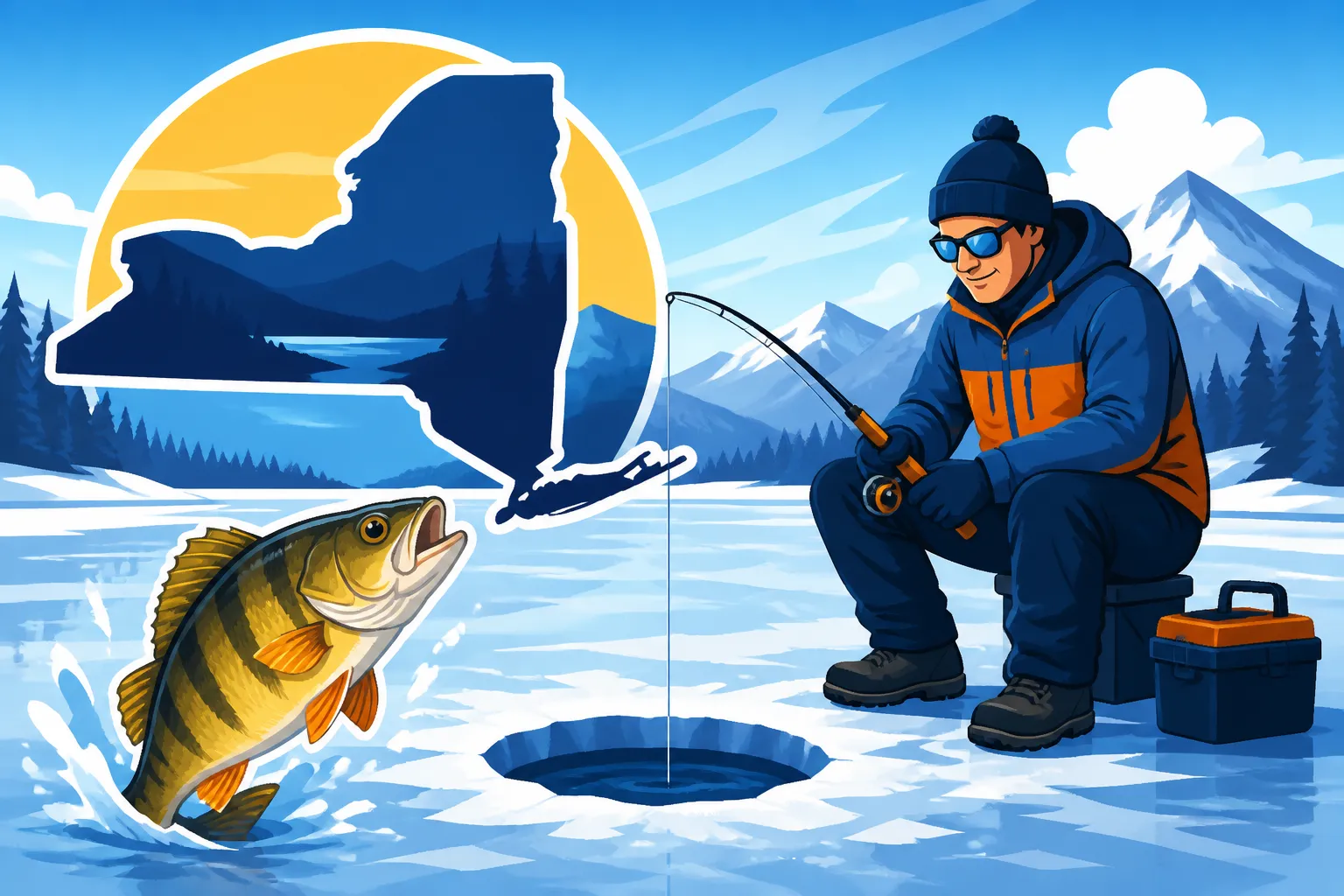
Imagine a blanket of pristine white snow covering the rolling hills around a glassy, frozen lake. The air is crisp, the sun glints off the ice, and the only sound is the gentle whine of an auger or the excited chatter of fellow anglers. This isn't just a picturesque scene; it's the reality of hardwater angling. Unlike open water fishing, ice fishing often brings anglers closer together, huddling in shanties, sharing tips, and celebrating catches. It’s a social event, a chance to reconnect with friends and family in a unique outdoor setting. Moreover, many fish species, particularly walleye, perch, and lake trout, become incredibly active and concentrated under the ice, often making for some of the most productive fishing trips of the year. The lack of current and the contained environment can also make it easier to target specific depths and structures where fish are holding, simplifying the hunt in some ways. It's a different rhythm, a slower pace perhaps, but every bit as rewarding, if not more so, than its open-water counterpart.
Preparing for the Elements: Safety First
Now, let's be realistic: New York winters can be brutal, and venturing onto a frozen lake requires respect for the elements and a strong emphasis on safety. Dressing in layers is absolutely non-negotiable. Think thermal base layers, warm mid-layers like fleece, and a waterproof, windproof outer shell. Your extremities are critical – invest in high-quality insulated boots, waterproof gloves or mittens, and a warm hat that covers your ears. Frostbite is a serious risk, and being underdressed can quickly turn a fun outing into a dangerous one. Beyond clothing, essentials include a spud bar or ice pick to check ice thickness as you go, especially if you're exploring new areas, and a set of ice cleats for traction. Safety starts before you even leave the shore. Always tell someone where you're going and when you expect to return. Consider carrying a throwable flotation device and always fish with a buddy, especially on larger, less familiar bodies of water. For a deeper dive into staying safe, check out our guide on how to read ice thickness for safe ice fishing.
Central New York's Hardwater Gems
Central New York is a treasure trove for ice fishing enthusiasts, boasting several large, diverse lakes that offer exceptional winter angling experiences. These aren't just any lakes; they're known for consistent ice and robust fish populations, making them prime destinations for those looking to wet a line in the colder months.
Oneida Lake: Walleye and Perch Paradise
Oneida Lake, often touted as New York's most productive inland fishery, truly shines in the winter for ice anglers. Its relatively shallow average depth, combined with vast expanses of fertile waters, creates ideal conditions for robust walleye and yellow perch populations. When the lake freezes over, usually by late December or early January, anglers flock here for the incredible action. The walleye here are legendary, with many trophy-sized fish pulled through the ice each season. They often school up on the lake's extensive shoals and drop-offs, making them a prime target for jigging with spoons or small swimbaits. Many anglers also set tip-ups, often baited with live minnows, to cover more ground and entice those larger, less active fish.
But it's not just about walleye. Oneida's yellow perch fishery is simply phenomenal. You'll find schools of perch scattered throughout the lake, often in 15-30 feet of water. These feisty panfish are eager biters and provide continuous action, making them perfect for families or beginners. Small jigs tipped with spikes or wax worms are usually irresistible to them. The sheer volume of perch means you can often fill a bucket in a single outing, providing delicious table fare. Navigating Oneida's expansive ice can be a bit intimidating for newcomers, but local bait shops are an invaluable resource for current conditions and hot spots. You can also explore options on platforms like FishingBooker to find experienced local guides who can put you right on the fish and show you the ropes, especially if you're targeting specific species or unfamiliar with the lake's contours. To truly maximize your success here, knowing how to ice fish for walleye in New York will be invaluable.
Chautauqua Lake: Muskie and Panfish Hotspot
Heading west, Chautauqua Lake offers a distinctly different, yet equally exciting, ice fishing experience. While it's famous for its summer muskellunge fishery, the winter months see anglers patiently waiting for that once-in-a-lifetime muskie to appear beneath their tip-up. Chautauqua is one of the few places in New York where you have a legitimate shot at a trophy muskie through the ice, and the pursuit is an addiction for many. Massive suckers or large shiners are the bait of choice for these apex predators, typically set on heavy-duty tip-ups near weed edges or deep flats. It's a game of patience, often with long periods of waiting, but the reward of a 40-50 inch muskie charging out of the hole is an unforgettable moment.
Beyond the muskie, Chautauqua also provides excellent panfish opportunities. Black crappie are particularly abundant, often found suspended over deeper basins or congregating around structure like submerged brush piles. Small jigs, usually brightly colored or glow-in-one, tipped with a small minnow or a grub, are highly effective. Yellow perch also thrive here, offering steady action for those using similar panfish setups. The lake's two distinct basins—the north basin being deeper and the south basin generally shallower—offer varied fishing environments, so knowing which area to target for your desired species is key. Always be aware of the New York Muskellunge Minimum Size Limit before heading out.
Black Lake: Northern Pike and Crappie Haven
Nestled in the Thousand Islands region, Black Lake is another gem for hardwater enthusiasts, particularly renowned for its robust populations of northern pike and black crappie. This expansive, relatively shallow lake offers a labyrinth of bays, channels, and weed beds, providing perfect habitat for these predatory and panfish species. When the ice sets in, usually reliable and thick, anglers often set up tip-ups along the edges of the lake's numerous islands and extensive weed lines, targeting pike. Large golden shiners or suckers are the preferred bait for enticing these toothy critters, which can grow to impressive sizes here.
The crappie fishing on Black Lake is also exceptional, making it a beloved destination for panfish fanatics. Schools of crappie often hold in deeper channels or suspend around cribs and brush piles, especially during low light conditions. Small jigs, often tipped with a plastic tube or a tiny minnow, fished aggressively with a subtle jigging motion, will often produce consistent bites. The lake's diverse structure and ample forage base contribute to healthy populations, ensuring that anglers often leave with a cooler full of fish. Given its location and extensive area, researching local conditions or hiring a guide through a service like FishingBooker can be a wise choice to pinpoint the most productive areas, especially if you're not familiar with the lake's intricate layout. When targeting pike, it's always important to be familiar with New York Northern Pike Season and Limits.
Adirondack & Northern New York's Frozen Frontiers
The Adirondack Park is not just a summer paradise; its vast wilderness and countless lakes transform into a winter wonderland for ice fishing. Here, the experience is often about stunning scenery, a sense of wild adventure, and the pursuit of cold-water species like trout and salmon.
Lake George: Lake Trout and Salmon Action
Lake George, "The Queen of American Lakes," becomes a truly regal destination for ice anglers in the winter, especially for those seeking lake trout and landlocked salmon. This deep, clear lake offers breathtaking scenery, surrounded by snow-dusted mountains, and provides a challenging yet incredibly rewarding fishing experience. Lake trout are the primary target here, often found cruising the deeper parts of the lake. Anglers typically use heavy-duty tip-ups, rigged with large shiners or smelts, set at varying depths to intercept these magnificent fish. Jigging with heavy spoons or vertically jigging plastics can also be very effective, especially when paired with a good fish finder to locate schools.
The landlocked salmon in Lake George are another prized catch, known for their powerful fights and acrobatic displays. While perhaps not as numerous as the lake trout, catching one through the ice is a true accomplishment. They often inhabit similar depths as the lake trout, feeding on the same forage. Because of the lake's immense size and varying depths, understanding fish movements and typical holding patterns is crucial. Local bait shops can provide valuable, up-to-the-minute information on ice conditions and active fishing zones. For an unforgettable Adirondack experience, pursuing these species under the ice is a challenge many anglers readily embrace. To prepare, you might want to review how to ice fish for trout.
Saranac Lake Chain: Diverse Species in Scenic Settings
The Saranac Lake Chain, comprising Upper, Middle, and Lower Saranac Lakes, along with numerous smaller ponds and connecting waterways, offers an incredibly diverse ice fishing landscape within the heart of the Adirondacks. This chain is celebrated for its mix of cold-water and warm-water species, appealing to a wide range of anglers. For those seeking trout, you can find brook trout, rainbow trout, and lake trout in various parts of the chain, especially in the deeper, colder sections. Jigging small spoons or offering live bait on tip-ups are common and effective methods. The reward is not just the fish, but the stunning, wild Adirondack backdrop that makes every catch feel even more special.
Beyond trout, the Saranac Chain also holds healthy populations of northern pike, yellow perch, and panfish. Pike are often found lurking along the weed edges and shallower bays, readily taking large shiners on tip-ups. The perch and other panfish provide steady action, particularly for families and those looking for consistent bites. The interconnected nature of these lakes means you have a vast area to explore, but it also means checking local regulations carefully, as special regulations may apply to certain waters within the chain. The accessibility of some areas, combined with the wild beauty of others, makes the Saranac Lake Chain a premier multi-species ice fishing destination.
Indian Lake: Remote Trout and Salmon Opportunities
For anglers who prefer a more remote and serene ice fishing experience, Indian Lake, also nestled deep within the Adirondacks, offers exceptional opportunities for wild trout and landlocked salmon. This large, pristine lake is known for its rugged beauty and the challenge of accessing some of its more secluded fishing grounds. When the ice is safe, it attracts those looking to escape the crowds and immerse themselves in the quiet solitude of the Adirondack wilderness. Lake trout are a primary target here, often caught by jigging heavy spoons or setting tip-ups with large minnows in deep water. These lake trout tend to be robust and fight hard, reflecting their wild upbringing.
Landlocked salmon are also present, providing another exciting cold-water challenge. Anglers targeting salmon often use smaller, quicker presentations, focusing on shallower, open water areas where these pelagic feeders might cruise. The remote nature of Indian Lake means you need to be self-sufficient and prepared for true winter conditions. Cell service can be spotty, and amenities are often a drive away. However, for those willing to make the trek, the reward is an unparalleled angling experience amidst some of New York's most spectacular winter scenery, far from the hustle and bustle of more popular spots. It’s the kind of place where a hot cup of coffee and a warm shanty feel like pure luxury after battling the cold and landing a beautiful fish.
Western & Finger Lakes Region: Icy Diversity
The western and Finger Lakes regions of New York offer a diverse array of ice fishing opportunities, ranging from the vastness of Lake Erie to the deep, glacial Finger Lakes. These areas provide unique challenges and incredible rewards for anglers willing to brave the winter chill.
Lake Erie Bays & Harbors: Perch and Walleye Near the Shore
While the main basin of Lake Erie can be notoriously dangerous and unpredictable for ice fishing due to its sheer size and exposure, its protected bays and harbors offer fantastic, safer opportunities for hardwater anglers. Areas like Buffalo Harbor, Dunkirk Harbor, and Barcelona Harbor, as well as various protected embayments, freeze over more reliably and provide excellent access. The star attractions here are undoubtedly yellow perch and walleye. The perch fishing can be absolutely phenomenal, with schools of hungry fish often congregating in these sheltered waters. Anglers frequently use small jigs tipped with emerald shiners or spikes, fishing aggressively to keep the schools active. The perch here are often large and plentiful, making for some exciting action and delicious meals.
Walleye also move into these shallower, more accessible harbors during the winter months, offering a fantastic opportunity to target these prized game fish without venturing onto the vast, open ice of the main lake. Jigging spoons or lipless crankbaits, often tipped with a minnow head, are effective for enticing walleye. Setting tip-ups with larger shiners is also a popular and productive method, especially during the low-light hours of dawn and dusk. The convenience and consistent action make these Lake Erie bays and harbors a popular choice for many Western New York ice anglers. For those looking for local expertise on current conditions or hot spots, consulting guides on platforms like FishingBooker can provide invaluable insights for a productive trip. Remember to stay updated on New York Walleye Season and Limits.
Cayuga Lake & Seneca Lake: Deepwater Challenges and Rewards
The majestic Finger Lakes, particularly Cayuga Lake and Seneca Lake, present a different kind of ice fishing challenge due to their immense depth and often unpredictable freezing patterns. These are some of the deepest lakes in New York, and reliable, safe ice can be hit or miss, usually forming only in the shallower northern or southern ends, or in specific protected coves and bays. When the ice does form safely, these lakes offer incredible opportunities for lake trout, landlocked salmon, and even some panfish. Lake trout fishing can be excellent, but requires specialized tactics for deep water. Heavy jigging spoons, sometimes tipped with a piece of cut bait, fished near structure or suspended baitfish schools, are often the key. A good fish finder is almost essential for locating these deep-water predators.
Landlocked salmon also cruise the cold, clear waters of Cayuga and Seneca, offering a thrilling fight for those lucky enough to hook into one. They often hold in the upper water column, occasionally feeding near the surface or along drop-offs. While the action might not be as fast and furious as on some shallower lakes, the size and quality of the fish caught from these deep glacial lakes are often exceptional. You might also find good panfish opportunities, particularly yellow perch, in the shallower bays and protected areas where ice forms more consistently. Given the potential variability of ice conditions on these deep lakes, always check local reports and exercise extreme caution. These lakes offer a true test of an ice angler's skill and patience, but the rewards are often well worth the effort.
Essential Gear and Safety Considerations for New York Ice Fishing
Getting out on the hardwater safely and effectively requires more than just a rod and a bucket. The right gear not only enhances your comfort but also significantly improves your chances of success and, most importantly, ensures your safety.
Must-Have Equipment for a Successful Trip
Beyond the warm layers we've already discussed, several key pieces of equipment are non-negotiable for a successful New York ice fishing trip. First, you'll need a way to get through the ice: an ice auger. Whether you opt for a hand auger for lighter, thinner ice, a powerful gas-powered auger for thick ice, or a more modern electric auger, it's your portal to the fish below. For larger lakes and consistent outings, a gas or electric auger will save you a lot of effort. Next, consider your shelter. From simple windbreaks to fully insulated portable shanties, a shelter can make a world of difference in comfort, especially on blustery days. A good shelter can even allow you to fish comfortably for hours longer than you otherwise would.
When it comes to actual fishing tackle, dedicated ice fishing rods and reels are crucial. These shorter rods, typically 24-36 inches long, are designed for sensitivity and ease of use in confined spaces. Pair them with small spinning reels spooled with quality monofilament or fluorocarbon line, depending on your target species and presentation. A variety of jigs and spoons will be your primary lures, often tipped with live bait like spikes, wax worms, or small minnows. Don't forget tip-ups, which allow you to cover more ice and often entice larger, more cautious fish with live bait. Finally, a fish finder or flasher can dramatically increase your success by showing you fish, structure, and your lure's depth, helping you pinpoint active fish. For more on what to bring, consider our guide on the best auger for New York ice fishing.
Ice Safety: More Than Just a Number
We cannot stress ice safety enough. The golden rule is: no ice is 100% safe. Always exercise extreme caution. The New York State Department of Environmental Conservation (DEC) recommends a minimum of 4 inches of clear, solid ice for safe foot travel, and at least 5-7 inches for snowmobiles or ATVs. For light trucks or cars, a minimum of 8-12 inches is recommended, but using vehicles on the ice is always risky and often discouraged unless local conditions are absolutely verified by trusted sources. Crucially, these are minimums for ideal conditions. Slushy ice, ice over moving water, or ice that has been weakened by fluctuating temperatures, springs, or pressure cracks, can be much thinner and far more dangerous, even if it appears thick.
Always check ice conditions with local bait shops, guides, or other experienced anglers before heading out. Don't rely solely on visual inspection. Use a spud bar or ice chisel to test the ice ahead of you as you walk, especially when first venturing out or exploring new areas. Carry a set of ice picks around your neck; these are vital for self-rescue if you fall through. Fish with a buddy, let someone know your plans, and carry a fully charged cell phone (though don't rely on cell service in remote areas). A throwable flotation device is also a smart addition to your safety gear. Respect the ice, stay informed, and prioritize your safety above all else. Reviewing "How to Read Ice Thickness for Safe Ice Fishing" will provide even more critical details.
Planning Your New York Ice Fishing Adventure
Embarking on an ice fishing trip in New York is an exciting prospect, but a little planning goes a long way in ensuring a successful and enjoyable outing. From finding the perfect spot to understanding the rules, preparation is key.
Finding Local Expertise and Conditions
One of the most valuable resources for any ice angler, especially when exploring a new lake, is local expertise. This often comes in the form of bait and tackle shops located near your chosen body of water. These shop owners and employees are usually avid anglers themselves and have up-to-the-minute information on ice conditions, recent catches, hot spots, and preferred baits or techniques. Don't be shy; walk in, ask questions, and support their business. They often provide reports that are more current and nuanced than general online resources. Additionally, online forums and social media groups dedicated to New York ice fishing can be excellent places to connect with other anglers, get real-time updates, and glean tips.
For those who are new to ice fishing or want to maximize their chances of success, hiring a local guide is an excellent investment. A guide knows the lake inside and out, understands fish behavior under the ice, and can provide all the necessary gear, often including shelters and electronics. This is particularly beneficial on large, complex lakes like Oneida or Lake George. Platforms such as FishingBooker allow you to easily find and book reputable ice fishing guides across New York, offering a range of trips tailored to different skill levels and target species. Utilizing these resources can transform a potentially frustrating day into a memorable and productive fishing adventure.
Regulations and Licenses: Staying Legal
Before you even step foot on the ice, it's absolutely crucial to ensure you're in compliance with New York State's fishing regulations and licensing requirements. All anglers aged 16 and older need a valid New York fishing license to fish in freshwater. This applies whether you're targeting trout, walleye, pike, or panfish. You can purchase a license online through the DEC website, at various licensed agents (like sporting goods stores), or at town clerk offices. For a comprehensive overview, our New York Fishing License Guide is a great place to start.
Beyond the general license, familiarize yourself with the specific regulations for the lake you plan to fish. New York's fishing regulations can vary significantly from one body of water to another, even for the same species. These variations can include different season dates, daily catch limits (bag limits), and minimum/maximum size limits. For example, the walleye season and limits on Oneida Lake might differ from those on Lake Erie. Always consult the most current New York Fishing Regulations Explained guide published by the DEC, either online or in print. Pay close attention to special regulations for individual waters, which are typically listed in the back of the regulation booklet. Failing to adhere to these rules can result in significant fines and penalties, so take the time to know before you go!
Here’s a quick overview of some popular New York ice fishing lakes:
| Lake Name | Region | Primary Target Species | Typical Ice Season | Key Features / Tips |
|---|---|---|---|---|
| Oneida Lake | Central New York | Walleye, Yellow Perch | Dec – Mar | Extensive shoals; great for tip-ups and jigging. |
| Chautauqua Lake | Western New York | Muskie, Crappie, Yellow Perch | Jan – Mar | Trophy muskie potential; two distinct basins. |
| Black Lake | Thousand Islands | Northern Pike, Crappie | Jan – Mar | Shallow, weedy; excellent for panfish & aggressive pike. |
| Lake George | Adirondacks | Lake Trout, Landlocked Salmon | Jan – Mar | Deep, clear water; scenic; requires patience for large fish. |
| Saranac Lake Chain | Adirondacks | Diverse (Trout, Pike, Perch) | Jan – Mar | Multiple interconnected lakes; varied habitats. |
| Lake Erie Bays | Western New York | Yellow Perch, Walleye | Dec – Mar | Sheltered harbors offer safer ice than main lake. |
| Cayuga/Seneca Lake | Finger Lakes | Lake Trout, Landlocked Salmon | Jan – Mar (variable) | Deep glacial lakes; ice forms slower; target shallower ends. |
Disclaimer
The information provided in this guide is for general informational purposes only and is subject to change. Fishing regulations, ice conditions, and fish populations can vary. Always consult the official New York State Department of Environmental Conservation (DEC) regulations and local authorities for the most current and accurate information before planning any fishing trip. Ice conditions can be extremely dangerous; always prioritize safety and never venture onto unsafe ice.