Best Fishing Spots in Central Park
Living in New York City, it's easy to feel like you're miles away from anything resembling a peaceful fishing spot. Many urban dwellers resign themselves to long drives upstate or out to Long Island just to cast a line. But what if I told you that one of the city's most iconic green spaces, Central Park, actually offers some surprisingly good, and entirely legal, fishing opportunities right in the heart of Manhattan? This guide is going to walk you through everything you need to know about fishing in Central Park, from where to go to what you can expect to catch.
Discovering Central Park's Hidden Fishing Havens
Central Park is a sprawling oasis, and while many parts are designed for strolling, picnicking, or sports, there are specific bodies of water that welcome anglers. It's not just a rumor; people genuinely fish here, and with a little know-how, you can too. The key is understanding which areas are designated for fishing and what species call those waters home.
The Harlem Meer: A Northern Gem for Anglers
Up at the northern end of Central Park, you'll find the Harlem Meer, a beautiful, serene lake that often feels a world away from the bustling city. This is arguably the most popular and well-known fishing spot within the park, and for good reason. The Meer is regularly stocked and managed by the Central Park Conservancy, making it a reliable place to wet a line.
Imagine a Saturday morning, the sun just warming the air, and you're casting near the weeping willows that line the banks. It’s a truly tranquil experience, often shared with other families and solitary anglers. The Harlem Meer is particularly known for its thriving populations of largemouth bass, a favorite among many freshwater anglers, as well as an abundance of panfish like bluegill and pumpkinseed sunfish. You might even hook into a carp or, if you're lucky, a crappie. The Conservancy even runs youth fishing programs here during warmer months, providing free instruction and equipment, which speaks volumes about its accessibility and fishability. If you're looking for a peaceful escape without leaving the city, the Harlem Meer is an absolute must-visit.
The Pond: A Serene Southern Sanctuary
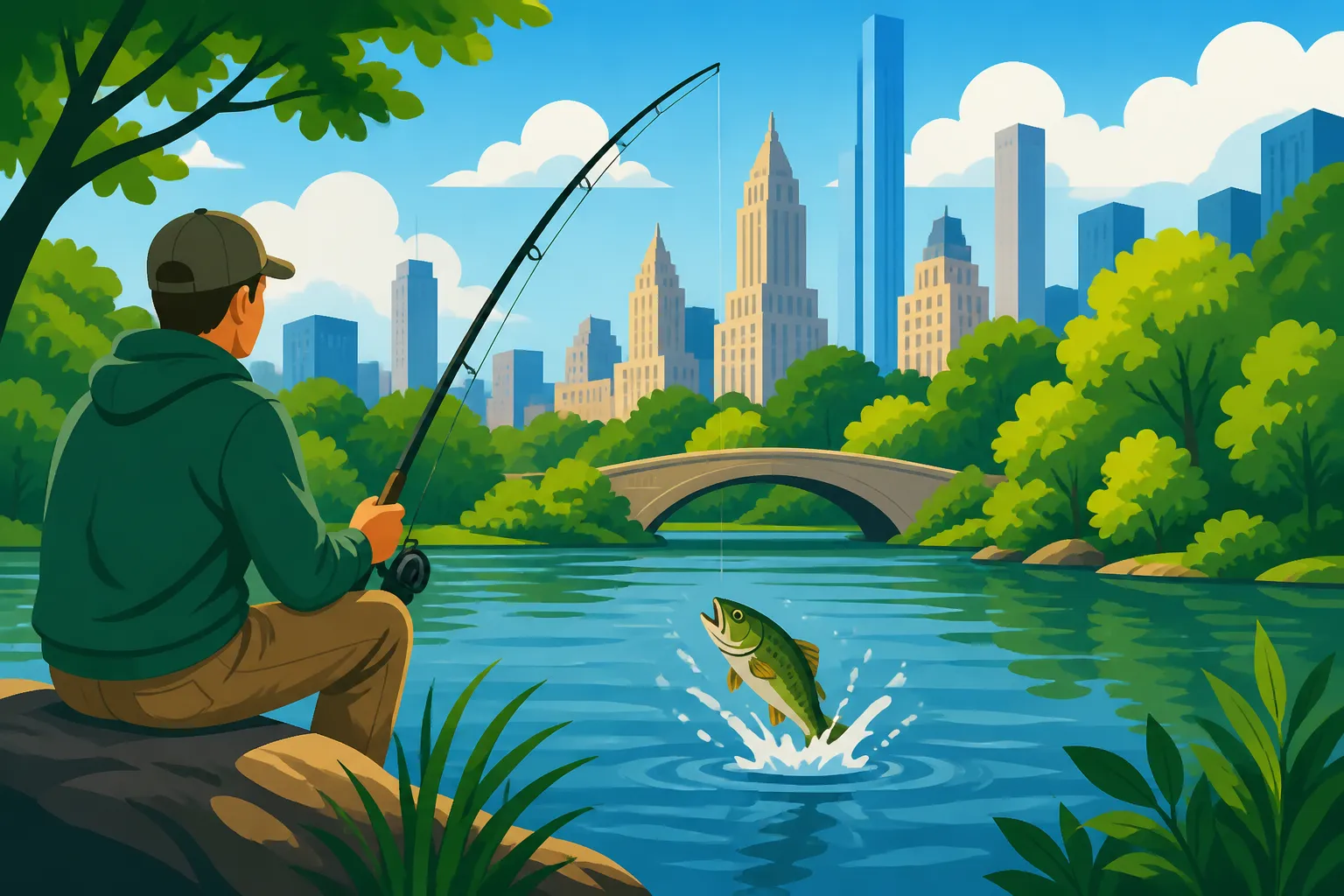
Tucked away in the southeastern corner of Central Park, just west of Fifth Avenue, lies The Pond. It’s a smaller, more intimate body of water compared to the Harlem Meer, but don't let its size fool you. This charming spot offers a surprisingly robust fishing experience for those in the know. With iconic views of the surrounding city skyline peeking through the trees, it provides a unique urban fishing backdrop.
The Pond features similar species to the Harlem Meer, primarily largemouth bass and various panfish. Because it's a bit more secluded and perhaps less immediately obvious as a fishing spot, it can sometimes offer a quieter experience. It’s a fantastic place for a quick morning or afternoon outing if you're in the lower half of Manhattan. The banks are easily accessible, and the mature trees provide ample shade on a sunny day. It's the kind of spot where you can truly appreciate the blend of nature and metropolis, a perfect little escape for an hour or two of fishing.
Central Park Lake: Limited Access, Primarily Scenic
The Central Park Lake is the largest body of water in the park, famed for its rowboats, gondolas, and the iconic Loeb Boathouse. While it might seem like a prime fishing location due to its size, fishing access here is actually much more limited. The primary purpose of the lake is recreational boating, and fishing from boats is generally not permitted unless you're part of a specific park-approved program or event.
Shoreline fishing on Central Park Lake is highly restricted to prevent conflicts with other park users and to protect the ecosystem. You'll rarely, if ever, see people fishing here. So, while it's a beautiful centerpiece of the park, it's generally not the place to head if your primary goal is to cast a line. For actual fishing, you'll have much better luck, and stay within the rules, by focusing on the Harlem Meer and The Pond. It's a great spot for a stroll or a boat ride, but not so much for angling.
Understanding Central Park's Strict Fishing Regulations
Fishing in Central Park isn't just a free-for-all; like all managed waters in New York State, it comes with specific rules and regulations designed to protect the fish populations and ensure a sustainable, enjoyable experience for everyone. Ignoring these rules can lead to fines, so it's absolutely crucial to be informed before you even think about casting your line. You might also want to brush up on the comprehensive guide to New York Fishing Regulations Explained for general rules across the state.
Catch-and-Release Only: Protecting Our Fish
Perhaps the most important rule in Central Park, and one that all anglers must adhere to, is that all fishing is strictly catch-and-release only. This means every single fish you catch, regardless of species or size, must be immediately and carefully returned to the water. There is no keeping fish for dinner from Central Park. This regulation is in place to maintain healthy fish populations in a relatively small, heavily utilized urban environment.
Responsible catch-and-release practices are paramount. This means minimizing the time the fish is out of water, handling it gently with wet hands, and using proper de-hooking tools. Avoid dragging fish on the bank or putting them on dry surfaces. The goal is to cause as little stress as possible to ensure the fish's survival after release. This rule is non-negotiable and strictly enforced by park rangers. For more detailed advice, check out our article on Catch-and-Release Handling Rules.
Tackle and Bait Restrictions: Artificial Lures and Barbless Hooks
To further support the catch-and-release policy and minimize harm to fish, Central Park has specific restrictions on the type of tackle you can use. You are only permitted to use artificial lures or flies. Live bait, dead bait, chumming, or any organic bait is strictly prohibited. This prevents the introduction of invasive species, reduces litter, and minimizes the chances of fish swallowing hooks too deeply, which is often fatal.
Furthermore, it is required to use barbless hooks. If your hooks have barbs, you must pinch them down with pliers before you start fishing. Barbless hooks make it much easier to remove the hook from a fish's mouth quickly and with minimal damage, increasing its chances of survival after release. These rules apply uniformly to all fishing areas within Central Park.
Licensing Requirements: Don't Forget Your Permit!
Just because you're in a city park doesn't mean you're exempt from state licensing laws. Anyone aged 16 or older needs a valid New York State Freshwater Fishing License to fish in Central Park. This is a common point of confusion for many new anglers or out-of-state visitors.
You can easily obtain a license online through the New York Department of Environmental Conservation (DEC) website, at a DEC office, or through various license issuing agents like sporting goods stores. Make sure to have your license on you, either a physical copy or a digital version on your phone, as park rangers do check. For more information on securing your permit, read our guide on How to Get a Fishing License in New York or specifically for visitors, Fishing License Requirements for Out-of-State Visitors to New York. Don't let the excitement of an urban fishing adventure make you forget this essential step!
| Fishing Spot | Primary Fish Species | Key Regulations | Accessibility |
|---|---|---|---|
| Harlem Meer | Largemouth Bass, Sunfish, Carp, Crappie | Catch & Release, Artificial Lures, Barbless Hooks | High (paths, youth programs) |
| The Pond | Largemouth Bass, Sunfish, Chain Pickerel | Catch & Release, Artificial Lures, Barbless Hooks | Medium (paths, some steep banks) |
| Central Park Lake | Limited/No Fishing Allowed | N/A | High (for other recreation) |
Essential Tips for a Successful Central Park Fishing Trip
Fishing in a bustling urban park like Central Park presents its own unique set of challenges and opportunities. It’s not quite like fishing a remote Adirondack lake, but with a few practical tips, you can have a surprisingly productive and enjoyable experience. Whether you’re a seasoned angler or just starting out, these insights will help you make the most of your Central Park adventure.
Best Times to Fish: Avoiding the Crowds
Timing is everything, especially in a popular public space like Central Park. While the park is generally open from 6 AM to 1 AM, the best fishing windows are typically during the early morning hours, right after sunrise, or in the late afternoon/early evening as the day starts to wind down.
- Early Mornings (Sunrise to 9 AM): This is often your best bet. The park is less crowded, the fish are typically more active in cooler water, and you'll experience a tranquil atmosphere that’s hard to find later in the day. Many anglers find success shortly after dawn, especially for bass that might be feeding in shallower waters.
- Late Afternoons/Evenings (5 PM until Dusk): As the sun begins to set, the crowds thin out, and the fish might become more active again. The softer light and cooler temperatures can create another prime feeding window. However, be mindful of park closing times, as fishing outside of designated hours is not permitted.
- Weekdays vs. Weekends: If possible, plan your trip for a weekday. Weekends in Central Park are incredibly busy, and while the fishing spots aren't as swarmed as the main paths, you'll still encounter more foot traffic and general activity, which can spook fish.
Recommended Gear: Keep it Light and Simple
Given the catch-and-release, artificial-lure-only rules, your gear selection can be quite streamlined. You don't need a heavy-duty setup for Central Park's resident fish.
- Rod and Reel: A light to medium-light spinning rod and reel combo, in the 6-foot to 7-foot range, is perfect. This setup is versatile enough for casting small lures for panfish and has enough backbone to handle a decent largemouth bass or carp.
- Line: Spool your reel with 6-8 pound monofilament or fluorocarbon line. A lighter line is less visible to fish in clearer water and allows for better casting of smaller lures.
- Lures: Focus on small artificials that mimic the natural prey in the park.
- Soft Plastics: Small finesse worms, creature baits, or swimbaits (2-4 inches) rigged weedless are excellent for bass.
- Inline Spinners: Brands like Mepps or Panther Martin in smaller sizes (size 0-2) are fantastic for sunfish, crappie, and even smaller bass.
- Small Spoons or Jigs: Crappie jigs, micro-spoons, or small casting spoons can also be effective.
- Topwater Lures: Small poppers or walking baits can be exciting to use during low-light conditions for bass.
- Essential Tools: Don't forget long-nose pliers or a hook remover for easy and safe de-hooking, especially since you'll be using barbless hooks. A small pair of line clippers and a measuring tape (though not for keeping, it's fun to know!) are also handy.
- Comfort Items: Sunscreen, a hat, water, and comfortable shoes are a must. A small backpack to carry your gear is much more convenient than a bulky tackle box when navigating a park.
Respecting the Park and Its Wildlife
Central Park is a shared space, and part of being a responsible angler here is showing respect for everyone and everything around you. This means practicing Leave No Trace principles: pack out everything you pack in, and perhaps even pick up any litter you find.
- Mind Your Surroundings: Be aware of pedestrians, cyclists, and other park-goers. Cast carefully, ensuring your line or lure doesn't pose a hazard to anyone. This isn't the place for aggressive, wide-arc casting.
- Protect the Wildlife: Beyond the fish, Central Park is home to numerous bird species, turtles, and other critters. Do not disturb nests or feeding animals. Be especially careful not to leave any fishing line behind, as it can be incredibly dangerous for wildlife if they become entangled. A discarded fishing line can act as a death trap, so always double-check your area before you leave.
- Follow Park Rules: Always remember that Is Fishing Allowed in New York City Parks? might have specific nuances by park. In Central Park, stick to designated fishing areas, respect signage, and always follow the instructions of park rangers. They are there to help ensure everyone has a safe and enjoyable experience while protecting this invaluable urban ecosystem.
If you're looking for more widespread fishing adventures around New York, exploring a platform like FishingBooker can offer insights into guided trips and other hot spots across the state, from the Finger Lakes to Long Island Sound. Even for urban angling, understanding the broader New York fishing scene can enhance your appreciation for what Central Park offers.
Fishing with Kids in Central Park
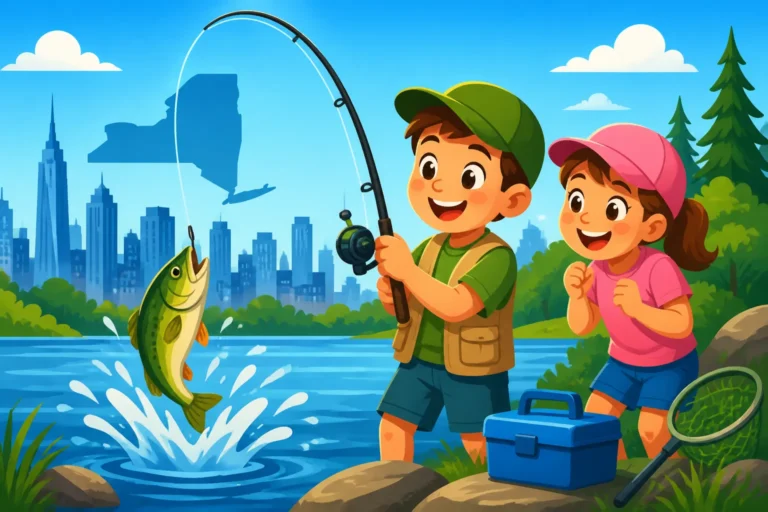
Central Park is an amazing place to introduce children to fishing. The catch-and-release policy teaches conservation from a young age, and the park’s serene environment offers a calm setting away from vehicle traffic. The Harlem Meer, in particular, is very kid-friendly and often hosts educational programs.
- Simplicity is Key: For kids, focus on simplicity. A basic spincast rod and reel, small bobbers, and tiny inline spinners or rubber worms are perfect. The joy is in the cast, the wait, and the thrilling tug on the line.
- Patience and Encouragement: Fishing requires patience, a skill kids are still developing. Be ready to help untangle lines, re-bait (with artificials, of course!), and celebrate every nibble, even if a fish isn't caught. The goal is to make it fun and educational.
- Safety First: Always supervise children closely, especially near the water's edge. Emphasize safe casting techniques and proper fish handling for catch-and-release.
- Educational Opportunity: Use the experience to teach them about different fish species you can catch in New York, the importance of healthy ecosystems, and why we practice catch-and-release in Central Park. It’s an ideal setting for learning about freshwater fish like the bluegill or largemouth bass. You might even want to consult our article on Best Fishing Spots for Kids in New York for broader options, but Central Park is certainly a top contender for city dwellers.
Beyond the Cast: The Central Park Experience
Fishing in Central Park is more than just catching fish; it's an experience that blends the tranquility of nature with the vibrant energy of New York City. It's a chance to see a different side of a world-famous landmark and to connect with the outdoors in an unexpected urban setting. While you might not land a trophy fish that makes the record books, you're almost guaranteed to create lasting memories.
You'll find that the park offers a unique opportunity to pause and observe. You might watch ducks glide by, spot a majestic heron stalking its prey along the shoreline, or simply enjoy the sounds of the city fading into the background. It's a truly restorative activity, proving that you don't always have to travel far to find a meaningful connection with nature and the sport of fishing.
For those planning an extensive New York fishing trip, perhaps booking through FishingBooker for other locations, consider adding a morning or afternoon in Central Park for a unique urban angling experience. It's a refreshing change of pace from charter fishing on Lake Ontario or fly fishing in the Catskills, offering its own distinct charm and challenge. The simple act of casting a line here serves as a powerful reminder that moments of peace and natural beauty can be found even in the busiest of places. So grab your light tackle, make sure your license is current, and head out to experience one of New York City's best-kept secrets for anglers.
Disclaimer
The information provided in this guide is for general informational purposes only and is subject to change. Always consult the official New York State Department of Environmental Conservation (DEC) regulations and Central Park Conservancy rules before fishing, as local conditions and regulations can vary. Fishing regulations, license requirements, and permitted tackle are strictly enforced.