Best Smallmouth Bass Spots on Lake Erie Near Dunkirk
It can be incredibly frustrating to hit the water on Lake Erie near Dunkirk, knowing it holds some of the best smallmouth bass fishing in New York, but not knowing where to even begin your search. Anglers often struggle with the sheer vastness of the lake and how to pinpoint those elusive, hard-fighting smallies. This guide is here to cut through the guesswork, offering you a detailed look at the prime smallmouth bass spots around Dunkirk and the tactics you’ll need to put more fish in your boat.
Why Lake Erie Near Dunkirk is a Smallmouth Bass Haven
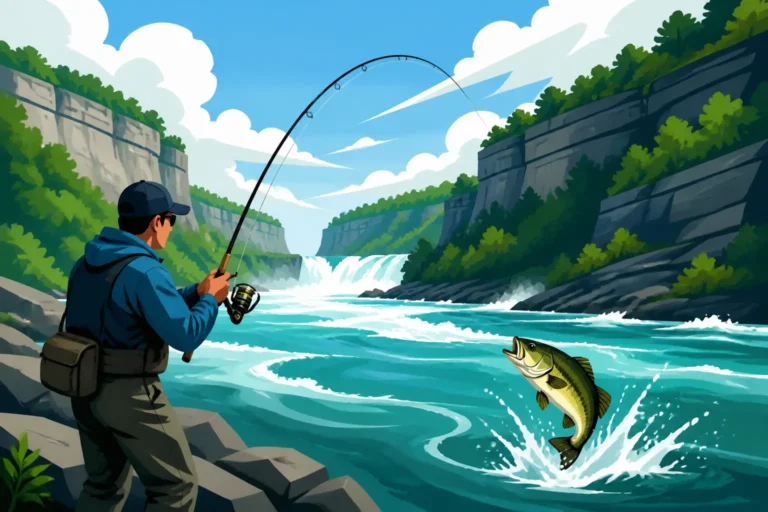
Lake Erie is renowned for its world-class smallmouth bass fishery, and the waters surrounding Dunkirk, New York, are a particular hotspot. What makes this stretch of shoreline so productive for these bronzebacks? It comes down to a perfect storm of ideal habitat, abundant food sources, and varying depths that cater to smallmouth throughout the seasons. Understanding these environmental factors is the first step to consistently finding and catching them.
Understanding Lake Erie's Unique Structure
Smallmouth bass are structure-oriented fish, meaning they love to hang around anything that offers cover, ambush points, or changes in depth. Near Dunkirk, Lake Erie delivers on this in spades. The lakebed here is a tapestry of rocky outcroppings, gravel beds, submerged shoals, steep drop-offs, and even man-made structures like breakwalls and piers. These features provide vital protection from predators, offer current breaks where smallmouth can rest, and create prime feeding lanes. Unlike many other lakes, Lake Erie's clear waters in this region mean that smallmouth rely heavily on these visual structures. You’ll often find them lurking just on the edges of a sudden depth change, ready to dart out and ambush prey.
The clear water also means that light penetration is excellent, which contributes to the growth of various aquatic vegetation in shallower areas, further adding to the complex habitat. Deeper rock piles, often found just a short distance from shore, become magnets for larger smallmouth, especially as water temperatures fluctuate throughout the year. Identifying these structural nuances, whether through bathymetric maps, sonar, or even visual cues on calm days, is paramount to your success.
The Abundance of Forage
A healthy smallmouth bass population thrives on a robust food chain, and Lake Erie near Dunkirk is a buffet for these opportunistic feeders. The primary forage species that drive the smallmouth bite here are invasive round gobies, along with native baitfish like emerald shiners and smelt. Round gobies, though a problematic invasive species, have become an undeniable staple in the smallmouth diet. These small, bottom-dwelling fish are packed with protein and are easy targets for bass, making any rocky or gravelly bottom a potential feeding ground.
Beyond gobies, schools of shiners and smelt provide open-water feeding opportunities, especially when smallmouth move away from the immediate structure. Crayfish are another significant food source, particularly in rocky areas. The sheer diversity and abundance of these baitfish mean that smallmouth bass in Lake Erie grow fast and large, often reaching impressive sizes. Knowing what the smallmouth are currently feeding on can heavily influence your lure selection and presentation, mimicking these natural prey items to trigger more strikes.
Top Smallmouth Bass Hotspots Around Dunkirk
While Lake Erie is vast, the area around Dunkirk offers several distinct zones that consistently produce excellent smallmouth bass fishing. Each spot has its own unique characteristics, offering different challenges and rewards depending on the season and fishing conditions. Targeting these specific locations will significantly increase your chances of a successful outing.
Dunkirk Harbor and Breakwalls
The Dunkirk Harbor itself, along with its extensive system of breakwalls, is a fantastic starting point for smallmouth bass. These man-made structures provide immediate, accessible habitat that attracts a variety of fish. The riprap stone that forms the breakwalls creates countless nooks and crannies where smallmouth can hide, ambush bait, and escape strong currents or harsh weather. Both the inner harbor, which offers calmer conditions, and the outer harbor, exposed to more lake action, hold fish.
During the spring and fall, smallmouth often stack up along these breakwalls as they transition to and from their spawning grounds or search for warmer water. The depths along the breakwalls can vary, from shallower sections near the shore to deeper drop-offs into the harbor channel, offering diverse opportunities. Anglers can fish from shore along certain sections of the breakwall, or by boat, casting parallel to the structure or pitching jigs into the rocks. This area is particularly productive early in the season and late into the fall.
Van Buren Bay to Barcelona Harbor
Stretching west from Dunkirk, the coastline from Van Buren Bay down towards Barcelona Harbor is dotted with natural structures that are irresistible to smallmouth. This entire section features a mixed bottom, transitioning from sand and gravel to rocky reefs and ledges. Van Buren Bay itself is a popular access point and offers some excellent shallow-water smallmouth opportunities, especially in the spring and early summer when fish are cruising for spawning areas or feeding aggressively.
As you move further west, the offshore structure becomes more pronounced. You'll find a series of submerged rock piles, humps, and subtle depth changes that act as magnets for smallmouth. These areas require good electronics to locate effectively, but once found, they can hold large schools of fish. Barcelona Harbor also has its own breakwall and public access, making it a viable option for shore anglers or those launching smaller boats. The key here is to cover water, searching for those transition zones where different bottom types meet, or where sudden depth changes create current breaks. Many anglers find the fishing along this stretch to be fantastic during summer months, especially during low light conditions or when the fish move deeper. For more details on local regulations that might apply here, check out the New York Fishing Regulations Explained.
Off the Chautauqua County Coastline Near Ripley/Westfield
For anglers looking for deeper water smallmouth and often bigger fish, the waters off the Chautauqua County coastline, particularly near Ripley and Westfield, are prime. This area boasts some of Lake Erie's most significant deep-water structure, including extensive rock reefs and dramatic drop-offs that plunge into the lake's deeper basins. The clearer water quality further west also tends to concentrate fish on these specific structures, as they stand out more.
Locating these offshore honey holes usually requires a boat equipped with quality sonar and GPS. Many of the best spots are found several miles offshore, in depths ranging from 20 to 50 feet or even more. These deeper smallmouth are often larger, less pressured, and can be incredibly powerful fighters. They tend to congregate around the highest points of submerged humps or along the sharpest breaks, where they can ambush prey moving along the bottom. This region is particularly productive during the summer and early fall when smallmouth have settled into their deeper patterns. Knowledge of New York Bass Season Dates is crucial for planning trips to these areas.
Essential Techniques and Lures for Dunkirk Smallmouth
Catching smallmouth bass consistently in Lake Erie near Dunkirk requires not just knowing where to fish, but also how to fish. These are smart, aggressive fish, but they can also be finicky, especially in clear water. Having a diverse arsenal of techniques and lures is key to adapting to changing conditions and getting those bronze beauties to bite.
Mastering Drop Shotting and Tube Jigs
When it comes to smallmouth bass in clear, deep water like Lake Erie, the drop shot rig and tube jig are almost always on the menu. These two techniques excel at presenting baits naturally and precisely in front of fish, making them deadly effective.
The drop shot rig is fantastic for vertical presentations over deep structure. It involves tying a hook directly to the main line, leaving a tag end below it to which a weight is attached. This setup allows your soft plastic bait (often a minnow or worm imitation) to suspend horizontally off the bottom, right in the strike zone, even when the boat is drifting or you're holding your position. Smallmouth can be incredibly picky, and the subtle, lifelike action of a bait on a drop shot is often enough to trigger a bite when nothing else will. Focus on slowly lifting and dropping your rod tip, letting the current impart action, or simply holding it still. Popular drop shot baits include Berkley Gulp! minnows, Z-Man Trick ShotZ, and various finesse worms.
Tube jigs are another undeniable smallmouth killer, especially when fished around rocky areas, gravel, or submerged wood. The hollow body of the tube creates a unique spiraling, darting action on the fall that perfectly mimics a dying baitfish or, more importantly, a fleeing goby. Anglers typically rig a lead-head jig inside the tube, exposing the hook point just behind the head. You can fish tubes by casting them out, letting them sink to the bottom, and then hopping, dragging, or twitching them back. They are particularly effective when smallmouth are feeding actively on gobies or are relating tightly to the bottom. Green pumpkin, watermelon, and brown are excellent color choices, mirroring the natural hues of gobies and crayfish. For more on what these fish species eat, check out our guide on What Walleye Eat, as there's some overlap in prey.
Crankbaits and Jerkbaits for Aggressive Fish
While finesse techniques dominate much of the time, when smallmouth are active and aggressive, hard baits like crankbaits and jerkbaits can be incredibly effective at covering water and triggering reaction strikes. These lures are designed to imitate fleeing or injured baitfish and can draw strikes from a distance.
Crankbaits are excellent for covering specific depth ranges, making them ideal for fishing over submerged shoals, along weed lines, or parallel to breakwalls. Choose crankbaits that dive to the depth you're targeting. For example, if smallmouth are holding in 10-15 feet of water, a medium-diving crankbait is perfect. Vary your retrieve speed, incorporating pauses and sudden jerks, to entice strikes. Colors that mimic shiners, smelt, or even gobies (brown/green patterns) are often productive. Brands like Strike King and Rapala offer excellent smallmouth crankbait options.
Jerkbaits are particularly deadly in cooler water temperatures, such as during spring and fall, or when smallmouth are suspending over deeper water. These lures are designed to be "jerking" and then paused, mimicking an injured baitfish that struggles and then floats motionless. The key to jerkbait fishing is the pause – often, the strike will come as the bait hangs tantalizingly in the water column. Longer pauses are usually more effective in colder water, while shorter, more aggressive jerks work better when fish are active. Look for jerkbaits that have a neutral buoyancy or suspend perfectly at rest. A popular choice for New York's smallmouth is the Megabass Vision Oneten or the Lucky Craft Pointer series.
Reading Your Electronics and Locating Structure
In the vastness of Lake Erie, especially when targeting deeper offshore smallmouth, your boat's electronics are your most valuable tool. Relying solely on guesswork will lead to frustration and wasted time. Modern fish finders, particularly those with side-imaging and down-imaging capabilities, can reveal the underwater world in incredible detail.
Learning to read your sonar and GPS effectively is paramount. Side-imaging can help you scan large areas for rock piles, subtle humps, or even schools of baitfish and smallmouth bass far to either side of your boat. Once you identify promising structure, down-imaging provides a clearer, photographic-like view directly beneath you, allowing you to see individual fish relating to that structure. Mark any productive spots on your GPS so you can return to them later. Pay close attention to depth contours and any sudden changes, as these are often prime holding areas. Don't just look for fish; look for the habitat that holds fish. A good fish finder can transform a day of searching into a day of catching. You might also find our guide on How to Read a Fish Finder for New York Lakes helpful for honing these skills.
Planning Your Smallmouth Bass Trip to Dunkirk
A successful smallmouth bass trip to Lake Erie near Dunkirk involves more than just knowing where the fish are and what lures to use. It also requires careful planning around seasons, understanding local conditions, and knowing how to access the best resources, including local experts.
Best Seasons and Times to Visit
Smallmouth bass fishing in Dunkirk can be fantastic almost year-round, but specific seasons offer different opportunities and challenges.
Spring (April-May): This is often considered prime time. As ice melts and water temperatures rise into the 40s and 50s Fahrenheit, smallmouth move into shallower waters to spawn. They become highly aggressive as they feed up before and after spawning. Look for them in bays, along breakwalls, and on shallow rock shoals. This is when jerkbaits, crankbaits, and spinnerbaits can be very effective. Remember that the New York Bass Season Opening Day typically has specific regulations, so always double-check the current DEC guide.
Summer (June-August): Smallmouth move deeper as water temperatures climb, seeking cooler, oxygen-rich water and larger offshore structures. This is when those deeper rock piles and ledges, particularly in the Ripley/Westfield area, become incredibly productive. Drop shotting, tube jigs, and deep-diving crankbaits are your go-to techniques. Early mornings and late evenings can also bring fish shallower to feed.
Fall (September-November): Many consider fall to be the absolute best time for trophy smallmouth. As water temperatures cool, bass embark on a major feeding binge to fatten up for winter. They can often be found in a mix of shallow and mid-depth areas, sometimes moving back to breakwalls and rocky points. This is when you can catch some of the largest smallmouth of the year, often on a variety of lures, from tubes and drop shots to crankbaits and blade baits.
Winter (December-March): While challenging, ice fishing for smallmouth in certain protected bays or areas with safe ice can be productive, though less common than targeting other species. Open water fishing is generally not feasible due to ice cover and harsh conditions. If you're looking for New York Ice Fishing Rules, be sure to consult the official DEC guidelines.
Finding Guides and Charters
For anglers new to Lake Erie or those looking to maximize their time on the water, hiring a local fishing guide or charter can be an invaluable investment. These professionals spend countless hours on the lake and possess intimate knowledge of current fish patterns, hotspots, and the most effective techniques. A good guide can significantly shorten your learning curve and put you on fish quickly.
You can find reputable guides by searching online, asking at local bait shops in Dunkirk, or through online booking platforms. Websites like FishingBooker are excellent resources, allowing you to browse numerous local captains, compare their offerings, read reviews from other anglers, and book a trip directly. A Lake Erie smallmouth charter will typically provide all the necessary gear, bait, and often even clean your catch. They can teach you specific techniques and help you understand the nuances of the lake. Booking through a platform like FishingBooker ensures transparency and often offers a wider selection of experienced professionals catering to different group sizes and budgets. Whether you're interested in a full-day adventure or a shorter trip, you'll find options to suit your needs.
Even if you have your own boat, a day with a guide can teach you how to read the local structure with your electronics and interpret the subtle signs that indicate smallmouth presence. For those interested in deeper insights, our guide on How to Choose a New York Fishing Charter provides comprehensive advice.
Dunkirk Smallmouth Bass Hotspots & Tactics Summary
To give you a quick reference point for your next trip, here’s a summary of the prime locations and the tactics that shine in each.
| Hotspot Name | Primary Structure | Typical Depths (Feet) | Key Seasons | Recommended Lures/Techniques |
|---|---|---|---|---|
| Dunkirk Harbor & Breakwalls | Riprap, rock piles, channel edges | 5-25 | Spring, Fall | Tube jigs, Jerkbaits, Drop Shots |
| Van Buren Bay | Sand flats, gravel, sparse weeds | 5-15 | Spring, Early Summer | Spinnerbaits, Shallow Crankbaits, Tubes |
| Barcelona Harbor Area | Mixed bottom, submerged rocks, ledges | 10-30 | Spring, Summer, Fall | Drop Shots, Tube jigs, Crankbaits |
| Ripley/Westfield Offshore | Deep rock reefs, humps, sharp drop-offs | 20-50+ | Summer, Fall | Drop Shots, Deep Crankbaits, Tube jigs |
This table should serve as a useful starting point, but always remember that fish move, and conditions change. Flexibility and observation are key to consistent success on Lake Erie.
Disclaimer
Fishing regulations, seasons, and licensing requirements can change. Always consult the most current New York State Department of Environmental Conservation (DEC) regulations guide before heading out on the water. This information is provided for general guidance and informational purposes only.