Best Fishing Spots on Long Island’s North Shore
Finding truly productive fishing spots on Long Island's North Shore can feel like a secret handshake among seasoned anglers, often leaving newcomers frustrated and casting into empty waters. Between the intricate coves, dynamic tidal flows, and varying depths, knowing where to drop a line and what to expect is half the battle. This comprehensive guide will peel back the layers, revealing some of the best public access points and strategic insights to help you unlock the fantastic fishing opportunities this unique coastline has to offer.
Understanding Long Island's North Shore Fishing Landscape
Long Island's North Shore, stretching along the captivating expanse of the Long Island Sound, presents a truly distinct fishing experience compared to its South Shore counterpart. The geological formation here, carved by ancient glaciers, has created a rugged coastline characterized by bluffs, rocky outcroppings, and numerous harbors, bays, and estuaries. This intricate structure translates directly into diverse aquatic habitats, offering a haven for a wide variety of fish species.
Unique Characteristics of the North Shore
Unlike the Atlantic-facing South Shore with its expansive sandy beaches and heavy surf, the North Shore's waters are generally calmer, protected by the mainland of New York and Connecticut. However, "calmer" doesn't mean stagnant; the Long Island Sound is a tidal estuary, experiencing strong currents and significant water movement, especially around points, inlets, and deeper channels. The bottom structure is predominantly rocky, interspersed with sand, mud flats, and lush eelgrass beds, providing ideal ambush points and foraging grounds for many species. You'll often find deeper water closer to shore in many areas, making it accessible for shore-bound anglers to reach good fishing grounds without needing a boat. The water tends to be cooler in many pockets, especially in spring and fall, influencing fish migration and feeding patterns. Furthermore, the numerous harbors – like those in Port Jefferson, Northport, and Oyster Bay – act as nurseries and feeding grounds, concentrating baitfish and, consequently, predator species.
Prime Target Species in North Shore Waters
The diverse environment of the North Shore attracts a fantastic array of fish, making it a dynamic fishery throughout the seasons. Understanding what you're likely to encounter is key to tailoring your approach.
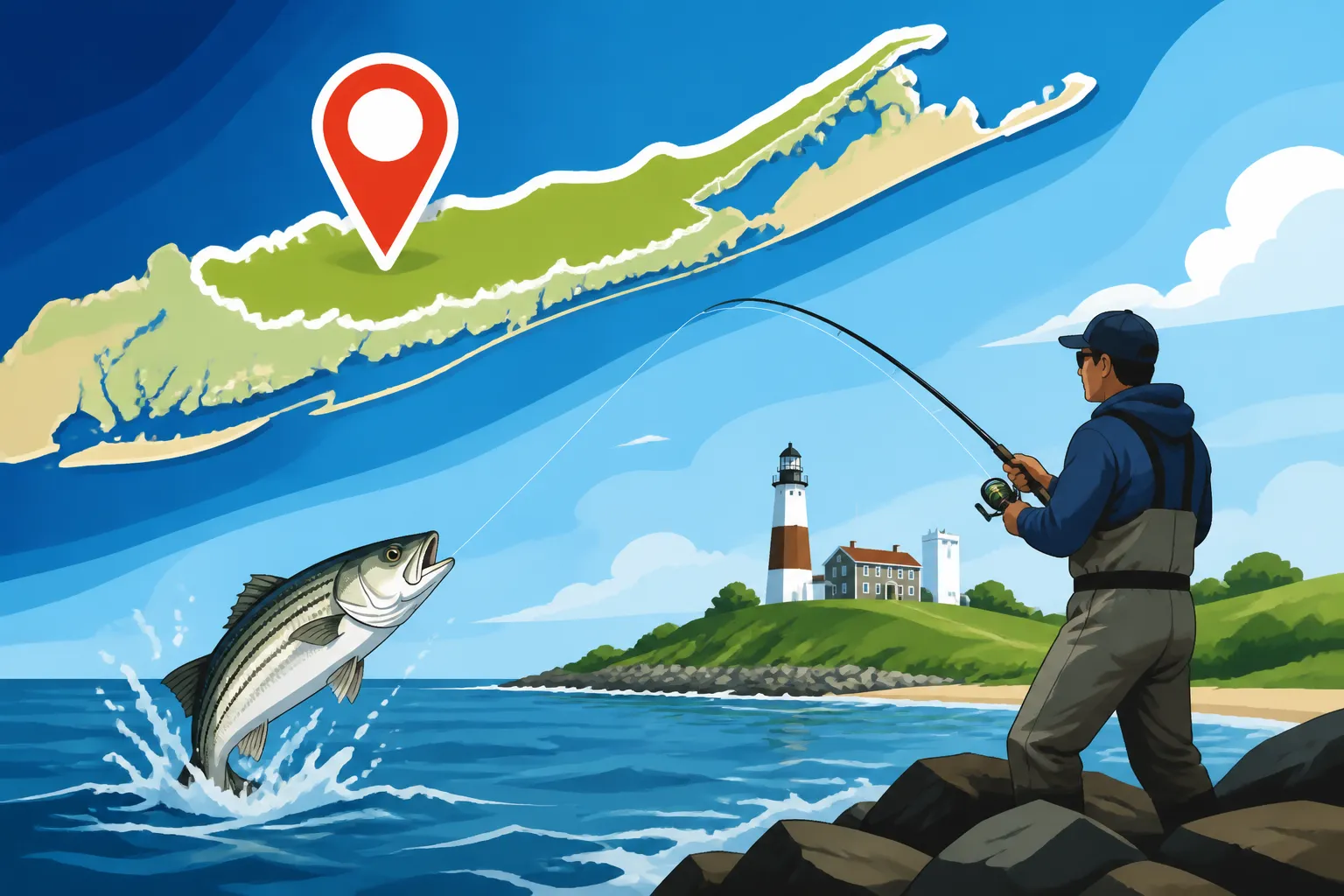
- Striped Bass (Stripers): Without a doubt, the striped bass is the undisputed king of the North Shore. These powerful, migratory predators frequent the Sound from early spring through late fall. They love to ambush baitfish around rocky structure, in current rips, and along the edges of channels. You can catch them from shore, especially during dawn and dusk, or from a boat by trolling, drifting, or casting. For a deeper dive, check out our guide on how to fish for striped bass in New York.
- Bluefish: The "chopper" of the Sound, bluefish are aggressive, toothy, and put up a fantastic fight. They often run in schools, tearing through baitfish with ferocity. While not as prized for eating as stripers, they offer incredible action, particularly in mid-summer. Like stripers, they patrol rips, channels, and harbor mouths. If you're targeting these, our article on bluefish fishing on Long Island Sound, New York offers excellent insights.
- Fluke (Summer Flounder): These delicious flatfish are a summertime staple. They prefer sandy or muddy bottoms, often adjacent to structure, where they lie in wait to ambush baitfish or squid. Fluke fishing is typically a drift fishing game from a boat, but shore anglers can target them effectively in sandy-bottomed channels and jetties. For specific techniques, consider reading about fluke fishing on Long Island Sound.
- Porgy (Scup): Don't let their smaller size fool you; porgies are incredibly abundant, easy to catch, and surprisingly good table fare. They gather in large schools, preferring hard bottoms, rocky areas, and mussel beds. They are a perfect target for family fishing trips or when you just want consistent action.
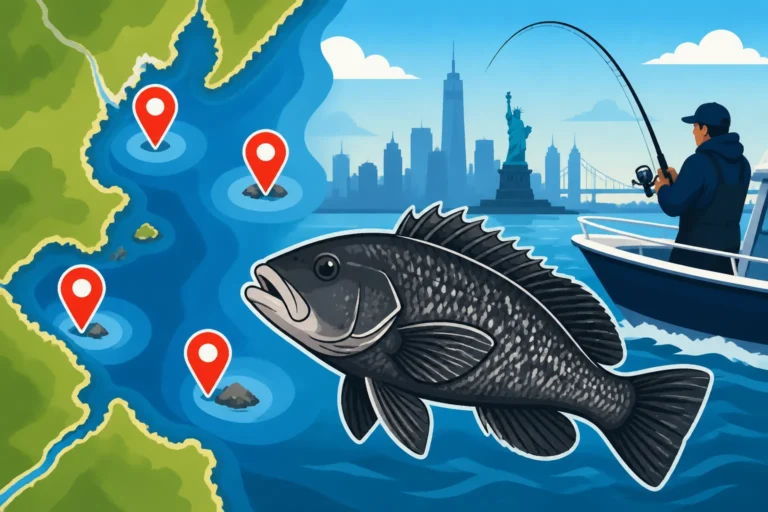
- Tautog (Blackfish): For the angler who loves a challenge, tautog are hard-fighting, structure-loving fish. They are often found around rocky reefs, jetties, and bridge pilings, especially during the cooler months of spring and fall. Their bite can be subtle, but once hooked, they fight like crazy, trying to get back into the rocks.
- Weakfish: Known for their beautiful iridescent colors and delicate mouths, weakfish are another migratory species that grace the North Shore. They often follow schools of baitfish into estuaries and bays, offering exciting light tackle opportunities, particularly in spring and early summer.
- Black Sea Bass: With regulations varying by season, black sea bass are a popular catch, especially around rocky bottom structures and wrecks. They are excellent eating and provide consistent action.
Top Public Access Fishing Spots on the North Shore
One of the greatest assets of Long Island's North Shore is the abundance of public access points, offering shore-bound anglers fantastic opportunities without the need for a boat. From bustling town docks to serene state parks, there’s a spot for every preference. Remember that specific regulations, like New York fishing license requirements and catch limits, apply to all these locations, so it's always wise to check the latest New York fishing regulations explained before you head out.
Western Suffolk County Hotspots
Moving eastward from Nassau County, Western Suffolk offers some excellent and easily accessible fishing.
- Huntington Harbor and Crab Meadow Beach: Huntington Harbor is a large, deep natural harbor that provides shelter and feeding grounds for many species. You can fish from public docks or try shore access along various points. Crab Meadow Beach, a short drive from Huntington, offers excellent opportunities for striped bass and bluefish, especially around the outflows and tidal currents. The fishing pier here is a popular spot for porgies, snapper blues, and even fluke. Early mornings or evenings during a strong incoming or outgoing tide are often the most productive. The deeper water close to the pier allows for targeting larger species.
- Northport Harbor and Cow Harbor Park: Northport Harbor is another picturesque and productive estuary. The village dock and Cow Harbor Park offer fantastic shore access. The channel leading into the harbor, as well as the deeper areas around the docks, are known for striped bass, bluefish, and weakfish. During the summer, snappers (juvenile bluefish) are abundant and provide great action for kids. Fly anglers also find success here during baitfish migrations. Try fishing the turning tides, especially around sunrise and sunset.
- Asharoken Beach: Located at the tip of the Eaton's Neck peninsula, Asharoken Beach offers unique fishing due to its exposure to strong currents and proximity to deeper waters of the Sound. This area is a prime spot for casting for striped bass, particularly during the spring and fall migrations. The currents bring baitfish close to shore, making it an excellent location for surf casting with lures or bait. Access can sometimes be restricted to residents in certain areas, so always check local signage.
Eastern Suffolk County Gems
As you continue east, the coastline offers even more secluded and productive spots, often with a mix of rocky and sandy bottoms.
- Port Jefferson Harbor and West Meadow Beach: Port Jefferson is a hub of activity with a deep, bustling harbor. The Port Jefferson Village Dock and the areas around the ferry terminal can be surprisingly productive for striped bass, bluefish, porgies, and even black sea bass. The currents created by the harbor entrance and ferry traffic can concentrate bait. Just west of Port Jefferson, West Meadow Beach offers miles of shoreline fishing. This area is excellent for striped bass and bluefish, especially on incoming tides. The expansive sandy flats here also hold good numbers of fluke during the summer months. Walking the beach and casting into the various cuts and sandbars can yield great results.
- Orient Beach State Park: Located at the very tip of the North Fork, Orient Beach State Park offers access to the waters of Orient Harbor and Gardiner's Bay. This location is renowned for its diverse fishery, including striped bass, bluefish, weakfish, and fluke. The strong currents in the area, particularly where the Sound meets Gardiner's Bay, create excellent feeding opportunities for predatory fish. The park also features a historic lighthouse and expansive shoreline, providing plenty of room to spread out. The calmer waters of the harbor can be excellent for smaller fish, while the more exposed areas offer challenges for larger game.
- Mattituck Inlet: A popular spot for both boat and shore anglers, Mattituck Inlet connects the Peconic Bay system to the Long Island Sound. The jetties on either side of the inlet mouth are prime locations for striped bass, bluefish, fluke, and tautog. The strong tidal flow in and out of the inlet flushes baitfish, making it an ideal ambush point for larger predators. Anglers often use bait like clam or squid on bottom rigs for tautog and porgies, while casting bucktails or swimming plugs works well for stripers and blues. Be mindful of boat traffic, especially during peak season.
Nassau County Favorites
Closer to New York City, Nassau County's North Shore still boasts some excellent fishing locations, often with well-maintained public facilities.
- Oyster Bay Harbor and Centre Island Beach: Oyster Bay is one of the largest and most ecologically rich harbors on the North Shore. The public docks in Oyster Bay hamlet provide excellent access for catching porgies, snapper blues, and occasionally larger striped bass. Centre Island Beach, though sometimes restricted to residents, offers fantastic opportunities where the harbor meets the Sound. The diverse bottom structure and abundant baitfish populations make it a consistent producer. Kayak anglers often explore the extensive marshy areas and oyster beds.
- Glen Cove Creek and Morgan Memorial Park: Glen Cove Creek offers a more urban fishing experience but can still be surprisingly productive. Morgan Memorial Park features a pier and shoreline access that often yields porgies, snapper blues, and small striped bass. The deeper channels in the creek are also known for winter flounder in the colder months. This area is particularly family-friendly due to its easy access and typically calmer waters.
- Sands Point Preserve: While primarily a nature preserve, Sands Point, at the tip of the Cow Neck Peninsula, offers some shore access with incredible views and fishing potential. The rocky shores and deeper water drop-offs here are excellent for striped bass and bluefish, especially during migratory runs. The currents can be quite strong, so proper casting gear and heavy lures are often required. Always check the preserve's specific fishing regulations before visiting.
Strategies for Successful North Shore Angling
Mastering North Shore fishing isn't just about where you go, but how you fish once you're there. Understanding the nuances of bait, lures, tides, and techniques will significantly boost your success rate.
Best Baits and Lures for Local Species
Matching your offering to what the fish are actually feeding on is paramount. The North Shore's diverse ecosystem means a variety of options.
- Live Bait is King: For many species, especially striped bass and bluefish, live bait is hard to beat. Menhaden (bunker), spearing, and eels are top choices. During the spring and fall runs, bunker schools are often prevalent, and live-lining a bunker can result in spectacular strikes from large stripers. Eels are deadly for large nocturnal stripers, particularly fished around rocky points and inlets. For fluke, live killifish (mummichogs) or peanut bunker drifted along the bottom are highly effective. For porgies and tautog, fresh clam, sandworms, and green crabs are irresistible. Always check regulations regarding the use and collection of live bait.
- Artificial Lures for Active Fish: When fish are actively feeding, artificial lures can cover more water and mimic wounded baitfish.
- Soft Plastics: Brands like Z-Man and Berkley Gulp! are incredibly versatile. Paddletails, swim shads, and curly-tail grubs can imitate spearing or other small baitfish, drawing strikes from stripers, bluefish, and even fluke when bounced along the bottom. Rig them on jig heads appropriate for the current and depth.
- Bucktail Jigs: A classic for a reason, bucktails are excellent for fluke, striped bass, and bluefish. Tip them with a strip of Gulp! or a spearing for added attraction. Vary the retrieve, from a slow hop along the bottom for fluke to a faster jig for stripers.
- Plugs and Stickbaits: Topwater plugs (like poppers or walk-the-dog baits) create commotion on the surface, eliciting aggressive strikes from stripers and blues, especially during low light conditions. Subsurface swimming plugs (like those from Rapala or Bomber) are effective for imitating larger baitfish schools. These are particularly good for casting from shore or trolling from a boat.
- Metal Jigs and Spoons: For reaching deeper water or when targeting schooling fish like bluefish or larger porgies, metal jigs and spoons can be very effective. Cast them out and retrieve with a fast jigging motion.
Tides, Times, and Techniques
Understanding the influence of tides and specific times of day is crucial for maximizing your chances on the North Shore.
- Tidal Influence: The Long Island Sound is highly tidal, and fish activity is directly linked to the moving water.
- Moving Water is Key: Generally, the incoming and outgoing tides are the most productive times. The moving water stirs up bait, disorients smaller fish, and concentrates food sources in specific areas like rips, eddies, and channel edges. Fish will often stage at these locations, waiting to ambush prey.
- Slack Tide: While not always completely unproductive, slack high or slack low tide often sees a lull in activity, as the currents diminish and baitfish can disperse more easily. However, this can be a good time to target bottom dwellers like tautog or porgies in deeper, calmer areas.
- Understanding the Cycle: Familiarize yourself with local tide charts. A good rule of thumb is to focus on the two hours leading up to and the two hours following peak high or low tide.
- Time of Day: Just like tides, the time of day plays a significant role in fish behavior.
- Dawn and Dusk: These "golden hours" are often the most productive for predatory fish like striped bass and bluefish. The low light conditions give predators an advantage, and many baitfish become more active.
- Night Fishing: For trophy striped bass, night fishing can be exceptionally rewarding. Large stripers are often more comfortable feeding under the cover of darkness, especially in shallower waters or around lighted docks where bait might congregate. Using dark-colored lures or eels can be very effective.
- Mid-day: While generally slower for stripers and blues, mid-day can be excellent for fluke, porgies, and black sea bass, especially when fished from a boat over deeper structure.
- Technique Adaptation:
- Shore Casting: When fishing from jetties, beaches, or rocky points, focus on casting parallel to the shore, into current rips, or near any visible structure. Vary your retrieve speed and depth until you find what the fish are responding to.
- Drifting/Trolling: For boat anglers, drifting with the tide using bait or lures is a common and effective method for fluke, especially over sandy bottoms. Trolling with plugs or spoons can cover a lot of water and is productive for striped bass and bluefish in open water.
- Bottom Fishing: For species like porgies, tautog, and black sea bass, a simple bottom rig with a weight and hooks baited with clam or crab is often all you need. Focus on rocky areas, mussel beds, and underwater structures.
Charter and Guide Services for North Shore Adventures
While shore fishing on Long Island's North Shore offers incredible opportunities, sometimes you want to explore beyond casting distance, tackle larger fish, or simply learn from the best. This is where a local fishing charter or guide truly shines, offering unparalleled access and expertise.
Why Consider a Professional Guide
Booking a fishing charter or guide for the North Shore can transform your angling experience, especially if you're new to the area or looking to target specific species with specialized techniques.
- Local Knowledge and Expertise: North Shore guides spend hundreds of hours on the water each season. They possess an intimate understanding of the intricate channels, hidden reefs, and transient feeding grounds that are impossible for a casual angler to discover quickly. They know where the fish are, what they're biting on, and the best techniques for that specific day and tide. This local knowledge is invaluable, saving you countless hours of trial and error.
- Access to Prime Locations: Many of the most productive fishing grounds on the North Shore, especially for larger game fish like trophy striped bass, are only accessible by boat. A charter will take you directly to these hotspots, whether it's an offshore reef, a deep channel rip, or a secluded estuary mouth.
- Quality Gear and Tackle: Reputable charters come equipped with top-of-the-line rods, reels, and tackle perfectly suited for the local conditions and target species. This means you don't have to worry about bringing your own gear or investing in specialized equipment. They'll often have a variety of baits and lures on hand, ensuring you're using the most effective presentation.
- Safety and Comfort: Fishing on the open water, even the relatively calmer Long Island Sound, requires knowledge of marine conditions and safety protocols. A professional captain is licensed, experienced, and prioritizes your safety. Their boats are well-maintained and equipped with essential safety gear, navigation, and fish-finding electronics.
- Educational Experience: For beginner anglers or those looking to refine their skills, a guide offers a fantastic educational opportunity. They can teach you knots, casting techniques, how to read the water, and identify fish species you can catch in New York. It's a hands-on learning experience that goes far beyond what any article or video can provide.
Finding the Right Charter for Your Trip
Choosing the right guide or charter can make all the difference. Here's how to ensure you pick a great one for your North Shore adventure:
- Research and Reviews: Start by searching online for "Long Island fishing charters" or "North Shore fishing guides." Websites like FishingBooker are excellent resources, offering listings of local captains, their specialties, pricing, and most importantly, reviews from past clients. Pay attention to reviews that mention the captain's demeanor, knowledge, and success rate for the species you want to target.
- Target Species Specialization: Some captains specialize in specific types of fishing, like fly fishing for striped bass, trolling for bluefish, or bottom fishing for tautog. Ensure the guide you choose aligns with your fishing goals. If you're keen on landing a trophy striper, look for guides with a proven track record for that species.
- Boat Type and Capacity: Consider the size of your group and the type of boat you prefer. Smaller boats (center consoles, bay boats) might be better for light tackle or fly fishing in shallower waters, while larger boats offer more comfort and stability for offshore trips or when dealing with choppier conditions. Check the boat's capacity to ensure it accommodates everyone comfortably.
- What's Included: Clarify what the charter price includes. Does it cover bait, tackle, and ice? What about fish cleaning? Do you need to bring your own New York fishing license or is it covered under a vessel permit? Most reputable charters provide all necessary gear, but it's always good to confirm. FishingBooker listings often detail these inclusions, making it easier to compare.
- Communication is Key: Don't hesitate to call or email prospective captains with any questions you have. A good captain will be happy to discuss your expectations and provide honest insights into current fishing conditions. This also gives you a feel for their personality and whether they'll be a good fit for your group. Many Long Island fishing charters prioritize customer satisfaction and clear communication.
- Booking in Advance: Especially during peak seasons (spring and fall for striped bass, summer for fluke and bluefish), the best guides book up quickly. It's always a good idea to reserve your trip well in advance, particularly if you have specific dates in mind. Platforms like FishingBooker allow for easy online booking and often show real-time availability.
Whether you're looking for a relaxing day of catching porgies with the family or a thrilling hunt for a monster striped bass, the North Shore of Long Island, with its diverse waters and abundant fish, promises an unforgettable angling experience.
Disclaimer
Please be aware that fishing regulations, including season dates, catch limits, and size restrictions, are subject to change by the New York State Department of Environmental Conservation (DEC). Always consult the most current official DEC fishing regulations guide before heading out on the water. This article provides general information and should not be considered a substitute for official regulatory documents.