Best Fishing Spots in Westchester County
It can feel daunting trying to find a peaceful, productive fishing spot amidst the hustle and bustle of Westchester County. With its blend of urban centers and sprawling suburbs, many anglers worry that truly great fishing might be out of reach or require a long drive upstate. But fear not, fellow angler! Westchester actually boasts a surprising array of fantastic fishing opportunities, from vast reservoirs teeming with trout and bass to tranquil rivers and even productive saltwater access points. This guide will take you on a detailed tour of the best places to cast your line right here in our backyard, ensuring your next fishing trip is both relaxing and rewarding.
Uncovering Freshwater Treasures: Lakes and Reservoirs
Westchester County is blessed with an impressive network of lakes and reservoirs, many of which are part of New York City's water supply system. While these waters come with specific regulations, they offer some of the most pristine and fruitful freshwater fishing experiences in the region. Getting familiar with the rules, which you can often find detailed in the New York Freshwater Fishing Rules guide, is always the first step.
Kensico Reservoir: A Deepwater Gem for Trophy Fish
Kensico Reservoir, located near Valhalla, is a true standout for anglers in Westchester. It's a massive, deep body of water, renowned for its crystal-clear depths and the variety of coldwater and warmwater species it holds. You'll find strong populations of brown trout, rainbow trout, and even lake trout here, alongside impressive smallmouth bass, walleye, and yellow perch. The sheer size of Kensico means there's always new water to explore, and its depths often hold lunker fish.
Accessing Kensico requires a New York City Department of Environmental Protection (NYC DEP) access permit, which is free but necessary. You can launch your own boat (with specific restrictions, typically electric motors only, and it must be steam-cleaned beforehand), or rent one from the boat livery. For those who prefer shore fishing, designated areas around the perimeter offer excellent opportunities, especially near structure like rocky points or submerged humps. Trolling with spoons or stickbaits is a popular method for targeting trout and salmon in the open water, while working jigs or soft plastics along drop-offs can yield excellent smallmouth bass and walleye. Spring and fall are prime times for trout, while summer evenings can be fantastic for walleye and bass. If you're new to the reservoir or looking for specialized local knowledge, sometimes a quick search on platforms like FishingBooker can connect you with experienced guides who navigate these waters regularly.
Cross River Reservoir: Bass and Perch Haven
Tucked away in the central part of Westchester, Cross River Reservoir offers a slightly different experience than Kensico. It's generally shallower and has more submerged vegetation, making it an ideal habitat for largemouth and smallmouth bass. Anglers here often report excellent catches of both species, along with abundant yellow perch and chain pickerel. The reservoir is also managed by the NYC DEP, so that access permit is essential here too.
Fishing from a boat, particularly a kayak or canoe, allows you to get into the numerous coves and weed beds where bass love to hide. Topwater lures, spinnerbaits, and soft plastic worms are highly effective for tempting largemouths, especially during early morning and late evening hours. Smallmouth bass can be found around rocky areas and drop-offs, often responding well to crankbaits or tube jigs. Shore access is available at various points, and you might find some good panfish action right off the banks using worms or small jigs under a bobber. The spring and early summer, before the heaviest weed growth, tend to be the most productive periods for bass.
Amawalk and Muscoot Reservoirs: Northern Pikes and Panfish
Further north in Westchester, Amawalk and Muscoot Reservoirs offer quieter, more secluded fishing experiences. Both are part of the Croton watershed and are known for their healthy populations of chain pickerel, yellow perch, and panfish. Muscoot, in particular, has a reputation for holding some decent northern pike, offering a thrilling challenge for anglers seeking a toothy predator. Like the other DEP reservoirs, a permit is required, and boating is restricted to rowboats or electric motors.
These reservoirs are fantastic for a peaceful day of fishing. For pike and pickerel, casting larger spoons, inline spinners, or jerkbaits near weed lines and submerged logs can be very effective. Live shiners or golden shiners are also excellent choices for these fish. For the younger anglers or those simply looking for consistent action, a simple worm under a bobber can lead to a steady stream of yellow perch and sunfish. Early spring, just after ice-out, and the fall months are typically the best times to target the larger predators before the summer heat sends them into deeper, cooler waters. These spots are perfect for exploring on a kayak, allowing stealthy approaches to prime fishing real estate.
Navigating the Flow: Rivers and Streams of Westchester
Beyond the reservoirs, Westchester County is veined with numerous rivers and streams, providing excellent opportunities for trout, bass, and other species. These flowing waters offer a different kind of fishing challenge and charm, often requiring a keen eye for reading water and a willingness to explore. Always check the New York Fishing Season Dates and Catch Limits for specific regulations on different waterways.
The Croton River System: Premier Trout Fishing
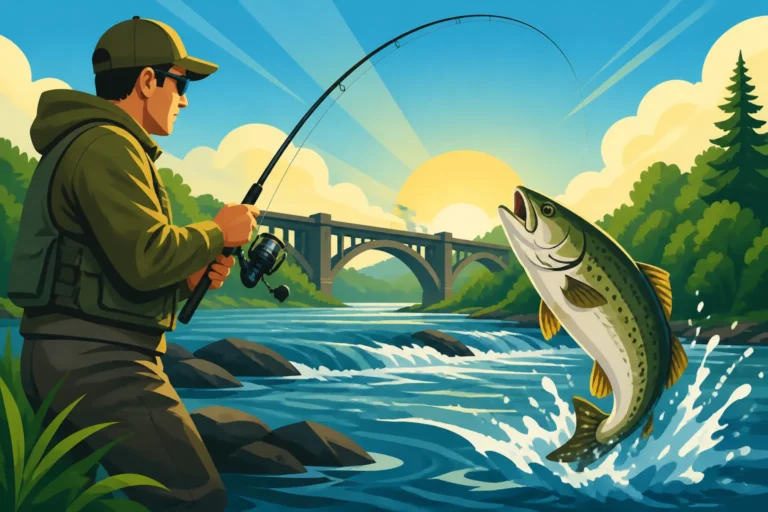
The Croton River, along with its East, West, and Amawalk branches, forms one of the most significant trout fishing systems in southeastern New York. This river system, especially sections below the various reservoirs (such as the Croton Gorge Park area), benefits from cold water releases, creating ideal conditions for brown trout and rainbow trout. These sections are frequently stocked by the New York State Department of Environmental Conservation (DEC), supplementing healthy wild populations.
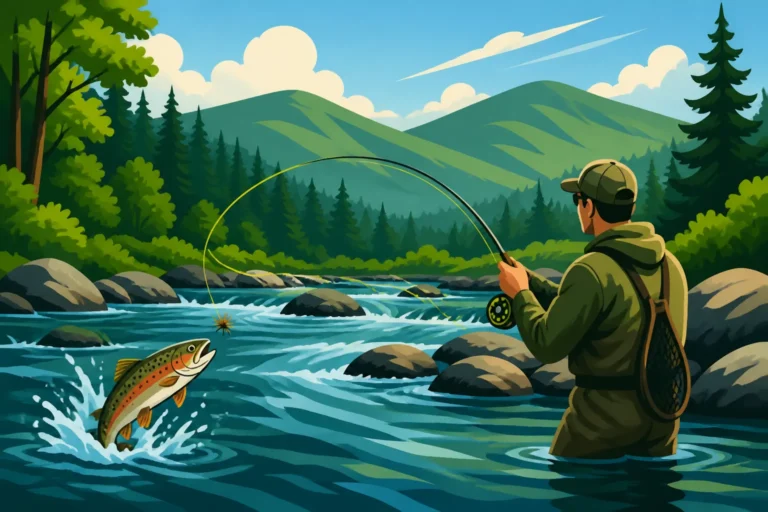
Fly fishing is incredibly popular on the Croton. Anglers can experience fantastic dry fly action during insect hatches, nymphing through runs and riffles, or streamer fishing for larger, aggressive trout. For spin fishermen, small inline spinners, stickbaits, or even worm-and-bobber setups can be highly effective, especially in the deeper pools and slower stretches. Public access points are available, notably around Croton Gorge Park in Cortlandt Manor, which also offers stunning views of the historic New Croton Dam. The season generally runs from April 1st through October 15th for keeping trout, with a catch-and-release season often extending before and after these dates. Learning How to Trout Fish in New York in these specific conditions can really up your game.
Bronx River: An Urban Fishing Oasis
It might surprise some, but the Bronx River, as it flows through Westchester, offers legitimate fishing opportunities, especially for warmwater species. While much of it runs through urbanized areas, efforts to restore its health have brought back populations of largemouth bass, panfish, and even some carp. Sections of the river within public parks, such as the Bronx River Reservation, provide accessible spots for anglers looking for a convenient local option.
This is often a great spot for casual fishing, perfect for a short outing or introducing kids to the sport. Simple tackle, like a spinning rod with worms, corn, or small spinners, can yield good results for sunfish and yellow perch. For bass, try Texas-rigged worms or small crankbaits around submerged structure or overhanging brush. While you won't typically find trophy-sized fish here, the ease of access and the surprising amount of action make it a worthwhile destination. Just remember, adherence to local park rules and proper disposal of tackle are paramount to maintaining this urban fishing haven.
Embracing the Coast: Saltwater Opportunities
Westchester County also offers a coastline along the Long Island Sound and the lower Hudson River, providing access to brackish and saltwater species. While not as extensive as Long Island's oceanfront, there are still some fantastic spots for those looking to target striped bass, bluefish, flounder, and more. If you're planning to fish saltwater, remember that the New York Recreational Marine Fishing Registry is a requirement for most anglers aged 16 and older.
Playland Pier, Rye: Accessible Saltwater Action
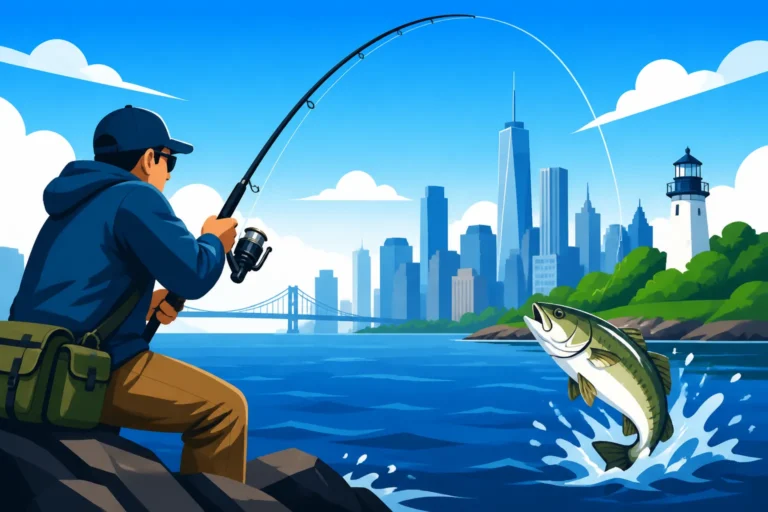
For easily accessible saltwater fishing, Playland Pier in Rye is a perennial favorite. This long public pier extends into Long Island Sound, offering anglers the chance to cast into deeper water and target a variety of species. During the warmer months, striped bass, bluefish, porgies (scup), fluke (summer flounder), and even weakfish can be caught from the pier. The convenience of not needing a boat makes it a popular choice for many, including families.
Bait fishing is very effective here, with fresh bunker, clam, or squid being top choices for striped bass and bluefish. Cut bait or spearing works well for fluke and porgies. Lures like Kastmasters, AVA jigs, or poppers can also be productive, especially during feeding frenzies when bluefish or stripers are chasing baitfish. Always check local regulations for size and bag limits before heading out. Fishing at dawn or dusk, and especially around tide changes, often yields the best results. For more details on what to target here, check out guides like Best Fishing Spots on Long Island Sound.
Glen Island Park, New Rochelle: Shoreline and Pier Access
Glen Island Park in New Rochelle offers another excellent opportunity for saltwater and brackish water fishing. With its varied shoreline, rocky outcroppings, and smaller piers, it provides multiple vantage points to cast a line into the Sound. The mix of calmer bays and more exposed points can appeal to different fishing styles and target species.
Anglers can expect to find striped bass, bluefish, porgies, and sometimes blackfish (tautog) around the rocky structures. Fluke might be found in sandy bottom areas. Live or cut bait is generally the most reliable method, but soft plastic lures mimicking baitfish can also entice bites, particularly for striped bass. The park's amenities, including picnic areas and scenic views, make it a pleasant destination for a full day out with the family. Just like Playland, scouting the area and fishing during peak tide movements will increase your chances of success.
Croton Point Park, Croton-on-Hudson: Hudson River Estuary Fishing
While technically on the Hudson River, Croton Point Park offers a unique brackish water experience that blends freshwater and saltwater fishing. This expansive park is located on a peninsula jutting into the widest part of the Hudson, providing access to diverse habitats. The Hudson River is famous for its incredible striped bass run, and this park puts you right in the action during spring and fall migrations.
Anglers here can target striped bass, especially during their spring migration (April through June) and fall return (September through November). Bunker chunks, live herring (where legal), and large artificial lures like soft plastics or swimbaits are highly effective for stripers. You'll also find a good population of white perch, yellow perch, catfish, and even carp in the calmer waters of the bays and coves. The fishing can be highly dependent on the tides and the presence of baitfish, so keeping an eye on local conditions is key. Learning How to Fish for Striped Bass in New York specifically in the Hudson estuary will be incredibly beneficial here.
Essential Tips for Fishing in Westchester County
Successfully navigating the fishing landscape of Westchester County goes beyond just knowing where to go. Understanding local nuances and being prepared will significantly enhance your experience.
Licenses and Permits: Don't Get Caught Off Guard
First and foremost, always make sure you have the correct fishing license. For freshwater fishing in New York, you'll need a Freshwater Fishing License. For saltwater fishing, while a separate license isn't required, you must register with the New York Recreational Marine Fishing Registry (it's free!). For the NYC DEP reservoirs (Kensico, Cross River, Amawalk, Muscoot), an additional free NYC DEP access permit is mandatory. Trust me, getting caught without the right paperwork can quickly turn a fun day into a costly one. Check out our comprehensive New York Fishing License Guide for all the details.
| Reservoir/Waterbody | Primary Species | Key Access Requirement | Recommended Gear | Best Times |
|---|---|---|---|---|
| Kensico Reservoir | Brown Trout, Lake Trout, Smallmouth Bass, Walleye | NYC DEP Permit, Electric Motor Boats/Shore | Trolling gear, jigging rods, light spin | Spring/Fall (Trout), Summer evenings (Bass/Walleye) |
| Cross River Res. | Largemouth Bass, Smallmouth Bass, Perch, Pickerel | NYC DEP Permit, Electric Motor Boats/Shore | Bass rods, topwater, soft plastics, crankbaits | Spring/Early Summer (Bass), All Season (Panfish) |
| Amawalk/Muscoot Res. | Northern Pike, Pickerel, Perch, Panfish | NYC DEP Permit, Electric Motor Boats/Shore | Medium-heavy rods, spoons, jerkbaits, live bait | Early Spring/Fall (Pike/Pickerel), All Season (Panfish) |
| Croton River | Brown Trout, Rainbow Trout | NYS Fishing License, Public Access | Fly rods, light spin rods, nymphs, spinners, worms | Spring/Fall (Trout) |
| Bronx River | Largemouth Bass, Panfish, Carp | NYS Fishing License, Public Parks | Light spin rods, worms, small spinners, soft plastics | Spring/Summer |
| Playland Pier | Striped Bass, Bluefish, Porgies, Fluke | Marine Registry, Pier | Medium-heavy rods, surf rods, bait rigs, jigs, spoons | Summer/Fall (Stripers/Blues), All Season (Porgies/Fluke) |
| Glen Island Park | Striped Bass, Bluefish, Porgies, Fluke, Tautog | Marine Registry, Shore/Piers | Medium-heavy rods, bait rigs, jigs, soft plastics | Summer/Fall |
| Croton Point Park | Striped Bass, White Perch, Catfish, Carp | NYS Fishing License/Marine Registry (depending on target), Shore | Medium-heavy rods, surf rods, bunker, large lures | Spring/Fall (Stripers), All Season (Catfish/Perch) |
Understanding Species and Seasons
Westchester's diverse waters mean you can target a wide range of Fish Species You Can Catch in New York. From the fierce New York's Bass Species Explained like largemouth and smallmouth to the elusive trout and powerful saltwater stripers, there’s something for everyone. However, each species has its prime time. Generally, trout fishing is best in the cooler months of spring and fall. Bass thrive in warmer water, making late spring through early fall their peak season. Striped bass are migratory, hitting the Hudson River and Long Island Sound during spring and fall runs. Understanding the Best Time of Year to Fish in New York and even the Best Time of Day to Fish in New York for your target species will dramatically improve your success rate.
Gear Up Properly
While you don't need highly specialized gear for every spot, having the right setup can make a huge difference. For reservoir trout and bass, a medium-light to medium action spinning rod with 6-10 lb test line is versatile. For river trout, especially fly fishing, a 5 or 6 weight fly rod is ideal. Saltwater fishing from a pier or shore often calls for a medium-heavy to heavy action rod with 15-30 lb braided line to handle larger fish and heavier tackle. Don't forget essentials like a tackle box with a variety of lures/baits, extra line, a pair of pliers, a net, and a cooler for your catch (if keeping).
Local Knowledge and Resources
Before heading out, consult the New York DEC website for the latest regulations, stocking reports, and any special advisories. Local bait and tackle shops are invaluable resources for up-to-date information on what's biting, what baits are working, and current conditions. They can also point you to lesser-known, productive spots. Don't hesitate to strike up a conversation with other anglers; most are happy to share tips, especially if you're respectful of their space. If you're looking for a guided experience, especially on the larger reservoirs or for specific species, searching for guides on platforms like FishingBooker can connect you with local experts who know the intricacies of these waters.
Respect the Environment and Regulations
Finally, always practice responsible angling. Pack out what you pack in, adhere to all catch limits and size restrictions, and handle fish with care, especially if you plan to release them. For NYC DEP reservoirs, specific rules on cleanliness and preventing the spread of invasive species (like boat cleaning protocols) are strictly enforced and critical to protecting our water resources. These practices ensure that Westchester's fantastic fishing opportunities remain vibrant for generations to come.
Disclaimer
Fishing regulations and conditions can change rapidly. Always consult the official New York State Department of Environmental Conservation (DEC) website and any relevant local authorities (like the NYC DEP for reservoirs) for the most current rules, licensing requirements, and advisories before planning your fishing trip. This guide is for informational purposes only and does not constitute legal advice.