Best Fall Fishing Techniques in New York
When the leaves start to turn those brilliant shades of gold and crimson across the Empire State, many anglers feel a pang of sadness, thinking the best fishing is behind them. But let me tell you, that couldn't be further from the truth! Fall in New York offers some of the most exciting and productive fishing opportunities all year, if you know the right techniques. This comprehensive guide will walk you through the top strategies to make your autumn fishing trips unforgettable.
Why Fall is Prime Fishing Season in New York
There's just something magical about fall in New York, isn't there? The crisp air, the vibrant foliage, and yes, the absolutely fantastic fishing. It’s a transition period that often gets overlooked by fair-weather anglers who pack up their gear after Labor Day. But for those in the know, autumn is when some of the biggest and most active fish are caught. It’s not just a change in scenery; it’s a profound shift in fish behavior that creates incredible opportunities.
The Annual Feast: Why Fish are so Active
As summer's oppressive heat fades, the water temperatures begin to drop, signaling a vital change for most fish species: it's time to eat, and eat a lot! Many fish, especially predators, are acutely aware that winter is coming. This isn't just about packing on fat for survival; for many species, it's also about building energy reserves for their upcoming spawning cycles. They become incredibly aggressive, actively seeking out forage to bulk up. This means they're often less finicky, more willing to chase down a lure, and can be found in predictable feeding patterns.
Think about it: they’re not just nibbling; they’re trying to gorge themselves. This metabolic imperative makes them incredibly susceptible to well-presented baits and lures. You'll often find schools of baitfish moving into shallower areas or congregating in deeper holes, and the larger game fish are right on their tails, creating some intense feeding frenzies. It's a race against time for them, and for us, it means some of the best angling action of the year.
Optimal Water Temperatures and Oxygen Levels
Summer can be tough on fish, especially in shallower waters. High temperatures reduce dissolved oxygen levels, making fish sluggish and less inclined to feed actively, especially during the middle of the day. They often retreat to deeper, cooler, more oxygenated waters. Fall changes all that. As the days shorten and nights grow longer and cooler, the surface waters cool down. This cooling process leads to what scientists call "turnover" in many lakes, where the warmer surface water mixes with the cooler, oxygen-rich deeper water.
This mixing replenishes oxygen throughout the water column, revitalizing fish and allowing them to roam more freely. The optimal temperature ranges for many species, like bass, walleye, and trout, are often met during the fall. Fish are no longer stressed by heat, and they can expend more energy chasing food without overheating or struggling for breath. This increased comfort level, combined with their strong feeding drive, creates a perfect storm for anglers.
Understanding Fall Foliage and Its Impact
While the vibrant fall foliage is beautiful for us, it also has a subtle but significant impact on the fishing environment. As leaves drop into the water, they begin to decompose, which can affect water clarity and oxygen levels in very specific, localized areas, particularly in smaller streams and ponds. However, more broadly, the changing light conditions due to lower sun angles and shorter days also influence fish behavior. Fish become more sensitive to light, sometimes leading them to feed more aggressively during midday when light levels are still lower than summer peaks.
The leaf fall can also create new hiding spots and ambush points for predatory fish, particularly in slow-moving rivers and lakeshores. Floating leaf mats can sometimes obscure your presentation, but they can also offer cover that fish use. Understanding these subtle environmental shifts, from water temperatures to light conditions and even the presence of organic matter, helps you fine-tune your approach. It's all part of the intricate dance that makes fall fishing so compelling.
Targeting Anadromous Fish: Salmon and Steelhead
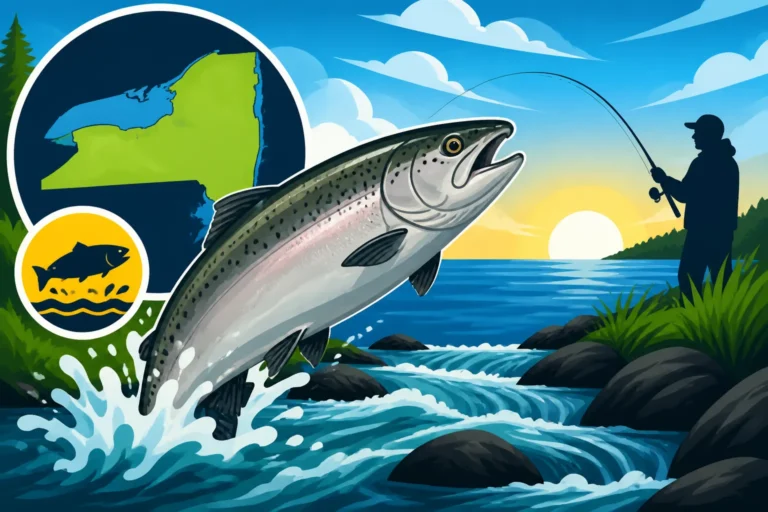
When most people think of fall fishing in New York, their minds immediately jump to the Great Lakes tributaries. And for good reason! The annual runs of Pacific salmon and steelhead are legendary, drawing anglers from across the country. It's a truly spectacular natural event, full of powerful fish and exhilarating battles.
The Lake Ontario Salmon Run: Chinook and Coho Tactics
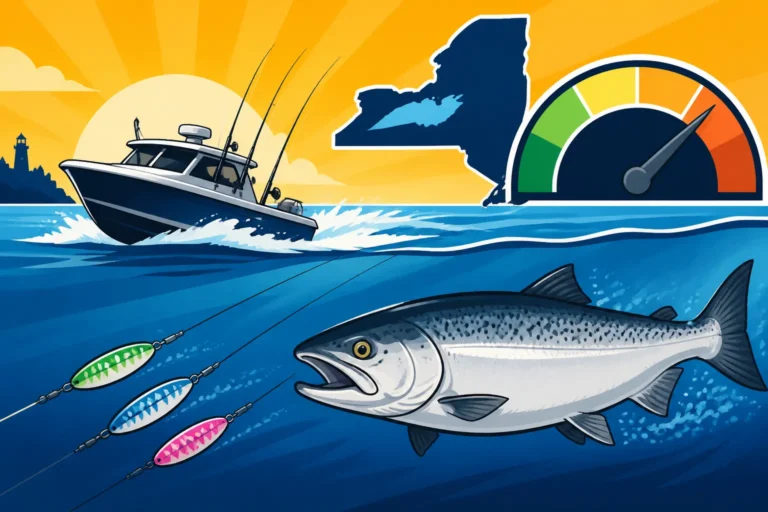
As early as late August, and peaking through September and October, Lake Ontario's tributaries come alive with the migration of Chinook (King) and Coho salmon. These magnificent fish, driven by an instinctual urge to spawn, leave the vast expanse of Lake Ontario and push upstream into rivers like the Salmon River in Pulaski, the Oswego River, and the Genesee River. It’s a sight to behold, and the fishing can be absolutely phenomenal. If you're wondering how to Fish for Salmon in New York, this is certainly the prime time.
For Chinook, which are often the largest of the salmon, heavy tackle is a must. They are incredibly powerful, making long, drag-screaming runs. Popular tactics include drift fishing with egg sacs, beads that mimic eggs, or large flies if you're a fly angler. For those using spinning or baitcasting gear, casting large spoons or plugs can also be effective, especially in deeper pools or just off the main current. Coho salmon are often a bit smaller but just as feisty. They tend to respond well to brighter colored egg sacs, small spoons, or flies. Look for them in slightly slower-moving water than the Chinooks, often in the deeper bends and pools. You can learn more about the Best Time to Fish for Chinook Salmon on New York's Lake Ontario to really dial in your timing.
Steelhead Strategies on Tributaries
Right on the heels of the salmon, or sometimes overlapping, come the steelhead. These incredible migratory rainbow trout begin to enter the tributaries in the fall, following the salmon to feast on their dropped eggs. They'll continue to move into the rivers throughout the winter and into the spring. This makes them a fantastic target for extended fall and winter fishing opportunities. Understanding Fall Steelhead Run Timing in New York is crucial for maximizing your success.
Steelhead are notorious for their acrobatic jumps and powerful runs, making them a favorite among many anglers. Similar to salmon, egg sacs and beads are incredibly effective, as are small jigs tipped with bait. Fly anglers will find success with egg patterns, nymphs, and sometimes streamers. Presentation is key with steelhead; they can be very particular. A subtle, natural drift is often far more productive than an aggressive one. Many anglers opt for a float fishing setup, using a specialized float to present their bait naturally in the current. These fish are smart, and the clearer fall waters sometimes require a delicate touch and lighter leader material.
Gear for Great Lakes Tributary Fishing
Fishing for these powerful anadromous species requires specialized gear to handle their size and fighting prowess. For salmon, you'll want medium-heavy to heavy spinning or baitcasting rods, typically 8.5 to 10 feet long, paired with reels spooled with 15-25 lb monofilament or braided line. For steelhead, medium-light to medium power rods, often 9-11 feet long, are common, with lighter lines (8-12 lb) for a more delicate presentation.
When it comes to terminal tackle, a selection of fresh egg sacs (often tied with roe from salmon you've just caught, or purchased from local bait shops), colored beads (like those mimicking trout or salmon eggs), and jigs are essential. For lures, spoons from brands like Little Cleo or Dardevle, and diving plugs such as Rapalas or Kwikfish, are perennial favorites. Don't forget a strong net with a long handle; you'll need it to land these heavyweights. Waders are also non-negotiable for tributary fishing, allowing you to access prime spots and safely navigate the riverbeds. You can find a wide variety of these essential items, from specialty rods to tackle, on Amazon.
Chasing Freshwater Giants: Bass, Walleye, and Muskie
While the salmon and steelhead runs often steal the spotlight, New York's freshwater lakes and rivers offer incredible fall fishing for resident species like bass, walleye, and muskellunge. These fish also respond to the cooling water by feeding aggressively, often presenting opportunities for some of the biggest catches of the year.
Late-Season Largemouth and Smallmouth Bass Techniques
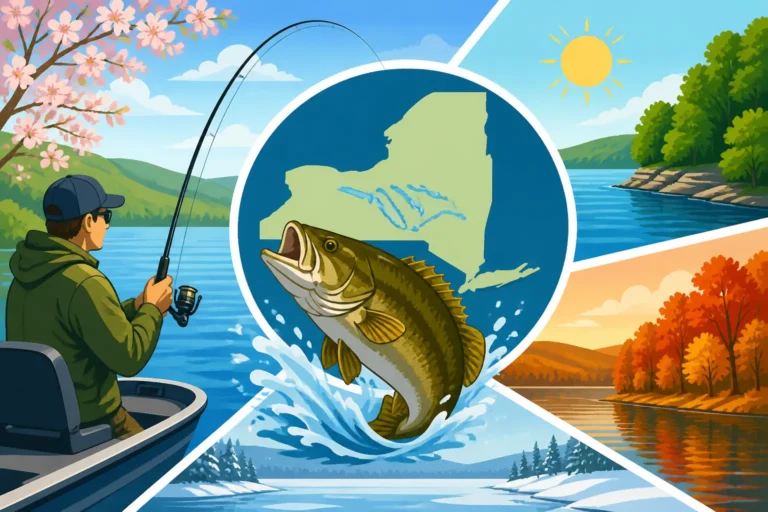
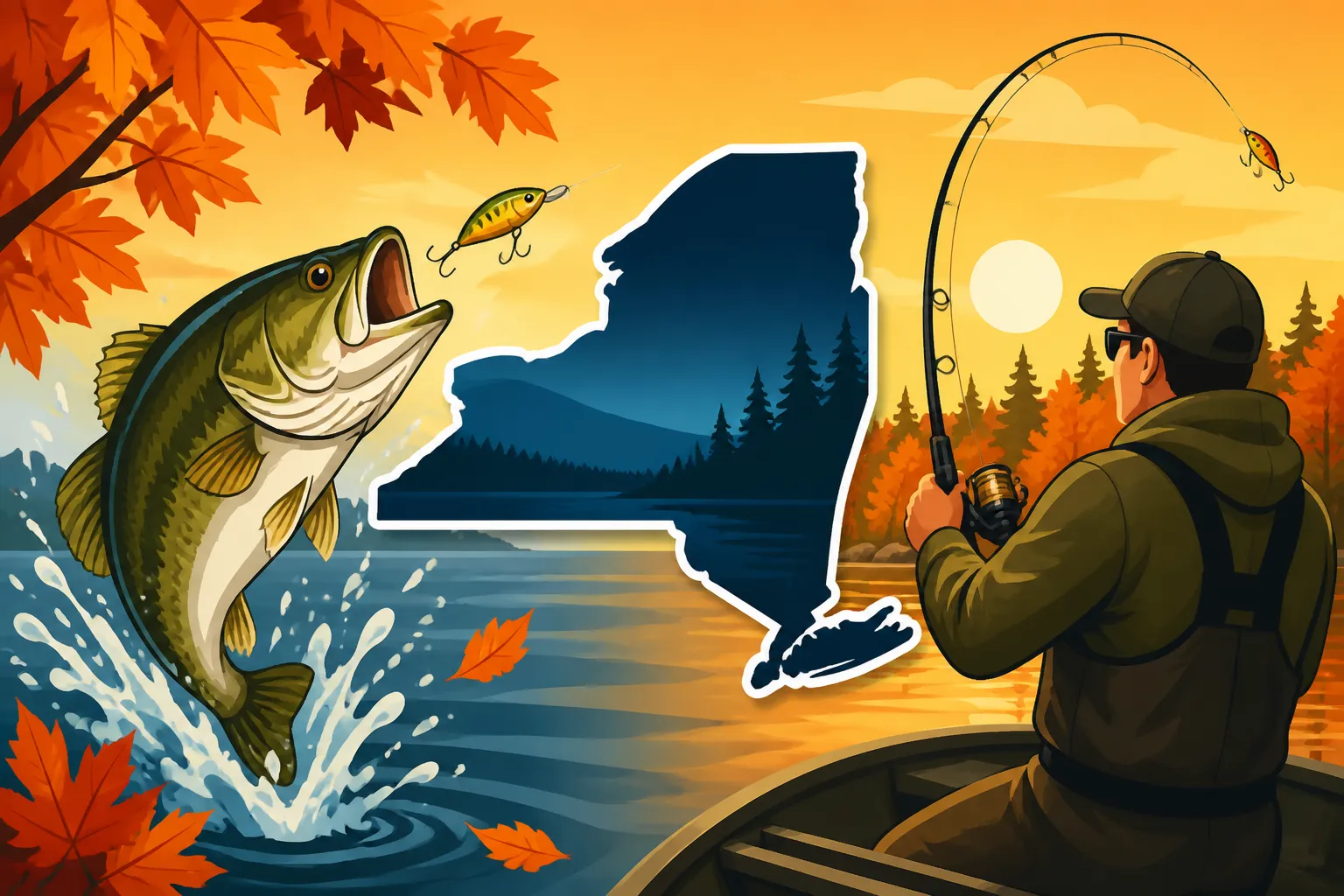
For bass anglers, fall is a period of transition but also great opportunity. Early fall might still see bass shallow, especially if there are lingering warm days, but as the water cools, they start to migrate towards deeper main lake or river channel structures. If you're looking for the Best Time to Fish for Bass in New York, fall can be it for big fish. Largemouth bass will often be found relating to deep weed lines, rock piles, and submerged timber. Crankbaits, jigs, and slow-rolled spinnerbaits become very effective as they mimic the larger forage bass are keying in on. Targeting channels that lead into coves where baitfish might be seeking shelter is a smart move.
Smallmouth bass, often found in cooler, clearer waters like the Finger Lakes or the St. Lawrence River, really light up in the fall. They'll school up and feed heavily on baitfish, often chasing them to the surface in spectacular feeding frenzies. Drop shots, tube jigs, and spy baits are incredibly effective for targeting these deep-dwelling smallmouths. Look for them on humps, points, and transition areas from flats to deeper water. Don't be afraid to fish deeper than you might in summer; smallmouths can be found in 20-50 feet of water or more during this time. As the water gets colder, a slower presentation is often key, letting your baits sit longer in the strike zone.
Fall Walleye: Deep Water and Structure Tactics
Walleye are another species that truly thrive in the cooling waters of autumn. They become incredibly active feeders, making fall a prime time to target these delicious fish. Lakes like Oneida Lake and Lake Erie in New York are renowned for their walleye fisheries, and fall is often when the biggest fish are caught. If you want to know How to Fish for Walleye in New York, focusing on fall is a great strategy.
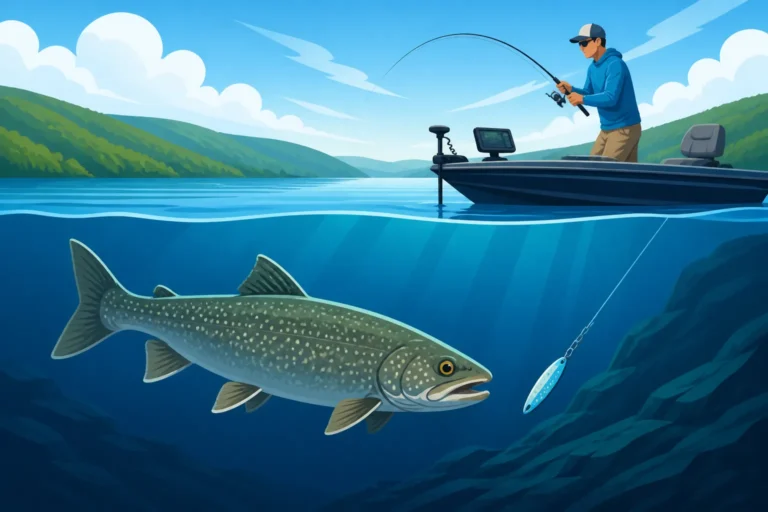
As water temperatures drop, walleye often move to deeper offshore structures, humps, points, and along the main lake basins. Trolling crankbaits, especially deep-diving models, is a highly effective technique for covering water and finding schools of walleye. Colors that mimic perch or shad are often excellent choices. Jigging spoons or blade baits vertically over known walleye structure can also produce fantastic results, especially once you've located a school. Live bait, particularly large shiners or suckers, fished on a slip sinker rig or under a bobber, can be deadly for hesitant walleye in deeper holes. Focus your efforts during low light conditions, like dawn, dusk, or even at night, as walleye are notoriously light-sensitive.
Muskellunge: The Last Big Hunt
For trophy hunters, fall is synonymous with muskellunge. These apex predators, often called "the fish of 10,000 casts," go on a serious feeding binge in autumn, making them more catchable than at any other time of year. New York has incredible muskie fisheries, notably the St. Lawrence River and Chautauqua Lake. Learning How to Fish for Muskellunge in New York during the fall can drastically increase your odds of encountering one of these freshwater giants.
Muskie will patrol deep weed edges, rocky points, and channel swings. They're looking for the biggest meal they can find to sustain them through winter. This means large baits are the name of the game: massive crankbaits, oversized bucktails, large gliders, and even live suckers are all standard fare. The key is persistence and covering water. Trolling large crankbaits over deep structure can be incredibly effective, especially in big water bodies like the St. Lawrence. For casting, work your baits with an aggressive retrieve, sometimes incorporating a "figure-eight" motion at the boat to trigger follows into strikes. Fall muskie fishing isn't for the faint of heart, but the reward of landing one of these magnificent fish is unparalleled. Make sure your tackle is stout – heavy rods, robust reels, and strong leaders are absolutely essential.
Beyond the Big Ones: Panfish and Trout in Fall
While the focus often drifts to the big game species during fall, don't underestimate the excellent opportunities for panfish and trout. These smaller, but no less enjoyable, fish also become more active and concentrated as temperatures drop, providing consistent action, especially for those who prefer a more relaxed outing or want to introduce kids to fishing.
Crappie and Perch: Schooling and Structure
As the water cools, crappie and yellow perch will begin to school up in predictable patterns, often congregating around specific types of structure. This schooling behavior can lead to incredible days on the water where you catch fish after fish. For crappie, look for them suspending over deeper brush piles, submerged timber, or under docks and bridge pilings in larger lakes and reservoirs. They’ll often be found in 10-25 feet of water. Small jigs tipped with minnows or soft plastic crappie baits are incredibly effective. A sensitive rod is key to detecting their often subtle bites.
Yellow perch are another fall favorite, particularly in the larger waters like Lake Erie or the Finger Lakes. They'll form huge schools and move into shallower bays and flats to feed on baitfish, before retreating to deeper areas as winter approaches. Small jigs, minnows, or worms fished near the bottom are usually irresistible to them. Look for them around weed lines, rocky bottoms, or drop-offs. If you find one perch, you’ve likely found a whole school, so stay put and enjoy the consistent action!
Fall Trout Fishing: Stream and Lake Approaches
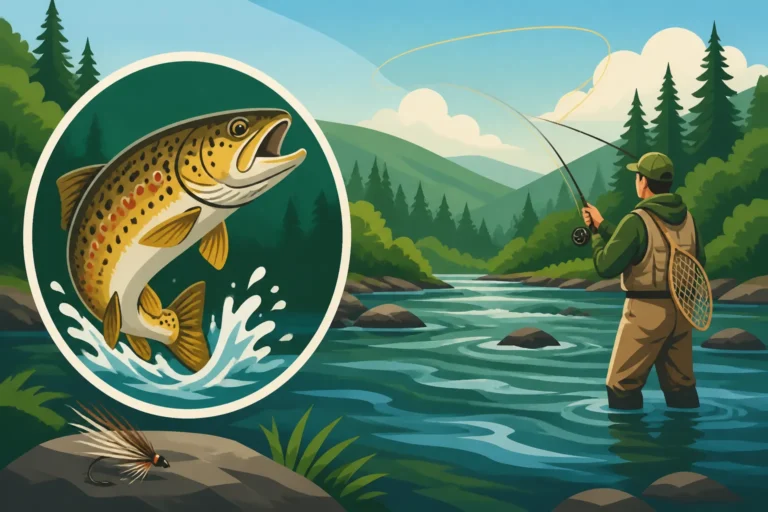
New York is blessed with an abundance of fantastic trout waters, and fall offers some unique opportunities. For those who want to know How to Trout Fish in New York, autumn should definitely be on your radar. Many streams and rivers that were too warm or crowded in the summer become prime destinations. Brown trout, in particular, become very active in the fall as they prepare for their spawning run, often displaying aggressive behavior.
Stream anglers will find success using nymphs, streamers, and even some dry flies on warmer days. Focus on deeper pools, runs, and areas with good cover like fallen logs or undercut banks. The vibrant fall colors overhead can make for a truly picturesque fishing experience. In lakes and reservoirs, trout often move closer to the surface as the water column cools and oxygen levels equalize. Trolling small spoons or stickbaits can be very effective, as can casting spinners or small jigs from shore or boat, targeting areas where baitfish are congregating. Remember that many special regulations apply to trout streams, so always check the latest New York Fishing Regulations Explained before you head out.
Finding Panfish in Cooler Waters
Panfish like bluegill and sunfish, while not as often targeted as crappie or perch in fall, can still provide plenty of fun, especially for new anglers or kids. As the water cools, they tend to move from the shallowest areas into slightly deeper water, often concentrating around the edges of weed beds, submerged structures, or drop-offs. They'll still be looking for insects, small crustaceans, and larvae.
Using small hooks with worms, grubs, or even tiny jigs can yield a steady stream of bites. It's a great way to enjoy a peaceful afternoon by a local pond or lake. While they may not be as aggressive as in the spring or early summer, their tendency to school means if you find one, you're likely to find many. This can be an excellent opportunity for younger anglers to hone their skills and enjoy consistent success before the deep freeze sets in.
Essential Fall Fishing Gear and Preparations
Fall fishing isn't just about changing your lures; it's also about changing your approach to comfort and safety. The weather can be unpredictable, shifting from mild sunshine to biting cold and even snow in a matter of hours. Being prepared is key to enjoying your time on the water.
Layering Up for Comfort and Safety
The golden rule of fall fishing is layering. You might start your morning in crisp, cold air, only for the sun to warm things up considerably by midday, and then have a cold front roll in as evening approaches. Being able to add or shed layers is crucial. Start with a moisture-wicking base layer (synthetics or wool are best). Add a warm insulating layer, like a fleece or down vest. Your outer layer should be waterproof and windproof – a good quality fishing jacket is invaluable.
Don't forget warm socks, waterproof boots, a hat to retain body heat, and gloves or mitts, especially for handling wet fish and cold lines. Hands can get particularly cold quickly. The right clothing not only keeps you comfortable but also safe, preventing hypothermia should you accidentally take a spill or get caught in an unexpected downpour. Staying dry is just as important as staying warm.
Lure and Bait Selection for Fall Success
Your tackle box needs a fall makeover! As mentioned earlier, fish are often keying in on larger forage to fatten up. This means upsizing your baits for species like bass, walleye, and muskie. For salmon and steelhead, egg patterns and roe bags are paramount. For trout, don't forget the power of streamers.
Here’s a quick rundown of some fall essentials:
- Egg Sacs/Beads: For salmon and steelhead.
- Deep-Diving Crankbaits: For walleye, bass, and muskie. Colors mimicking local baitfish (perch, shad, smelt) are excellent.
- Jigs (Hair Jigs, Bucktail Jigs, Blade Baits): Versatile for bass, walleye, crappie.
- Soft Plastics (Tubes, Grubs, Swimbaits): For bass and smallmouth, often on a jig head.
- Spoons: For trolling or casting for salmon, steelhead, trout, and even aggressive bass.
- Live Bait: Minnows, shiners, suckers for walleye and muskie. Worms and grubs for panfish.
Consider investing in a tackle organizer that allows you to easily swap out your summer gear for your fall arsenal. Companies like Plano and Daiwa offer great options, and you can often find them readily available on Amazon.
Boat and Wading Safety Checks
Fall means colder water, and that presents increased risks. If you're heading out in a boat, make sure all your safety equipment is in order:
- Life Jackets: Wear them, don't just store them. Cold water shock is a real danger.
- Working Engine and Fuel: Check your motor, and ensure you have enough fuel for your trip, plus a reserve.
- Navigation Lights: Days are shorter; you might be out longer than expected.
- Communication Device: A fully charged cell phone in a waterproof bag, or a VHF radio.
- Warmth & Emergency Supplies: Extra layers, blankets, a thermos of hot coffee or soup, and a first-aid kit.
For waders, ensure they are in good condition, free of leaks. Always wear a wading belt to prevent them from filling with water should you fall. Wading staffs are incredibly helpful for maintaining balance in slippery, rocky rivers. Never wade alone in unfamiliar or fast-moving water. The cold water can quickly incapacitate you, so taking proper precautions is not just smart; it's potentially life-saving.
Navigating Fall Weather and Water Conditions
Fall weather in New York can be notoriously fickle. One day you're in a t-shirt, the next you're bundled up against a biting wind. Understanding how these conditions affect fish behavior is a huge advantage for any angler. This is particularly true when you consider How Weather Affects Fishing in New York during the transition seasons.
Understanding Cold Fronts and Their Effects
Ah, the dreaded fall cold front. We've all been there: a beautiful warm day, great fishing, and then overnight, a strong cold front blows through, dropping temperatures significantly. The fishing can sometimes shut down completely. This happens because rapidly dropping air temperatures cause a sudden drop in water temperature, which can put fish into shock or make them sluggish. The high-pressure system associated with cold fronts can also negatively impact fish activity.
During a cold front, fish often become less active, move to deeper water, and become incredibly finicky. Your best bet is to slow down your presentation considerably. Use smaller baits, fish deeper, and work your lures very slowly. Live bait can often outperform artificials during these challenging times. Sometimes, it's best to wait a day or two after the initial shock of the front has passed, as fish will often rebound and start feeding again once conditions stabilize.
Water Levels and Clarity: What to Look For
Fall can bring significant changes in water levels and clarity, especially in rivers and streams. Heavy fall rains can cause rivers to swell and become muddy, which can sometimes shut down the bite, but often just changes where fish are holding. Fish might move out of the main current into slower eddies or backwaters to escape the strong flow and murky water. In these conditions, baits with strong vibrations or scent can be more effective.
Conversely, long dry spells can lead to low, clear water conditions. This often makes fish warier and more visible to predators (including us!). In these scenarios, lighter lines, smaller baits, and a more stealthy approach are often required. For example, when fishing for trout, a delicate presentation with small nymphs or dry flies might be necessary. In lakes, water clarity changes can be less dramatic, but understanding how recent rainfall or lack thereof affects conditions can give you an edge. Always check local fishing reports or river gauges before heading out.
Reading the Weather for Optimal Bite Windows
The best fall fishing often coincides with periods of stable weather, particularly when temperatures are slowly dropping rather than fluctuating wildly. Overcast days are often fantastic for predatory fish, as the reduced light encourages them to feed more aggressively throughout the day. A light drizzle can also be great, as it often masks your presence and washes insects into the water.
Pay attention to barometric pressure. A rising or stable barometer typically indicates good fishing conditions, while a rapidly falling barometer (often signaling an approaching storm) can trigger a pre-front feeding frenzy, followed by a shut-down once the front arrives. Calm, clear, high-pressure days immediately after a front can be tough. Learning to read these weather cues and understanding how they influence fish behavior will make you a much more successful fall angler. It's about being in the right place at the right time, with the right technique, and fall gives us a lot of clues to work with!
Here's a quick reference table for some popular fall fishing targets in New York:
| Fish Species | Prime Fall Locations | Recommended Fall Techniques | Key Baits/Lures |
|---|---|---|---|
| Chinook Salmon | Salmon River, Oswego River, Genesee River (tributaries) | Drift fishing, casting | Egg sacs, beads, large spoons, diving plugs |
| Coho Salmon | Lake Ontario tributaries (similar to Chinook) | Drift fishing, casting | Brighter egg sacs, small spoons, flies |
| Steelhead Trout | Lake Ontario tributaries | Float fishing, drift fishing, fly fishing | Egg sacs, beads, jigs, nymphs, streamers |
| Largemouth Bass | Deep weed lines, rock piles, submerged timber | Slow-rolled spinnerbaits, jigs, crankbaits | Soft plastics, jigs, large crankbaits |
| Smallmouth Bass | Offshore humps, points, deep structure (lakes & rivers) | Drop shots, tube jigs, spy baits | Tube jigs, soft plastics, minnows |
| Walleye | Deep offshore structures, humps, main lake basins | Trolling crankbaits, vertical jigging, live bait | Deep-diving crankbaits, jigging spoons, shiners |
| Muskellunge | Deep weed edges, rocky points, channel swings | Trolling, casting | Large bucktails, crankbaits, gliders, live suckers |
| Brown Trout | Rivers & streams (spawning runs), lake depths | Nymphs, streamers, small spoons, spinners | Worms, minnows, egg patterns |
| Crappie | Suspending over deep brush, docks, bridge pilings | Vertical jigging, live bait | Small jigs, minnows, tiny soft plastics |
| Yellow Perch | Shallow bays, flats, weed lines, rocky bottoms | Bottom fishing, vertical jigging | Small jigs, minnows, worms |
Disclaimer
Fishing regulations, seasons, and licensing requirements can change. Always check the latest official New York State Department of Environmental Conservation (DEC) regulations before planning any fishing trip. This guide is for informational purposes only and does not supersede state law.