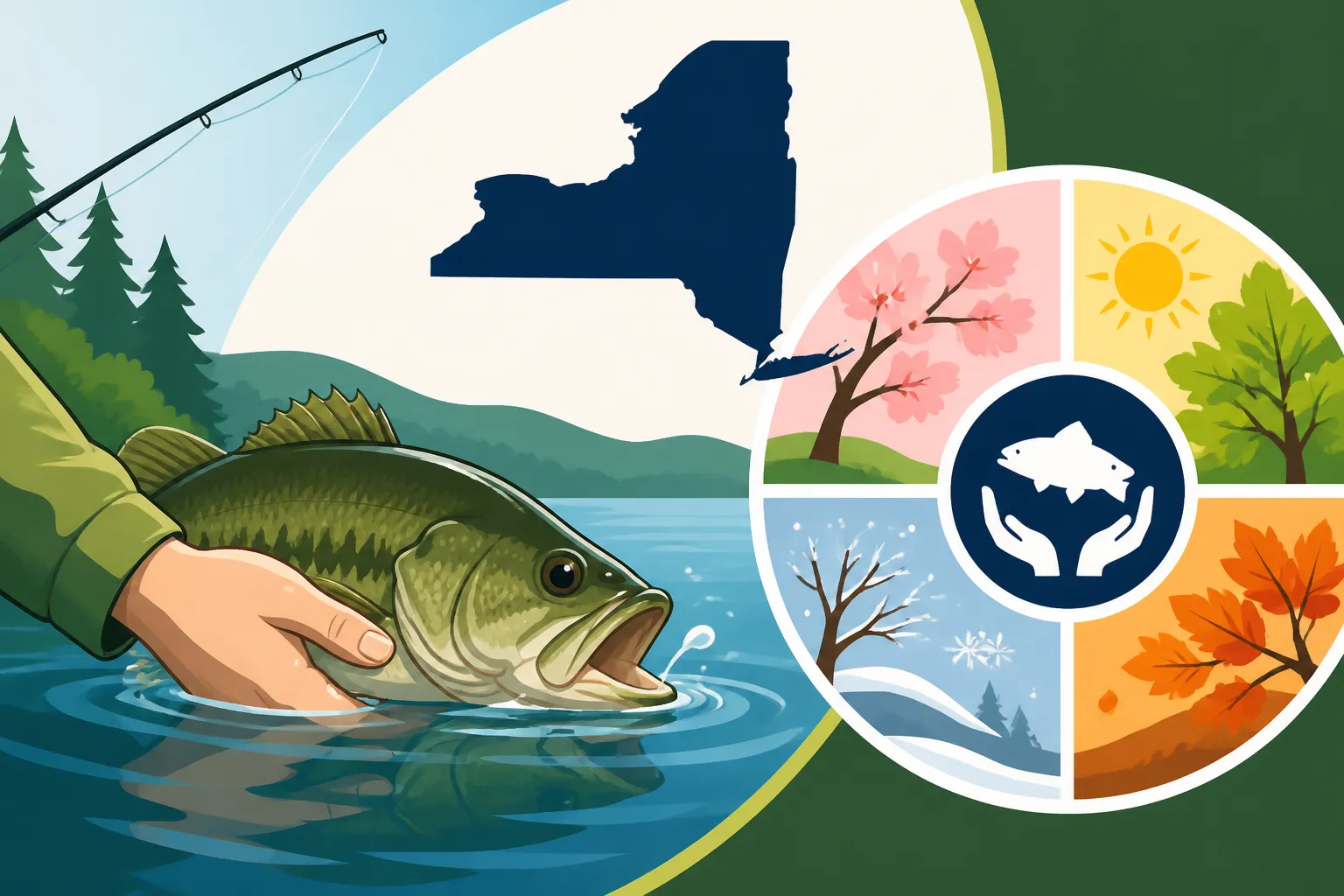
Bass Catch-and-Release Season Dates
It's incredibly frustrating when you're geared up for a day on the water, only to realize you're not entirely sure about the specific fishing rules, especially when it comes to bass and those often-confusing catch-and-release periods. New York's fishing regulations can feel like a labyrinth, and getting the bass season dates straight is crucial not just for staying legal, but for doing your part to protect our incredible fisheries. This guide is here to cut through the confusion and give you all the details on New York's bass catch-and-release season dates, ensuring you can fish confidently and responsibly.
Decoding New York's Bass Seasons
Before we dive into the nitty-gritty of catch-and-release, it's essential to understand the overall structure of bass fishing seasons in New York. The state's Department of Environmental Conservation (DEC) carefully crafts these regulations to balance recreational angling opportunities with the critical need to protect fish populations, particularly during vulnerable periods like spawning. Essentially, there are two main phases for bass fishing each year: the catch-and-release season and the open season.
The primary reason for having a dedicated catch-and-release season is to safeguard bass during their spawning period. Bass are prolific breeders, and ensuring they have a chance to reproduce successfully before they face increased fishing pressure is vital for the health of their numbers. During this time, while anglers can still enjoy the thrill of hooking a big smallmouth or largemouth, the rules are designed to minimize stress on the fish and maximize their chances of survival after being released back into the water. It’s a conservation measure that allows us to enjoy the sport while actively contributing to its future.
The distinction between these two periods means your approach to fishing, from the gear you use to how you handle your catch, must adapt. Failing to understand these nuances can not only lead to fines and penalties but can also inadvertently harm the very fish we love to pursue. Whether you're targeting Largemouth Bass in New York's warmer, weedy lakes or chasing Smallmouth Bass in the cooler, rockier depths of its larger rivers and Great Lakes, the rules apply. Knowing when you can keep them and when you absolutely must let them go is the cornerstone of responsible bass angling in our state.
Specific Dates for Catch-and-Release Bass Fishing in New York
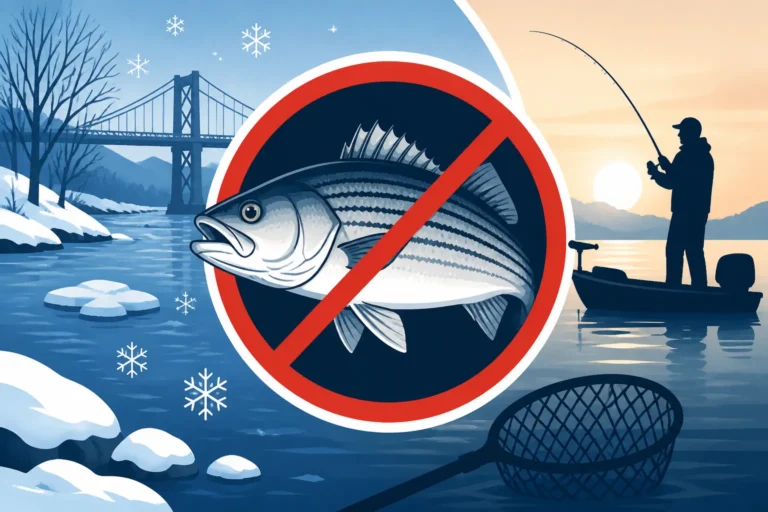
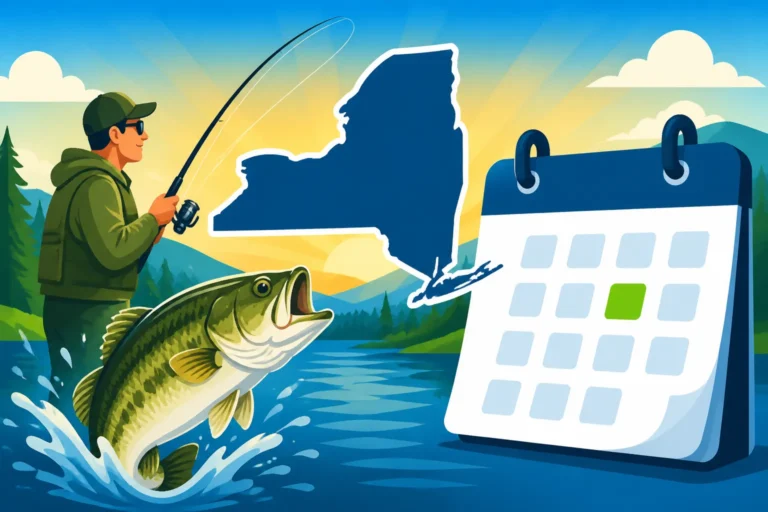
Let's get down to the dates that every New York bass angler needs to have memorized. The statewide catch-and-release bass season in New York officially runs from December 1st through the Friday immediately preceding the third Saturday in June. This particular framing of the end date often trips people up, so let's break it down clearly.
For instance, if the third Saturday in June falls on June 15th, then the catch-and-release season would run until June 14th. The following day, June 15th, would then mark the opening of the regular bass open season. This timing is scientifically determined to protect bass during their pre-spawn, spawn, and post-spawn recovery phases, which typically occur in late spring and early summer across much of the state. During these months, bass are focused on reproduction, and minimizing disturbances and mortality is paramount.
Once the regular open season kicks off on that third Saturday in June, the regulations shift. Anglers can then legally harvest bass, subject to specific daily creel limits and minimum size requirements. These rules are detailed further in the comprehensive guide to New York Bass Season Dates. However, for the entire period from December 1st up until that June date, your intent must solely be catch-and-release. There is zero tolerance for possessing bass during this period, even if you accidentally hook one.
It's also critically important to remember that while these are the statewide general regulations, New York has many "Special Regulations Waters List" that might have entirely different rules. These can include specific lakes, rivers, or even sections of a water body where the bass population might be unique, or conservation efforts require different management. Always consult the most current New York Fishing Regulations Explained guide from the DEC, either online or in print, before heading out, especially if you're exploring a new fishing spot. A quick check can save you a lot of hassle and ensure you're compliant.
Regulations and Gear for Catch-and-Release Bass
The catch-and-release season isn't just about letting the fish go; it comes with its own set of rules designed to maximize the survival rate of released bass. These regulations primarily focus on the type of tackle you can use, aiming to reduce injury and stress on the fish.
Permitted Tackle and Restrictions
During the catch-and-release bass season, only artificial lures are permitted. This is a hard and fast rule. What does that mean for your tackle box? It means live bait, dead bait, and even processed baits are completely off-limits. The reasoning here is straightforward: bass are more likely to swallow natural baits deeply, leading to gut-hooking, which significantly reduces their chances of survival upon release. Artificial lures, on the other hand, are typically hooked in the mouth, making for easier, less damaging removal.
Furthermore, when using artificial lures, anglers are generally restricted to single hooks. While not explicitly mandated to be barbless in all regulations, using barbless hooks or pinching down the barbs on your existing hooks is a highly recommended practice for catch-and-release fishing. A barbless hook penetrates easily and, more importantly, can be removed with minimal effort and damage, reducing the time the fish is out of water and the trauma it experiences. Many serious catch-and-release anglers even modify their lures with single, barbless hooks, and you can find many such products or tools to modify your own on retailers like Amazon.
Essential Catch-and-Release Handling Rules
Even with the right tackle, how you handle a bass during catch-and-release is critical. The goal is to get the fish back into the water quickly and unharmed. Here are some key principles, which mirror general Catch-and-Release Handling Rules for any species:
- Minimize Fight Time: While a long fight can be thrilling for the angler, it exhausts the fish, making it more susceptible to predators and disease after release. Use appropriately sized tackle to land the fish efficiently.
- Keep the Fish in Water: Whenever possible, unhook the fish while it's still in the water. If you must remove it, do so for the absolute shortest time possible – just enough for a quick photo or hook removal. Many anglers use a rubberized landing net to keep the fish submerged and calm while preparing for release.
- Wet Your Hands: Always wet your hands thoroughly before touching a fish. Dry hands can remove the fish's protective slime coat, which acts as a barrier against parasites and infections.
- Support the Fish: If you're holding a bass out of the water, support its entire body horizontally. Avoid holding it vertically by the jaw alone, as this can dislocate its jaw or damage internal organs, particularly in larger fish.
- Use Proper Tools: A good pair of long-nose pliers or forceps is invaluable for quickly removing hooks. You can find excellent options on Amazon. A de-hooker can be even better for deeply set hooks, allowing removal without excessive handling.
- Revive If Necessary: If a fish appears lethargic upon release, gently hold it upright in the water, facing into a mild current if possible, until it regains its strength and can swim away on its own.
Adhering to these rules isn't just about compliance; it's about being a responsible steward of New York's natural resources. The penalties for fishing without a license in New York or violating specific regulations can be stiff, but the true cost is to the health of our fisheries.
Maximizing Survival with Best Practices
Beyond simply following the rules, truly dedicated anglers embrace best practices that further enhance the survival rate of released bass. This mindset transforms catch-and-release from a legal obligation into an active conservation effort.
Selecting the Right Gear for Gentle Handling
Your choice of fishing gear can significantly impact a fish's post-release survival. While artificial lures are mandated, consider options that are inherently less damaging. Lures with single hooks, especially those without barbs, are superior to treble-hooked options for minimizing injury. Many modern artificial baits come with single hooks, or you can easily swap out treble hooks for single ones. Look for these modifications on online stores like Amazon, which often carry a wide selection of replacement hooks.
Furthermore, a high-quality landing net is an unsung hero of successful catch-and-release. Opt for nets with rubberized, knotless mesh. Traditional knotted nylon nets can abrade a fish's slime coat and damage fins and scales, making them vulnerable to infection. A rubberized net cradles the fish, protects its delicate outer layer, and prevents hooks from getting tangled, allowing for a quicker, smoother release.
Deep Dive into Hook Removal Techniques
One of the most critical moments in the catch-and-release process is hook removal. The faster and more gently you can do this, the better.
- Pliers and Forceps: For hooks that are visible and shallow, a good pair of fishing pliers or forceps will do the trick. Grip the bend of the hook firmly and back it out along the line of entry.
- De-hookers: For hooks that are set deeper or in tricky spots, a specialized de-hooker can be a lifesaver. These tools allow you to reach into the fish's mouth and remove the hook with minimal manipulation of the fish itself. They are particularly useful for species like bass that can sometimes swallow a lure. Practice using your de-hooker at home so you're proficient when you need it on the water.
- Cut the Line (Last Resort): If a hook is deeply embedded and cannot be removed without causing significant trauma, it's often better to simply cut the line as close to the hook as possible. Studies show that many fish can encapsulate or shed hooks over time, especially if they are non-stainless steel. This is preferable to tearing vital organs.
Environmental Considerations and Fish Stress
Even seemingly minor factors like water temperature can play a huge role in a bass's ability to recover from being caught and released. In warmer summer months, when water temperatures are high, bass are already under physiological stress. Fighting a fish in these conditions can be particularly taxing. During such times, consider shortening your fishing sessions, targeting cooler times of day (like early morning or late evening), or even refraining from bass fishing altogether if water temperatures are excessively high.
Understanding the difference between a healthy release and one where the fish struggles to recover is paramount. A fish that swims away vigorously, disappearing into the depths, is a sign of a successful release. If a fish floats on its side or struggles to orient itself, it likely needs more time in the water to recover, gently supported until it can swim off under its own power. You can also review guides like "How to Catch-and-Release Trout Fishing Rules" for additional tips, as many principles apply across species.
It's also worth noting that the number of fishing rods you can use at once, while not directly related to catch-and-release, is a general regulation that applies year-round. Always be mindful of the rules regarding how many fishing rods can I use at once to avoid any unintended violations while focusing on your catch-and-release efforts.
| Bass Fishing Season in New York | Start Date | End Date | Key Regulations | Possession Limit |
|---|---|---|---|---|
| Catch-and-Release Season | December 1st | Friday preceding the 3rd Saturday in June | Artificial Lures Only (single hooks recommended); Focus on minimal handling for release. | Zero |
| Open Season | Third Saturday in June | November 30th | All legal baits and lures permitted; Daily creel limits and minimum size restrictions apply. | Varies by regulation |
This table provides a quick reference, but always remember to check the current New York DEC regulations for any specific amendments or localized rules for the waters you plan to fish. Responsible angling during all seasons ensures that future generations can enjoy the thrill of bass fishing in New York.
Disclaimer
The information provided in this guide is intended for general informational purposes only and is subject to change. While we strive to offer accurate and up-to-date details, fishing regulations in New York are established and enforced by the New York State Department of Environmental Conservation (DEC) and can be updated annually or at other times. It is the individual angler's responsibility to review and comply with all current New York State fishing laws and regulations before engaging in any fishing activity. Always consult the official New York State Freshwater Fishing Regulations Guide or the DEC's website for the most current and authoritative information.