New York Fishing License Guide
It’s easy to feel a little lost when you first start looking into New York’s fishing license requirements. With so many different waters – from the vast Great Lakes to tiny Adirondack ponds, and bustling marine environments – it can seem like a daunting task to figure out exactly what you need to legally cast a line. This guide is designed to cut through the confusion, offering a clear, comprehensive breakdown of everything you need to understand the ins and outs of fishing licenses in the Empire State.
Why a Fishing License Is More Than Just a Permit
For many of us, fishing is a cherished pastime, a way to connect with nature, de-stress, and maybe even put some delicious fish on the dinner table. But beyond the personal enjoyment, there's a vital reason behind those seemingly bureaucratic fishing license requirements: they are the bedrock of conservation. When you purchase a New York fishing license, you're not just buying a piece of paper; you're actively contributing to the health and future of the very fisheries you love to enjoy.
Protecting New York's Aquatic Ecosystems
Think about the sheer diversity of New York's aquatic environments. We've got the incredible freshwater bounty of the Finger Lakes, Lake Ontario, and Lake Erie, teeming with trout, salmon, bass, and walleye. Then there's the vibrant saltwater scene off Long Island and in the Hudson River estuary, home to striped bass, fluke, and bluefish. Each of these ecosystems is delicate and requires constant care, monitoring, and management to thrive. Without proper management, overfishing could deplete populations, habitat degradation could become rampant, and invasive species could wreak havoc. The New York State Department of Environmental Conservation (DEC) uses the funds generated from license sales to support crucial initiatives like habitat restoration projects in rivers like the Salmon River, scientific research to understand fish populations and their health, and stocking programs that ensure future generations of fish.
It’s not just about stopping illegal activity, though that’s certainly a part of it. It’s also about having a system in place to understand the pressures on fish populations. When the DEC knows how many people are fishing and roughly where, it can make informed decisions about catch limits, season dates, and other regulations designed to maintain healthy fish stocks. This foresight is critical, especially with increasing pressure on our natural resources. Your license plays a direct role in maintaining the delicate balance that allows New York to offer such diverse and abundant fishing opportunities.
Funding Conservation Efforts
Where does all that license money actually go? It's a fair question, and the answer is pretty impressive. A significant portion of the revenue from fishing license sales in New York, along with federal excise taxes on fishing tackle and motorboat fuels (thanks to the Dingell-Johnson Act), is funneled directly into fisheries management and conservation programs. This isn't money that just disappears into a general state fund; it's earmarked for things like the purchase of lands to create public fishing access points, the construction and maintenance of boat launches, and educational programs that teach anglers about responsible fishing practices.
Consider the ongoing efforts to combat invasive species, such as round gobies in the Great Lakes, or the vital work done to maintain water quality in our treasured streams and lakes. These are costly endeavors, requiring dedicated staff, specialized equipment, and continuous monitoring. Without the consistent funding provided by fishing license sales, many of these programs simply wouldn't exist, and the quality of fishing in New York would undoubtedly suffer. So, the next time you pick up your license, remember you're not just complying with a rule; you're investing in the future of fishing in the state you love.
Different Types of New York Fishing Licenses Explained
Navigating the various types of New York fishing licenses can feel a bit like reading a menu in a fancy restaurant – lots of options, and you want to make sure you pick the right one for your specific needs. The good news is, the system is designed to be flexible, accommodating everyone from the casual visitor to the dedicated year-round angler. Understanding the distinctions between these licenses is key to avoiding any unnecessary hassle or fines down the road.
Annual vs. Short-Term Licenses
For many New York residents who fish regularly throughout the year, the annual fishing license is the most cost-effective and convenient choice. It covers you for a full year from the date of purchase, allowing you to fish freshwater and, with the proper registration, saltwater, without a second thought about expiration dates. This is the go-to option for serious anglers who spend significant time on the water, whether they're chasing trout in the spring, bass in the summer, or ice fishing in the winter.
However, not everyone lives and breathes fishing all year. Maybe you're visiting for a week-long vacation in the Adirondacks, or perhaps you just want to take the kids out for a single afternoon to a local pond. For these situations, New York offers handy short-term options like the New York 7-Day Fishing License and the New York 1-Day Fishing License. These licenses are perfect for temporary trips or spur-of-the-moment outings, providing full legal coverage for their specified duration without the commitment of a full annual license. They're often a great way for beginners to try fishing before investing in a longer-term permit. Just be sure to check the specific validity period and plan your fishing adventures accordingly.
Resident vs. Non-Resident Options
New York offers different pricing structures based on whether you are a resident or a non-resident of the state. This is a common practice across the country, designed to reflect the taxpayer contributions residents make to state resources. A resident is generally defined as someone who has lived in New York State for more than 30 days immediately preceding the date of application for the license. They must also maintain a domicile within the state. If you own property here but primarily live elsewhere, you likely fall into the non-resident category.
For residents, the cost is significantly lower, making fishing an accessible hobby for local communities. You can find detailed breakdowns on our guide to New York Resident Fishing License Cost. On the other hand, non-residents will pay a higher fee for their licenses, whether they choose an annual or a short-term option. This differential helps balance the usage of shared resources. Even if you're an out-of-state visitor planning just a short fishing trip, obtaining a non-resident license, such as the New York Nonresident Fishing License Cost, is absolutely essential. Fishing without the correct license, regardless of your residency status, can lead to substantial fines and a revoked privilege to fish in New York.
Combination Licenses for the Multi-Sport Enthusiast
For those who enjoy more than just fishing, New York understands the appeal of combining outdoor pursuits. If you're someone who loves to hunt in the fall and fish throughout the year, you might find significant value and convenience in a combination hunting and fishing license. These specialized licenses bundle the necessary permits into a single purchase, often at a reduced total cost compared to buying each license separately. It streamlines the process, meaning fewer individual licenses to keep track of and a single renewal date.
This option is particularly popular with seasoned outdoorsmen and women who embrace all that New York's wild spaces have to offer. Whether you're tracking deer in the Adirondacks or casting for trout in the Catskills, a combination license ensures you're fully covered for both activities. Before purchasing, it's always a good idea to review the specific regulations for both hunting and fishing, as each activity still has its own set of rules regarding seasons, bag limits, and legal methods. It's a great way to simplify your outdoor adventures, leaving you more time to enjoy the beauty and challenge of New York's natural environment.
Who Needs a Fishing License and Who is Exempt?
One of the most common questions new anglers or visitors have is, "Do I actually need a license?" It's a totally valid question, and the answer isn't always a simple yes or no. New York State has specific rules about age, residency, and even special circumstances that can grant exemptions. Understanding these nuances is crucial, not just for staying legal, but also for making sure you're not missing out on opportunities, like special free fishing days!
Age Requirements for Anglers
Let's start with the kids, because fishing is often a family affair. In New York, children under the age of 16 are not required to have a fishing license to fish in freshwater or to register for the Marine Fishing Registry for saltwater. This is a fantastic policy that encourages young people to get outdoors and develop a love for angling without any financial barriers or administrative hurdles for their parents. Imagine a lazy summer afternoon with a simple rod, bobber, and a worm – that's often how lifelong passions begin, and New York makes it easy for the youngest generation.
However, once an angler turns 16, the rules change. From their 16th birthday onward, every angler, whether resident or non-resident, must possess a valid New York fishing license to fish in freshwater. For saltwater fishing, they would also need to register with the New York Recreational Marine Fishing Registry. It's a key milestone for young anglers, marking their transition into fully licensed participants in New York's vibrant fishing community. This simple age cutoff is consistent and relatively easy to remember, ensuring clarity for everyone hitting the water. For more details on the youngest anglers, you can check out our guide on Do Kids Need a Fishing License to Fish in New York?.
Exemptions for Disabled Anglers and Military Personnel
New York State also recognizes the contributions and challenges faced by certain groups, offering thoughtful exemptions and discounts. For instance, legally blind residents are exempt from fishing license requirements. This ensures that a visual impairment doesn't create an additional hurdle for enjoying the tranquility of fishing. Similarly, certain disabled veterans and active-duty military personnel may be eligible for reduced fees or even free licenses. This is a small token of gratitude for their service and sacrifice, making it easier for them to access the therapeutic and recreational benefits of the outdoors.
It's important to note that these exemptions often require specific documentation to prove eligibility. For example, disabled veterans typically need to provide proof of their service and disability rating from the Department of Veterans Affairs. It's not a blanket exemption, so always check with the New York DEC directly or visit their website to understand the exact requirements and application process. Never assume you're exempt without verifying, as fishing without a proper license, even if you believe you qualify for an exemption, can still lead to penalties. The goal is to provide these benefits smoothly, but proper verification is key. You can learn more about specific discounts in our guide, Fishing License Options for Disabled Anglers.
Exploring New York's Free Fishing Days
One of the absolute best ways for anyone to try fishing without the commitment of buying a license is by taking advantage of New York's Free Fishing Days. These are designated days, usually spread throughout the year, when anyone can fish in New York's freshwaters without a fishing license. It's a fantastic initiative to introduce new people to the sport, give lapsed anglers a chance to reconnect, or simply provide an opportunity for families to enjoy a day on the water without any upfront costs.
The DEC typically announces these dates well in advance, and they often coincide with holidays or popular fishing seasons, like National Hunting and Fishing Day. During these days, all other fishing regulations, such as season dates, size limits, and bag limits, remain in effect, so it's still crucial to be familiar with the rules for the specific waters you're fishing. It's a perfect chance to try out a new spot, experiment with different lures, or just enjoy the simple pleasure of casting a line. Keep an eye on the official DEC calendar, or refer to our New York Free Fishing Days Calendar for the most up-to-date information, and mark your calendar! It's a truly wonderful program that makes fishing accessible to everyone.
How to Get Your New York Fishing License
Once you've determined that you need a fishing license, the next step is actually getting one! Thankfully, New York has made the process quite straightforward, offering several convenient options to fit your preference. Whether you're a tech-savvy individual who prefers online transactions or someone who likes the personal touch of an in-person purchase, you'll find a method that works for you. No need to trek miles out of your way just to get the paperwork done.
The Convenience of Online Purchase
For many busy anglers, buying a fishing license online is the easiest and most efficient route. The New York State Department of Environmental Conservation (DEC) operates a user-friendly online licensing system that allows you to purchase your license from the comfort of your home, at any time of day or night. All you need is internet access, a valid credit card, and some basic personal information. This is particularly useful if you're planning a last-minute fishing trip or if you simply prefer to handle things digitally.
Once purchased, you typically receive an immediate confirmation and a printable license. While you can often show a digital version on your phone, it's always a good idea to print a physical copy as a backup, especially if you're heading to areas with spotty cell service. This convenience has revolutionized how many anglers manage their licenses, making it quicker than ever to get legal and hit the water. It saves you a trip to a vendor and ensures you're ready to go when the fish are biting. To dive deeper into this process, check out our guide on How to Buy a Fishing License Online in New York.
Buying In-Person at Agents and DEC Offices
If you prefer a more traditional approach, or if you have questions that you'd rather ask a person, you have plenty of options for buying a fishing license in person. The New York DEC partners with hundreds of license issuing agents across the state. These agents are typically local town and county clerks, sporting goods stores, bait and tackle shops, and even some big-box retailers like Walmart. These locations are often staffed by fellow outdoor enthusiasts who can offer helpful advice on local fishing conditions, bait, and tackle, which is a huge bonus, especially for new anglers.
You can also purchase licenses directly from any DEC Regional Office during business hours. While perhaps less numerous than the local agents, DEC offices can often provide more detailed information on specific regulations or answer complex questions. The benefit of buying in person is the immediate receipt of your physical license, which can be reassuring. Plus, supporting local bait and tackle shops helps keep those vital community hubs alive for other anglers. Many people still prefer this method, and it remains a robust option for getting your fishing permit. For a deeper look into vendor options, you can consult our list of New York Fishing License Vendor Locations.
Information You'll Need to Provide
Regardless of whether you purchase your fishing license online or in person, you'll need to provide some essential information to complete the transaction. This data is used for identification purposes, for the DEC to maintain accurate records, and to help enforce fishing regulations. The typical information required includes your full legal name, current address, date of birth, and driver's license number or other state-issued identification. If you've purchased a license in New York before, having your previous customer ID number handy can speed up the process, as your information may already be in the system.
For non-residents, you'll need similar identification from your home state. It's always a good idea to have this information readily accessible before you start the purchase process, whether you're clicking through an online form or standing at a counter. This ensures a smooth and quick transaction, getting you one step closer to enjoying New York's incredible fishing opportunities. Don't forget that if you're claiming any exemptions or discounts, like those for disabled veterans, you'll need the appropriate supporting documentation as well.
Understanding New York Fishing License Costs
Let's talk money, because for many, the cost of a fishing license can be a significant factor. New York State offers a range of pricing tiers, designed to cater to different angler needs and residency statuses. It's not a one-size-fits-all situation, and understanding these variations can help you choose the most economical and appropriate license for your fishing plans. You might be surprised at how affordable some options are, especially when you consider the incredible access they grant to world-class fishing. You can review our detailed guide on New York Fishing License Costs and Options for a complete picture.
Resident Annual License Breakdown
For New York residents, the annual fishing license is typically the most popular and cost-effective choice if you plan to fish more than a few days a year. The price for a resident annual fishing license is quite reasonable, especially when you compare it to a daily cost if you were to buy multiple short-term licenses. For example, as of my last check, a resident annual license generally costs around $25. This single purchase covers you for an entire year from the date of purchase, allowing you to fish freshwater bodies across the state, and providing access to the New York Freshwater Fishing Rules and numerous species.
This annual fee directly supports the conservation efforts mentioned earlier, so you can think of it as a small investment in maintaining healthy fish populations and improving fishing access. While the cost is subject to change over time, the DEC strives to keep it affordable for local anglers. It's designed to be a budget-friendly option for the everyday New Yorker who enjoys the outdoors, offering unlimited fishing opportunities for a modest yearly fee. This license truly offers fantastic value for money for anyone looking to regularly explore New York's diverse angling opportunities.
Non-Resident Options and Their Prices
If you're visiting New York from another state, the cost structure for fishing licenses is different. Non-resident licenses are generally more expensive than resident licenses, which is standard practice across most states. This helps account for the fact that non-residents don't contribute to the state's tax base in the same way residents do, while still utilizing the same public resources. A non-resident annual fishing license, for instance, might cost around $50, which is still a great deal for a full year of access to New York's amazing fisheries.
For those planning shorter trips, the non-resident 7-day or 1-day licenses offer more flexible and less expensive alternatives. A non-resident 7-day license might cost around $28, while a non-resident 1-day license could be around $10. These options are perfect if you're coming for a specific fishing vacation to places like the Finger Lakes or Lake Ontario and won't be fishing beyond that short window. Always consider your length of stay and how many times you plan to fish before making your choice; sometimes, even for a visitor, the annual pass might prove more economical if you plan multiple trips within a year.
Special Discounts for Seniors and Veterans
New York State provides some well-deserved discounts and even free options for certain categories of anglers, primarily seniors and military veterans. These programs are a way of honoring those who have served and recognizing the contributions of older citizens. For example, New York residents aged 70 and older are eligible for a reduced-price annual fishing license. This makes it easier for senior anglers to continue enjoying their passion, often when they have more time to spend on the water. You can find more details in our article on Fishing License Discount for Seniors Over 70.
Similarly, active-duty military personnel, members of the National Guard, and certain disabled veterans can often qualify for significantly reduced rates or even free fishing licenses. The specific requirements for these military discounts usually involve providing proof of service and, for veterans, documentation of a service-connected disability. These are important benefits that ensure those who have served our country can enjoy the peace and recreation that fishing offers. As always, it's best to verify the most current eligibility requirements and application procedures directly with the DEC or a license vendor to ensure you have all the necessary paperwork.
| License Type | Resident Annual (Approx.) | Non-Resident Annual (Approx.) | Resident 7-Day (Approx.) | Non-Resident 7-Day (Approx.) | Resident 1-Day (Approx.) | Non-Resident 1-Day (Approx.) |
|---|---|---|---|---|---|---|
| Fishing | $25 | $50 | $12 | $28 | $5 | $10 |
| Senior (70+) | $5 | N/A | N/A | N/A | N/A | N/A |
| Military/Disabled Veteran | Often Free/Reduced | Often Free/Reduced | N/A | N/A | N/A | N/A |
| Marine Registry | Free | Free | Free | Free | Free | Free |
| Trout Stamp | $5 (add-on) | $5 (add-on) | $5 (add-on) | $5 (add-on) | $5 (add-on) | $5 (add-on) |
Note: Prices are approximate and subject to change. Always verify current costs with the NYS DEC.
Beyond the Basic License: Special Stamps and Registries
While a general fishing license covers the majority of freshwater angling in New York, there are specific situations and environments that require additional permits or registrations. Ignoring these can lead to fines, even if you have your basic license in hand. It’s not about making things overly complicated; it's about managing specific fisheries and ensuring proper oversight for certain activities. Think of them as specialized tools for specialized jobs, designed to protect particular species or manage unique environments.
The Specifics of the New York Trout Stamp
If you're like many anglers in New York, the thought of chasing beautiful trout or salmon in the state's pristine streams and lakes is incredibly appealing. However, if you plan to fish for trout, Atlantic salmon, or Pacific salmon (like Chinook and Coho) in New York's freshwaters, you'll need to purchase a Trout and Salmon Conservation Stamp, often just called a "trout stamp," in addition to your regular freshwater fishing license. This stamp is a small additional fee, usually around $5, and the revenue generated goes directly towards specific trout and salmon management programs, including stocking efforts and habitat improvement projects in renowned trout fisheries like the Salmon River and the Ausable River.
It’s easy to forget this small detail, especially for those new to the state or transitioning from warm-water species like bass and panfish. But trust me, a DEC officer will know if you're targeting trout without the stamp. The stamp itself isn't a physical item you carry; it's an endorsement on your fishing license. When you purchase your fishing license online or from a vendor, you'll simply select the "Trout and Salmon Stamp" add-on. It's a vital part of protecting these prized game fish and ensures the continued health of their populations. For a complete understanding of this requirement, refer to our article, What Is a Trout Stamp?.
Navigating the New York Recreational Marine Fishing Registry
Now, let's talk saltwater. If your fishing adventures take you to the vast expanse of marine waters off Long Island, in New York Harbor, or even up the tidal portions of the Hudson River, you'll need to be aware of the New York Recreational Marine Fishing Registry. This isn't a "license" in the traditional sense, but it is a mandatory registration for anyone 16 years of age and older who fishes in the state's marine and coastal district waters, or for migratory fish in the Hudson River's tidal portion. The great news? It's absolutely free for New York residents and non-residents alike!
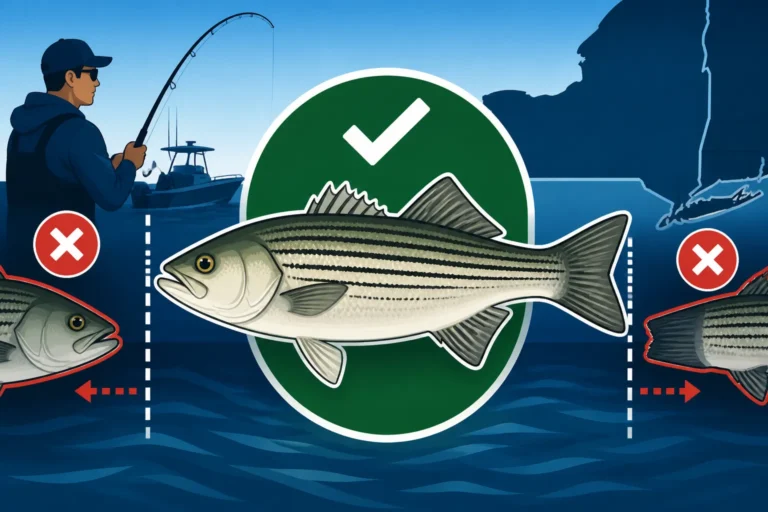
The purpose of this registry isn't to collect fees, but rather to help the state gather crucial data on recreational saltwater fishing effort. This information is vital for managing marine fish populations, setting responsible catch limits for species like striped bass and fluke, and complying with federal marine fisheries mandates. Registering is a simple process and can be done quickly online through the DEC's website or by phone. Even if you're a freshwater angler who occasionally ventures into tidal waters, this free registration is a must-do. Failing to register can result in a fine, so don't overlook this quick and free step!
What Happens if You Fish Without a License?
It's tempting sometimes, especially if you're just dipping a line in a local pond for "a few minutes," to think, "What's the harm?" But the truth is, fishing without a proper license in New York State is a violation of the law, and the consequences can be more significant and inconvenient than many people realize. It's not just a minor slap on the wrist; it can impact your wallet, your reputation, and even your future ability to fish.
Fines and Legal Consequences
If a New York State Environmental Conservation Officer (ECO) catches you fishing without a valid license, you're looking at a ticket and a fine. The exact amount of the fine can vary depending on the specific circumstances, such as whether it's your first offense, if you were also violating other fishing regulations (like keeping an out-of-season fish), or if you provided false information. However, you can generally expect a fine that is significantly higher than the cost of simply buying a license in the first place. These fines are designed to be a deterrent, making it clear that skirting the rules isn't worth the risk.
Beyond the immediate financial penalty, you might also face additional court costs or surcharges. In some cases, repeated offenses or more serious violations could lead to misdemeanor charges, which become a part of your legal record. This isn't just a hypothetical scenario; ECOs are regularly patrolling New York's waterways, both visible and discreetly, to ensure compliance. They are dedicated professionals committed to protecting the state's natural resources, and they take violations seriously. The easiest way to avoid this unpleasant experience is simply to ensure your license is valid before you even leave home. For a detailed breakdown, see our guide on Fishing Without a License in New York: What Happens.
The Impact on Your Fishing Privileges
While a fine is the most immediate consequence of fishing without a license, there's another, often more painful, repercussion for avid anglers: the potential loss of fishing privileges. Depending on the severity of the offense and your history of violations, the DEC has the authority to suspend or revoke your privilege to fish in New York State for a period of time. Imagine being told you can't fish for a year, or even longer, all because you skipped a simple license purchase. For many, that's a far worse punishment than any monetary fine.
This revocation isn't limited to just fishing; severe violations can sometimes impact other outdoor privileges, like hunting. The system is designed to educate and enforce responsible behavior, and repeated non-compliance can brand you as a risk to the ecosystem or a disrespectful user of shared resources. It's a reminder that fishing is not an inherent right but a privilege that comes with responsibilities. Always carry your license with you when fishing – whether it's a physical copy or a digital one on your phone – to avoid any misunderstandings and protect your ability to enjoy the sport you love. And remember, ignorance of the law is generally not considered a valid excuse.
Keeping Your License Current and Accessible
You've done the hard work, navigated the options, and purchased your New York fishing license. Great! But the job isn't quite done. To ensure a season of worry-free angling, you need to know how to keep that license current, what to do if it goes missing, and how to make sure it's always on hand when you're on the water. These practical tips will save you headaches and ensure you're always in compliance, ready to fish at a moment's notice.
Renewing Your License Seamlessly
Like most annual permits, your New York fishing license has an expiration date. Typically, annual licenses are valid for one year from the date of purchase. For instance, if you bought your license on April 15th, 2024, it would expire on April 14th, 2025. It’s important to pay attention to this date to avoid accidentally fishing without a valid license. Thankfully, renewing is just as easy as purchasing it initially. You can renew your license online through the DEC's licensing system, often well in advance of the expiration date. This is a quick process, especially if your information is already stored in their system.
Alternatively, you can visit any license-issuing agent, such as a local sporting goods store or town clerk's office, to renew in person. Many anglers appreciate this option as it allows them to pick up some fresh bait or chat with local experts while they're there. The DEC often sends out reminders as your expiration date approaches, but it’s always a good idea to set your own reminder, too. Missing a renewal date is a common reason people accidentally fish without a license, and it’s an easy mistake to avoid with a little planning.
Replacing a Lost or Damaged License
We've all been there – that moment of panic when you realize your wallet is gone, or your license accidentally went through the wash. Don't worry, a lost or damaged New York fishing license isn't the end of the world, and replacing it is relatively simple. If you purchased your license online, you can often log back into your account on the DEC's website and simply print another copy. This is probably the quickest and most convenient method. Many people even keep a digital copy of their license on their smartphone for easy access in such situations.
If you purchased in person or prefer to get a physical replacement, you can visit any license-issuing agent. They can look up your record in the system and print a duplicate license for you, often for a small administrative fee. While it's always best to keep your license safe, these replacement options ensure that a minor mishap doesn't derail your fishing plans for long. Just remember, until you have a valid replacement in hand (or digitally accessible), you should not be fishing.
Digital vs. Physical License: What to Carry
In today's digital age, many states, including New York, have embraced the convenience of digital licenses. When you purchase online, you'll often receive an email with a printable PDF version of your license. You can save this to your smartphone or other mobile device and present it to an ECO if requested. This can be incredibly convenient, eliminating the need to carry a physical card or piece of paper, and reducing the risk of loss or damage to a physical document. You might even find useful accessories like waterproof phone cases on Amazon to protect your digital license and device while on the water.
However, there's a strong argument to be made for still carrying a physical copy. Cell service can be spotty in remote fishing locations, and a dead phone battery renders your digital license useless. A printed copy, perhaps laminated or kept in a waterproof wallet (you can find many sturdy options on Amazon), provides a reliable backup. Many seasoned anglers carry both, ensuring they are covered no matter the situation. The most important thing is that you have a valid, accessible copy of your license on your person whenever you are fishing in New York. This simple habit will prevent any unnecessary complications and allow you to fully enjoy your time outdoors. You can even find fishing vests with dedicated license pockets on Amazon, making accessibility even easier.
Disclaimer
The information provided in this guide is intended for general informational purposes only and does not constitute legal advice. Fishing regulations and license requirements in New York State are subject to change by the New York State Department of Environmental Conservation (DEC). While we strive to keep this information accurate and up-to-date, it is the angler's sole responsibility to consult the official DEC website, current fishing regulations guide, or contact the DEC directly for the most current and authoritative information before engaging in any fishing activities. Compliance with all state and federal fishing laws is mandatory.