Fluke vs Summer Flounder: Same Fish, Different Name
It's a common head-scratcher when you hear anglers talking about "fluke" one minute and "summer flounder" the next. Are they just being fancy with their words, or is there a genuine difference? Well, let me tell you, that confusion is completely understandable, and it's a question I've heard countless times from folks fishing our beautiful New York waters. You might have seen "summer flounder" on official regulations documents and then heard your buddy at the tackle shop excitedly chatting about catching a monster "fluke." This guide is here to clear up that persistent puzzle once and for all, diving deep into what these fish are and why they go by two names.
The Official Story: Understanding Summer Flounder
When you delve into the scientific world, or even just read the official New York State Department of Environmental Conservation (DEC) regulations, the term you'll consistently encounter is "summer flounder." This is the recognized common name for the species Paralichthys dentatus, a fascinating flatfish that calls our coastal waters home, especially as the temperatures warm up.
Biological Characteristics and Habitat
Summer flounder, like all flounder, are masters of disguise. They are flatfish, meaning their bodies are compressed laterally, allowing them to lie flat on the bottom, perfectly camouflaged. What's truly unique about them is their eyes – both migrate to one side of their head during their larval development. For summer flounder, those eyes typically end up on the left side of their body when viewed from above, which is a key identifying feature. Their coloration is usually a mottled blend of browns, grays, and even some olive green, allowing them to seamlessly blend into sandy or muddy bottoms. They can actually change their hue to match their surroundings, a remarkable adaptation for ambush predation.
In New York, you'll find summer flounder predominantly in marine and estuarine environments, favoring sandy or muddy bottoms where they can burrow themselves, leaving only their eyes exposed. They are particularly fond of areas near structure like jetties, mussel beds, and channel edges, where baitfish tend to congregate. These fish are migratory, moving into shallower, warmer coastal waters during the spring and summer months – hence the "summer" in their name – and retreating to deeper, offshore waters as the colder weather approaches. This migration pattern is crucial for anglers to understand, as it dictates when and where you're most likely to find them.
Life Cycle and Diet of the Summer Flounder
The life cycle of the summer flounder begins with spawning, which typically occurs offshore during the late fall and early winter months as they migrate away from the coast. The tiny eggs and larvae drift with the currents, eventually making their way into our estuaries and coastal bays, which serve as crucial nursery grounds. Here, the young flounder grow rapidly, feeding on small invertebrates and progressing through their amazing transformation from a bilaterally symmetrical larva to an adult flatfish with both eyes on one side.
As they mature, their diet becomes more varied and robust. Adult summer flounder are opportunistic predators, and they're not particularly picky. They'll gorge themselves on just about any available baitfish, including spearing, anchovies, bunker (menhaden), and smaller porgies. They also have a strong appetite for squid, crabs, and other crustaceans. This diverse diet is why they respond so well to a wide array of baits and lures, which is excellent news for us anglers! Understanding their feeding habits and preferred prey is half the battle when trying to entice one to bite your hook.
The Angler's Favorite: Calling Them Fluke
Now, let's talk about "fluke." If you've spent any time on the docks, walked into a tackle shop on Long Island, or chatted with a seasoned captain about targeting these fish, you've undoubtedly heard the name "fluke" used more often than "summer flounder." It's not a different species; it's simply the universally accepted, colloquial term among recreational anglers in this region.
The Popular Angler's Term
The transition from the official "summer flounder" to the angler-friendly "fluke" is a fascinating linguistic journey. For many, "fluke" is just easier and quicker to say, rolling off the tongue in a way that "summer flounder" doesn't quite manage. It's a term steeped in tradition, passed down through generations of New York anglers who have pursued this prized game fish. This isn't unique to New York; many fish species have multiple local names, making fishing conversations vibrant but sometimes confusing for newcomers. Imagine someone asking for "porgy" bait, while the official name might be scup! The term "fluke" is deeply embedded in the fishing culture of the Northeast, and it’s a name that immediately conjures images of delicious fillets and exciting battles.
When you're out on the water, you'll hear captains call out "Fluke on!" with excitement, never "Summer flounder on!" It's part of the shared language of the fishing community, and embracing it helps you connect with fellow anglers and local experts. Don't be surprised if you buy a fishing guide on Amazon and see both terms used interchangeably or with a note explaining the regional difference. It’s just how we talk about our fish here.
Recreational Fishing for Fluke
Targeting fluke is one of the most popular summer pastimes for anglers across Long Island and throughout New York's coastal waters. The thrill of feeling that distinct "thump" or subtle tug on your line, followed by the dogged fight of a good-sized fluke, is incredibly addictive. Most recreational anglers employ drift fishing techniques, allowing their bait or lure to move naturally with the current along the bottom, mimicking a wounded baitfish or scuttling crustacean. This method is incredibly effective, especially in areas with good tidal flow or light wind. You can find some excellent gear for this on Amazon, from rods and reels to specialized fluke rigs.
Common setups include light to medium-action spinning or baitcasting rods paired with braided line for sensitivity, allowing anglers to feel even the most delicate bites. As for bait, classic choices like strips of squid, live minnows (like spearing or killifish), or a combination of both on a tandem rig are perennial favorites. Artificial baits, particularly scented soft plastics like Gulp! swimming mullets or grub tails, have also become incredibly effective, often outperforming natural bait on certain days. Many anglers will combine a strip of natural bait with a Gulp! artificial for the ultimate attractor. When you head out, you'll want to be familiar with How to Fish for Fluke on Long Island Sound and understand that feeling the subtle bite often means a trophy is nearby.
The Truth Revealed: They Are Indeed the Same Fish
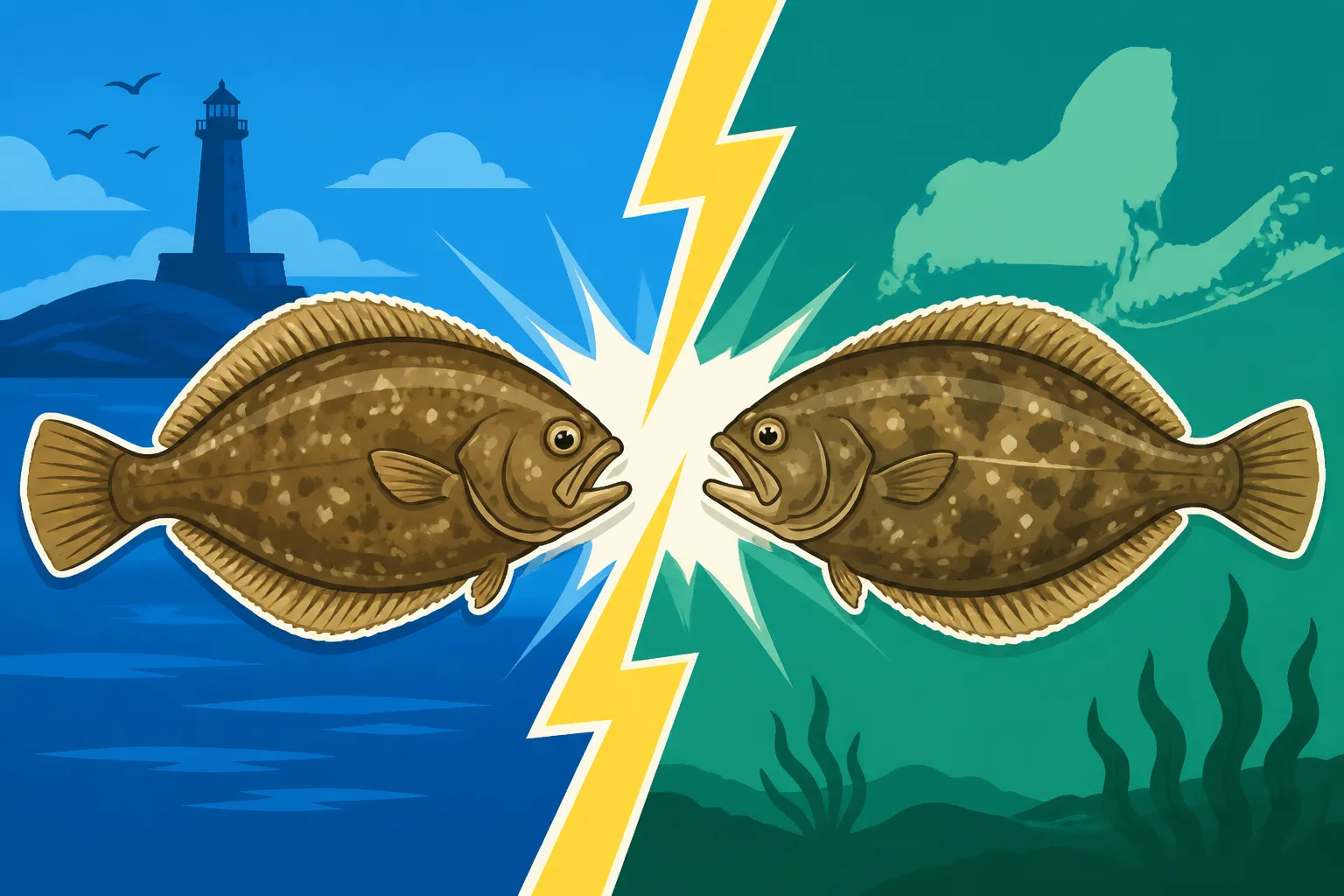
So, let's put the mystery to bed: fluke and summer flounder are absolutely, unequivocally, the same fish. There's no scientific distinction, no hidden subspecies, no different genetic makeup. It's purely a matter of nomenclature and regional preference, much like calling soda "pop" or "coke" depending on where you grew up.
The Naming Convention Explained
The scientific community recognizes Paralichthys dentatus as its formal name, ensuring that researchers and fisheries managers worldwide are all talking about the exact same creature. The official common name, designated by regulatory bodies and fisheries organizations across the Atlantic coast, is "summer flounder." This name is descriptive, accurately reflecting its preference for warmer waters during certain seasons. However, the angling public, particularly in New York and other Mid-Atlantic states, has long adopted "fluke" as their preferred term.
This divergence in naming can certainly lead to confusion, especially for new anglers or those visiting from other regions. You might be reading the New York Fishing Regulations Explained and seeing "summer flounder," then hear someone at a local bait shop refer to "fluke season," and wonder if you need two different licenses or if they're different fish entirely. Rest assured, whether you call it a fluke or a summer flounder, you're referring to the same delicious, hard-fighting flatfish. The regulations apply equally, regardless of the name you use in conversation.
Regional and Regulatory Context
The reason for this dual identity often comes down to practicality and tradition. Regulatory agencies like the New York DEC use "summer flounder" to maintain consistency with federal regulations and scientific terminology, which is essential for managing fish stocks and setting catch limits accurately. This standardization helps in data collection and communication across state lines and with federal partners. However, on the ground, the common vernacular often prevails. Local fishing communities, charter captains, and tackle shop owners have used "fluke" for generations, and it's simply what people recognize and respond to.
It's similar to how some folks might call a largemouth bass a "bucketmouth" or a "green trout"—these are nicknames, not official classifications. When you're talking about fishing in New York, knowing both terms is beneficial. You'll understand the official paperwork, and you'll fit right in with the local lingo. Don't stress about using the "wrong" name; everyone will know what you mean. Just make sure you understand the rules, like the New York Fishing Season Dates and Catch Limits for whatever name you prefer!
Here's a quick table to help clarify the terms:
| Category | Common Angler Term | Official Common Name | Scientific Name | Key Characteristic |
|---|---|---|---|---|
| Identity | Fluke | Summer Flounder | Paralichthys dentatus | Eyes on the left side of the body |
| Preferred Habitat | Sandy/Muddy Bottoms | Sandy/Muddy Bottoms | Sandy/Muddy Bottoms | Camouflages into surroundings |
| Seasonality | Summer Season | Summer Flounder | Migratory to warmer waters | Moves offshore in colder months |
| Fishing Method | Drift fishing | Drift fishing | Ambush Predator | Responds well to bottom baits and lures |
Identification and Fishing Success Tips
Knowing that fluke and summer flounder are the same fish is one thing, but knowing how to consistently find and catch them is where the real fun begins. Success often comes down to a keen eye for identification, understanding their habits, and employing the right techniques.
Telling Them Apart From Other Flounder Species
While summer flounder (fluke) are easily recognized by their left-sided eyes, it's worth noting that other flounder species exist in New York waters. Winter flounder, for example, are another popular target, but their eyes are typically on the right side of their head. This "left vs. right" eye orientation is a definitive way to tell them apart, even if their coloration might be similar. Summer flounder also tend to have a larger mouth with more prominent teeth compared to their winter counterparts, indicating their more predatory nature. The body shape of a fluke is also generally more elongated and slender than some other flounder species, which might appear rounder or thicker.
When you're out on the water, pay close attention to these details. If you're unsure, a quick glance at the eyes is usually all it takes. These nuances are important, not just for bragging rights, but because regulations (size and bag limits) can differ slightly between species, even for flatfish. Knowing your catch ensures you're always fishing legally and responsibly.
Essential Gear and Techniques for Summer Flounder/Fluke
To maximize your chances of success, having the right gear is crucial. For rods, a sensitive 6-foot 6-inch to 7-foot medium-light to medium power spinning or casting rod with a fast action tip is ideal. This allows you to feel the subtle bites and quickly set the hook. Pair it with a reel spooled with 15-30 lb braided line for superior sensitivity and strength. A fluorocarbon leader of 20-30 lb test is also a good idea, as it's nearly invisible underwater and resistant to abrasion. Many anglers find great deals on these setups by checking out tackle offerings on Amazon.
When it comes to techniques, drift fishing is king. You want your bait or lure to be presented right on the bottom, moving naturally with the current. Bucktail jigs, often tipped with a squid strip or Gulp! bait, are incredibly effective. The jig provides weight to get to the bottom and an enticing profile, while the added bait enhances scent and appeal. Another popular setup is a "fluke rig," which typically consists of a sinker at the bottom, and one or two dropper loops above it, each holding a baited hook. Experiment with different colors of bucktails and Gulp! baits, as fluke can be surprisingly particular on certain days. Don't forget to check out articles like Best Drift Speed for Fluke Fishing and How to Rig a Fluke Fishing Rod for more in-depth advice.
Regulations and Conservation Efforts
Staying informed about current regulations is not just about avoiding fines; it's about being a responsible angler and contributing to the conservation of this valuable fishery. Size limits, bag limits (how many fish you can keep), and season dates for summer flounder (fluke) are set by the DEC in cooperation with federal management plans. These regulations can change year to year based on stock assessments and conservation goals. It’s absolutely essential to check the latest New York fishing regulations before each season or trip. You can usually find these detailed guides online or pick up a physical copy at a local tackle shop or DEC office.
Conservation efforts for summer flounder are vital to ensure healthy populations for future generations of anglers. These efforts include not just regulating catches but also protecting critical habitat, especially the shallow estuarine nursery areas where young flounder grow. Practicing proper catch-and-release techniques for any fish you don't intend to keep, or those that don't meet the size requirements, is also crucial. This means minimizing handling, using de-hooking tools, and getting the fish back into the water quickly and gently. Every angler plays a role in sustaining this incredible resource.
Disclaimer
This article is for general informational purposes only and does not constitute professional advice. Laws, prices and regulations vary by location and change over time. Consult a qualified professional for guidance on your specific situation.