Are Sea Lamprey a Threat to New York’s Salmon?
For anglers who cherish New York’s incredible fishing opportunities, particularly our renowned salmon and trout fisheries, the mention of "sea lamprey" can strike a chord of concern, and rightfully so. Many wonder just how serious a threat these creatures pose to our beloved salmon populations. This guide dives deep into the reality of sea lamprey, their impact on New York's valuable salmon, steelhead, and trout, and the extensive efforts underway to keep them in check, ensuring our waters remain vibrant for generations to come.
Understanding the Sea Lamprey: An Invasive Species
Before we can truly grasp the threat, it's essential to understand what a sea lamprey is and why it's such a problematic presence in New York's freshwater systems. It’s not just another fish in the lake; it’s an ancient, parasitic species that has drastically altered ecosystems where it doesn't belong.
What Exactly is a Sea Lamprey?
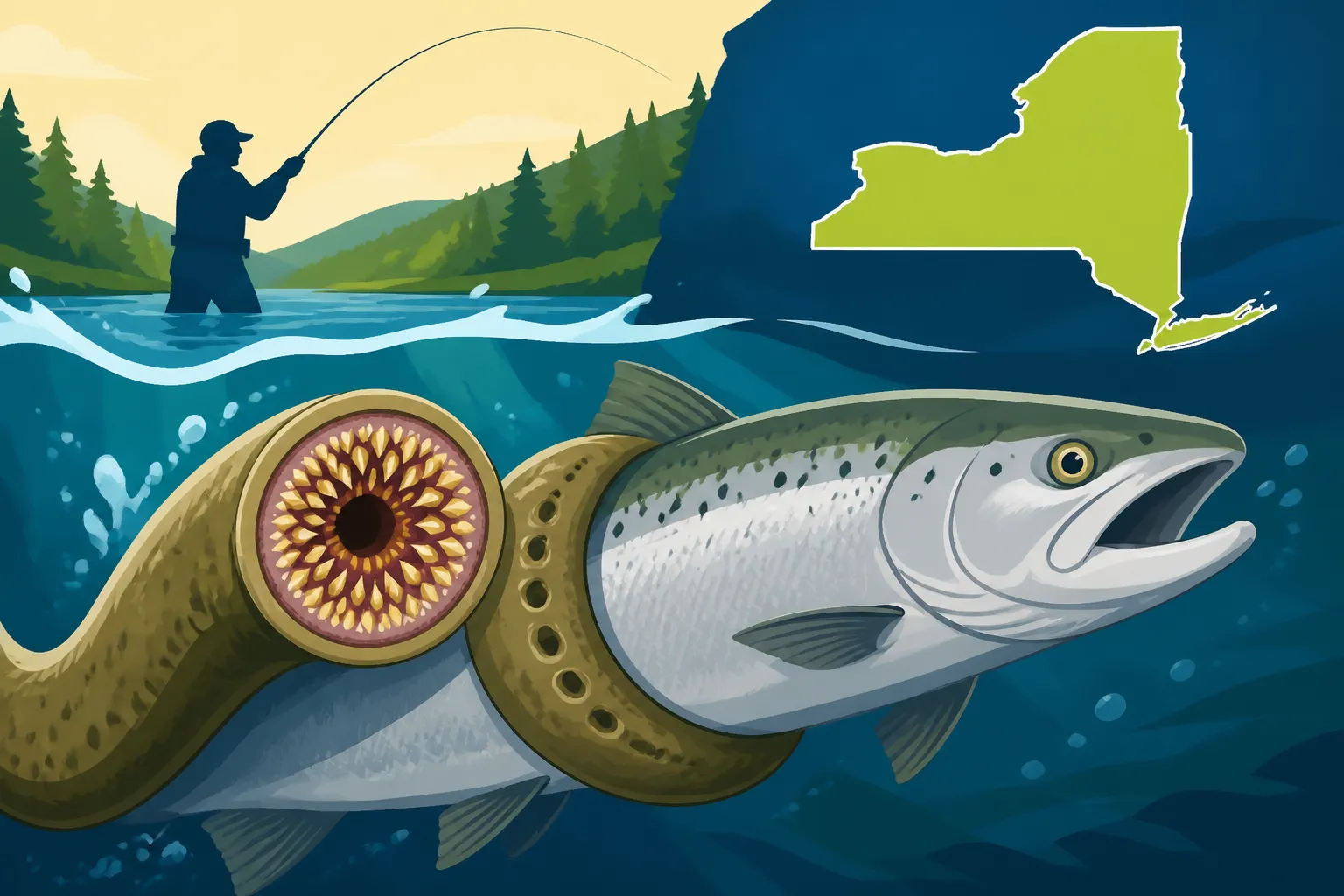
Imagine an eel-like creature, but instead of jaws, it has a large, circular, sucking disc for a mouth, lined with row upon row of horny teeth. That's a sea lamprey. These primitive, jawless fish are native to the Atlantic Ocean, where they've co-evolved with saltwater fish that have developed defenses and resilience against their parasitic attacks. However, when introduced to freshwater environments like the Great Lakes and New York's Finger Lakes, they encounter fish that lack these natural defenses, making them incredibly vulnerable.
Sea lamprey have a fascinating, albeit destructive, life cycle. They begin life as blind, filter-feeding larvae called ammocoetes, burrowed in the sandy or silty bottoms of freshwater streams for several years. Once they transform into parasitic adults, they migrate into larger bodies of water, like Lake Ontario or Cayuga Lake, where they spend 12-18 months attaching to fish. They latch on with their suction-cup mouth, rasp through scales and skin, and feed on the blood and body fluids of their host. This parasitic stage is where the real damage occurs, before they return to streams to spawn and die.
How Did Sea Lamprey Get Into New York's Inland Waters?
The journey of the sea lamprey from the Atlantic Ocean into the heart of New York's freshwater fishing grounds is a classic tale of unintended consequences. Natural barriers like Niagara Falls historically prevented these marine invaders from colonizing the upper Great Lakes. However, human ingenuity, in the form of canals, unwittingly opened the floodgates.
The construction of the Erie Canal in the early 19th century and, more significantly, the Welland Canal bypass around Niagara Falls in the early 20th century provided a highway for sea lamprey. These canals allowed them to bypass the natural waterfall barriers and gain access to Lake Ontario and eventually the other Great Lakes. From there, through interconnected river systems and even deliberate stocking efforts (unbeknownst at the time of their destructive nature), they established populations in other significant New York waterways, including some of our deeper Finger Lakes. Once established, their prolific breeding and lack of natural predators in these new environments allowed their populations to explode, setting the stage for significant ecological disruption.
The Devastating Impact on New York's Salmon and Trout Fisheries
The presence of sea lamprey has created a persistent challenge for fishery managers and a direct threat to the very fish species that draw anglers to New York from far and wide. Without active intervention, the impacts would be catastrophic.
The Direct Threat to Salmon and Trout
The primary concern for anglers is the direct, parasitic attack on our beloved salmon and trout. Sea lamprey are indiscriminate feeders, but they particularly target large, coldwater species, which makes New York's premier game fish, such as Chinook salmon, Coho salmon, brown trout, steelhead (rainbow trout), and especially lake trout, highly susceptible. When a sea lamprey attaches, it doesn't just leave a mark; it actively drains the host's vitality.
A single lamprey can kill up to 40 pounds of fish in its parasitic lifetime. Even if a fish survives an attack, it's left with a gruesome, often gaping wound. These wounds weaken the fish, making them more vulnerable to disease, secondary infections, and predation. They become less agile, less able to feed effectively, and their chances of successfully spawning are greatly reduced. Imagine reeling in a trophy Chinook, only to find it covered in fresh lamprey scars – it's a disheartening sight that speaks volumes about the constant pressure these fish endure. For species like the lake trout, which were historically decimated by lamprey, this threat directly impedes natural reproduction and recovery efforts. These impacts are felt directly by anglers, as fewer, less healthy fish mean a diminished fishing experience and reduced populations for future seasons. Many charter captains operating on Lake Ontario Fishing Charters in New York can tell you stories about the years before effective lamprey control, when it was common to see fish covered in wounds.
Ecological Ripple Effects
Beyond the direct harm to individual fish, the unchecked proliferation of sea lamprey creates far-reaching ecological ripple effects that destabilize the entire aquatic food web. Our salmon and trout species, particularly lake trout, are often apex predators in their ecosystems. When their populations decline due to lamprey predation, it removes a critical control on populations of smaller baitfish.
In an ecosystem where top predators are suppressed, the delicate balance can easily tip. Overpopulations of certain prey species can lead to increased competition for food resources among themselves, and potentially impact other species that share their diet. Before intensive control efforts, sea lamprey nearly wiped out native lake trout in the Great Lakes, fundamentally altering those ecosystems. Restoring these native populations has been an uphill battle, requiring massive stocking efforts and decades of management, all while maintaining rigorous lamprey control. The health of our fisheries is intrinsically linked to this continuous fight, affecting everything from the success of spawning runs to the overall biodiversity and resilience of New York's lakes and rivers.
New York's Battle Against the Sea Lamprey
The good news is that the threat posed by sea lamprey is not unaddressed. For decades, New York, in cooperation with federal and international partners, has been at the forefront of robust and highly effective control programs that have transformed our fisheries.
Integrated Pest Management (IPM) Strategies
New York, primarily through the New York State Department of Environmental Conservation (DEC) and in close partnership with the Great Lakes Fishery Commission (GLFC), employs an integrated pest management (IPM) approach to control sea lamprey populations. This isn't a single solution but a combination of highly targeted strategies that work in concert:
- Lampricides: The most effective tool in the arsenal is the targeted application of lampricides, primarily TFM (3-trifluoromethyl-4-nitrophenol) and, less frequently, Bayluscide (niclosamide). These chemicals are applied to streams and rivers where sea lamprey larvae (ammocoetes) are known to reside. The beauty of lampricides is their specificity: they are designed to be toxic to larval lamprey at concentrations that are generally safe for other fish species and wildlife when applied correctly. Applications are carefully timed, precisely measured, and conducted by trained professionals to ensure maximum effectiveness against lamprey and minimal impact on the broader ecosystem. This crucial phase prevents millions of destructive adult lamprey from ever entering our main fishing grounds.
- Barriers: Physical barriers, such as low-head dams or specially designed sea lamprey barriers, are strategically placed in spawning streams. These structures prevent adult sea lamprey from migrating upstream to suitable spawning habitats. While lamprey are excellent climbers, these barriers create an impassable obstacle, effectively cutting off access to prime nursery grounds. This reduces the number of lamprey larvae that hatch in the first place, complementing the lampricide program.
- Trapping and Sterilization: Traps are also used to capture adult lamprey as they attempt to migrate upstream to spawn. These traps not only help to remove lamprey from the system but also provide valuable data on population sizes and distribution. In some cases, male lamprey are captured, sterilized, and then released back into the environment. These sterile males compete with fertile males for spawning opportunities, leading to unsuccessful reproduction and further reducing lamprey populations over time.
This multi-pronged approach has drastically reduced sea lamprey populations from their historical highs, allowing species like our beloved salmon and trout to rebound and thrive, creating the world-class fisheries we enjoy today.
The Role of Collaborative Efforts
The battle against sea lamprey is far too extensive and complex for any single state or agency to tackle alone. It's a testament to international cooperation, especially within the Great Lakes basin. The Great Lakes Fishery Commission (GLFC) plays a pivotal role, coordinating lamprey control efforts across both U.S. and Canadian waters of the Great Lakes. This international body funds research, sets control priorities, and facilitates the coordinated application of lampricides and other measures.
Here in New York, the DEC works hand-in-hand with the GLFC, implementing control measures in our portion of the Great Lakes and other affected inland waters like the Finger Lakes. This collaborative effort extends to continuous monitoring of lamprey populations, assessing the health of fish species, and conducting research to develop even more effective and environmentally friendly control methods. It's a never-ending commitment, but one that has demonstrably paid off, ensuring that our shared aquatic resources remain healthy and productive. Understanding these regulations and the need for ongoing control is part of being a responsible angler in New York; you can always find up-to-date information in the New York Fishing Regulations Explained.
What Anglers Need to Know and How to Help
As anglers, we're on the front lines, often seeing the direct evidence of sea lamprey activity. Knowing what to look for and how you can indirectly support these crucial conservation efforts is an important part of enjoying our New York fishing heritage.
Identifying a Lamprey Wound
Spotting a lamprey wound on a fish can be unsettling, but it’s helpful to know what you’re looking at. Sea lamprey leave very distinctive marks. A fresh wound will typically be a circular, often raw, reddish lesion with a visible hole where the lamprey's mouth was attached. You might even see teeth marks in a ring around the center. These fresh wounds indicate a recent attack and can be quite jarring to encounter.
Older, healed lamprey scars, on the other hand, will appear as circular or oval-shaped patches of discolored, often silvery or white, scar tissue. The skin might be slightly rougher in these areas, but the wound itself will have closed. Finding these healed scars is actually a positive sign in some ways; it means the fish survived the attack, and it also confirms that lamprey are present and control efforts are necessary. If you encounter fish with numerous fresh, severe wounds, especially if it's a consistent pattern, consider reporting your observations to the New York DEC, as it could provide valuable data for their monitoring efforts. It’s a stark reminder of why species like Chinook Salmon in New York and Steelhead Trout in New York need active management to thrive.
Supporting Healthy Fisheries
As anglers, we have a direct stake in the health of New York's fisheries and, by extension, the ongoing fight against invasive species like the sea lamprey. One of the most fundamental ways we contribute is by simply purchasing our fishing licenses. The revenue generated from New York Fishing License Costs and Options goes directly to supporting the DEC's conservation programs, which include lamprey control, fish stocking, habitat restoration, and enforcement of fishing regulations. Every license purchased, whether online or at a local bait shop or even through retailers that sell general outdoor equipment like Amazon, contributes to these vital efforts.
Beyond that, practicing responsible angling, such as adhering to New York Freshwater Fishing Rules and proper Catch-and-Release Handling Rules, helps ensure that the fish populations remain robust and resilient. Healthy fish are better equipped to withstand environmental stresses, including potential lamprey attacks. Understanding the species you're targeting, like the various Fish Species You Can Catch in New York and the specific regulations for them, empowers you to be a better steward of our waters. It's a continuous cycle: we support the resource, the resource provides great fishing, and responsible management keeps invasive threats at bay.
| Control Method | Description | Primary Target Stage | Advantages | Considerations |
|---|---|---|---|---|
| Lampricides | Chemicals (TFM, Bayluscide) applied to streams and rivers with known larval lamprey populations. | Larval (Ammocoetes) | Highly effective at reducing populations; targeted to lamprey with minimal impact on other species. | Requires precise timing and application; public perception concerns; ongoing monitoring for non-target effects. |
| Barriers | Physical structures (dams, specialized barriers) built in streams to block adult lamprey migration upstream. | Adult (Spawning) | Prevents adults from reaching critical spawning habitats; long-lasting once installed. | Can impact other migratory fish; high initial cost; maintenance required. |
| Traps | Devices placed in streams to capture adult lamprey during their spawning migrations. | Adult (Spawning) | Provides data on lamprey populations; allows for removal or use in sterilization programs; non-chemical. | Less effective at large-scale population control compared to lampricides; labor-intensive. |
| Sterilization | Male lamprey are captured, sterilized, and released to compete with fertile males, resulting in failed spawning. | Adult (Spawning) | Environmentally friendly; targets reproduction without chemicals; can be used in conjunction with traps. | Logistically complex; research-intensive; efficacy depends on sufficient numbers of sterile males. |
Disclaimer
This article is for general informational purposes only and does not constitute professional advice. Laws, prices and regulations vary by location and change over time. Consult a qualified professional for guidance on your specific situation.