Maximum Size of Sturgeon in the Hudson River
Oh, the mighty Hudson! It's a river that holds so many secrets and supports such incredible life. For many anglers, there's a certain mystique about the truly ancient, massive fish that swim in its depths, and none quite capture the imagination like the sturgeon. You might have heard whispers of their incredible size, perhaps even seen a photo or two of these majestic, prehistoric-looking creatures. It’s natural to wonder just how big these leviathans truly get. This guide is here to unravel that mystery, diving deep into the maximum size these incredible sturgeon species can reach in our beloved Hudson River, and why they hold such a special place in New York's aquatic ecosystem.
Understanding Sturgeon Species in the Hudson River
When we talk about sturgeon in the Hudson, we're primarily focusing on two distinct species: the Atlantic sturgeon and the shortnose sturgeon. Both are truly unique, representing a lineage that stretches back millions of years, earning them the nickname "living fossils." They navigate the same waters, but they have some key differences, especially when it comes to their ultimate size potential. Understanding these distinctions is crucial to appreciating just how grand these fish can become.
Atlantic Sturgeon: The Giants Among Us
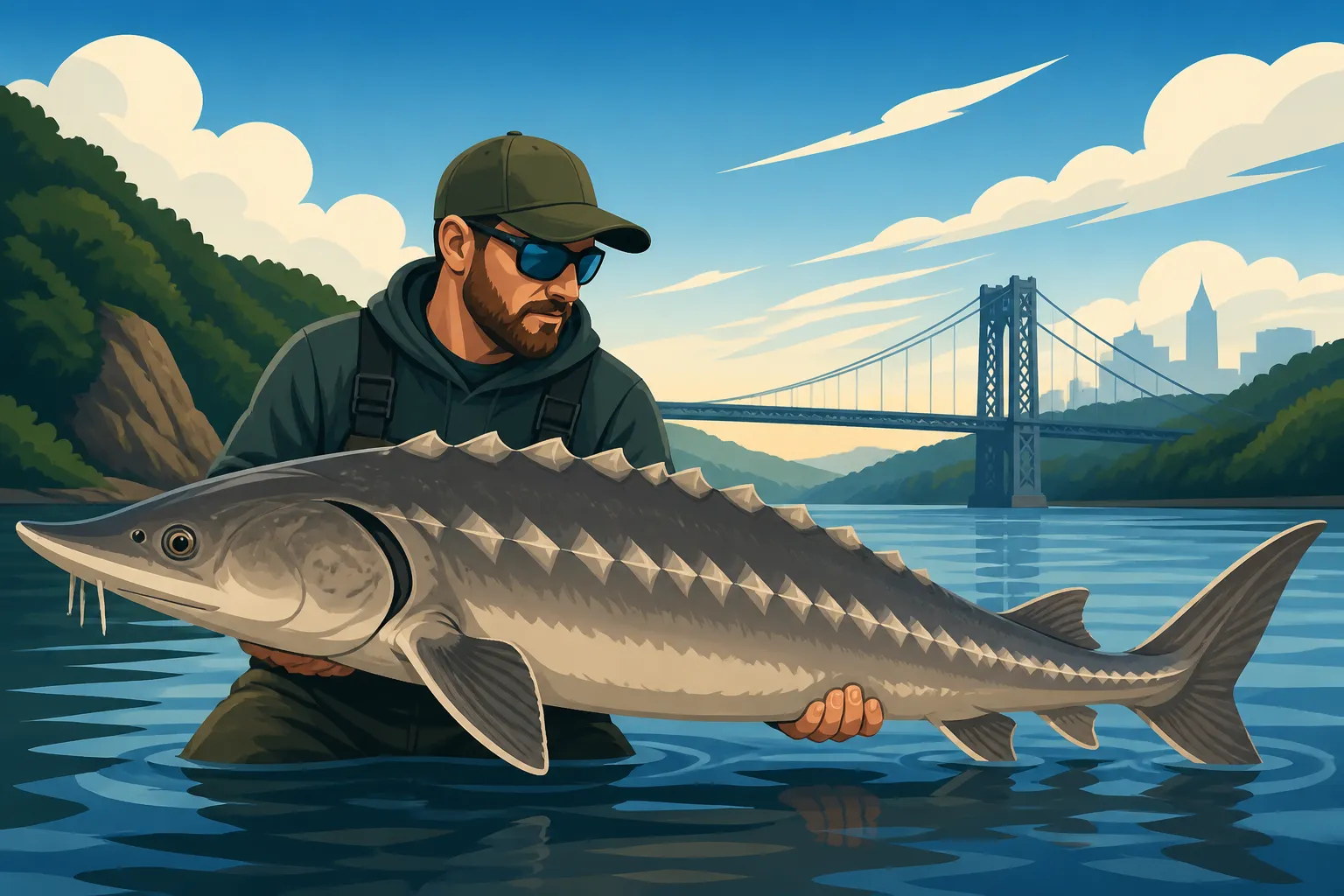
The Atlantic sturgeon (scientific name: Acipenser oxyrinchus oxyrinchus) is undeniably the poster child for massive fish in the Hudson River. These are the true titans, the species that inspires awe and stories. Historically, their numbers were staggering, and they were a vital part of the river's ecosystem and human economy. Their sheer size makes them an unmistakable presence, even if you only catch a glimpse. These fish are built for longevity and growth, with a cartilaginous skeleton and bony plates (scutes) that give them their armor-plated look.
Their life cycle is slow and deliberate, taking many years to reach maturity, which contributes directly to their potential for monumental size. Imagine a fish that could have been swimming in the Hudson before your grandparents were born! Unfortunately, overfishing in previous centuries and habitat degradation took a severe toll on their populations. Today, the Atlantic sturgeon is a federally protected species, meaning it is strictly illegal to target, catch, or possess them. If you accidentally hook one, it must be released immediately and unharmed. This protection is vital for their recovery and for ensuring these incredible giants continue to grace the Hudson for generations to come. Is the Atlantic Sturgeon Protected in New York? is a great resource if you want to learn more about their protected status.
Shortnose Sturgeon: Smaller, But Still Significant
While the Atlantic sturgeon grabs headlines with its impressive dimensions, let's not forget its equally fascinating cousin, the shortnose sturgeon (Acipenser brevirostrum). As their name suggests, they have a distinctly shorter, more rounded snout compared to the Atlantic sturgeon's pointed nose. Don't let their "shortnose" moniker fool you into thinking they're small fry; they are still a substantial fish, certainly far larger than your average bass or trout. However, they simply don't reach the gargantuan proportions of the Atlantic sturgeon.
Shortnose sturgeon also hold significant ecological importance in the Hudson. They tend to prefer the brackish, tidal freshwater sections of the river, often not venturing as far out into saltwater as their Atlantic relatives. Like the Atlantic sturgeon, they are also a protected species, though their numbers have generally fared a bit better due to their slightly different habitat preferences and perhaps being less aggressively targeted historically. Catching one, even accidentally, requires careful and immediate release. Both species are a testament to the Hudson's incredible biodiversity and the success of ongoing conservation efforts. For a deeper dive into the river's inhabitants, check out Fish Species Found in the Hudson River.
The Astonishing Maximum Size of Hudson River Sturgeon
So, let's get down to the thrilling question: just how big do these ancient fish actually get in the Hudson? It's a question that sparks awe and sometimes disbelief, but the numbers truly speak for themselves. The potential for growth in a healthy, long-lived species like the sturgeon is astounding, making them some of the largest fish you can encounter in North American fresh and estuarine waters.
Documented Lengths and Weights
When we talk about the "maximum size" of sturgeon in the Hudson River, it's important to differentiate between historical accounts and what we observe today. In the past, when sturgeon populations were abundant and individuals lived to their full, natural lifespans without intense fishing pressure, records indicate truly colossal fish.
For Atlantic Sturgeon, historical records from the late 19th and early 20th centuries describe individuals reaching lengths of up to 14 feet and weighing over 800 pounds! Imagine encountering a fish longer than your car and heavier than a small motorcycle. These truly were river monsters. While such massive specimens are extremely rare today, largely due to centuries of intense fishing pressure and slower recovery rates, Atlantic sturgeon in the Hudson are still observed to reach impressive sizes. It's not uncommon for researchers to encounter adults in the 6-8 foot range, weighing 150-300 pounds. Occasionally, individuals nearing the 10-foot mark are documented, showing that the genetic potential for immense growth is still very much present. These fish are often very old, a testament to their incredible resilience.
The Shortnose Sturgeon, while robust, is considerably smaller. They generally top out at around 3 to 4 feet in length and weigh between 15 to 25 pounds, with exceptional individuals possibly reaching up to 5 feet and around 40 pounds. While not the "giants" of the Atlantic species, a 4-foot fish with ancient lineage and powerful build is still an incredible sight to behold. To reiterate, we are talking about the Maximum Size of Sturgeon in the Hudson River itself, truly a marvel.
Here’s a quick comparison of the two species' maximum potential:
| Feature | Atlantic Sturgeon (Hudson River) | Shortnose Sturgeon (Hudson River) |
|---|---|---|
| Historical Max Length | Up to 14 feet | Up to 5 feet (exceptional) |
| Historical Max Weight | Over 800 pounds | Up to 40 pounds (exceptional) |
| Common Adult Length | 6-8 feet | 3-4 feet |
| Common Adult Weight | 150-300 pounds | 15-25 pounds |
| Longevity | Up to 60+ years, potentially 100+ | Up to 30-40 years |
| Conservation Status | Federally Protected (Endangered) | Federally Protected (Endangered) |
Factors Influencing Growth and Size
The journey to becoming a truly massive sturgeon isn't a quick one. Several crucial factors play into how large an individual fish can grow within the Hudson River ecosystem.
First and foremost is age. Sturgeon are incredibly long-lived fish. Atlantic sturgeon, in particular, can live for 60 years or more, with some estimates suggesting lifespans over 100 years in undisturbed environments. This extended lifespan allows for continuous growth, albeit at a slowing rate after sexual maturity. The longer they live, the more opportunity they have to pack on length and weight.
Food availability and quality are also critical. The Hudson River, especially in its estuarine sections, is a rich ecosystem teeming with invertebrates and smaller fish that make up a sturgeon's diet. A steady supply of nutritious food means more energy for growth. On the flip side, periods of scarcity or poor water quality can stunt growth.
Habitat quality and environmental conditions are paramount. Clean water, suitable spawning grounds, and ample foraging areas directly impact a sturgeon's health and ability to thrive. Pollution, habitat destruction, and impediments to migration (like dams, though less of an issue for sturgeon in the main stem of the Hudson) can all limit a population's overall health and the maximum size individuals can attain. The ongoing efforts to clean up the Hudson River have undoubtedly played a role in the slow but steady recovery of these magnificent fish, giving them a better chance to reach their full potential.
Finally, genetic potential plays its part. Just like in humans, some sturgeon are simply predisposed to grow larger than others. However, without favorable environmental conditions and enough time, even a genetically blessed sturgeon won't reach its peak size. All these elements combined create the conditions necessary for the Hudson's sturgeon to grow into the impressive specimens we occasionally hear about or are lucky enough to encounter.
Sturgeon Lifespan and Growth Patterns
One of the most remarkable aspects of sturgeon is their incredible longevity and the unique way they grow. Unlike many fish species that have relatively short, fast-paced lives, sturgeon are in it for the long haul, and that commitment to life is what allows them to achieve their awe-inspiring sizes.
Slow and Steady Wins the Race
Imagine a fish that could be a living witness to a century of human history. That's the reality for some Atlantic sturgeon. Their lifespan is truly extraordinary, often spanning several decades, and for the largest individuals, potentially even a century. This extended life cycle is a fundamental reason they can attain such immense dimensions. They don't rush through life; they experience it slowly, deliberately, accumulating size year after year.
Their growth curve isn't a straight line. Like many fish, they experience more rapid growth in their younger years when they're establishing themselves and building basic body mass. However, even this "rapid" growth is slow compared to many other species. Once they reach sexual maturity – which can take anywhere from 8 to 20 years for Atlantic sturgeon, depending on sex and environmental factors – their growth rate slows considerably. From then on, it's a gradual, steady increase, adding inches and pounds over many, many seasons. It's a true testament to patience and persistence, a life lived at a pace many other river inhabitants can only dream of.
The Journey from Hatchling to Giant
The life of a sturgeon in the Hudson River is a fascinating journey. It begins with tiny eggs laid in the river's freshwater sections, often over hard-bottomed areas in early summer. Once hatched, the larval sturgeon drift downstream, eventually settling in brackish waters where they feed and grow. As juveniles, they'll spend their early years in the river's estuary, finding safety and abundant food. It’s a critical nursery habitat for them.
As they mature, especially the Atlantic sturgeon, they embark on migrations. These migrations can take them out of the Hudson River and into the Atlantic Ocean, where they forage along the coast, sometimes traveling hundreds of miles. They then return to the Hudson, their natal river, to spawn. This cycle of migration, feeding, and returning contributes to their overall health and provides the varied diet necessary for sustained growth. The Hudson River serves as a vital corridor and home range for these fish throughout their long lives, providing both the freshwater spawning grounds and the estuarine feeding areas. Understanding these movements is critical for conservation, ensuring that all parts of their journey are protected. The New York Fishing Regulations Explained can offer insights into the broader regulatory landscape that protects all species in our waters.
Encountering and Protecting Hudson River Sturgeon
Given their protected status and their often incredible size, encountering a sturgeon in the Hudson River can be a memorable, if accidental, experience. It's crucial for every angler to understand the proper protocols to ensure these magnificent fish remain unharmed.
Accidental Catches and Proper Handling
It's important to remember that deliberately targeting sturgeon in the Hudson River is strictly prohibited. However, due to their presence in the river, it is possible to accidentally hook a sturgeon while fishing for other species like striped bass or catfish. Should this happen, your immediate priority is the safety and well-being of the sturgeon.
Here’s what you absolutely must do:
- Do Not Remove from Water: If possible, keep the sturgeon in the water at all times. Their large size and delicate internal organs are not suited for being out of their element.
- Cut the Line: If you cannot safely remove the hook without causing harm, cut your line as close to the hook as possible. Barbless hooks would be ideal in areas where sturgeon are prevalent, as they are easier to remove or will dislodge more readily.
- Avoid Contact with Gills and Eyes: If you must handle the fish to cut the line, support its body gently and avoid touching its sensitive gills or eyes.
- Minimize Stress: Work quickly and calmly to minimize the fish’s stress. Do not attempt to take photos that require lifting the fish out of the water, and do not parade it around.
- Report Serious Injury: If you accidentally hook a sturgeon and believe it is seriously injured, or if you find a deceased sturgeon, you should immediately contact the New York State Department of Environmental Conservation (DEC) to report it.
Following these guidelines ensures that if you do have a chance encounter with one of these ancient giants, you're doing your part to protect them. For more general advice on responsible angling, take a look at Catch-and-Release Handling Rules. Even if you're targeting other species, it's wise to have an emergency plan for sturgeon release, especially if you're fishing in areas like Best Fishing Spots on the Hudson River.
Conservation Efforts and the Future of Sturgeon
The story of the Hudson River sturgeon is one of both challenge and hope. Their populations were decimated by historical overfishing, particularly for their meat and caviar, and habitat degradation. However, thanks to dedicated conservation efforts over the past few decades, there are signs of recovery for both Atlantic and shortnose sturgeon. Both species are listed as endangered under the Endangered Species Act, a powerful legal tool that provides stringent protections.
These efforts include stricter fishing regulations, habitat restoration projects, and ongoing scientific research to monitor their populations and understand their needs better. Organizations and state agencies work tirelessly to identify critical spawning and nursery habitats, mitigate pollution, and educate the public on the importance of these species. Every time an angler practices responsible catch-and-release, or chooses to use gear that minimizes harm, they are directly contributing to these broader conservation goals.
The future of these magnificent creatures in the Hudson depends on continued vigilance and responsible stewardship from everyone who enjoys the river. While we might not see 14-foot sturgeon commonly swimming in our lifetime, the hope is that with sustained efforts, these populations will continue to grow and thrive, ensuring that the ancient giants of the Hudson remain a vital part of New York's natural heritage. You can find books and guides on fish identification and conservation, which can be a valuable resource for learning more about species like the sturgeon, on platforms like Amazon. It's truly incredible to think about the journey they've made and the challenges they continue to overcome. Remember, learning about New York's Most Popular Freshwater Fish often means learning about those that need our help the most. The presence of sturgeon is a real barometer for the overall health of the entire river system, making their well-being something we should all care deeply about.
Disclaimer
This article is for general informational purposes only and does not constitute professional advice. Laws, prices and regulations vary by location and change over time. Consult a qualified professional for guidance on your specific situation.