New York Resident Fishing License Cost
Figuring out the exact cost for a New York resident fishing license can feel like navigating a maze, especially with all the different options, age brackets, and potential add-ons. It’s not always as simple as a flat fee, and many anglers, both new and seasoned, find themselves scratching their heads trying to decipher the pricing structure. This comprehensive guide is here to untangle that confusion, breaking down everything you need to know about the costs associated with getting your New York resident fishing license, from annual passes to specialized options and discounts.
What Defines a "Resident" for a New York Fishing License?
Before we dive into the numbers, it’s crucial to understand what the New York State Department of Environmental Conservation (DEC) considers a "resident." This isn't just a formality; it directly impacts how much you’ll pay for your license, with residents typically enjoying significantly lower rates than nonresidents. Misunderstanding this can lead to purchasing the wrong license or, even worse, unknowingly fishing illegally.
Establishing Residency: The 30-Day Rule
The cornerstone of New York State residency for licensing purposes is the 30-day rule. Generally, to qualify as a resident, you must have resided in New York State for at least 30 consecutive days immediately prior to applying for your license. This isn't just about owning property; it's about making New York your primary domicile. You need to be able to demonstrate an intent to make New York your fixed and permanent home, not just a temporary stop.
Imagine you're moving from Pennsylvania to a new job in Buffalo. You might have found an apartment, signed a lease, and started working. But if you’ve only been there for two weeks, the DEC might still consider you a nonresident for licensing purposes. You’d need to wait until that 30-day mark passes before you can legitimately claim resident status for your fishing license. It's a key detail often overlooked, leading to frustration at the point of purchase.
Common Scenarios: Students, Military, and Property Owners
Life is complicated, and so are residency definitions for some folks. Let's look at a few common scenarios.
For students, if you’re enrolled in a New York State college or university and reside here for the school year, you generally qualify as a resident for licensing purposes, even if your "permanent" home is out of state. The key is that consistent 30-day physical presence in New York. However, if you're a New York resident student studying out of state and only returning for holidays or short breaks, you maintain your New York residency.
Military personnel stationed in New York are generally considered residents for fishing license purposes, regardless of their state of legal residence, after 30 days of continuous presence in the state. This is a common courtesy and benefit extended to those serving our country. Conversely, if you're a New York resident serving out of state, you maintain your resident status.
Property owners who don't actually reside in New York for 30 consecutive days prior to their application are often surprised to find they don't qualify as residents. Owning a vacation home on Lake George doesn't automatically make you a resident in the eyes of the DEC if you primarily live in New Jersey. Your property tax bill doesn’t serve as proof of residency for fishing license purposes. It’s all about where you primarily live. This often catches seasonal visitors off guard, leading to them needing a New York Nonresident Fishing License Cost instead.
Why Residency Matters for License Pricing
The difference in cost between a resident and a nonresident license is substantial. New York State prioritizes its residents, offering them more affordable access to the state's incredible fisheries as a benefit of living and contributing to the state. These lower fees are a way to encourage local participation in outdoor recreation and acknowledge the ongoing contributions residents make to the state's economy and conservation efforts through their taxes.
For example, a standard annual fishing license for an adult resident in New York is significantly less than what an out-of-state visitor would pay for a comparable license. This pricing structure helps ensure that the state's natural resources are accessible and affordable for those who call New York home. It's a system designed to encourage residents to get out on the water, whether they're casting for trout in the Catskills or chasing bass in the Finger Lakes.
The Standard Annual Resident Fishing License: Your Go-To Option
For most New York residents who plan to fish regularly throughout the year, the annual fishing license is the most practical and cost-effective choice. It provides coverage for an entire license year, letting you enjoy all the fishing New York has to offer without constantly worrying about your license expiring.
Current Costs for Adults 16-69 Years Old
For the vast majority of adult anglers residing in New York, specifically those aged 16 through 69, the standard annual fishing license is priced around $25. This fee is consistent across the state and covers both freshwater and the recreational marine fishing registry, which is a big plus as you don't need two separate licenses for different water types in most cases.
When you're comparing costs, that $25 might seem like another expense, but think about the value. It grants you access to countless lakes, rivers, streams, and coastal waters, from the salmon runs on the Salmon River to the striped bass opportunities in the Hudson. It's truly a passport to the rich aquatic biodiversity of the Empire State. While the cost is subject to change in future years, for instance, you might look up the New York Resident Annual Fishing License Cost 2026 when that time comes, the current pricing offers excellent value.
Understanding the Annual Licensing Period and Expiration
Unlike some other states where licenses might be valid for 365 days from the purchase date, New York's annual fishing licenses operate on a fixed license year. The New York State fishing license year traditionally runs from March 1st through February 28th/29th of the following year. So, if you purchase your annual license in July, it will still expire on the last day of February, just like a license purchased the previous March.
This fixed period is crucial to remember. Many anglers make the mistake of thinking their license is good for a full year from the date they bought it, only to find themselves fishing without a valid license come late winter. Always check the expiration date on your license. It's printed right there, usually near the bottom. The DEC does a good job of sending renewal reminders, especially if you’ve signed up for their electronic notifications, which is a smart move. Renewing online is often the easiest way to go, and you can learn more about How to Renew Your New York Fishing License Online to keep your fishing adventures uninterrupted.
The Value Proposition of an Annual License
At $25, the annual resident fishing license offers incredible value. Consider this: even if you only go fishing a few times a year, the cost per trip is minimal. A single 1-day license is typically $5, so if you fish five or more times, the annual pass pays for itself. Beyond the pure economics, it offers peace of mind. You don't have to scramble to buy a license every time an impromptu fishing opportunity arises, like a last-minute trip to Lake Ontario with friends.
Furthermore, your license fees directly support vital conservation efforts across the state. This includes stocking programs for trout and salmon, habitat restoration projects, research into fish populations, and the enforcement efforts that protect our aquatic resources. When you buy an annual license, you're not just buying the right to fish; you're investing in the future of New York's fisheries. It's a small contribution that makes a huge difference in maintaining the quality of fishing we all enjoy.
Specialized Resident License Options and Their Costs
While the annual license is popular, New York also offers several specialized options that cater to different needs and interests, from multi-sport enthusiasts to those just looking for a quick day on the water.
Combination Hunting and Fishing Licenses: A Dual-Purpose Solution
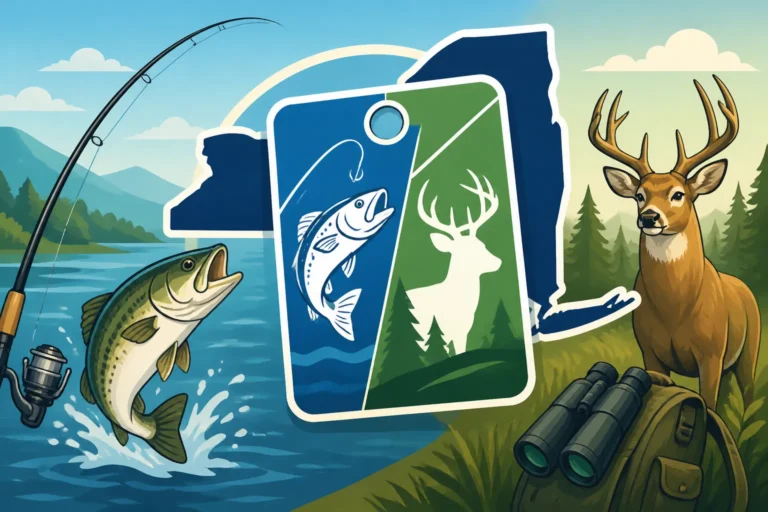
For the outdoor enthusiast who loves both chasing game in the woods and casting lines in the water, the combination hunting and fishing license is a fantastic, cost-saving option. Instead of purchasing two separate annual licenses, you can often get both at a reduced combined rate.
For New York residents aged 16-69, a standard annual resident combination hunting and fishing license typically costs around $47. Compare this to buying a separate annual hunting license (around $22) and an annual fishing license (around $25), which would total $47 anyway. So, while the price isn't a discount in this specific instance compared to buying them separately, it offers the convenience of a single purchase and a unified license document. This single license simplifies record-keeping and ensures you're covered for both activities. It's a streamlined approach for those who truly embrace New York's diverse outdoor offerings. You can find more details about this convenient option in a guide like the one on New York Combination Hunting and Fishing License.
The New York Freshwater Fishing Guide for Short-Term Needs: 1-Day Licenses
Sometimes, you just want to spend a single day fishing, maybe trying out a new spot, joining a friend, or perhaps you're a casual angler who only gets out once or twice a year. For these situations, the 1-day resident fishing license is perfect.
A 1-day resident fishing license in New York usually costs around $5. This is an excellent option for casual anglers or those introducing friends or family to the sport who don't want to commit to an annual pass. It provides all the same privileges as an annual license for that 24-hour period. Just be sure the date is accurate for when you plan to fish! It's also a great way for new anglers to test the waters, so to speak, before committing to a full year. If you find yourself enjoying it, upgrading to an annual license makes sense. This flexibility is part of what makes New York Fishing License Costs and Options so versatile.
Enhancing Your Experience: Trout/Salmon Stamps and Other Add-ons
Beyond the basic fishing license, New York offers specialized "privileges" or "stamps" that allow you to participate in certain types of fishing, usually for specific species or in particular waters. The most common of these for residents is the Trout/Salmon Stamp.
The New York State Trout/Salmon Stamp (often just called a "Trout Stamp") is an additional privilege that typically costs around $10. This stamp is required if you intend to fish for trout, salmon, or steelhead in "special regulations" waters, or if you want to keep these species anywhere. While your regular fishing license allows you to fish in most waters, this stamp ensures you’re contributing directly to the management and stocking programs that support these prized coldwater species. If you're planning a trip to a renowned trout stream in the Catskills or heading to Lake Ontario tributaries for steelhead, this stamp is a must-have. Don't get caught without one if you're targeting these species; a quick check of What Is a Trout Stamp? can clear up any confusion.
It's important to remember that these stamps are add-ons to your base fishing license, not replacements. You still need your valid fishing license first.
Discounts and Exemptions: Making Fishing More Accessible for Residents
New York State recognizes the contributions of its senior citizens, veterans, and disabled residents, offering reduced rates or exemptions to ensure fishing remains an accessible and enjoyable pastime for everyone.
Fishing License Discount for Seniors Over 70
New York is quite generous when it comes to its senior anglers. If you are a resident and are 70 years of age or older, you qualify for a significantly reduced annual fishing license. This senior resident annual fishing license typically costs only $5. This is a wonderful initiative to keep experienced anglers on the water and to encourage lifelong participation in outdoor activities.
Many seniors cherish their time fishing, whether it's reminiscing about past catches or making new memories with grandchildren. This discount acknowledges that and removes a financial barrier, ensuring that fishing remains a vital part of their leisure and well-being. It’s also often a point of pride for older anglers, a small perk earned after years of contributing to the community. For those approaching this age, it's definitely something to look forward to! More details can be found on specific discounts like the Fishing License Discount for Seniors Over 70.
Support for Veterans and Disabled Anglers
New York State also extends its support to veterans and residents with qualifying disabilities.
Veterans who are New York residents and have a service-connected disability of 40% or more, as certified by the U.S. Department of Veterans Affairs, are eligible for a free annual fishing license. This is a small token of gratitude for their service and sacrifice, ensuring they can enjoy the tranquility and challenge of fishing without the added expense.
For disabled anglers who are New York residents and meet specific eligibility criteria (e.g., permanent and severe physical disability), there are also opportunities for reduced-cost or free fishing licenses. The exact requirements often involve documentation from a medical professional or state agency. These programs are designed to ensure that physical limitations do not become financial barriers to enjoying the outdoors. If you or someone you know might qualify, it's always worth looking into the specific requirements on the DEC website or checking out resources like Fishing License Options for Disabled Anglers. These provisions demonstrate a commitment to inclusivity in New York's outdoor recreational opportunities.
Do Kids Need a Fishing License to Fish in New York?
This is a question that comes up a lot, especially for families looking to introduce their children to the joys of fishing. And it’s great news for parents and guardians:
Children under the age of 16 do NOT need a fishing license to fish in New York State.
This exemption is fantastic because it removes any financial hurdle for young, aspiring anglers. It encourages families to get out on the water together, making fishing an accessible activity for kids from a very young age. This means you can grab a few poles, some bait, and head to a local pond or stream with your little ones without worrying about extra paperwork or costs for them. However, children must still abide by all other fishing regulations, including catch limits, minimum sizes, and season dates. It's a perfect opportunity for parents to teach responsible angling practices from day one. If you're ever in doubt, the guide on Do Kids Need a Fishing License to Fish in New York? provides a clear answer.
Where and How to Purchase Your Resident Fishing License
Once you know which license you need, the next step is actually acquiring it. Thankfully, New York offers several convenient ways for residents to purchase their fishing licenses.
Online Convenience: The NYS DEC Automated Licensing System
In today's digital age, buying your fishing license online is often the quickest and easiest method. The New York State DEC operates an Automated Licensing System (ALS) that allows you to purchase your license from the comfort of your home, 24/7.
Here’s how it typically works: You visit the official NYS DEC website, navigate to the licensing section, create an account (or log in if you already have one), select the resident fishing license you need, add any necessary stamps or privileges, and complete the payment using a credit or debit card. Once the transaction is complete, you can usually print a temporary license right away, which is valid immediately. Your official license card might be mailed to you, or you can often access a digital copy on your phone. This method eliminates trips to a physical store and is especially helpful if you decide to go fishing last minute. It's truly a game-changer for convenience, allowing you to get your How to Get a Fishing License in New York quickly.
In-Person Purchases: Sporting Goods Stores and Municipal Offices
If you prefer a face-to-face transaction, or if you need assistance with your purchase, there are plenty of physical locations where you can buy your resident fishing license.
- Sporting Goods Stores: Many larger sporting goods retailers, like your local Dick's Sporting Goods or independent tackle shops, are licensed vendors for the DEC. These stores often have knowledgeable staff who can help you choose the right license and answer any basic questions about local regulations. It’s also a great opportunity to pick up some bait, tackle, or other fishing essentials. You might even find some good deals on gear if you check their fishing section – and yes, you can usually find a great selection of rods, reels, and lures from brands like Shimano and Berkley on sites like Amazon if you're doing some online comparison shopping.
- Town, City, and County Clerks' Offices: Most municipal offices, such as town halls or county clerk offices, also serve as license issuing agents. These are reliable spots, particularly if you’re in a more rural area where sporting goods stores might be scarce. The staff there are generally very efficient at processing licenses.
- DEC Regional Offices: While not always the most convenient for everyone, DEC regional offices can also issue licenses. This is a good option if you have more complex questions or need specific guidance directly from the DEC.
When buying in person, remember to bring proof of residency (like a New York State driver's license or non-driver ID), and payment. Some locations might only accept cash for smaller transactions, so it's always good to be prepared.
Understanding Transaction Fees and Final Costs
While the base cost of your resident fishing license is set by the DEC, you might notice a slight difference in the final price when purchasing in person or even online. This is usually due to small transaction or agent fees.
- Agent Fee: When you purchase a license from a vendor (like a sporting goods store or a town clerk's office), they are typically allowed to charge a small agent fee, often around $1.00 to $2.00. This fee compensates the vendor for their service in processing the license. It's a standard practice and not something to be alarmed about.
- Online Transaction Fees: Sometimes, online purchases might include a small processing fee charged by the payment gateway, though the DEC often absorbs these or includes them in the stated price. Always check the final total before completing your online transaction.
It's important to remember that these small fees are usually minimal and contribute to the convenience of having multiple purchase options. They don't represent a hidden cost but rather the operational expenses associated with making licenses widely available. The bottom line is that the core New York Fishing License Costs and Options are transparently published by the DEC, and any minor additional charges are usually clearly stated.
Here’s a quick overview of typical New York Resident Fishing License Costs for the current license year:
| License Type | Resident Age 16-69 (Approx. Cost) | Resident Age 70+ (Approx. Cost) | Notes |
|---|---|---|---|
| Annual Fishing License | $25 | $5 | Covers freshwater and marine fishing registry. |
| 1-Day Fishing License | $5 | $5 | Valid for 24 hours. |
| Annual Combination Hunting & Fishing | $47 | N/A | Includes annual hunting license. Seniors 70+ usually get individual discounts for each. |
| Trout/Salmon Stamp (Add-on) | $10 | $10 | Required for specific species/waters, in addition to a base license. |
| Lifetime Fishing License | Varies by age (e.g., $440 for 12-69) | Varies by age | One-time purchase, valid for life. Excellent long-term value. |
| Disabled Veteran/Qualifying Disabled Resident | Free | Free | Requires proof of eligibility (e.g., 40%+ service-connected disability or severe physical disability). |
Note: Costs are approximate for the current license year and are subject to change by the NYS DEC. Always check the official DEC website for the most up-to-date pricing.
Common Questions and Misconceptions About Resident License Costs
Even with all the information laid out, some questions and myths still pop up regarding fishing license costs. Let's tackle a few of the most common ones to ensure you're fully informed.
Are There Any Hidden Fees or Sales Tax?
One of the most common worries people have is that there might be hidden charges tacked onto the advertised price of a fishing license. It's a fair concern, especially with many online transactions these days.
The good news is that there are no hidden fees or sales tax directly applied to the base price of a New York fishing license.
The price you see listed on the DEC website for a resident annual fishing license is essentially what you pay, barring the minor agent fees we discussed earlier if buying in person. New York State does not charge sales tax on fishing licenses. The DEC is quite transparent with its pricing, so you won't encounter any surprises like an unexpected "environmental surcharge" or "processing fee" appearing out of nowhere on your final bill. The costs are clearly defined, giving you confidence in your purchase. This transparency is part of the overall New York Fishing License Guide that the DEC strives for.
Understanding Agent Fees at Retailers
We touched on agent fees briefly, but it's worth reiterating and clarifying. When you buy your license from a local bait shop, a large retailer like a Bass Pro Shops, or a town clerk's office, you will typically see a small additional charge of around $1.00 to $2.00 added to the license price. This is not the retailer pocketing extra money; it's an authorized fee set by the DEC to compensate these vendors for their service.
These agents play a crucial role in making licenses accessible across the state, especially in areas far from DEC offices or for those who prefer not to use online systems. They handle the administrative work, print your license, and provide local support. So, while it's an extra dollar or two, consider it a convenience fee that supports local businesses and ensures you can get your license quickly and easily, wherever you are. It helps keep places like your local tackle shop viable, a place where you might also pick up some specific lures that are proving effective in nearby waters, perhaps even some of the popular Rapala or Mepps brands you often see recommended by anglers on fishing forums or in reviews on Amazon.
What Happens If You Get Caught Fishing Without a License?
This isn't about cost, but rather about the consequences of not paying the cost. It's a common misconception that fishing without a license is a minor offense. In New York, it's taken seriously.
If you're caught fishing without a valid license or the required stamps (like a Trout/Salmon Stamp), you could face significant penalties. This isn't just a slap on the wrist.
Typically, the fine for fishing without a license in New York can range from $50 to $250, plus a mandatory surcharge. In some cases, depending on the circumstances or if you're a repeat offender, the fines can be even higher. Additionally, your fishing equipment might be confiscated, and you could lose your fishing privileges for a period. It's a much more expensive outcome than simply buying the $25 annual license. The hassle, embarrassment, and potential legal issues are definitely not worth trying to save a few dollars. Always ensure you have your valid license on you while fishing, whether it's a physical copy or an accessible digital version on your phone. To avoid any unpleasant surprises, familiarize yourself with the Penalties for Fishing Without a License in New York.
Making the Most of Your New York Resident Fishing License
Investing in a New York resident fishing license is more than just purchasing a permit; it's an entry ticket to incredible outdoor experiences and a direct contribution to the health of our shared natural resources.
Knowing Your Responsibilities Beyond Just the Cost
Once you have your license in hand, the responsibility doesn't end there. As an angler, you have a crucial role to play in conservation and responsible recreation. This means:
- Understanding Regulations: Your license allows you to fish, but it doesn't exempt you from the rules. Familiarize yourself with the New York Freshwater Fishing Rules or New York Fishing Regulations Explained for the specific waters you'll be visiting. This includes size limits, daily creel limits, season dates, and specific gear restrictions (like circle hook requirements for striped bass bait fishing on the Hudson). These regulations are designed to protect fish populations and ensure sustainable fishing for generations to come.
- Practicing Catch and Release Properly: If you're not keeping fish, learn how to handle them gently to minimize stress and injury, especially for fragile species like trout.
- Respecting Private Property: A license doesn't grant you access to private land. Always be aware of property lines and seek permission if necessary.
- Leaving No Trace: Pack out everything you pack in, and leave the fishing spot cleaner than you found it. This simple act helps preserve the natural beauty of New York's fishing destinations.
Being a responsible angler enhances the experience for everyone and protects the resources we all cherish.
Exploring New York's Diverse Fishing Opportunities
With your resident fishing license, the world of New York angling truly opens up. You have access to an incredible array of fish species and diverse fishing environments.
Want to chase trophy Chinook salmon and steelhead? Head to the Lake Ontario tributaries like the Salmon River. Eager to catch world-class smallmouth and muskellunge? The St. Lawrence River awaits. Prefer the quiet solitude of trout fishing? The legendary streams of the Catskills and Adirondacks are calling. And let's not forget the Finger Lakes, teeming with everything from lake trout to largemouth bass.
Your resident license also covers you for the New York State Recreational Marine Fishing Registry, allowing you to venture into saltwater for striped bass, fluke, bluefish, and porgies off Long Island or in Long Island Sound. From tiny brook trout in remote ponds to massive tuna offshore (though tuna require additional permits), New York truly has it all. Don't be afraid to try new spots or target new species; that's part of the adventure!
The Value Beyond the Price Tag
Ultimately, the cost of a New York resident fishing license is a small investment for the immense rewards it offers. It's not just about the fish you catch, but the experiences you gain: the tranquility of a quiet morning on the water, the thrill of a bending rod, the laughter shared with friends and family, and the deeper connection you forge with nature.
Furthermore, your license fees are a direct and tangible way to support the conservation efforts that keep New York's waters healthy and its fish populations thriving. You become an active participant in protecting these valuable natural resources for yourself and for future generations of anglers. So, whether you're a seasoned pro or just starting out, getting your New York resident fishing license is the first, most important step toward countless memorable days on the water. It's an investment in recreation, conservation, and your own well-being.
Disclaimer
Please note that fishing regulations, license requirements, and costs are subject to change by the New York State Department of Environmental Conservation (DEC). While we strive to provide the most accurate and up-to-date information, it is always the angler's responsibility to consult the official NYS DEC website or current fishing regulations guide before engaging in any fishing activities. This guide is for informational purposes only and should not be considered legal advice.