New York’s Finger Lakes Fishing Guides
The Finger Lakes region of New York is absolutely breathtaking, but let's be honest, fishing these expansive, deep lakes can feel incredibly intimidating if you're not familiar with them. It’s easy to feel lost trying to locate fish, understand the complex regulations, or figure out the best techniques for each season. This guide is here to help you navigate the fantastic world of Finger Lakes fishing by exploring how a local fishing guide can transform your experience from frustrating guesswork into an unforgettable and productive adventure.
Why a Finger Lakes Fishing Guide Is Your Best Bet for Success
When you first look out over the vastness of Cayuga, Seneca, or Skaneateles Lake, it's natural to feel a bit overwhelmed. These aren't your typical small ponds; they're deep, glacial lakes with complex ecosystems, varied depths, and a multitude of fish species. Trying to tackle them on your own, especially if you're not a local, can lead to a lot of wasted time and effort, and honestly, sometimes a lot of frustration when the fish just aren't biting. That's where a seasoned Finger Lakes fishing guide truly shines.
Navigating the Nuances of Each Lake
Each of the Finger Lakes has its own distinct personality, its own hidden gems, and its own challenges. What works on Canandaigua Lake for smallmouth bass might be completely ineffective for lake trout on Owasco Lake. A guide lives and breathes these waters, understanding the subtle differences that make all the difference. They know the depths, the structures, the thermoclines, and the seasonal movements of various species.
Imagine spending hours blindly trolling a huge lake, wondering if you're even in the right zip code for fish. A guide eliminates that guesswork. They've spent countless days, weeks, and years learning the patterns, mapping the bottom, and understanding how factors like weather, barometric pressure, and water temperature influence fish behavior. This intimate knowledge is something you simply can't gain from a few online searches or a quick glance at a map. They’ll put you directly over the fish, saving you precious fishing time and increasing your chances of a successful outing exponentially.
Tapping into Local Expertise and Techniques
The Finger Lakes boast an incredible diversity of fish, from trophy lake trout and landlocked salmon lurking in the deep, to feisty smallmouth and largemouth bass in the shallows, and even panfish and northern pike. Each species often requires specific techniques, baits, and tackle. For instance, successfully jigging for walleye at night is a completely different ballgame than slow-trolling spoons for salmon or fly fishing for brown trout in a tributary.
A local guide brings a wealth of specialized knowledge to your trip. They’re not just showing you where to go, but how to fish effectively. They'll have the right gear, from specialized rods and reels to a tackle box full of lures and baits that have proven successful in these specific waters. More importantly, they'll teach you the techniques. They'll show you how to read your electronics, how to present your bait naturally, and how to fight a big fish in deep water. This kind of hands-on learning is invaluable for both novice and experienced anglers looking to sharpen their skills and learn the specific tricks of the trade for the Finger Lakes.
What Kinds of Guides Are Available in the Finger Lakes?
The beauty of the Finger Lakes region is that it caters to almost every type of angler, which means there’s a wide array of guides and services available. Whether you're looking for a deep-water challenge or a relaxing day on the surface, you'll likely find a guide who specializes in your preferred style of fishing or target species. It's not a one-size-fits-all situation, and understanding the options can help you pinpoint the perfect match for your angling dreams.
Specializing in Trolling for Deep-Water Species
Many of the Finger Lakes, like Seneca, Cayuga, and Keuka, are famously deep, cold-water fisheries that are prime habitats for species like lake trout and landlocked Atlantic salmon. If you dream of battling one of these powerful, cold-water giants, you’ll want to look for a guide who specializes in trolling. These operations typically run out of larger, well-equipped boats, often 20 feet or more, rigged with downriggers, planer boards, and advanced sonar systems.
These guides are experts at locating fish suspended at specific depths, sometimes hundreds of feet down, and presenting lures or bait effectively. They understand the intricacies of setting up a multi-rod spread, managing lines, and constantly adjusting to find the strike zone. A guided trolling trip means you're usually covered for all the high-tech gear, including specialized trolling rods, reels, and a vast arsenal of spoons, plugs, and flasher-fly combinations. It’s a fantastic way to experience the thrill of big-game freshwater fishing without having to invest in all the expensive equipment yourself. You might even discover a new passion for How to Fish Deep Water Lake Trout in Summer on New York's Finger Lakes.
Guides for Bass, Walleye, and Panfish Anglers
Not everyone is looking to tangle with deep-water leviathans. Many anglers prefer the excitement of chasing aggressive smallmouth and largemouth bass, the delicious rewards of a walleye hunt, or the pure fun of catching a cooler full of panfish. For these pursuits, you'll find a different breed of guide. These guides often operate out of bass boats or smaller, versatile craft, focusing on the shallower bays, weed lines, drop-offs, and structure where these species thrive.
These experts are masters of casting techniques, whether it's flipping jigs into heavy cover for largemouth, working jerkbaits over rock piles for smallmouth, or vertically jigging for walleye. They understand how different baits perform in varying conditions and will teach you how to properly work a soft plastic, crankbait, or spinnerbait to trigger strikes. They're also often fantastic teachers, eager to share their knowledge on everything from reading fish finders in shallower water to selecting the right color lure for the conditions. If you're looking for a guide who can help you hone your casting skills and consistently find active fish closer to the surface, this is the type of specialist for you. They can really put you on some hot spots, whether you're targeting Best Finger Lake for Bass Fishing or hoping to fill a bucket with tasty perch.
Fly Fishing and Tributary Specialists
While the open waters of the Finger Lakes get a lot of attention, the numerous tributaries that feed into them offer incredible opportunities, especially for trout and landlocked salmon during their seasonal runs. If you're passionate about fly fishing or simply prefer the solitude and challenge of river angling, you’ll want to seek out a guide specializing in these moving water environments.
These guides often lead wading trips or use drift boats to access prime river stretches. They possess an intimate knowledge of entomology, understanding insect hatches and the specific fly patterns that will fool wary trout. They’re also skilled at reading water, identifying holding lies, and teaching casting techniques like roll casts or mend to achieve a drag-free drift. A fly fishing guide can introduce you to the unique rhythms of a Finger Lakes tributary, teaching you how to approach a pool, present a nymph or dry fly, and successfully land a beautiful brown or rainbow trout. This is a truly immersive experience, connecting you with the natural beauty of the region while honing a refined angling skill.
Choosing the Right Finger Lakes Fishing Guide for Your Adventure
Okay, so you're convinced a guide is the way to go – smart move! Now comes the fun part: finding the perfect one. It's not just about picking the first name you see; it's about matching your expectations, your fishing goals, and your personality with a guide who can deliver the experience you're looking for. A little research now can save you a lot of disappointment later.
Researching Reputable Guides and Their Specializations
Start by thinking about what kind of fishing experience you truly want. Are you dead set on catching a trophy lake trout on Seneca Lake, or do you want a family-friendly outing to catch panfish on Keuka? Your target species and preferred fishing style will largely dictate the type of guide you need. Look for guides who explicitly state their specialization. Many will focus on specific lakes or specific fish, which is a good sign of their expertise.
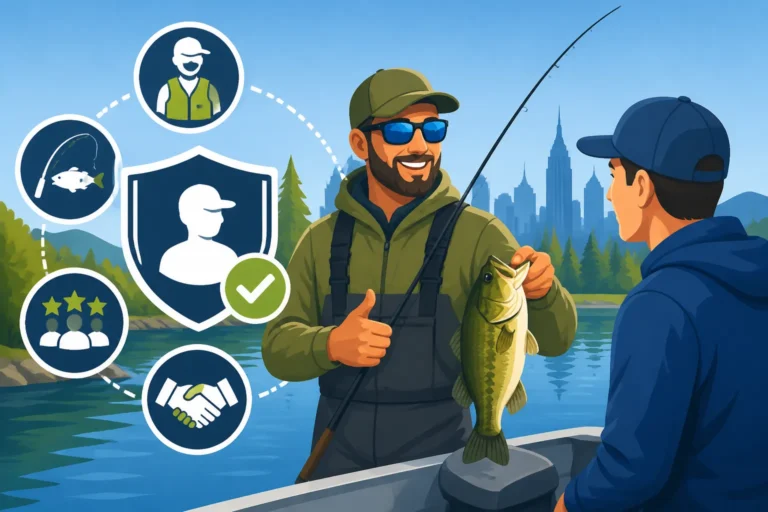
Online resources are a goldmine for this initial research. Websites like FishingBooker are excellent platforms where you can filter guides by location, target species, and even type of boat. You’ll often find detailed profiles, photos of catches, and descriptions of their services. Pay close attention to reviews and testimonials. What do past clients say about their experience? Was the guide patient? Knowledgeable? Did they put clients on fish? A guide with consistently positive reviews, especially those mentioning specific successful trips, is a strong contender. Don't be shy about calling or emailing guides directly with your questions. A good guide will be happy to chat about their offerings and help you determine if they're the right fit. Consider guides featured in articles like New York's Finger Lakes Fishing Guides for a starting point.
What to Ask Before You Book
Once you've narrowed down a few potential guides, it's time to get specific. Don't hesitate to ask questions; it shows you're serious about your trip. Here are some key things to cover:
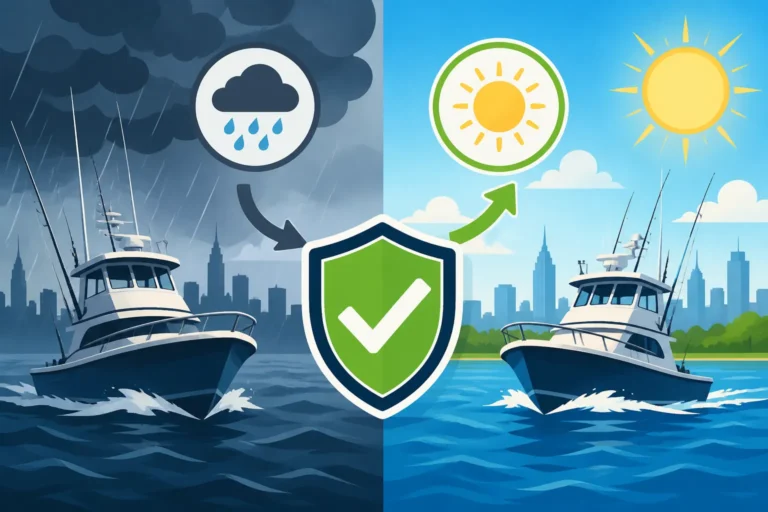
- Availability and Pricing: Get clear on their rates for half-day versus full-day trips. Ask what's included (tackle, bait, bottled water, snacks) and what you should bring. Confirm their cancellation policy, especially regarding weather.
- Target Species and Techniques: Reiterate what you hope to catch and how you prefer to fish. A good guide will be honest about current conditions and what's realistic for your chosen date.
- Boat and Safety: Inquire about their boat's capacity (especially if you have a group) and safety equipment. All reputable guides should have proper licensing and insurance. You want to feel safe and comfortable on the water.
- Experience Level: Let them know your group's experience level, whether you're seasoned anglers or complete beginners. A good guide can tailor the trip to suit everyone.
- License Requirements: Confirm that you understand the New York Fishing License Guide requirements. While guides provide gear, obtaining your fishing license is usually your responsibility. Most guides can help direct you on where to purchase one if you don't already have it. Remember, Fishing License Requirements for Out-of-State Visitors to New York can differ.
- Catch and Keep Policy: Discuss whether it's a catch-and-release trip or if you can keep legal fish, and if the guide offers cleaning services.
Choosing a guide is like choosing a fishing partner for the day, so make sure their style and offerings align with your vision for a perfect Finger Lakes fishing trip.
What to Expect on a Guided Finger Lakes Fishing Trip
You’ve done your homework, booked your guide, and the day is finally here! Stepping onto a charter boat or meeting your guide creekside is an exciting moment, but knowing what to expect can help you relax and truly enjoy the experience. A well-prepared angler is a happy angler, and a guided trip should be a stress-free adventure from start to finish.
Preparation and What to Bring
Even with a top-notch guide, a little personal preparation goes a long way. While the guide will provide most of the essential fishing gear, there are a few items you should definitely bring to make your day more comfortable. Think about the weather – New York weather, especially near large bodies of water, can be notoriously unpredictable. Layers are always a good idea; a fleece jacket or rain shell might be a lifesaver even on a sunny forecast day. Sunglasses and a hat are crucial for eye protection and reducing glare, especially on open water. Sunscreen is non-negotiable, even on cloudy days, as UV rays can still penetrate.
Don't forget your fishing license! Your guide can't provide this for you, and it's absolutely essential. While some guides might have a few snacks and bottled water, it's always smart to bring your own drinks and a sandwich or some energy bars, especially for a full-day trip. A small cooler to take home your catch (if allowed and you plan to keep fish) is also a good idea. Consider the advice in What to Bring on a New York Fishing Charter for a more comprehensive list.
A Typical Day on the Water
The exact schedule will vary based on the guide, the time of year, and your target species, but a typical guided trip usually kicks off bright and early. You'll meet your guide at a pre-arranged spot, often a boat launch or marina. After a quick briefing on safety, the day's plan, and current fishing conditions, you'll head out to the fishing grounds. This might involve a scenic boat ride across the lake to a known hot spot, or a short walk to a prime river bend.
Once at the fishing location, the guide will likely demonstrate the techniques, baiting, or lure presentation. They'll be constantly working to keep you on fish, whether it's adjusting trolling speeds, moving to a new spot, or helping you re-rig after a snag. This is your chance to learn! Ask questions, pay attention to their advice, and don't be afraid to try new things. They're there to help you catch fish and improve your skills. Lunch might be on the water, or you might return to shore briefly, depending on the trip's length and logistics. As the day winds down, you'll head back, hopefully with some great photos and a few stories to tell. If you’ve caught fish, your guide might help with cleaning and packaging them, a truly welcome service.
Here's a quick overview of what you might target on some of the popular Finger Lakes:
| Finger Lake | Primary Target Species | Common Techniques | Best Seasons |
|---|---|---|---|
| Seneca Lake | Lake Trout, Landlocked Salmon, Smallmouth Bass | Trolling (deep), Jigging (bass), Drop-shotting | Spring (salmon/bass), Summer/Fall (lake trout) |
| Cayuga Lake | Lake Trout, Largemouth Bass, Northern Pike | Trolling, Pitching (bass), Live-baiting (pike) | Spring (bass), Summer/Fall (lake trout/pike) |
| Keuka Lake | Lake Trout, Brown Trout, Smallmouth Bass | Trolling, Jigging, Spin-casting | Spring (trout/bass), Fall (trout) |
| Canandaigua Lake | Lake Trout, Brown Trout, Smallmouth Bass | Trolling, Casting (bass), Fly Fishing (tributaries) | Spring (trout/bass), Fall (trout) |
| Skaneateles Lake | Lake Trout, Landlocked Salmon, Smallmouth Bass | Trolling (deep), Light Tackle Casting | Spring/Fall (salmon/trout) |
This table is just a snapshot, as many lakes offer a variety of species and opportunities year-round. For more specific details on various lakes, you can often find dedicated guides, such as a New York's Cayuga Lake Fishing Guide or a New York's Keuka Lake Fishing Guide.
Understanding the Costs and Value of a Finger Lakes Fishing Guide
Let's talk about the elephant in the room: the cost. Investing in a fishing guide isn't always cheap, and it’s a common point of hesitation for many anglers. But it's crucial to look beyond the immediate dollar amount and truly understand the immense value and experience you're gaining. It’s not just a fishing trip; it's an educational outing, an adventure, and often the best way to ensure you actually catch fish in an unfamiliar or challenging environment.
Breaking Down Guide Service Expenses
The cost of a Finger Lakes fishing guide can vary quite a bit, depending on several factors: the length of the trip (half-day versus full-day), the specific lake and target species, the type of boat and equipment provided, and the guide's reputation and experience. Generally, you can expect to pay a set fee for the trip, which usually covers the guide's time, fuel, use of their boat, all necessary fishing tackle, bait, and often some basic refreshments.
It’s important to clarify what's included when you book. Sometimes, fish cleaning services are extra, or perhaps a second guide for larger groups might incur an additional charge. Don't forget about gratuity! Tipping your guide is customary, much like tipping in a restaurant or for other service industries. A good rule of thumb is 15-20% of the trip's total cost, especially if they worked hard and you had a productive day. It's a way to show appreciation for their expertise and effort. For more insight into what's typically expected, you can refer to Tipping Etiquette for New York Fishing Charters. When researching, online platforms like FishingBooker often clearly list pricing structures and what's included, making it easier to compare.
The True Value of a Guided Experience
While the upfront cost might seem substantial, consider what you're actually getting. First and foremost, you're buying knowledge. A guide has spent years, sometimes decades, perfecting their craft on these specific waters. That expertise saves you countless hours of trial and error, not to mention the potential frustration of unproductive days. They know where the fish are, what they’re biting on, and the best techniques to entice them. This means a higher likelihood of success and a much more enjoyable day on the water.
Secondly, you're gaining access to professional-grade equipment. Full-sized boats, top-tier rods, reels, advanced electronics, and a meticulously organized tackle selection represent a significant investment that most casual anglers don't have. Hiring a guide means you get to use all this high-end gear without the cost or hassle of ownership. It’s also an invaluable learning opportunity. A good guide will teach you new techniques, help you refine existing skills, and deepen your understanding of the local fishery. This educational aspect is truly priceless for anyone looking to become a better angler. Finally, it’s about the experience itself—creating lasting memories, sharing laughs, and simply enjoying the beauty of the Finger Lakes, all while someone else handles the logistics and ensures a productive and safe day. Whether you're chasing the Best Finger Lake for Trout Fishing or exploring the bass population, the value often far outweighs the monetary cost.
Disclaimer
This article is for general informational purposes only and does not constitute professional advice. Laws, prices and regulations vary by location and change over time. Consult a qualified professional for guidance on your specific situation.