Niagara River Fishing Guides in New York
Venturing onto the mighty Niagara River for a fishing trip can feel a little daunting if you're not familiar with its powerful currents and unique fishing dynamics. Many anglers feel overwhelmed by the sheer size of the river and wonder where to even begin looking for fish or what techniques will be most effective. This comprehensive guide will walk you through everything you need to know about hiring a Niagara River fishing guide in New York, helping you navigate the options, understand what to expect, and ultimately have a successful and memorable day on the water.
Why the Niagara River is a Premier Fishing Destination
The Niagara River isn't just a conduit for one of the world's most famous waterfalls; it's a phenomenal fishery that consistently produces some of the best angling opportunities in New York State. This unique waterway acts as a vital connection between two of the Great Lakes, funneling massive numbers of fish through its waters, making it a truly special place for anglers seeking a diverse and thrilling experience.
A Unique Ecosystem of Two Great Lakes
What makes the Niagara River truly stand out is its direct connection to both Lake Erie and Lake Ontario. Think about it: this isn't just a river; it's a superhighway for fish migrating between two colossal freshwater seas. This constant flow of water and nutrients, coupled with the seasonal movements of various species, creates an incredibly dynamic and fertile environment. Fish that spend most of their lives in the vastness of Lake Erie or Lake Ontario must pass through the Niagara, making it a prime location for interception. This unique geographical feature is a primary reason why the river supports such a robust and varied fish population, drawing anglers from all over.
The river itself is divided into distinct sections, each with its own character and fishing opportunities. The Upper Niagara, flowing out of Lake Erie, is generally shallower and wider, with many shoals and islands. It offers a different fishing experience compared to the Lower Niagara, which plunges through the Niagara Gorge before emptying into Lake Ontario. This lower section is famous for its deep, fast-moving currents and dramatic scenery, providing a thrilling challenge for both fish and anglers. Understanding these different zones is crucial, and a good guide will know exactly where to be based on the time of year and target species.
Incredible Species Diversity and Abundance
One of the biggest draws of the Niagara River is the sheer variety and abundance of fish species you can encounter. It's not uncommon for anglers to target multiple species in a single day, offering a truly diverse angling experience. From hard-fighting game fish to delectable table fare, the river truly has it all. This diversity is a direct result of its connection to the Great Lakes, allowing both coldwater and warmwater species to thrive.
Imagine hooking into a massive walleye, known for its superb eating quality and challenging fight, only to switch gears and chase a leaping steelhead just hours later. The river also sees strong runs of salmon, particularly Chinook and Coho, as they push upstream from Lake Ontario to spawn. Beyond these headliners, you'll find powerful lake trout, aggressive smallmouth bass, northern pike, and a host of panfish. This incredible mix ensures that no matter your preference, there's always something exciting to pursue on the Niagara River. Fish Species You Can Catch in New York will give you an even broader look at what swims in New York waters.
What a Niagara River Fishing Guide Offers
Hiring a fishing guide on the Niagara River isn't just about getting on a boat; it's about unlocking a deeper understanding of this complex fishery. For many, especially those unfamiliar with the river's nuances, a guide is the key to a safe, productive, and truly enjoyable experience. They bring expertise, equipment, and efficiency that would be incredibly difficult for an individual angler to replicate on their own.
Expert Knowledge and Local Insights
The Niagara River is notorious for its swift currents, deep channels, and ever-changing conditions. Trying to navigate it effectively and find fish without local knowledge can be a recipe for frustration. This is where an experienced Niagara River fishing guide truly shines. These professionals spend countless hours on the water, meticulously tracking fish movements, understanding seasonal patterns, and identifying productive hotspots. They know which baits and techniques work best for specific species at different times of the year, taking the guesswork out of your trip.
A good guide isn't just someone who drives a boat; they're a seasoned expert who can read the water, interpret sonar, and adjust strategies on the fly. They'll know the subtle eddies where walleye stage, the current seams where steelhead hold, and the rock piles favored by smallmouth. Their knowledge extends beyond just fish locations; they're also intimately familiar with the river's safety protocols, navigation challenges, and local regulations. This invaluable insight means you spend less time searching and more time fishing, maximizing your chances of success. They can also explain New York Fishing Regulations Explained as you go.
Equipped for Success: Boats, Gear, and Bait
Another significant advantage of hiring a guide is the comprehensive setup they provide. A reputable Niagara River guide will operate a specialized fishing boat perfectly suited for the river's conditions. These vessels are typically stable, powerful, and equipped with all the necessary electronics like sonar and GPS, ensuring both your safety and a productive fishing experience. Outfitting such a boat yourself would be a considerable investment, not to mention the specialized gear required for different species.
Beyond the boat, guides supply all the high-quality fishing rods, reels, lines, and tackle you'll need. This means you don't have to worry about bringing your own gear or figuring out what lure is best for the conditions. They'll have a vast array of specialized presentations for walleye jigging, steelhead drifting, or salmon trolling, all meticulously maintained and ready for action. Crucially, they'll also provide the freshest and most effective bait, whether it's live minnows for walleye, cured eggs for trout, or carefully selected artificials. This all-inclusive approach allows you to simply step aboard and focus on the thrill of the catch.
Key Fish Species Targeted by Guides on the Niagara River
The Niagara River is a true multi-species fishery, offering anglers the chance to pursue a variety of exciting game fish. Guides on the river are experts at targeting the most popular and productive species, adapting their techniques and locations to the seasonal migrations and habits of the fish.
The Thrill of Walleye Fishing
Walleye are one of the most sought-after fish in the Niagara River, particularly in the Upper Niagara and Lake Erie portions. Known for their delicious white meat and challenging bite, they attract anglers year-round. Guides often target walleye using jigging techniques, drifting live bait, or trolling crankbaits, especially during the peak seasons. The spring and fall offer exceptional walleye fishing as these fish migrate and feed heavily. A knowledgeable guide will pinpoint the submerged structures, current breaks, and depths where walleye congregate, maximizing your chances of hooking into these elusive predators.
Imagine the subtle thump of a walleye bite on your line, followed by a dogged fight in the strong river currents. Walleye in the Niagara can grow to impressive sizes, making them a true trophy fish for many. Your guide will teach you the specific retrieves and presentations that trigger bites, and explain how to handle these fish carefully for release or for your dinner table. Many anglers specifically book Niagara River trips for the fantastic walleye action, and a guide is invaluable for navigating the best spots and times. For more on these fish, you can check out Walleye in New York.
Chasing Niagara River Trout and Salmon
The Lower Niagara River, in particular, is world-renowned for its phenomenal trout and salmon fishing. As the gateway to Lake Ontario, it experiences incredible runs of steelhead (rainbow trout), brown trout, and various salmon species like Chinook and Coho. These fish move into the river from Lake Ontario, especially during the fall, winter, and spring, offering an unparalleled angling experience. Guides specialize in targeting these powerful, acrobatic fish, often using drift fishing techniques with egg sacs or artificial baits, or trolling in the deeper sections.
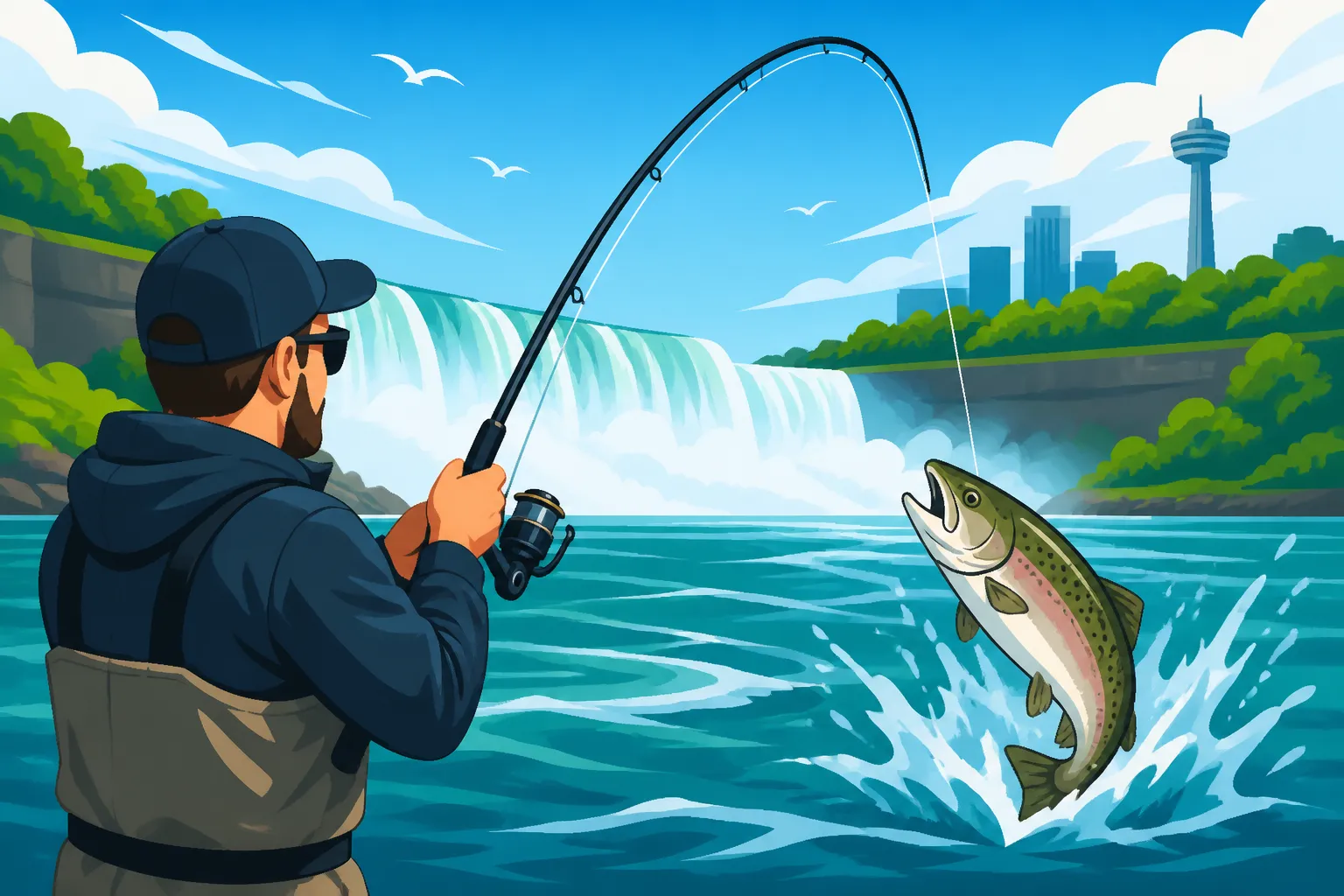
Steelhead are legendary for their powerful runs and aerial acrobatics, providing an unforgettable fight. Brown trout grow to massive sizes in these waters, and hooking into a trophy brown is a dream for many. During the fall, the salmon runs can be explosive, with massive Chinook salmon pushing upstream, offering incredible battles. A good guide will know the precise timing of these runs and the best spots in the gorge to intercept these migrating giants. They'll have specialized heavy-duty gear to handle these strong fighters and expertly navigate the challenging currents. This is truly a bucket-list experience for any serious angler. Learn more about Steelhead Trout in New York and Chinook Salmon in New York.
Other Exciting Catches
While walleye, trout, and salmon often steal the spotlight, the Niagara River offers plenty of other exciting species that guides can target. Smallmouth bass are incredibly popular, especially in the rocky sections of the river, providing a hard-fighting challenge on lighter tackle. These bronze bombers are aggressive and abundant, particularly during the warmer months, making for a fun and action-packed trip. Guides often employ various artificial lures, such as tube jigs and crankbaits, to entice these feisty fish.
Additionally, anglers can find northern pike in many of the slower sections and backwaters, providing a thrilling encounter with a toothy predator. Yellow perch and other panfish are also present and can offer a great option for a more relaxed fishing day or for introducing younger anglers to the sport. Occasionally, even elusive muskellunge are caught, though they are less commonly targeted by guides as a primary species. This diverse ecosystem ensures that every trip on the Niagara River has the potential for an exciting and unexpected catch. You can get more information on different species in New York's Most Popular Freshwater Fish.
Choosing the Right Niagara River Fishing Guide
With many guides operating on the Niagara River, selecting the right one can feel like a daunting task. However, by focusing on a few key factors, you can make an informed decision that will lead to a more enjoyable and productive outing. It's about finding a guide whose expertise, approach, and personality align with your fishing goals.
Licensing, Experience, and Reputation
First and foremost, always ensure your chosen guide is properly licensed and insured. In New York, charter boat captains are generally required to hold a Coast Guard OUPV (Operator of Uninspected Passenger Vessels) or higher license, and their businesses should be properly insured. Don't be shy about asking for proof of this; it's a critical component of your safety and peace of mind on the water. A legitimate guide will be happy to provide this information.
Beyond licenses, experience is paramount on a challenging waterway like the Niagara River. Look for guides with years, if not decades, of specific experience fishing the Niagara. They'll have a deep understanding of its ever-changing conditions, fish patterns, and safe navigation. Word-of-mouth and online reviews are excellent ways to gauge a guide's reputation. Platforms like FishingBooker often host numerous reviews from past clients, giving you a transparent look at their professionalism, fishing success, and overall demeanor. Pay attention to comments regarding their patience, teaching style, and ability to put clients on fish.
| Factor | What to Look For | Why it Matters |
|---|---|---|
| Licensing | USCG OUPV or Master Captain's License; State registration | Ensures legality, safety standards, and insurance coverage. |
| Experience | Years fishing the Niagara River specifically; Local roots | Deep understanding of complex river dynamics, seasonal patterns, and hotspots. |
| Reputation | Positive online reviews (e.g., FishingBooker); Referrals | Indicates reliability, professionalism, client satisfaction, and fishing success. |
| Specialization | Expertise in your target species (e.g., walleye, steelhead) | Maximizes chances of catching your desired fish with appropriate techniques. |
| Boat & Gear | Well-maintained, appropriate for river, quality tackle | Ensures safety, comfort, and effective fishing with suitable equipment. |
| Communication | Responsive, clear, friendly | Sets expectations, answers questions, and contributes to a positive experience. |
Matching Your Fishing Goals and Style
Before you even start looking at guides, take a moment to consider what you want out of your trip. Are you hoping to catch a trophy walleye for the wall? Are you looking for fast action with smallmouth bass? Or perhaps you're a fly-fishing enthusiast hoping to drift nymphs for steelhead? Different guides often specialize in different species or techniques. Some are master jigging guides for walleye, while others might focus heavily on trolling for trout and salmon, or even fly fishing the tributaries.
Communicate your expectations clearly when inquiring with guides. A good guide will be honest about their expertise and whether they can meet your specific goals. For instance, if you're a beginner, look for a guide known for their patience and teaching ability. If you're an experienced angler seeking a challenge, you might prefer a guide who focuses on more advanced tactics. Similarly, consider the size of your group. Some boats are better suited for smaller parties, while others can accommodate larger groups. By clarifying your goals upfront, you can find a guide who isn't just skilled, but also a good fit for your individual preferences and fishing style. Many guides list their specialties on platforms like FishingBooker, making it easier to find a match.
What to Expect and Prepare for Your Guided Trip
Booking a guide is just the first step. To ensure you have the best possible experience on the Niagara River, it's helpful to know what to expect once you're on the water and what you should bring along. Preparation can make a big difference in your comfort and enjoyment.
Essential Gear to Bring (Beyond What the Guide Provides)
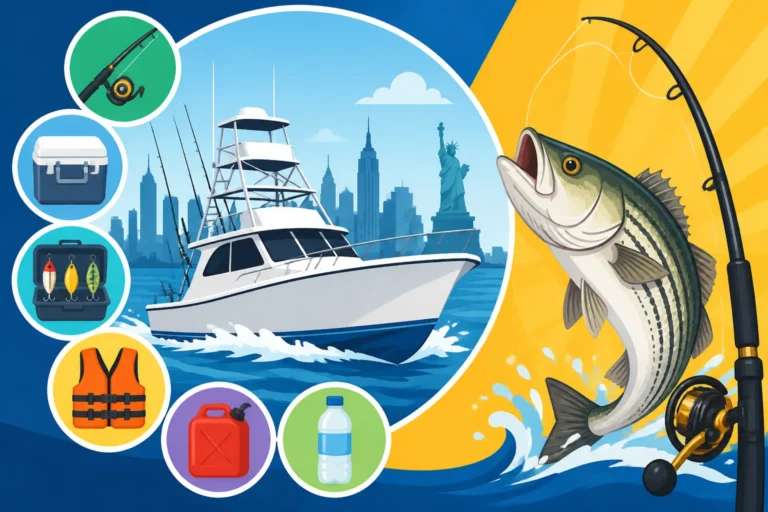
While your Niagara River fishing guide will provide all the necessary fishing gear, bait, and safety equipment, there are several personal items you should definitely bring to ensure your comfort throughout the day. The weather on the Niagara can be unpredictable, especially with the wide-open expanse of the river, so dressing in layers is crucial. Even on a sunny day, the breeze off the water can make it feel much cooler, and conditions can change quickly.
Think about waterproof outer layers, like a good quality rain jacket and pants, even if rain isn't in the forecast. Warm hats and gloves are essential, especially during the colder steelhead and walleye seasons. Polarized sunglasses are incredibly helpful for reducing glare off the water, allowing you to see better and protecting your eyes. Don't forget sunscreen, even on cloudy days, as UV rays can still be intense. A good camera, a cooler with snacks and drinks (check with your guide about beverages, as some prefer no glass bottles), and any personal medications are also key. While most guides have a first aid kit, having your own essentials is always smart. Remember, you'll also need to have your valid New York State fishing license in hand. You can explore New York Fishing License Guide to get ready.
Understanding Trip Logistics and Safety
Before your trip, your guide will typically communicate details such as the meeting time, location (often a specific boat launch or marina), and what time the trip is expected to conclude. Make sure you understand these logistics clearly and arrive punctually. Fishing trips often start early to capitalize on prime bite times. Don't hesitate to ask any questions you have about the itinerary.
Safety on the water is paramount, especially on a powerful river like the Niagara. Your guide is a professional captain, and they will conduct a safety briefing, explain emergency procedures, and ensure everyone knows where the life jackets and other safety equipment are located. Always listen carefully to their instructions and adhere to all safety guidelines. The captain's word is law when it comes to boat operations and safety. This includes staying seated when the boat is underway, keeping clear of moving lines, and notifying them immediately if you feel unwell. A responsible guide will prioritize your safety above all else, ensuring a secure and enjoyable experience on the Niagara River. Boat Registration Requirements for Anglers covers more on the administrative side of being on the water.
Understanding Niagara River Fishing Guide Costs and Tipping Etiquette
When planning a guided fishing trip on the Niagara River, it's important to understand the financial aspects, including the typical costs and the customary practice of tipping your guide. This helps in budgeting for your adventure and ensures you properly appreciate the hard work and expertise involved.
Factors Influencing Guide Rates
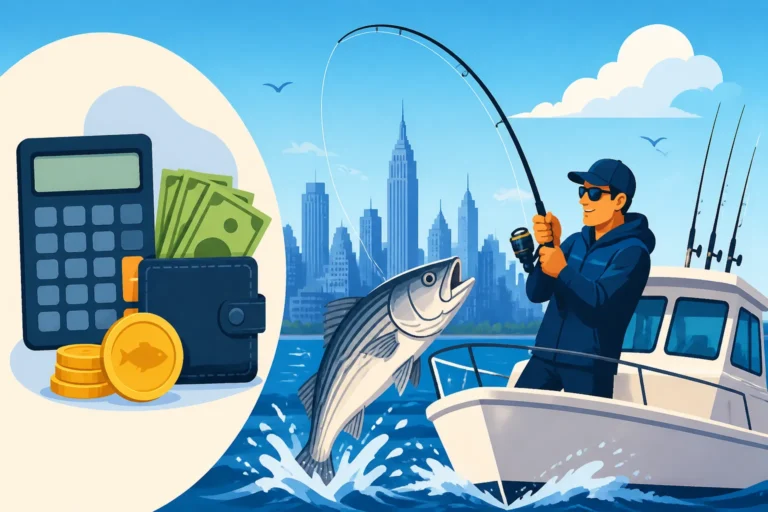
The cost of a Niagara River fishing guide can vary significantly based on several factors. Typically, rates are determined by the duration of the trip (half-day vs. full-day), the number of anglers in your party, and the species you're targeting. Full-day trips, naturally, will be more expensive than half-day trips, offering more time on the water and usually covering more ground. Half-Day vs Full-Day Fishing Charters provides a good comparison. Most guides charge a base rate for a certain number of anglers (e.g., 1-2 people), with an additional charge for each extra person up to the boat's capacity.
Peak seasons for popular species like walleye or steelhead might also see slightly higher demand and, consequently, slightly higher rates. The reputation and experience level of the guide can also play a role, with highly sought-after guides often commanding a premium. While it's tempting to opt for the cheapest option, remember that you're paying for expertise, specialized equipment, and safety. When browsing for guides, platforms like FishingBooker usually display clear pricing structures, allowing you to compare options and find one that fits your budget and needs for a Niagara River fishing guide. Don't be afraid to reach out to guides directly through these platforms to get a personalized quote if your group size or specific desires are unique.
Tipping Your Guide: Acknowledging Hard Work
Tipping your fishing guide is a customary practice and a significant way to show your appreciation for their hard work, knowledge, and dedication. Guides work long hours, often starting well before dawn to prepare for your trip and staying late to clean up and maintain gear. They use their expertise to put you on fish, clean your catch, and ensure your safety and enjoyment throughout the day.
While there's no strict rule, a general guideline for tipping a fishing guide is typically 15-20% of the total trip cost. If your guide went above and beyond, provided exceptional service, or you had an absolutely banner day, you might consider tipping a little more. Conversely, if the experience wasn't up to par, you can adjust accordingly, though it's rare for a professional guide to leave clients feeling that way. It's best to bring cash for tipping, as it allows you to give it directly to your guide at the end of the trip. Remember, a tip is a direct acknowledgement of the value they provided, irrespective of whether the fish were biting like crazy or not. Their effort and professionalism are constant. For a deeper dive, read Tipping Etiquette for New York Fishing Charters.
Disclaimer
This article is for general informational purposes only and does not constitute professional advice. Laws, prices and regulations vary by location and change over time. Consult a qualified professional for guidance on your specific situation.