Long Island Sound Striped Bass Charter Rates in New York
If you've ever dreamt of battling a powerful striped bass against the iconic backdrop of Long Island Sound, you're not alone. Many anglers, both seasoned and novice, feel the pull of those waters, but the thought of organizing a charter can sometimes feel overwhelming, especially when trying to understand the investment involved. This guide will walk you through everything you need to know about Long Island Sound striped bass charter rates in New York, helping you demystify the costs and plan your perfect fishing adventure.
What to Expect from a Long Island Sound Striped Bass Charter
Long Island Sound is a truly remarkable estuary, offering incredible opportunities for anglers targeting striped bass. From its eastern reaches near Montauk all the way west towards New York City, the Sound provides diverse habitats where these prized fish thrive. When you book a charter here, you're not just paying for a boat ride; you're investing in the expertise of a captain who intimately knows these waters, the best tides, and the striped bass's migratory patterns. It's about access to specialized gear, bait, and a deep understanding of how to put you on fish.
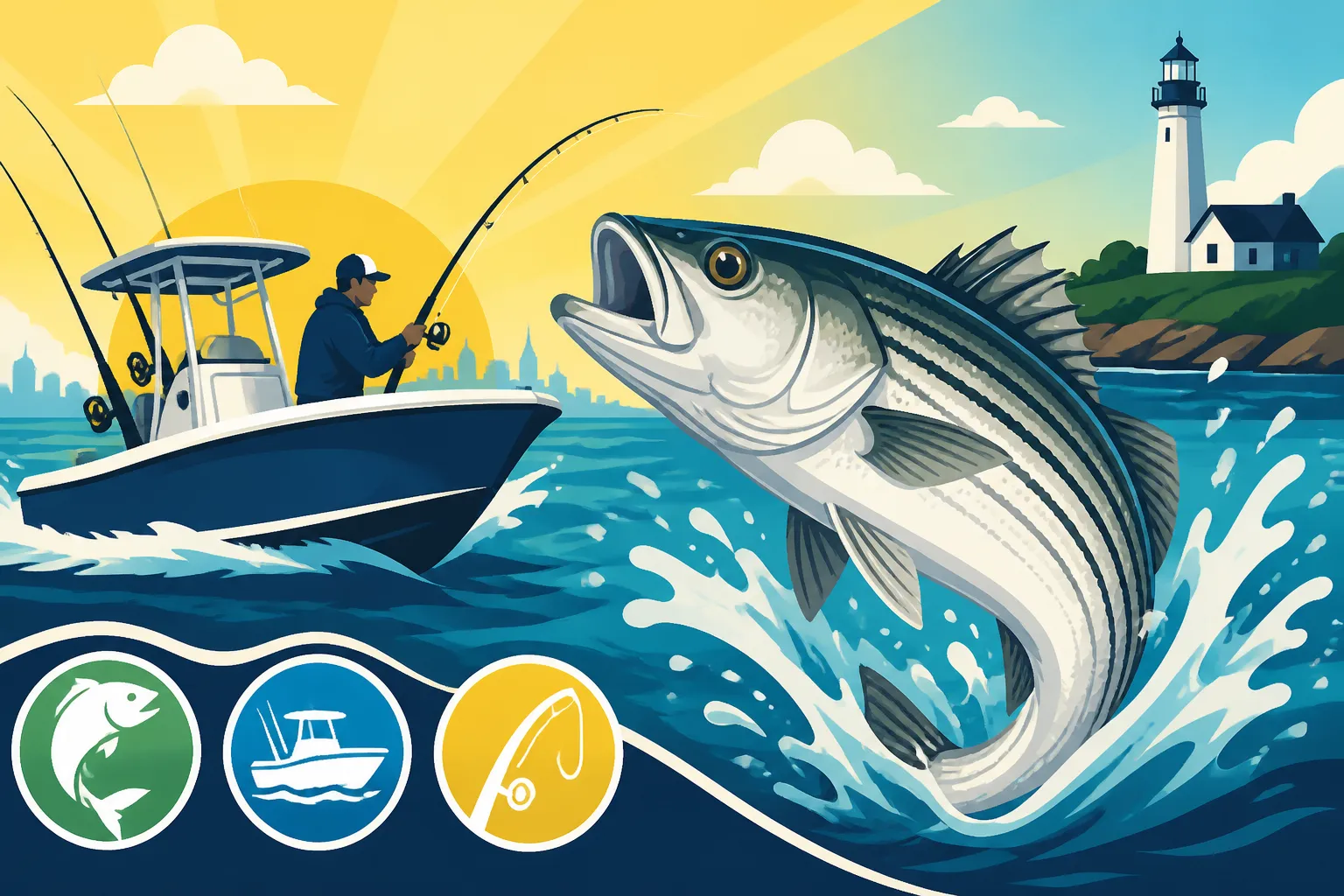
Many anglers are drawn to Long Island Sound for the sheer thrill of catching a striped bass, known for their powerful runs and impressive size. The experience goes beyond just the catch; it’s about being out on the water, soaking in the coastal scenery, and creating lasting memories with friends or family. For many, it’s a break from the everyday grind, a chance to connect with nature and the challenge of the hunt. You might be targeting big 'cow' stripers during the spring and fall migrations, or simply enjoying a productive day catching smaller, feisty schoolies.
The Allure of Striped Bass Fishing
Striped bass, often simply called "stripers," are iconic game fish in New York waters. They're prized for their fighting spirit and, for many, their delicious table fare (always check current regulations for harvest limits). Long Island Sound is a critical nursery and migratory pathway for these fish, making it a prime location to target them. The challenge of outsmarting a wise old striper is a significant draw, often requiring specific techniques, baits, and an understanding of their behavior. How to Fish for Striped Bass in New York delves deeper into these techniques.
A professional charter greatly increases your chances of success because captains are constantly on the water, tracking fish movements, and adjusting their strategies. They know where the baitfish are, which often means knowing where the stripers will be too. This local knowledge is invaluable, especially in a dynamic environment like Long Island Sound where tides, currents, and bait migrations play a huge role in fishing success.
Typical Charter Duration and Offerings
Most Long Island Sound striped bass charters offer a few standard options when it comes to trip duration. The most common are half-day and full-day trips. Half-day trips typically run about 4 to 5 hours, making them perfect for those with limited time, beginners, or families with younger children who might not have the stamina for a full day on the water. Full-day trips, usually 7 to 9 hours, provide more time to explore different fishing spots, adapt to changing conditions, and seriously target trophy fish.
Beyond duration, charters can vary in what they specifically offer. Nearly all will provide rods, reels, and terminal tackle, meaning you don't need to bring your own specialized gear. Live bait, often a key component for successful striper fishing, is also typically included. However, it's always wise to confirm these details when booking. Some charters might offer additional amenities like snacks, drinks, or fish cleaning services, while others might focus purely on the fishing itself. Understanding these differences can help you compare rates more effectively.
Deciphering Long Island Sound Striped Bass Charter Rates
When you're looking at charter rates for striped bass fishing on Long Island Sound, it can sometimes feel like you're comparing apples and oranges. The truth is, there's no single fixed price tag, and many variables come into play. Understanding these factors will help you make an informed decision and find a trip that fits both your expectations and your budget. It's not just about the numbers; it's about the value you're getting for your experience.
The key is to remember that charter fishing is a service industry, and like any other service, the price reflects the quality of the equipment, the experience of the provider, and the scope of what's being offered. Don't immediately jump to the cheapest option, as that might mean compromises on boat quality, safety gear, or the captain's expertise. Conversely, the most expensive isn't always necessary if your needs are simpler.
Factors Influencing Charter Costs
Several key elements contribute to the overall cost of a Long Island Sound striped bass charter. First and foremost is the duration of the trip. As mentioned, half-day trips will naturally be less expensive than full-day excursions due to less time, fuel, and captain's labor involved. The type of boat also plays a role; a larger, more comfortable vessel with advanced electronics and amenities might command a higher price than a smaller, more utilitarian boat.
The captain's experience and reputation are also significant. Highly sought-after captains with a proven track record of finding fish and providing excellent customer service often charge more, and rightfully so. They've invested years in learning the waters, the fish, and how to create a great experience. Furthermore, the number of anglers in your group can impact the cost. Most charters price their trips for a certain number of passengers, with an additional fee for extra people beyond that base number. Finally, the time of year and the specific fishing season can influence demand and, consequently, pricing. Prime striper seasons, like the spring and fall migrations, might see higher rates. Best Time of Year to Fish in New York gives a good overview of seasonality.
Private Charters vs. Shared (Open Boat) Trips
One of the biggest decisions that impacts the rate is whether you opt for a private charter or a shared (often called "open boat") trip. A private charter means you book the entire boat for your group, and the price covers the whole vessel and crew for that duration. This offers maximum flexibility in terms of where you fish, what time you leave, and how you fish. It's ideal for families or groups of friends who want a personalized experience without other anglers on board. The cost per person on a private charter can be higher if you have a smaller group, but it often becomes more economical with more people up to the boat's capacity.
Shared trips, on the other hand, allow individual anglers or small parties to book a spot on a larger boat with other paying customers. The cost is per person, making it a much more affordable option for solo anglers or couples. While you lose some flexibility, these trips are often very social and a great way to meet other fishing enthusiasts. The focus on shared trips is usually to get as many fish as possible for everyone on board, rather than tailoring the experience to a single group's specific preferences.
Here's a quick comparison of general charter types:
| Charter Type | Duration | Typical Inclusions | Good For | Cost Structure |
|---|---|---|---|---|
| Half-Day | 4-5 hours | Rods, reels, bait, tackle, safety gear | Quick trips, beginners, families with young kids | Flat rate (private) or per person (shared) |
| Full-Day | 7-9 hours | All half-day inclusions, more fishing time, multiple spots | Serious anglers, targeting specific tides, larger groups | Flat rate (private) or per person (shared) |
| Shared Trip | Varies | Rods, reels, bait (per person cost) | Solo anglers, smaller budgets, social fishing | Per person |
| Private Trip | Varies | Entire boat for your group, personalized experience | Groups of friends/family, customized itineraries | Flat rate for the boat |
Breaking Down Charter Packages and What's Included
When you're looking at Long Island Sound striped bass charter rates, it's crucial to look beyond just the sticker price. What's actually included in that fee can vary quite a bit, and understanding these details will help you avoid any surprises and ensure you're getting the best value for your hard-earned money. A seemingly cheaper trip might end up costing more once you factor in extras, while a higher initial price might cover everything you need for a fantastic day on the water.
Standard Inclusions You Can Expect
Most reputable Long Island Sound striped bass charters will provide the essential equipment you need for a successful day. This almost always includes high-quality rods and reels suitable for battling stripers, along with the necessary terminal tackle such as hooks, weights, and leaders. Live bait, which is often crucial for striped bass fishing in the Sound, is typically part of the package. Having the right bait, whether it's bunker, eels, or another local forage, can make all the difference, and captains often spend significant time acquiring fresh bait before a trip.
Safety gear is also a standard inclusion. This means life jackets for all passengers, first-aid supplies, and other required safety equipment like flares and communication devices. While you'll hope not to need them, knowing they are there provides peace of mind. Some charters might also offer complimentary bottled water or soft drinks, though this isn't universally guaranteed. It's a good idea to clarify these points when you book your trip. For a general overview of what to prepare, consider What to Bring on a New York Fishing Charter.
Potential Additional Costs to Consider
Even with standard inclusions, there are often additional costs that anglers should factor into their budget. The most common "extra" is a fishing license. While many charters provide the gear, they generally do not provide your personal New York fishing license or saltwater registry. Do I Need My Own Fishing License on a Charter Boat? explains this in more detail, but generally, everyone aged 16 and older needs a valid freshwater license or to be registered in the Marine Fishing Registry for saltwater trips. Make sure you have yours before you step on the boat.
Tipping the crew is another customary expense. It's standard practice to tip the captain and/or first mate for their hard work, expertise, and assistance throughout the day. A common guideline is 15-20% of the total charter cost, but this is always discretionary based on the service you receive. Beyond that, consider bringing your own snacks and drinks, sunscreen, appropriate clothing for changing weather conditions, and a cooler to take your catch home (if you plan to keep fish). Some charters might charge a small fee for fish cleaning, though many will do it as part of their service or for a share of the tip.
Planning Your Long Island Sound Striped Bass Adventure
Planning your fishing trip on Long Island Sound is more than just looking at a calendar; it's about setting yourself up for success and enjoyment. By considering the best times to go, knowing where to look for charters, and understanding the booking process, you can ensure a smooth and memorable experience chasing striped bass.
Best Time to Fish for Striped Bass on Long Island Sound
Striped bass fishing on Long Island Sound is highly seasonal, primarily peaking during the spring and fall migrations. In the spring, usually from April through early June, stripers move into the Sound to feed after their wintering grounds. This is often an excellent time for quantity, with many fish in the 20-30 inch range, and often some larger 'cows' making an appearance as they move towards their spawning grounds further west. Anglers often employ methods like live-lining bunker or casting artificial lures during this period.
The summer months, particularly July and August, can still offer good fishing, especially in deeper, cooler waters or during low-light conditions early mornings or late evenings. However, the fall migration, typically from September through November, is another prime time. Stripers are aggressively feeding to build up their fat reserves for winter, often creating spectacular blitzes where they chase baitfish to the surface. This can be an incredibly exciting time to be on the water. The best way to plan is often to consult with local captains or check fishing reports specific to the Sound, as conditions can vary year to year. You can also dive into Best Tides for Striped Bass Fishing on New York's Long Island Sound for more specific timing advice.
Finding and Booking Your Charter
There are several ways to find a reputable Long Island Sound striped bass charter. Many local marinas and bait shops will have business cards or recommendations for captains operating in the area. A simple online search for "Long Island Sound striped bass charters" will also yield many results. However, for a more streamlined approach, platforms like FishingBooker are incredibly useful. They aggregate listings from numerous captains, allowing you to compare boats, rates, availability, and read reviews from other anglers all in one place.
When you're ready to book, reach out to a few different captains or check their listings carefully. Don't be afraid to ask questions about what's included, their cancellation policy (especially important with changeable weather), and what kind of fishing techniques they typically use. A good captain will be happy to discuss these details with you. Many charters require a deposit to secure your date, with the balance due on the day of the trip. Always confirm payment methods and any specific instructions they might have before your trip. For unexpected changes, understanding Cancellation Policies for New York Fishing Charters is crucial.
Choosing the right charter is a personal decision, balancing cost with comfort, expertise, and your desired fishing experience. Platforms like FishingBooker can help you sort through the options, allowing you to filter by location, target species, and even boat amenities. Remember to read reviews; they offer invaluable insights into other anglers' experiences and can help you gauge a captain's communication style, fishing success, and overall professionalism.
Budgeting for Your Trip
To budget effectively for your Long Island Sound striped bass charter, start with the base rate for your chosen trip duration and type (half-day, full-day, private, or shared). Then, add in the potential additional costs we discussed: your New York fishing license, a gratuity for the crew, and any personal items like snacks, drinks, or a cooler for your fish. Don't forget travel costs, like gas to and from the marina, and any tolls or parking fees.
If you're considering a shared trip, the per-person cost will be lower, but you might have less input on fishing locations or methods. For a private charter, calculate the total boat cost and then divide it by the number of people in your group to get your individual share. This approach helps manage expectations and ensures you have enough funds for a stress-free and enjoyable outing. By carefully planning your budget upfront, you can focus on the excitement of the catch rather than worrying about unexpected expenses.
Disclaimer
This article is for general informational purposes only and does not constitute professional advice. Laws, prices and regulations vary by location and change over time. Consult a qualified professional for guidance on your specific situation.