What to Bring on a Long Island, New York Fishing Charter
Heading out for a fishing charter on Long Island is an exhilarating experience, but for many, the prep can feel a bit daunting. You’re probably wondering, "What exactly do I need to bring, and what can I leave at home?" It's a common and totally valid question, because being unprepared can definitely put a damper on what should be a fantastic day on the water. This comprehensive guide is here to take the guesswork out of packing, ensuring you have everything you need for a comfortable, safe, and successful Long Island fishing adventure.
The Absolute Essentials: What You Can't Forget
Before you even think about your lucky fishing hat, there are some non-negotiable items that need to be on your checklist for any Long Island fishing charter. These are the things that ensure your trip starts smoothly and you stay legal and comfortable throughout the day.
Licensing and Identification
It’s easy to get caught up in the excitement of the trip itself, but forgetting your fishing license or identification can quickly turn a fun day into a frustrating one. In New York, specific regulations apply to both freshwater and saltwater fishing. While most Long Island charters operate in saltwater, the New York State Department of Environmental Conservation (DEC) requires anglers 16 years of age and older to register with the Recreational Marine Fishing Registry. The good news is, this marine registry is typically free, but you still need to complete it.
It's absolutely critical to double-check if your specific charter covers this or if you need to handle it yourself. Most often, you'll be responsible for your own registration. Always carry a valid form of identification, like a driver’s license, as well. Game wardens or Coast Guard officials may check your credentials at any time. It's not just about avoiding penalties; it's about being a responsible angler. Think about it: you wouldn't drive without your license, right? Fishing is no different. You can find more details on New York Saltwater Fishing Registration Guide to ensure you’re all set before you even step foot on the boat. Remember, even if you’re unsure, it’s always best to err on the side of caution and have your own documentation ready. This is one of the key questions to clarify when you're looking at charter details, perhaps on a platform like FishingBooker, where captains often list what is and isn't included.
Weather-Appropriate Clothing
Long Island weather can be notoriously fickle, especially when you're out on the open water. What feels like a warm, sunny day on shore can quickly become breezy, cool, or even wet a few miles out. Layering is your best friend here. Don't make the mistake of underdressing, or even overdressing without the option to peel off layers.
Start with a moisture-wicking base layer, even in summer, as it can help regulate your body temperature. Add a comfortable long-sleeved shirt, perhaps one with UPF protection to guard against the sun. Over that, a fleece or sweatshirt is usually a good idea. The outer layer should ideally be waterproof and windproof, even if the forecast calls for clear skies. A sudden shower or spray from waves can drench you quickly, and being cold and wet is no fun for anyone. Think rain jacket and waterproof pants. Even on a perfectly sunny day, the sea breeze can be quite chilly, especially early in the morning or later in the afternoon. And don't forget comfortable, non-slip shoes! Deck shoes or old sneakers with good grip are essential for safety on a wet boat deck. If you want more tips on what to wear for similar conditions, you might find useful advice in What to Wear on a New York Lake Ontario Charter, as the principles of layering apply broadly.
Food, Drinks, and Personal Comfort Items
A day of fishing can be long and physically demanding, and you'll be burning calories without even realizing it. Skipping meals or staying dehydrated is a surefire way to zap your energy and make the trip less enjoyable. Pack a cooler or bag with plenty of non-perishable snacks and a good lunch. Sandwiches, granola bars, fruit, and trail mix are excellent choices – easy to eat and minimal mess.
Hydration is absolutely key. Bring more water than you think you’ll need. Staying hydrated helps prevent fatigue, headaches, and even motion sickness. You might also want some other non-alcoholic beverages, but save the celebratory drinks for after the boat is safely docked.
And speaking of motion sickness, if you're even slightly prone to it, do yourself a huge favor and take preventative medication before you board the boat. Don’t wait until you start feeling queasy – by then, it’s often too late. Dramamine or Bonine are popular choices, but consult your doctor if you have any concerns. Other personal comfort items include sunglasses (polarized are best for spotting fish and reducing glare), a wide-brimmed hat, and plenty of high-SPF sunscreen. Even on cloudy days, UV rays can penetrate and cause sunburn.
Fishing Gear: What Charters Provide vs. What You Might Want
One of the biggest advantages of booking a Long Island fishing charter is that you don't typically need to invest in a full arsenal of gear. Charters are set up for success, and that usually means providing the essentials.
Rods, Reels, and Tackle Typically Provided
For most anglers, especially those new to charter fishing or visiting Long Island, the beauty of booking a trip is the convenience of having all the necessary equipment at your fingertips. Reputable Long Island charters pride themselves on providing high-quality, well-maintained rods, reels, and tackle specifically suited for the target species in the local waters. Whether you're chasing striped bass, fluke, or bluefish, your captain will have the right setup.
This is a huge benefit! You don't have to worry about buying expensive gear, transporting it, or figuring out what lure works best for a particular season or tide. The captain and crew are experts in their domain; they know what fish are biting on and will rig your lines accordingly. This means less stress for you and more time focused on the thrill of the catch. When you're browsing for charters, say on a site like FishingBooker, the listings almost always specify that gear is included, which is a big relief for travelers. Understanding What Is Included in a New York Fishing Charter Price? can help manage your expectations.
Specialized Gear or Personal Favorites Optional
Now, if you're a seasoned angler with a passion for a particular technique or a "lucky" rod that has seen you through countless battles, you might be tempted to bring your own gear. This is generally acceptable, but there are a few important caveats.
First and foremost, always, always clear it with your captain beforehand. Space on a fishing boat can be limited, and bringing extra gear might interfere with the operation or other anglers. Second, ensure your personal gear is appropriate for the type of fishing and the species being targeted. Bringing a ultralight freshwater setup for deep-sea fluke fishing isn't going to cut it, and it could even be dangerous if you hook into something big. Most captains prefer you use their gear because they know its condition and capabilities, and they've invested in top-notch equipment for a reason. If you do bring your own, be prepared for it to potentially get knocked around or wet. Consider bringing a small, personal tackle bag with just a few trusted lures or tools rather than a giant tackle box. For a first-timer, I’d honestly recommend leaving your gear at home and enjoying the ease of using what the pros provide. If you're wondering Do I Need My Own Fishing License on a Charter Boat?, the answer is almost always yes, even if the gear is provided!
Fishing Accessories to Consider
While the main fishing gear is often supplied, there are a few small accessories that can significantly enhance your comfort and efficiency on deck.
- Fishing Gloves: These can be invaluable for protecting your hands from sun, hook pokes, or abrasive fishing lines. They also offer a better grip when handling fish.
- Small Pliers or Line Cutters: While the crew will have these, having your own easily accessible pair can be handy for quick line adjustments or unhooking smaller fish.
- Rag or Hand Towel: Fishing can get messy! A dedicated rag for wiping your hands, cleaning up spills, or handling slimy fish is a godsend.
- Small Dry Bag: This is a fantastic item for keeping your phone, wallet, keys, and any other valuables safe and dry from sea spray or rain.
- Camera or Phone: You’ll definitely want to capture those trophy shots! Just make sure it’s in a waterproof case or protected in your dry bag.
These might seem like minor details, but trust me, they make a big difference in how comfortable and prepared you feel throughout your charter trip.
Safety and Health Considerations
Your well-being is paramount on any fishing trip. While reputable Long Island charters adhere to strict safety regulations and carry essential safety equipment, there are personal steps you can take to ensure your own health and safety.
Sun Protection is Non-Negotiable
The sun’s rays can be incredibly intense on the water, even on an overcast day. The combination of direct sunlight and reflection off the water amplifies UV exposure, making sunburn and eye strain a serious risk. This isn't just about discomfort; long-term exposure can lead to skin damage and even more serious health issues.
Always apply a broad-spectrum, high-SPF sunscreen (SPF 30 or higher) generously and reapply it frequently, especially after sweating or getting wet. Don't forget often-missed spots like your ears, neck, and the tops of your feet if they're exposed. A wide-brimmed hat offers excellent protection for your face, head, and neck. Polarized sunglasses are also critical; they not only protect your eyes from harmful UV rays but also reduce glare, helping you see better into the water and reducing eye fatigue. Seriously, this isn't an area to cut corners.
First Aid and Medications
Every licensed charter boat will have a Coast Guard-approved first aid kit on board for minor injuries. However, for personal health needs, you are your own best advocate. If you have any prescribed medications, ensure you bring enough for the duration of the trip, stored in a waterproof bag. This includes things like inhalers for asthma, EpiPens for severe allergies, or any other critical daily medications.
While the crew can handle basic cuts and scrapes, having a small personal first-aid kit with things like band-aids, antiseptic wipes, pain relievers, and any specific allergy medication you might need can be a good idea for immediate self-care. It’s always better to be over-prepared when it comes to your health.
Emergency Contact Information
In the unlikely event of an emergency, having readily accessible emergency contact and critical medical information can be invaluable. Consider carrying a small, waterproof card with your name, any known allergies, medications you take, and phone numbers for your emergency contacts. Keep this in a secure but easily accessible pocket or your dry bag. This provides peace of mind for both you and the crew, knowing that important information is available if needed.
Post-Fishing Preparation and What to Do with Your Catch
The moment of truth arrives when the lines are reeled in: what happens to all those fish you caught? Planning ahead for your catch ensures that your hard-earned fillets make it home fresh and delicious.
Cooler for Your Catch
Let’s be honest, part of the thrill of fishing is bringing home some fresh seafood! If you plan on keeping your legal limit of fish, you'll absolutely need a cooler. Most Long Island fishing charters do not provide coolers for your personal take-home catch. This is something you'll want to have waiting in your vehicle, full of ice, for when you return to the dock.
A good rule of thumb is to have a cooler large enough for your anticipated catch, plus plenty of ice. Fresh fish on ice immediately after leaving the boat will maintain its quality significantly better than fish left in a warm bag. You don't want to regret all that effort on the water by letting your prize spoil on the ride home. Check with your charter what their typical catch sizes are so you can choose an appropriately sized cooler. Many charters specify their rules on keeping fish, so you'll know beforehand if you'll be able to bring home dinner. For more on this, check out Can You Keep the Fish You Catch on a Charter?.
Cleaning and Filleting Expectations
This is another area where expectations need to be managed. Some Long Island fishing charters offer cleaning and filleting services right at the dock, often for a small fee or as part of the gratuity for the deckhands. Other charters might expect you to take your fish home whole and process them yourself.
It’s crucial to ask about this when you book your trip or when you board the boat. If the charter offers cleaning, it’s a wonderful convenience, saving you time and mess at home. A few dollars for the crew to clean your fish is money well spent, especially after a long day of battling big ones. If they don't, be prepared to do it yourself, or know where you can have it done if you're not comfortable with the task. Always factor this into your post-trip planning. Knowing the local practices and Tipping Etiquette for New York Fishing Charters will help you navigate this smoothly. When booking, especially through platforms like FishingBooker, you can often find details about whether fish cleaning services are provided.
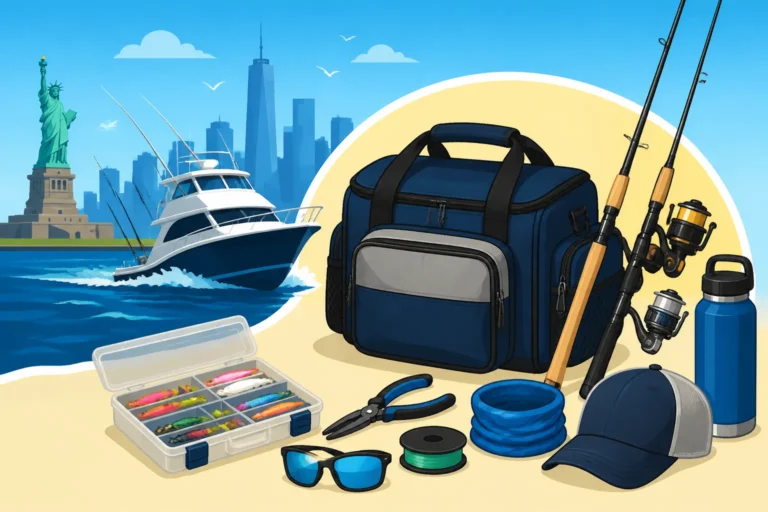
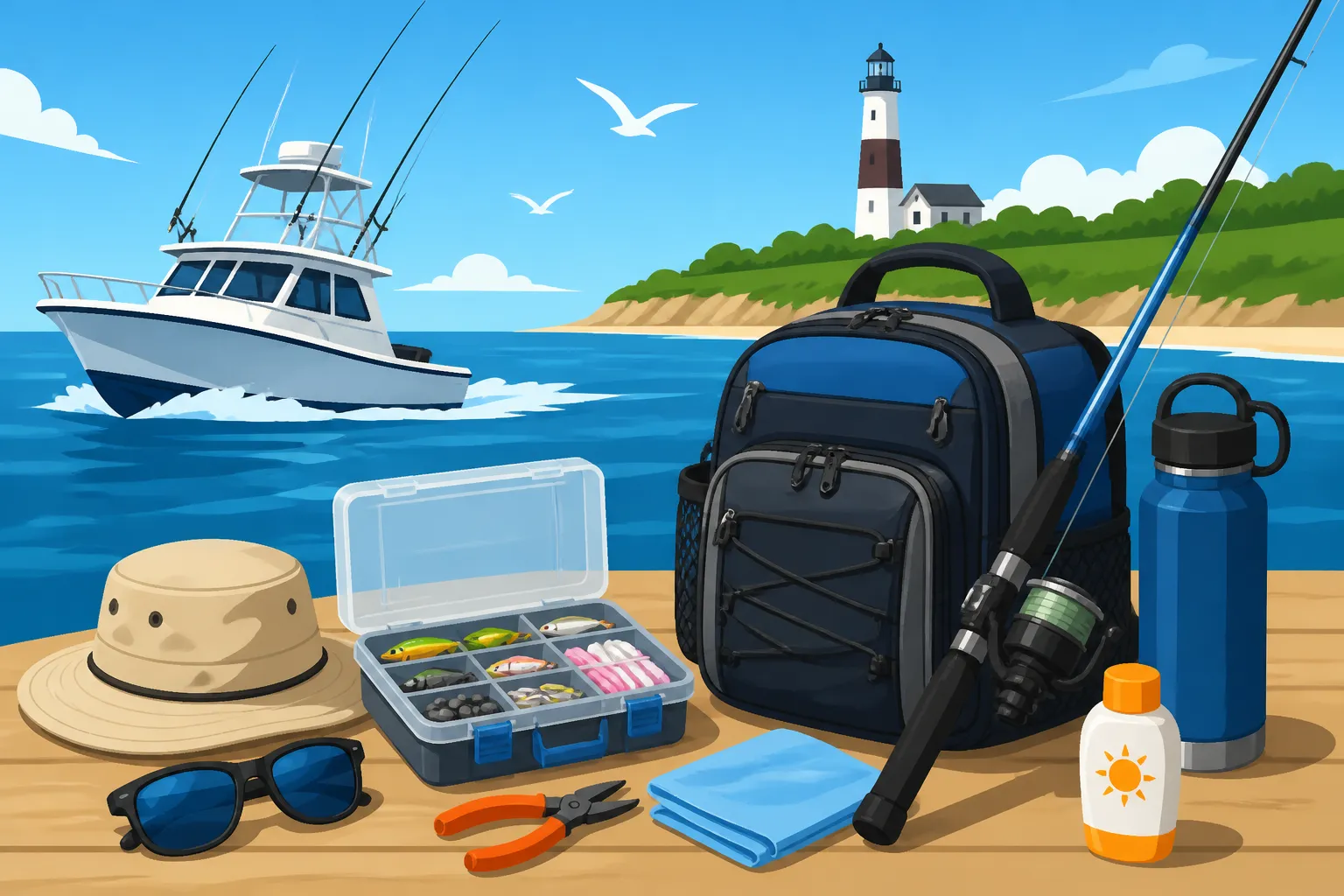
Here’s a handy checklist to make sure you don’t forget anything important for your Long Island fishing charter:
| Category | Item | Notes |
|---|---|---|
| Documents | New York Marine Fishing Registry | Required for anglers 16+, often free but necessary. Confirm with charter. |
| Valid Photo ID | Driver's license or equivalent. | |
| Clothing | Layers (base, mid, outer) | Moisture-wicking shirt, fleece/sweatshirt, waterproof/windproof jacket. |
| Waterproof Pants | Essential for spray or rain. | |
| Non-slip Shoes | Deck shoes or old sneakers with good grip. | |
| Comfort | Sunglasses (polarized recommended) | Protect eyes, reduce glare. |
| Wide-brimmed Hat | Sun protection for face and neck. | |
| Sunscreen (SPF 30+) | Apply generously, reapply frequently. | |
| Motion Sickness Medication | Take before boarding if prone to seasickness. | |
| Food & Snacks | Lunch, granola bars, fruit, trail mix. Easy to eat, non-messy. | |
| Water & Non-alcoholic Drinks | Plenty of hydration. | |
| Fishing Aids | Fishing Gloves (optional) | Protect hands, improve grip. |
| Small Pliers/Line Cutters (optional) | For personal use, quick adjustments. | |
| Rag/Hand Towel (optional) | For cleaning hands, wiping surfaces. | |
| Safety/Other | Personal Medications | Inhalers, EpiPens, daily prescriptions in a waterproof bag. |
| Emergency Contact Info | Waterproof card with critical info. | |
| Dry Bag | For phone, wallet, keys, camera. | |
| Camera/Phone (with waterproof case) | Capture memories. | |
| Post-Fishing | Cooler with Ice | For transporting your catch home. Leave in vehicle. |
Disclaimer
This article is for general informational purposes only and does not constitute professional advice. Laws, prices and regulations vary by location and change over time. Consult a qualified professional for guidance on your specific situation.