Buying a Fishing License at a Town Clerk Office
Finding the right place to get your New York fishing license can sometimes feel like a treasure hunt, especially if you prefer a face-to-face interaction over navigating online portals or dealing with big box stores. Many anglers, myself included, appreciate the personal touch and local expertise that a town clerk's office can offer. This guide will walk you through everything you need to know about securing your New York fishing license directly from your local town or city clerk, ensuring you’re ready for your next adventure on the water without a hitch.
Why a Town Clerk Office for Your Fishing License?
In an increasingly digital world, it’s easy to assume that everything needs to be done online, including purchasing your fishing license. While the New York State Department of Environmental Conservation (DEC) offers convenient online options and many sporting goods stores are authorized vendors, the local town or city clerk's office remains a fantastic, often overlooked, resource. For many, it's about more than just a transaction; it's about community connection and personalized service.
The Personal Touch and Local Expertise
When you walk into a town clerk's office, you're not just a number. You're often dealing with someone who lives in your community, understands local nuances, and might even be an angler themselves. This direct interaction allows for questions to be asked and answered in real-time, which can be invaluable, especially for first-time license buyers or those with specific situations. Imagine being able to clarify a question about a particular residency requirement or the validity period for your chosen license type, right there on the spot. It’s a level of service that can alleviate stress and ensure you get exactly what you need.
Unlike a busy retail environment where staff might be spread thin and less knowledgeable about the specifics of fishing regulations, a town clerk's office typically has dedicated personnel whose job it is to handle official paperwork and permits, including sporting licenses. They are often well-versed in the specifics of New York fishing licenses and can guide you through the various options. This expertise can be particularly helpful if you're trying to understand the differences between an annual license, a 7-day, or a 1-day option, or if you're exploring whether you qualify for any discounts, such as those for seniors or disabled veterans.
Convenience and Accessibility in Smaller Communities
For many residents, especially those in smaller towns or rural areas, the local town clerk's office is often the most accessible and convenient option. It’s typically located right in the heart of the community, often within easy walking or driving distance. This beats having to drive a long way to a major sporting goods chain or navigating a potentially confusing website if you're not tech-savvy. The hours are usually standard business hours, making it straightforward to plan your visit.
Furthermore, these offices are designed for public service. They are generally well-organized, and the staff is there specifically to assist you with administrative tasks. You'll often find a calmer atmosphere compared to a bustling retail store, which can make the process much more pleasant. It's an opportunity to take care of a necessary step in your fishing journey while also engaging with your local government services, all in one easy stop. If you're pondering Where to Buy a New York Fishing License, your town clerk's office should definitely be high on your list of considerations.
Addressing Common Concerns and Questions
Many people worry about getting the wrong type of license or missing a critical regulation. The town clerk’s office is an excellent place to mitigate these concerns. If you're unsure whether you need a freshwater or saltwater license, or if you're confused about additional stamps like the one for trout, the clerk can provide clear guidance. They can help you navigate the nuances of the New York Fishing License Types Explained and ensure you're compliant with all state requirements.
For instance, you might be asking yourself, "Do Kids Need a Fishing License to Fish in New York?" A quick conversation with your town clerk can clear up such age-related requirements immediately. This direct channel to accurate information is crucial for avoiding any misunderstandings that could lead to penalties later on. It’s a proactive way to ensure your fishing trip is not only enjoyable but also fully legal.
What You'll Need Before You Go
Before you head out the door, a little preparation can save you a lot of time and frustration. The last thing you want is to arrive at the clerk's office, only to realize you've forgotten a crucial piece of identification or the right payment method. Being prepared ensures a smooth and quick transaction, getting you closer to the water faster.
Essential Identification Documents
To purchase a New York fishing license, you'll generally need to prove your identity and residency. This is standard procedure for any official document. For New York residents, a valid New York State Driver's License or non-driver ID card is usually sufficient. This document helps confirm your name, address, and date of birth, which are all necessary pieces of information for the license application.
If you don't have a New York State ID, or if you're a non-resident purchasing a license (perhaps a New York Nonresident Fishing License Cost is what you're looking into), you'll need to provide alternative forms of identification. This could include a valid passport, a birth certificate, or a previous year's hunting or fishing license. It's always a good idea to bring at least two forms of identification if your primary one isn't a New York State Driver's License, just to be safe. For example, a passport paired with a utility bill showing your current address can often work. Remember, the goal is to confirm who you are and where you live, especially if you're seeking resident rates.
Payment Methods and What to Expect
Most town clerk offices accept a variety of payment methods, but it's always wise to confirm beforehand or bring options. Typically, cash, personal checks, and major credit/debit cards are accepted. However, smaller municipal offices might have limitations, sometimes preferring checks or cash due to processing fees associated with card transactions. A quick call to your local clerk's office can clarify their specific payment policies.
Keep in mind that the cost of your fishing license will vary depending on the type of license you need and your residency status. For example, the New York Resident Annual Fishing License Cost 2026 will differ from a short-term license or a non-resident option. It's helpful to know the approximate cost beforehand so you can bring the correct amount or ensure your payment method covers it. There's nothing more awkward than getting to the counter and realizing you don't have enough cash or that they don't accept your preferred card.
Knowing Your License Type and Requirements
Before you even step foot in the office, having a clear idea of the type of fishing you plan to do will streamline the process immensely. Are you looking for a full year of freshwater angling, or just a quick New York 1-Day Fishing License for a weekend trip? Do you plan to target species that require a special stamp, like a trout stamp? Understanding these distinctions is crucial, as the clerk will ask you these questions during the application process.
Consulting resources like the official DEC website or a general New York Fishing License Guide can help you determine which license is right for you. They outline the various options, from annual to lifetime licenses, and specific add-ons for certain species or activities. While the clerk can certainly guide you, having an idea of your needs will make the conversation much more efficient and ensure you don't overlook any necessary endorsements. This proactive step helps you arrive confident and prepared.
The Step-by-Step Process at the Clerk's Office
Once you've gathered your documents and decided on your license type, the actual process at the town clerk's office is usually quite straightforward. It's designed to be efficient, but knowing what to expect can further ease any anxieties.
Arriving and Navigating the Office
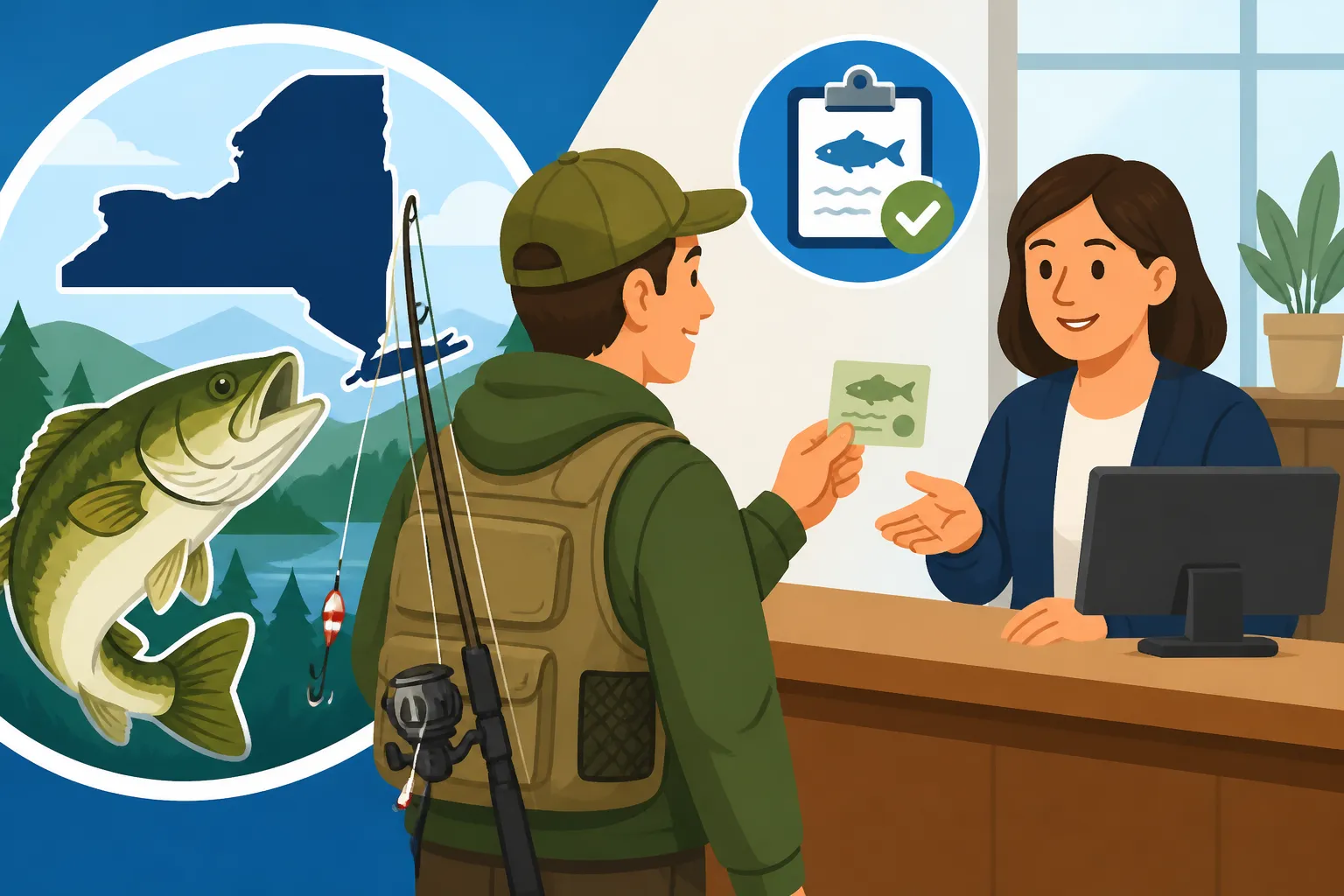
When you arrive at a town clerk's office, you'll typically find a public counter or reception area. There might be a waiting line, especially during peak seasons like early spring when many anglers are getting their licenses for the opening of trout season. Be prepared to wait your turn politely. Once it’s your turn, approach the counter and inform the clerk that you’re there to purchase a fishing license.
The clerk will usually greet you and might ask for your identification right away. Have your New York State Driver's License or other approved IDs readily available. They may also ask if you’ve purchased a license before, as repeat customers might have their information already in the DEC system, which can speed things up considerably. This initial interaction is your chance to clearly state your intentions, whether it’s a new annual license or just a temporary one.
Filling Out the Application
The clerk will then guide you through the application process. In many cases, they will input your information directly into their computer system based on your ID and questions they ask. You might be asked to confirm details like your address, phone number, and email. If you're a new applicant or if your information has changed, you might need to fill out a brief form by hand. Don't rush through this; ensure all details are accurate, as errors can cause issues down the line.
During this stage, the clerk will also confirm the specific type of license you want and any optional privileges, such as a Conservation Fund registration (which helps support wildlife management programs) or a Habitat Stamp. If you have questions about whether a certain stamp applies to your fishing plans, this is the perfect time to ask. They're there to help you understand the New York Fishing License Costs and Options and ensure you purchase exactly what you need. After all, you don't want to get caught on the water without the correct documentation.
Receiving Your License and What Comes Next
Once all the information is entered and confirmed, you'll make your payment. The clerk will then print your physical fishing license. This will be a durable, water-resistant document that you need to carry with you whenever you are fishing. It’s incredibly important to remember that Do I Need to Carry My Physical Fishing License on the Water? Yes, you absolutely do. While some states allow digital copies, New York generally requires you to have the physical license in your possession.
After receiving your license, take a moment to double-check all the printed information – your name, address, birth date, and the license type and expiration date. It's much easier to correct an error at the counter than to deal with it later. You might also be given a copy of the current year’s New York State Fishing Regulations Guide. Even if you consider yourself an experienced angler, it's always a good idea to review this guide, as regulations can change from year to year. For quick reference or digital access while on the go, many anglers also invest in a waterproof pouch for their license and a digital version of the regulations on their phone, which can often be found on platforms like Amazon.
Beyond the Purchase: Other Considerations
Getting your license is just the first step in a successful fishing season. There are always a few more things to keep in mind to ensure you're fully prepared and enjoying your time on New York's beautiful waters.
Understanding Different License Options
New York offers a variety of fishing license options designed to suit different needs. Beyond the standard annual resident and non-resident licenses, there are short-term options like the New York 7-Day Fishing License or the single-day permit for those brief excursions. Seniors (often those 70 and older) and certain disabled individuals may qualify for discounted rates or even free licenses. Military veterans also have specific benefits that can reduce or waive license fees, so it's always worth checking if you qualify.
Additionally, don't forget about specific privileges like the Marine Recreational Fishing Registry if you're planning on saltwater fishing. While often free, it's still a registration requirement. If you're passionate about fishing, you might even consider a Lifetime Fishing License. This one-time purchase eliminates the need for annual renewals and can be a significant cost-saver over many years, ensuring you're always covered when you hit the water. Each option has its own benefits, and understanding them helps you make the most informed choice.
When a Town Clerk Might Not Be Your Best Bet
While convenient and personal, a town clerk's office might not always be the ideal solution for everyone. If you need a license outside of regular business hours, for example, on a Saturday afternoon before a Sunday morning trip, an online purchase through the DEC website or a visit to an open sporting goods store like Dick's Sporting Goods or even Walmart might be more suitable. These vendors often have extended hours that cater to last-minute needs.
Also, if you're comfortable with online transactions and prefer the convenience of printing your license at home, the DEC's online licensing system is incredibly efficient. You can literally secure your license in minutes from your couch. This is particularly useful if you live far from your town clerk's office or if you have a busy schedule that makes an in-person visit difficult. The ability to "Can I Print My Fishing License at Home?" is a huge advantage for many modern anglers.
Essential Gear and Resources to Consider
Beyond the license itself, preparing for a fishing trip in New York means having the right gear and knowledge. While the town clerk's office is focused on licenses, your local connections can also point you toward reliable bait shops or local fishing spots. Investing in quality fishing gear, such as a sturdy rod and reel, appropriate tackle, and a reliable tackle box, is crucial. You can find a vast array of these items, from basic beginner kits to specialized equipment, on platforms like Amazon, often with helpful reviews from other anglers.
Consider a good fishing vest with plenty of pockets to keep your license, tools, and a small first-aid kit handy. A hat, polarized sunglasses, and proper sun protection are also non-negotiables for any serious time on the water. Don't forget a cooler to keep your catch fresh! Furthermore, always stay updated on current regulations. The New York DEC website is the official source, but a physical copy of the New York Fishing Regulations Explained can be purchased or picked up at various vendor locations. This combination of proper licensing, smart gear choices, and up-to-date knowledge will set you up for many enjoyable and successful days on New York's waters.
| License Type | New York Resident Annual | New York Nonresident Annual | 7-Day Resident/Nonresident | 1-Day Resident/Nonresident |
|---|---|---|---|---|
| Typical Cost Range | $25 – $30 | $50 – $60 | $12 – $28 | $5 – $10 |
| Primary ID Needed | NY Driver's License/ID | State ID/Passport | State ID/Passport | State ID/Passport |
| Validity Period | March 1 – Feb 28 | March 1 – Feb 28 | 7 consecutive days | 1 calendar day |
| Common Purchase Locations | Town Clerk, DEC, Online | Town Clerk, DEC, Online | Town Clerk, DEC, Online | Town Clerk, DEC, Online |
| Best For | Regular local anglers | Frequent out-of-state visits | Short trips/vacations | One-off fishing outings |
Note: Costs are approximate and subject to change. Always verify current prices and requirements with the NYS DEC or your local vendor.
Disclaimer
The information provided in this guide is for general informational purposes only and is subject to change. While we strive to keep the information up-to-date and correct, we make no representations or warranties of any kind, express or implied, about the completeness, accuracy, reliability, suitability, or availability with respect to the website or the information, products, services, or related graphics contained in this guide for any purpose. Always consult the official New York State Department of Environmental Conservation (DEC) website or contact your local town clerk's office directly for the most current regulations, license requirements, and pricing information before making any plans or purchases.