New York Bass Season Opening Day
Anglers across New York eagerly anticipate bass season, but the dates can be surprisingly confusing, often leading to worries about accidental violations or missing out on prime fishing opportunities. This comprehensive guide will clear up all the mystery surrounding New York's bass season opening day, including important catch-and-release periods and how to interpret the regulations, ensuring you're ready to hit the water legally and confidently.
Understanding New York's Bass Seasons and Their Importance
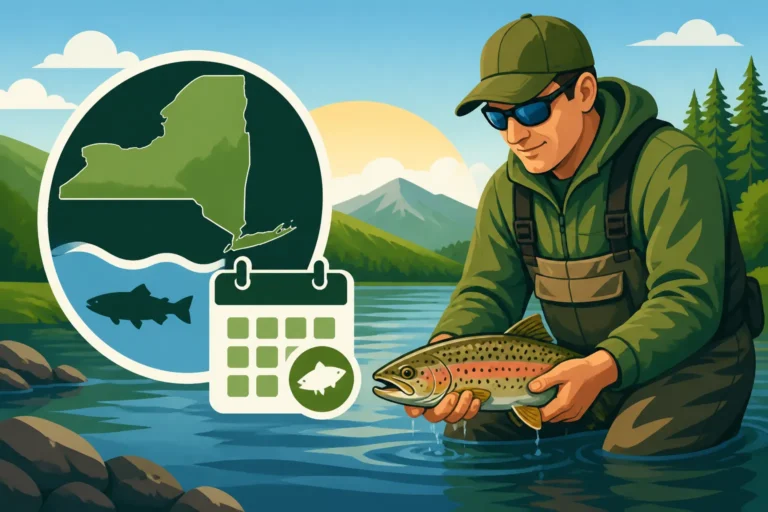
For many New York anglers, the opening of bass season isn't just another date on the calendar; it's practically a holiday. It marks the shift from colder water fishing to the thrilling pursuit of largemouth and smallmouth bass, which are among the most popular freshwater game fish in the state. Understanding these dates is absolutely crucial, not just for planning your fishing trips but, more importantly, for legal compliance. Fishing outside of the designated season, or keeping fish during a catch-and-release only period, can lead to significant penalties, including fines and even forfeiture of your gear. Nobody wants a great day on the water to turn into a costly headache because of a simple misunderstanding of the rules.
Beyond the legal aspect, knowing the season dates helps you target bass when they are most active and when their populations are best protected. The New York State Department of Environmental Conservation (DEC) carefully sets these seasons to allow bass to spawn successfully, ensuring healthy fish populations for years to come. If we all respect these regulations, we contribute to sustainable fishing and guarantee that future generations of anglers can enjoy the same fantastic opportunities we do. It’s about being a responsible steward of our natural resources, not just catching fish. It really shows our commitment to the sport and the environment.
Why Bass Season Dates Matter for Anglers
The thrill of hooking a hard-fighting largemouth or a feisty smallmouth is unparalleled for many freshwater enthusiasts. The anticipation leading up to New York's bass season opening day is palpable, with anglers meticulously checking their gear and scouting their favorite spots. But that excitement needs to be tempered with a solid understanding of the rules. Imagine planning a trip to the Adirondacks, setting up your camp, and then realizing you're a week early for the harvest season. It’s not just about avoiding a fine, though that's a huge motivator. It's about respecting the lifecycle of the fish.
The seasonal closures and specific regulations, like those detailed in the New York Freshwater Fishing Rules and the New York Fishing Regulations Explained, are put in place for a reason. Bass are particularly vulnerable during their spawning period in late spring and early summer. Allowing a catch-and-release only period, or closing the season entirely for harvest, gives these fish the best chance to reproduce successfully without being subjected to angling pressure that could disrupt their nests or remove breeding adults. This thoughtful management ensures that the bass populations remain robust and healthy for everyone to enjoy year after year.
General Overview of Bass Regulations in New York
New York State has a pretty straightforward, yet sometimes nuanced, approach to bass fishing regulations. Generally speaking, there's a distinct "regular season" during which anglers can legally keep bass, adhering to specific size and creel limits. However, there's also a crucial "catch-and-release" period that precedes the regular season. During this time, you can still fish for bass, but you must immediately return any bass you catch to the water unharmed. This catch-and-release period is designed to protect bass during their vulnerable spawning phase, giving them a chance to reproduce without harvest pressure.
These regulations apply statewide to most waters, but it’s important to remember that there can be exceptions for certain bodies of water, which we’ll dive into a bit later. The rules typically cover both Largemouth Bass in New York and Smallmouth Bass in New York, treating them similarly under the general statewide regulations. You'll find details on minimum size limits and daily creel limits (how many fish you can keep) in the official New York DEC Fishing Regulations Guide published by the DEC. It’s always a good idea to check the most current regulations before heading out, as they can sometimes change from year to year based on biological data and management goals.
Deciphering the Opening Day for Largemouth and Smallmouth Bass
Statewide Regular Bass Season Opening Day
So, let's get to the most anticipated date for many bass anglers: the statewide regular bass season opening day. For years, this date has been a fixture on the calendar, signaling the full start of bass fishing where you can actually take home your catch. In New York, the regular statewide season for both largemouth and smallmouth bass typically opens on the third Saturday in June. This is the day when the stringent catch-and-release rules lift, and anglers can begin keeping bass according to the established size and bag limits. For most waters across the state, including popular spots like Oneida Lake and the Finger Lakes, this is the date you need to circle.
It’s worth noting that while the opening day is consistent, the season generally extends through November 30th. This gives anglers a long window to enjoy bass fishing throughout the warmer months and into the fall. On opening day, you'll find lakes and rivers bustling with activity, from boat anglers working deep structure to shore anglers casting along weed lines. It’s a truly exciting time, especially for those who’ve been patiently waiting through the colder months and the catch-and-release period. For specific details on daily limits and minimum size, always refer to the official New York Bass Season Dates information from the DEC. The excitement of finally being able to bring home a keeper after months of careful catch-and-release makes this day truly special.
Catch-and-Release Season Specifics Before Opening Day
Before the regular bass season kicks off in mid-June, New York offers a substantial catch-and-release bass season. This period usually runs from December 1st through the Friday immediately preceding the third Saturday in June. During this time, fishing for bass is absolutely permitted, but there’s a critical caveat: you are required to immediately release all bass caught back into the water, unharmed. Furthermore, the use of artificial lures only is often mandated during this period, though it’s always best to consult the specific regulations, as these details can sometimes vary.
This catch-and-release window provides a fantastic opportunity to get out on the water and hone your bass fishing skills without adding pressure to the spawning population. Imagine heading out to your favorite pond in April, landing a nice largemouth, and then watching it swim away, knowing you're contributing to its future generations. It’s a win-win: you get to fish, and the bass get to do their thing. Anglers really appreciate this extended opportunity, and it speaks volumes about the DEC's commitment to both recreation and conservation. If you're planning to fish during this time, make sure your tackle box is stocked with appropriate artificial lures – maybe pick up some new soft plastics or crankbaits on Amazon! Remember to check out the specific Bass Catch-and-Release Season Dates for the exact rules, as they are crucial for legal compliance.
Here's a quick breakdown of the typical statewide bass season structure:
| Bass Season Period | Dates (Typical Statewide) | Regulations Summary |
|---|---|---|
| Catch-and-Release | Dec 1 – Third Friday in June | Fishing for bass is permitted. All bass caught must be immediately released unharmed. Artificial lures only (check specific regulations for exceptions). No size or creel limits apply as no harvest is allowed. |
| Regular Season | Third Saturday in June – Nov 30 | Fishing for bass is permitted. Anglers may keep bass according to statewide or special regulations. Specific Bass Daily Limit and Minimum Size in New York apply. Live bait and artificial lures generally allowed. |
Regional Variations and Special Regulations for Bass Fishing
Notable Lakes and Rivers with Unique Bass Rules
While the statewide regulations provide a good baseline, New York is a diverse state with a vast array of water bodies, and some of them come with their own unique set of bass fishing rules. It's truly a puzzle sometimes trying to keep track! For example, certain sections of the St. Lawrence River, particularly around the Thousand Islands, might have slightly different size or bag limits for smallmouth bass due to their unique ecology and significant fishing pressure. Similarly, some smaller, protected lakes in the Adirondacks could have more restrictive regulations, or even be catch-and-release only year-round for certain species, to preserve their pristine environments and fragile fish populations.
A good example of special regulations is often found in shared border waters. For instance, parts of Lake Champlain or the Delaware River, which straddle state lines, might have reciprocal agreements or specific rules established in cooperation with neighboring states like Vermont or Pennsylvania. These exceptions are critical to be aware of because ignorance of a special regulation is not a valid defense if you're approached by a DEC officer. Before you cast a line in any unfamiliar water, especially if it’s a prominent or well-known fishing destination, take a moment to confirm if it falls under any special regulations by checking the DEC’s "Special Regulations by County" section in their guide.
How to Stay Informed About Local Bass Regulations
Staying informed about all these potential variations can feel overwhelming, but it doesn't have to be. The best, most reliable source of information is always the New York State Department of Environmental Conservation (DEC). They publish a comprehensive Freshwater Fishing Regulations Guide annually. You can usually pick up a physical copy wherever fishing licenses are sold, like at many sporting goods stores, or download the latest version directly from the DEC website. This guide is your bible for all things New York fishing.
Beyond the official guide, checking local bait and tackle shops can be incredibly helpful. The folks working there are often local experts, living and breathing the fishing scene in their area. They’re usually happy to share up-to-date information on any specific quirks of nearby lakes or rivers. Online forums and local fishing clubs are another great resource for real-time updates and discussions about specific waters. Just be sure to cross-reference any "heard-it-on-the-internet" information with the official DEC guide to be absolutely certain you're compliant. Don't risk a ticket over outdated advice! You might even find some useful regional gear recommendations or local hotspots on Amazon's fishing communities.
Gear and Tactics for Early Season Bass Success
Essential Gear for Opening Day Bass Fishing
When the bass season finally opens, especially if you're hitting the water right on the third Saturday in June, you're likely still dealing with some cooler water temperatures in many parts of the state. This means your gear choices and tactics will differ a bit from peak summer fishing. For rods, a medium-heavy action spinning or baitcasting rod, typically 6'6" to 7'6" long, is versatile enough for most bass applications. Pair that with a reliable reel spooled with 10-15 lb fluorocarbon or braided line. Fluorocarbon is excellent for its low visibility and sensitivity in clearer, colder water, while braid offers strength and casting distance, especially when paired with a fluorocarbon leader.
As for lures, variety is key. Crankbaits in natural baitfish patterns or crawfish colors are fantastic for covering water and triggering reaction strikes. Jigs, especially football jigs or skirted jigs, with a soft plastic trailer, are deadly when worked slowly along the bottom where bass might be holding. Soft plastics like stick worms, creature baits, and finesse worms rigged wacky or Texas-style are also excellent for a more subtle approach. Don't forget a good pair of pliers for hook removal, a tape measure to check those minimum lengths, and maybe a net to safely land your catch. And hey, if your tackle box needs an upgrade, or you're looking for that specific lure everyone's talking about, you can usually find a great selection of lures for largemouth bass in spring or lures for smallmouth bass in rivers on Amazon, often with quick delivery!
Effective Techniques for Cold Water Bass
Fishing for bass in the early season, particularly during that catch-and-release period leading up to opening day, often means targeting fish that are still somewhat lethargic due to cooler water temperatures. They aren't going to chase down a fast-moving bait like they would in August. Therefore, a slower, more methodical approach is usually best. Think finesse. Techniques like slow-rolling a spinnerbait along drop-offs or submerged cover, or meticulously working a jig-and-trailer combo, can be incredibly effective. Consider trying a Ned Rig, which is a fantastic finesse presentation that often gets bites when other lures fail.
Bass at this time are often found relating to structure that offers slightly warmer water, like dark rock beds that absorb sunlight, or shallow flats that warm up faster. They might also be found congregating in deeper holes or near cover on sunny days. Focus on presenting your lures slowly, letting them sink and pause, imitating an easy meal. Remember, the goal is often to provoke a reaction strike rather than an aggressive chase. Knowing How to Fish Cold Water in New York effectively can make all the difference between a frustrating day and a fantastic one. Keep an eye on water temperatures; once they consistently get into the mid-50s and low-60s Fahrenheit, bass activity will pick up significantly, leading to more aggressive feeding and making a spinnerbait, like those available on Amazon, an excellent choice.
Anglers really look forward to the "New York Bass Season Opening Day" as a true mark of spring turning into summer. Whether you're patiently awaiting the regular season to keep a few for dinner or enjoying the catch-and-release opportunities earlier in the year, understanding these regulations ensures a successful and legal outing. Always check the official DEC guide for the most current information, because a prepared angler is a successful and responsible one. Tight lines!
Disclaimer
Please remember that fishing regulations, including season dates, size limits, and creel limits, can change. While this guide provides general and accurate information at the time of writing, it is absolutely essential to consult the most current official New York State Department of Environmental Conservation (DEC) Freshwater Fishing Regulations Guide before engaging in any fishing activity. This ensures you are fully compliant with all applicable laws and regulations.