Can I Get a Refund on an Unused Fishing License?
It's happened to the best of us: you get all geared up for a fantastic fishing trip in New York, you've snagged your license, maybe even splurged on some new gear, and then life throws a curveball. Suddenly, those fishing plans are on hold, and you're left wondering, "Can I get a refund on an unused fishing license?" It's a truly frustrating situation, and you're not alone in asking. This guide is here to shed some light on the reality of fishing license refunds in the Empire State.
The Straight Answer: Fishing License Refunds in New York are Rare
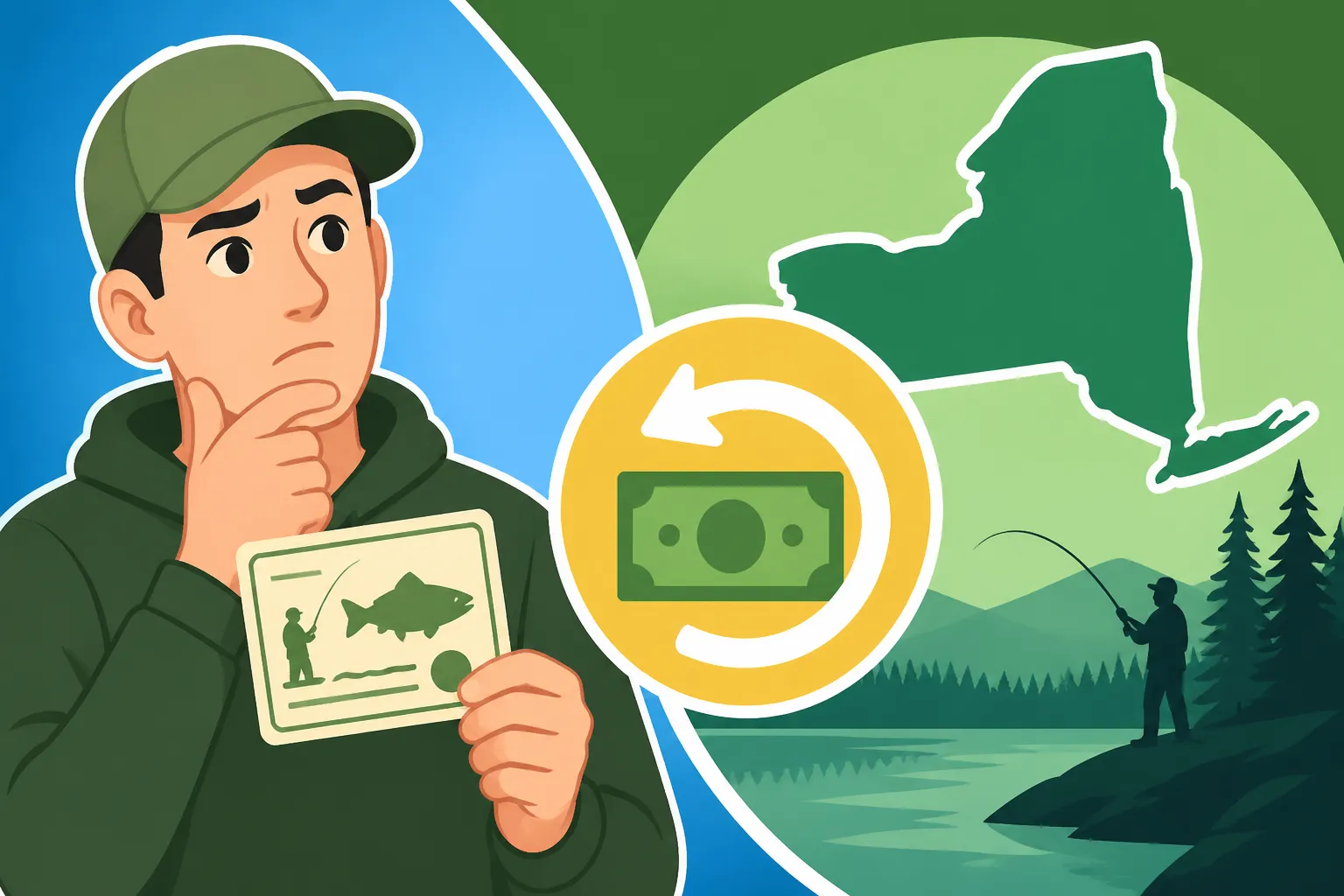
Let's cut to the chase, because I know you're looking for clarity. Generally speaking, obtaining a refund for an unused fishing license in New York State is exceptionally difficult, if not impossible. The New York State Department of Environmental Conservation (DEC), which issues these licenses, operates under a very strict "all sales are final" policy once a license has been issued.
Understanding the DEC's "No Refund" Policy
The DEC's stance on refunds isn't arbitrary; it's rooted in the very purpose of fishing license sales. The revenue generated from these licenses is critical. It directly funds a wide array of conservation programs, fish stocking efforts, habitat restoration projects, and the enforcement of fishing regulations across the state. When you purchase a license, you're not just buying a permit to fish; you're contributing to the health and sustainability of New York's aquatic ecosystems. Because these funds are immediately allocated and put to work for these vital programs, the system isn't really set up for individual refunds.
Think about it this way: unlike a product you might easily return on Amazon if it doesn't fit or you change your mind, a fishing license is a government-issued permit tied to specific regulations and a specific timeframe. The administrative overhead of processing refunds for every change of plans would be immense and detract from the essential conservation work. It's an investment in the future of fishing, even if your personal plans unfortunately change. We all wish there was more flexibility when our personal circumstances shift, but the system is designed with the broader ecological good in mind.
Common Scenarios Where Anglers Wish for a Refund
It's completely understandable why so many anglers inquire about refunds. Life is unpredictable, and sometimes, even the most anticipated fishing trips fall through. I've heard countless stories, and maybe some of these sound familiar:
- Unexpected Health Issues: A sudden illness or injury can make even a short trip to the water impossible, leaving you with a valid license you can't use.
- Family Emergencies: Life-altering events, from family health crises to unexpected travel, can suddenly consume your time and energy, pulling you away from the tranquility of fishing.
- Trip Cancellations: Perhaps you planned a multi-day excursion to a specific location like the Finger Lakes, and unforeseen weather, a cancelled reservation, or a conflict with a friend's schedule forces a complete overhaul of your plans. All that anticipation, and now, no fishing.
- Moving Out of State: Sometimes, a job opportunity or other life change means relocating outside of New York State shortly after purchasing your annual resident license. Now, it's valid for waters you can no longer easily access.
In all these situations, the disappointment is real. You've made a commitment, paid your money, and now can't enjoy the activity you love. While you might order most of your fishing gear, like a new reel or some tackle, from Amazon with a generous return policy, a New York fishing license isn't something you can just send back to the DEC if your plans change. This stark difference can be quite frustrating, but it's important to understand the regulatory framework behind it.
When an Exception Might Exist: Errors and Unique Situations
While the general rule is "no refunds," there are extremely limited circumstances under which the DEC might consider an adjustment or correction. These are not true refunds in the sense of getting your money back because you changed your mind, but rather rectifications for errors in the issuance process.
Errors Made by the Issuing Agent
The most common (though still rare) situation where you might see some form of rectification is when an error was made by the licensing agent or the online system itself, not by you. This means the mistake wasn't in your choice of license, but in the process of issuing it.
- Wrong License Type Issued: Imagine you explicitly requested a 7-day nonresident license, but the agent accidentally processed an annual resident license. If you catch this mistake immediately and can prove what you requested (e.g., an email confirmation, a clear verbal request with witnesses), the DEC might be able to void the incorrect license and issue the correct one, making an adjustment.
- Incorrect Residency Applied: If you're a New York resident, but the agent mistakenly inputs your information as a non-resident, leading to a higher fee, this could be a rectifiable error. Again, swift action and clear documentation are key.
- Typographical Errors: Minor errors like a misspelled name or incorrect birth date on the license itself (not a misrepresentation on your part) are usually correctable by the DEC by issuing a corrected license, though not a refund of the initial purchase.
The critical takeaway here is that you need to identify these errors at the point of purchase. Always, always review your license details before leaving the vendor or clicking the final "confirm" button if buying online. Once you walk away with it, or it's officially in the system for any length of time, it becomes much harder to argue it was an "agent error." If you do spot an error, contact the DEC or the vendor immediately.
Unique, Case-by-Case DEC Review
In extremely rare and unique situations, the DEC might consider a specific request for review, but you should go into this process with very low expectations. These aren't standard refund procedures, and there's no guarantee of a positive outcome. For instance, if there was a widespread technical glitch with the licensing system that affected numerous purchases, the DEC could potentially issue a blanket policy. However, for individual cases, the bar is incredibly high.
To pursue such a review, you would typically need to:
- Contact the DEC directly: Don't go back to the local sporting goods store or town clerk. You need to communicate with the main DEC licensing division. You can usually find contact information on the official New York Fishing License Guide pages.
- Provide a detailed explanation: Clearly state your situation, including dates, license details, and the specific reasons you believe an exception should be made.
- Include any supporting documentation: Medical notes (if applicable), travel cancellations, proof of relocation, or anything else that substantiates your claim.
It's vital to understand that the DEC's primary role is conservation and regulation, not customer service in the retail sense. While they are usually helpful and polite, their hands are tied by strict state regulations regarding license revenue. They'll listen, but their ability to offer a refund for an unused license due to personal changes is almost non-existent.
Making the Most of an Unused License and Future Planning
So, what happens if you're stuck with a valid New York fishing license you can't use? While a cash refund is unlikely, it's not the end of the world. Let's explore some alternative perspectives and proactive steps you can take.
The Shelf Life of Your New York Fishing License
First, understand the validity period of your license. Most annual fishing licenses in New York State are valid from March 1st through the last day of February in the following year. This means that if you purchased an annual license in, say, April, and your plans fall through for summer, you still have the entire fall and winter season to potentially use it. You can review the New York Fishing License Expiration Date Explained for more details on exactly when your permit runs out.
Even if your initial plans for spring trout fishing are dashed, perhaps a spontaneous ice fishing trip in January or a fall salmon run on a Lake Ontario tributary could still be in the cards. Before you completely write off the license, consider if there’s any window of opportunity to wet a line before it expires. Sometimes, a change of scenery or target species can turn a disappointing situation into an unexpected adventure. You might discover a new passion for Ice Fishing in New York: A Complete Guide or fall fishing techniques.
Alternative Perspectives: Your Contribution to Conservation
While it might not feel great to have paid for something you didn't get to fully use, your purchase still serves a greater good. Every dollar from a fishing license sale goes directly back into managing and preserving New York's incredible fisheries. This includes:
- Fish Stocking: Helping to replenish popular fishing waters with various species, ensuring healthy populations for years to come.
- Habitat Improvement: Protecting and enhancing aquatic environments that are crucial for fish reproduction and survival.
- Research and Monitoring: Studying fish populations and water quality to make informed management decisions.
- Enforcement: Funding game wardens who ensure fair and sustainable fishing practices, protecting resources from poaching and overfishing.
So, even if your personal trip didn't happen, your money didn't just vanish. It went towards protecting the very resources that draw us to the water. In a way, it's a small but significant contribution to ensuring that future generations of anglers, including yourself, have healthy fish to pursue. It's a silver lining, even when life is frustrating.
Smart Purchasing for Future Adventures
To avoid the disappointment of an unused license in the future, careful planning can make a world of difference. Consider the various New York Fishing License Types Explained before committing to a purchase.
- Daily or 7-Day Licenses: If your fishing plans are uncertain, or you only anticipate one or two short trips, opting for a 1-day or 7-day license might be a smarter move. While the per-day cost can be higher than an annual license, it significantly reduces your financial commitment if plans change. Comparing the Weekly Fishing License Price Compared to Annual can help you determine the most cost-effective option for your specific needs.
- Purchase Closer to Your Trip: Don't buy an annual license months in advance if your schedule isn't firm. Wait until you are confident in your plans, ideally a week or two before your first anticipated trip.
- Check all Details: As mentioned before, double-check every piece of information on your license at the point of sale. If you're buying online, take an extra moment to verify dates, your residency status, and the type of license you've selected before completing the transaction. This small step can prevent errors that, while rare, are the most likely (and still difficult) pathway to any form of correction.
Planning ahead and choosing the right type of license can save you from future headaches and the unfortunate feeling of having a license go to waste. You can find detailed breakdowns of various options and costs in our comprehensive New York Fishing License Costs and Options guide.
Practical Advice for Anglers
Having been through my share of unexpected changes in plans, I’ve learned a few things that can help prevent or at least manage the disappointment of an unused fishing license.
Double-Checking Your Purchase Details
This might sound like a minor point, but it's absolutely crucial. Whether you're purchasing your license at a local sporting goods store, a town clerk's office, or through the DEC's online system, take a moment to carefully review all the printed or displayed information before you finalize the transaction.
Look for:
- Your Name: Is it spelled correctly?
- Address: Is your resident address accurate, ensuring you get the correct resident pricing?
- License Type and Term: Did you get the annual license you wanted, or accidentally a 1-day? Is it for freshwater, saltwater, or a combination?
- Validity Dates: Does the start and end date align with your expectations?
Catching a mistake before the license is fully issued and you've left the counter is your best (and almost only) chance for a correction. Once it's in the system and you've walked away, even legitimate errors become far more complicated to resolve. It's like checking your order on Amazon before hitting "place order" – that last look can save a lot of grief. For a detailed walkthrough of the purchasing process, check out How to Get a Fishing License in New York.
Reaching Out to the New York DEC
If you do believe there's been an error in your license issuance, or you have a truly unique situation you feel warrants review, your best course of action is to contact the New York State Department of Environmental Conservation directly.
Here’s how to generally approach it:
- Gather Information: Have your license number, the date and location of purchase, and any relevant documentation (like a receipt or confirmation email) ready.
- Contact the DEC's Licensing Unit: The DEC website is the best place to find the most current contact information for their licensing division. They usually have a dedicated phone number or email address for such inquiries. Avoid calling local DEC offices, as they often direct licensing questions to the central unit.
- Be Clear and Concise: Explain your situation calmly and factually. Focus on the error or the unique circumstance, rather than expressing general frustration about not being able to fish.
- Set Realistic Expectations: Remember, even with an error, the solution might be a corrected license, not a monetary refund. For personal changes in plans, a refund is highly improbable.
While the answer might not be what you hope for, communicating directly with the DEC is always the correct step if you have a specific issue with the issuance of your license. They can also clarify any nuances about New York Fishing Regulations Explained or offer guidance on where to use your license if you find yourself with unexpected free time.
| Scenario | Likelihood of Refund/Correction | Action to Take |
|---|---|---|
| Change of personal plans (illness, trip cancelation, etc.) | Very Low (Essentially zero) | Accept the loss, view as conservation donation. Consider using the license for future, adjusted plans within its validity. |
| Error by issuing agent (wrong license type, residency) | Low to Moderate (If caught immediately) | Immediately contact the issuing agent or DEC. Provide proof of the error (e.g., initial request, receipt). Be prepared for a correction, not necessarily a refund. |
| License purchased, but never activated/printed | Very Low (Still considered issued) | Once purchased, the license is generally considered "issued" whether you print it or not. Treat as "change of plans" scenario. |
| Purchased a license for another state by mistake | Zero | New York licenses are only valid for New York. Refunds for out-of-state purchases are not handled by NYSDEC. |
| DEC-mandated widespread system error/issue | Extremely Low (Rare, agency-initiated) | Wait for official DEC communication. This would be a systemic issue, not an individual one. |
Disclaimer
Please remember that fishing regulations and policies, including those regarding licenses and potential refunds, can change. While this guide is based on the most current information available, it's always best to consult the official New York State Department of Environmental Conservation (DEC) website or contact them directly for the most up-to-date and authoritative information regarding your specific situation.