Does the Marine Registry Expire Every Year?
It’s a common worry among New York anglers, especially when you’re trying to keep all your ducks in a row with fishing licenses and permits: "Does that New York Marine Fishing Registry I signed up for last year expire? Do I need to renew it every single season?" This guide is here to clear up that confusion once and for all, making sure you know exactly where you stand so you can focus on what truly matters: getting out on the water.
The Simple Truth About Your New York Marine Fishing Registry
Let's cut right to the chase because nobody likes unnecessary stress when they're planning a fishing trip. The New York State Department of Environmental Conservation (DEC) Recreational Marine Fishing Registry does not expire annually. Once you register, you are registered for life, or at least until the DEC decides to change the program, which isn't on the horizon. This is a huge relief for many of us who are used to annual renewals for just about everything else in the angling world!
Think about it: most of us have a mental checklist when it comes to fishing. Rods? Check. Reels? Check. Tackle box? Check. Bait? Check. Oh, and did I remember to renew my license? That last one can cause a moment of panic if you're not absolutely sure. But with the Marine Fishing Registry, that particular headache is avoided. It's a one-and-done deal. You sign up, get your confirmation, and you're good to go for saltwater fishing in New York waters, assuming you meet all other requirements like possessing a valid New York fishing license if you're targeting freshwater species at any point or if you're traveling out of state.
The purpose of this registry, put in place several years ago, was primarily to help the state gather crucial data on recreational saltwater fishing effort and harvest. This information is vital for managing our precious marine resources effectively, ensuring that future generations can enjoy the same incredible fishing opportunities we do. It’s not designed as a revenue generator like a traditional license, which is why it remains free and, blessedly, non-expiring.
Understanding the "Why" Behind the Confusion
It's completely understandable why so many anglers get tripped up on whether the Marine Fishing Registry expires. We live in a world of annual renewals, subscription services, and constantly changing regulations. It feels almost counter-intuitive to have something as important as a state registry be perpetual.
One of the biggest culprits for this confusion lies in the stark contrast between the Marine Fishing Registry and the standard New York State fishing licenses. When you're dealing with a freshwater fishing license, for instance, those absolutely do expire. Whether you purchase an annual, 7-day, or 1-day license, there’s a clear expiration date you need to be mindful of. This is detailed extensively in resources like the New York Fishing License Costs and Options guide. Many people fishing brackish waters or moving between freshwater and saltwater areas might possess both, leading to a natural assumption that all fishing-related documents from the DEC operate on the same annual cycle.
Another source of misunderstanding comes from the fact that the registry was established relatively recently compared to other fishing regulations. Before the registry was implemented, there wasn't a universal requirement for saltwater anglers to register, unless they were participating in specific programs or fishing for certain species. So, for seasoned anglers, it was a new requirement, and the "new" often brings questions about its longevity and upkeep. Even the process of How to Sign Up for the Marine Fishing Registry might make it feel like a more formal, recurring obligation.
Then there's the general complexity of fishing regulations. From different catch limits for specific species, varying fishing seasons, to special regulations for certain bodies of water like Lake Ontario tributaries, it can be a lot to keep straight. Add in the different types of fishing licenses available, and it’s no wonder people err on the side of caution and wonder if they need to re-register every year. For example, understanding the nuances covered in the New York Fishing Regulations Explained can be a full-time job in itself!
Here’s a quick table to help clarify the key differences that often cause this confusion:
| Feature | NYS Recreational Marine Fishing Registry | NYS Freshwater Fishing License (Annual) |
|---|---|---|
| Cost | Free | Varies by residency and age |
| Expiration | Perpetual (Does Not Expire Annually) | Expires annually on December 31st |
| Purpose | Data collection for marine fisheries | Funds conservation efforts, grants fishing rights |
| Required For | Recreational saltwater fishing in NYS waters (some exceptions apply, e.g., commercial) | Freshwater fishing in NYS waters |
| Renewal Needed? | No | Yes, annually |
| Physical Document | Confirmation email/card (digital or print) | Physical license card (digital option available) |
This distinction is crucial. While you don't need to stress about renewing your Marine Registry, you absolutely must stay on top of your freshwater fishing license renewals if you plan to fish lakes, rivers, or streams.
Keeping Your Information Current and Staying Legal
Even though your New York Marine Fishing Registry doesn't expire, there might be situations where you need to update your information. For example, if you move and change your address, or if your contact information changes, it’s always a good idea to ensure your details with the DEC are current. While the registry itself doesn’t expire, accurate contact information ensures you stay informed of any critical updates or changes in regulations that might affect your fishing. The DEC’s online licensing system is typically where you manage all your hunting and fishing credentials, and it's the best place to update personal details.
Remember, having a valid New York fishing license is a separate requirement for most freshwater fishing activities. If you're wondering, "Do I Need Both a Freshwater License and a Marine Registry?", the answer is often yes, if you intend to pursue both types of fishing. For instance, if you're planning a trip to fish for stripers in the Long Island Sound and then head upstate to target trout in the Catskills, you'll need both your non-expiring Marine Fishing Registry and a current freshwater fishing license.
Another scenario where this distinction becomes important is for out-of-state visitors. If you're an angler from, say, Pennsylvania, and you plan to fish for striped bass in the Great South Bay, you'll need to sign up for the New York Recreational Marine Fishing Registry. However, if you then decide to try your luck with bass in the Finger Lakes, you'll also need to purchase a New York nonresident fishing license. The rules can definitely get a bit tricky when you cross state lines, which is why we've put together guides like Fishing License Requirements for Out-of-State Visitors to New York.
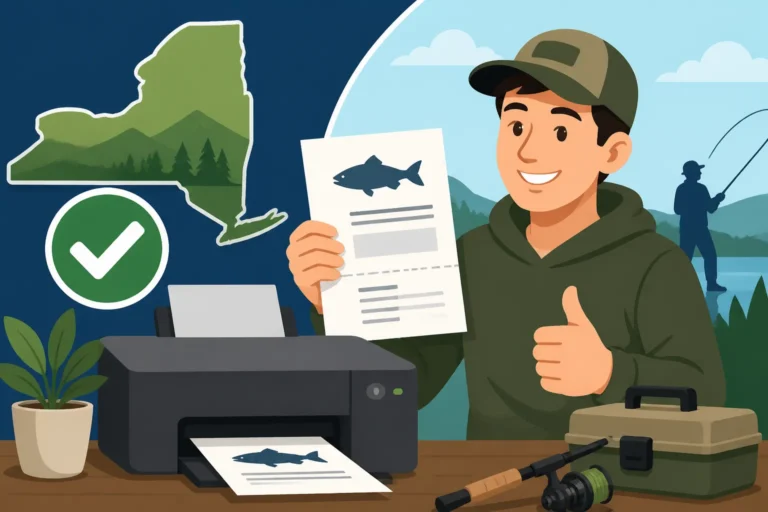
It's always a good practice to carry proof of your Marine Fishing Registry, whether it's a printout of your confirmation or a digital copy on your phone. Even though it's free and non-expiring, a DEC officer might ask to see it, just as they would a traditional fishing license. Being prepared means less hassle and more time on the water. Many anglers even keep a printed copy in their tackle box or boat bag, right alongside their general New York Fishing License Guide.
Beyond the Registry: Other Important Fishing Licenses and Regulations
While the Marine Fishing Registry is unique in its perpetual nature, it’s important not to let that unique characteristic overshadow the other vital regulations that govern fishing in New York. Every species, every body of water, and often every season, comes with its own set of rules.
For example, beyond your basic freshwater license, you might need special stamps or permits depending on what you're targeting. Are you planning to go after salmon and trout in the world-famous Salmon River? You'll need to be aware of specific regulations for those species, often requiring an additional "What Is a Trout Stamp?" if you're fishing in designated trout waters. These are definitely annual purchases and do expire, unlike the marine registry.
Then there are the rules surrounding specific fish species. Whether you’re chasing New York Bass Season Dates, figuring out the New York Walleye Season and Limits, or adhering to the New York Striped Bass Length Requirements, there’s always something new to learn or remember. It's not enough to just have your licenses in order; you need to understand the nuances of how and where you can fish. The best way to stay completely informed is to always consult the current New York DEC Fishing Regulations Guide, which is updated annually. You can often find these guides online on the DEC website or pick up a physical copy at most bait and tackle shops, and often, even big box stores like Walmart will have them near their sporting goods section. Sometimes, anglers even order supplementary guides or specialized fishing maps that contain regulation summaries from retailers like Amazon for convenience.
Staying informed about all the regulations, including those concerning bait fish collection rules or how many fishing rods can I use at once, ensures that you're not just fishing, but you're fishing responsibly and legally. The conservation of New York's incredible fisheries relies on every angler doing their part, and that starts with knowing the rules. So, while you can breathe easy about your Marine Fishing Registry, make sure you're still regularly checking in on your other fishing credentials and the latest seasonal updates.
Disclaimer
The information provided in this guide is for general informational purposes only and is subject to change. While we strive to provide accurate and up-to-date information, it is your responsibility to consult the official New York State Department of Environmental Conservation (DEC) website and current regulations guide for the most precise and legally binding information before engaging in any fishing activities.