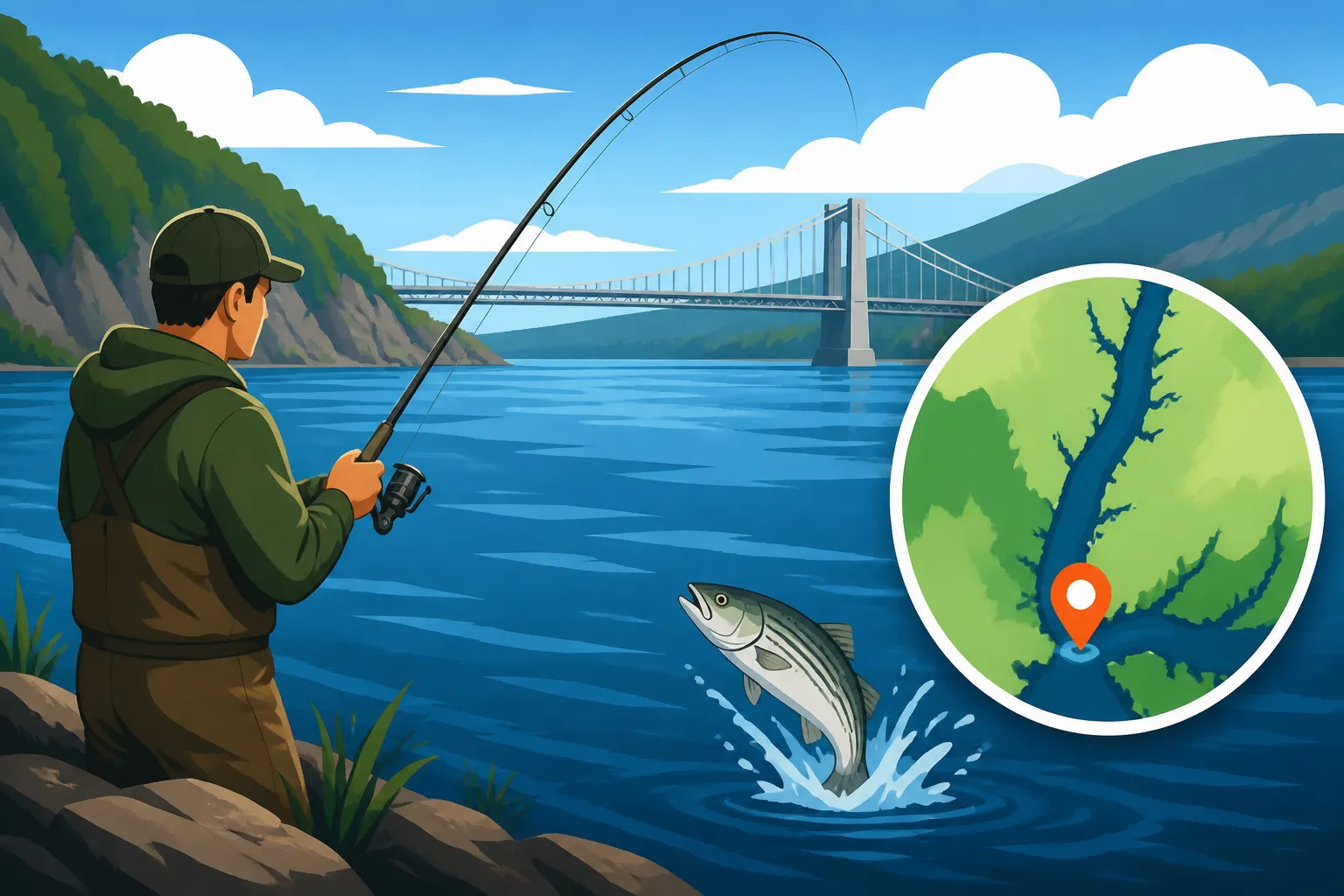
Fishing the Hudson River in New York: Where to Go
Oh, the majestic Hudson River! It's one of those iconic waterways that calls to every angler in New York, but let's be real, its sheer size and diverse ecosystems can feel incredibly overwhelming. You might find yourself staring at a map, wondering where on earth to even drop a line, or how the fishing changes from the Adirondacks all the way down to the salty embrace of New York City. This guide is here to untangle that knot of confusion, providing you with a comprehensive look at the best places to fish, what species you can expect to catch, and the essential tips to make your Hudson River fishing adventure a truly memorable one.
Understanding the Hudson River's Unique Fisheries
The Hudson River isn't just a river; it's a living, breathing, tidal estuary for much of its length, transitioning from pristine freshwater mountain streams to a bustling brackish water environment before merging with the Atlantic Ocean. This incredible diversity means the fishing opportunities are equally varied, but it also means you need to understand where you are on the river to know what you're fishing for. It's a truly dynamic system, unlike almost any other river in the state.
The Tidal Influence and Salinity Gradient
One of the most critical aspects of fishing the Hudson River, especially south of the Troy Dam, is its tidal nature. Tides dictate everything: water movement, current strength, fish feeding patterns, and even what species are present. The ocean's rhythm pushes saltwater up the estuary, creating a "salt front" that can move significantly upriver depending on rainfall and freshwater runoff. This constantly shifting salinity gradient is what makes the Hudson so fascinating. For instance, while the upper stretches near Albany are primarily freshwater, as you move downstream past Poughkeepsie and certainly below Newburgh, you'll start to encounter brackish conditions, eventually becoming full saltwater down near the Verrazzano-Narrows Bridge. Anglers often struggle with timing their trips to these tides, as fishing the wrong part of the tide can mean a completely dead bite. Understanding the moon phases and local tide charts is paramount, and many seasoned Hudson River anglers plan their entire day around the ebb and flow.
Navigating the Hudson's Scale and Complexity
From its headwaters in the Adirondack Mountains to its mouth at New York Harbor, the Hudson River stretches over 300 miles. Imagine trying to cover all that ground! It's simply not feasible for a single trip, or even a lifetime, which is why breaking it down into manageable sections is key. The river morphs from narrow, clear, cold streams in the north to a wide, expansive, often turbid waterway downstream. This complexity means that fishing tactics, targeted species, and even the type of gear you bring will change dramatically depending on whether you're fly-fishing for trout in a small tributary up north or casting massive lures for striped bass near the Tappan Zee Bridge. Many anglers are intimidated by this scale, unsure if their usual lake or pond tactics will translate. The good news is, once you grasp the river's distinct zones, its complexity becomes its greatest strength, offering an unparalleled variety of angling experiences. This vastness also means that simply finding public access can be a challenge in some areas, necessitating careful planning for boat launches or shore fishing spots.
Key Fish Species You'll Encounter
The Hudson River is a biological melting pot, hosting an incredible array of fish species. From prized migratory game fish to everyday panfish, there's truly something for every angler. Knowing what you're likely to hook into will help you tailor your gear and approach, and trust me, some of these fish put up a phenomenal fight. If you're wondering what swims in these waters, you might find our guide on Fish Species Found in the Hudson River to be incredibly insightful.
Chasing the Mighty Striped Bass
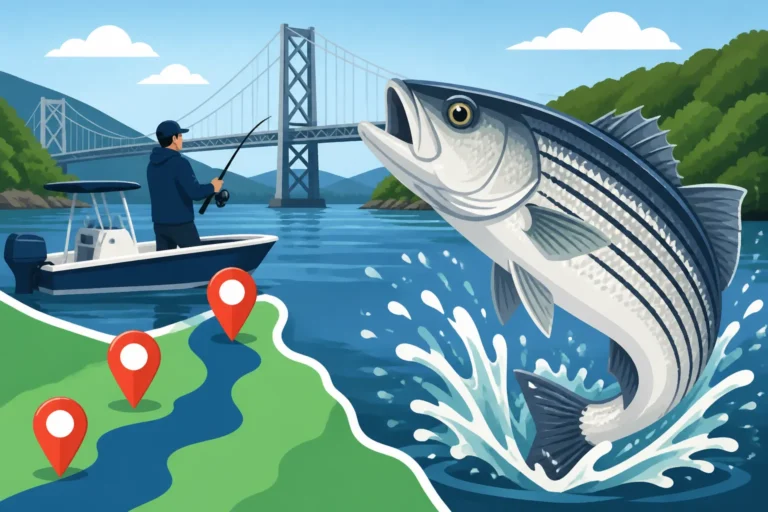
When most people think of fishing the Hudson River, their minds immediately go to the striped bass. These magnificent anadromous fish migrate from the Atlantic Ocean up the estuary to spawn, offering some of the most exciting and productive fishing in the region. The spring run, typically from April into May, sees huge numbers of fish moving upstream, while a strong fall run brings them back down. Stripers can be found throughout the tidal Hudson, from the lower harbor up past Albany, though their concentrations vary by season and salinity. They are aggressive predators, hitting a wide range of baits and lures, and their powerful runs are legendary. Many anglers dedicate their entire season to targeting these incredible fish, perfecting techniques like live-lining herring or casting large plugs. For an in-depth look at this particular pursuit, you'll definitely want to check out our article on Striped Bass Fishing on New York's Hudson River.
Freshwater Favorites: Bass, Walleye, and Panfish
While stripers often steal the spotlight, the Hudson River's freshwater sections and tributaries, particularly north of Albany and in the less saline areas further south, offer fantastic opportunities for warmwater species. Largemouth and smallmouth bass thrive in different habitats along the river. Largemouth often hide in the weedy backwaters, coves, and slow-moving stretches, especially in the wider, shallower areas of the mid-Hudson. Smallmouth bass, on the other hand, prefer the rockier, current-swept sections, often found around bridges, ledges, and deeper channels.
Walleye, another highly sought-after species, are present in good numbers, particularly in the northern freshwater stretches and some of the deeper pools downriver. They are often targeted during low-light conditions or at night, offering a rewarding challenge to those who master their subtle bite. Beyond these marquee species, the Hudson is teeming with various panfish like yellow perch, bluegill, and crappie, which provide excellent action for casual anglers and families. These fish are relatively easy to catch, making them perfect for introducing kids to fishing, and they are abundant in countless coves and slack water areas up and down the river. You can usually find them congregating around docks, fallen trees, and weed beds.
Other Notable Catches: Sturgeon, Eels, and More
The Hudson River's incredible biodiversity extends far beyond the most popular game fish. You might be surprised by the variety you could encounter! American shad, for example, make a strong migratory run in the spring, offering fast-paced action on light tackle for those who know how to target these acrobatic fish. White perch are another brackish water staple, providing consistent bites and often schooling in large numbers. These smaller, feisty relatives of the striped bass are delicious and can be caught using similar baits and techniques.
Then there are the real ancient inhabitants, like the Atlantic sturgeon and Shortnose sturgeon. While it's illegal to fish for or possess these protected species, it's not uncommon for anglers to accidentally hook one, especially when bottom fishing for other species. If you do, it's a truly awe-inspiring experience to see these magnificent, prehistoric fish up close before carefully releasing them. Channel catfish are also abundant in the Hudson, particularly in the warmer, slower stretches, offering exciting nocturnal fishing for those targeting them with stink baits or cut bait. Even American eels are a common catch, often mistaken for snakes by the uninitiated, they are surprisingly powerful and can be quite a fight on a hook. The sheer variety ensures that every cast on the Hudson holds the potential for a new and exciting surprise.
Prime Fishing Hotspots Along the Hudson
Given the Hudson's immense length, pinpointing "the best" spots is tough because it really depends on what you're trying to catch and what kind of fishing experience you're after. However, we can break down the river into key regions, each with its own character and prime angling opportunities. From quiet upriver stretches to bustling urban fisheries, the Hudson has it all. If you're looking for more general information on fishing locales, our guide to New York's Best Rivers for Fishing provides a great overview.
Upper Hudson: From the Adirondacks to Albany
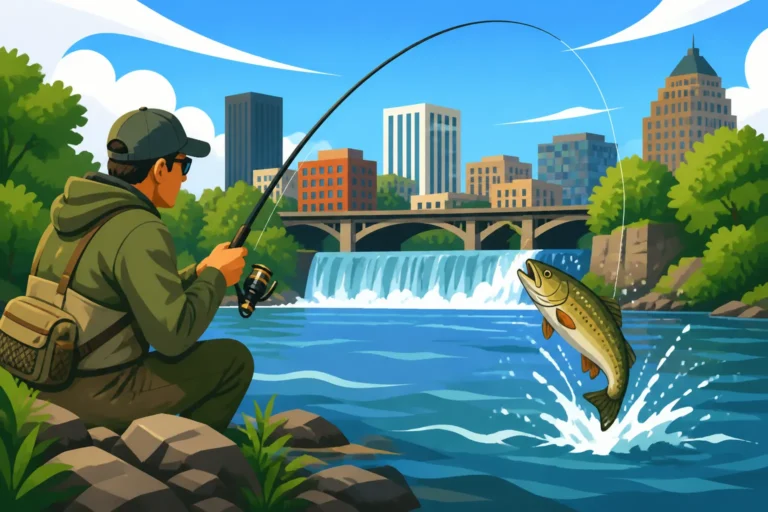
The Upper Hudson River, particularly above the Troy Dam and extending into the Adirondacks, presents a completely different fishing landscape. Here, the river is primarily freshwater, characterized by faster currents, rocky bottom, and a more classic riverine environment. This is prime territory for coldwater species like trout, especially brook and brown trout in the smaller, colder tributaries that feed into the main stem. Anglers often find success here with fly fishing or light spin tackle, targeting riffles and deeper pools. As you move downstream towards Albany, the river widens, slows, and becomes a productive warmwater fishery.
Around Mechanicville and Stillwater, you'll find good spots for smallmouth bass, northern pike, and even some walleye. Public access points like the Peebles Island State Park offer shore fishing opportunities where you can cast for these species. The locks and dams, like the Federal Dam at Troy, also create unique fishing scenarios, concentrating fish and providing access to deeper water. While not as famous for its trophy fish as the lower estuary, the upper Hudson offers a serene and picturesque fishing experience, often away from the crowds found further south. This region is less about the big migratory runs and more about consistent freshwater action in a beautiful natural setting.
Mid-Hudson Valley: Poughkeepsie to Peekskill
This section of the Hudson River, often referred to as the "Mid-Hudson," is arguably one of the most popular and productive for a wide variety of species, especially striped bass. From the thriving city of Poughkeepsie, down through Newburgh, Beacon, and into Peekskill, the tidal influence is strong, and the river broadens significantly. This zone sees massive migrations of striped bass during the spring and fall. Popular fishing spots include the waters around the Hyde Park area, the many creeks and coves near Wappingers Falls, and especially the areas around the bridges. The Newburgh-Beacon Bridge and the Bear Mountain Bridge are well-known hotspots where current eddies and structure concentrate baitfish and, consequently, hungry stripers.
Shore anglers can find success at numerous parks and access points, such as Long Dock Park in Beacon or Kowawese Unique Area in Newburgh. Boaters have a distinct advantage here, able to access deeper channels, submerged structures, and tidal flats where baitfish congregate. This region also offers excellent opportunities for largemouth and smallmouth bass, particularly in the calmer bays and feeder creek mouths like Moodna Creek or Wappinger Creek. Walleye are also present in the deeper holes, making this a true multi-species destination. Many anglers seeking a guide for these productive waters will often look to platforms like FishingBooker to connect with local Hudson River fishing guides who specialize in this stretch.
Lower Hudson: The Estuary Near New York City
As the Hudson River flows closer to New York City, it transforms into a bustling, urban estuary, but don't let the cityscape fool you – the fishing here can be absolutely phenomenal. This lower section, from Yonkers down through the Tappan Zee Bridge (now the Mario M. Cuomo Bridge) to New York Harbor and out into the Long Island Sound, is heavily influenced by saltwater, becoming increasingly saline. This means a greater mix of saltwater species alongside the freshwater residents that push down from upriver. Striped bass fishing remains a top draw here, particularly during their migrations. They can be found cruising near piers, around submerged structures, and in the currents of the main channel. Popular fishing piers in boroughs like Brooklyn and Manhattan offer surprisingly good access for shore anglers.
Beyond stripers, you'll start to encounter true saltwater species. Fluke (summer flounder) are a common catch during the warmer months, especially in the shallower, sandy bottom areas. Bluefish often make aggressive appearances, offering fast and furious action, particularly in the summer and fall. Weakfish and even tautog (blackfish) can be targeted in specific areas, especially around rocky structures or wrecks. Areas like Croton Point Park, and the numerous public piers and bulkheads along the river's edge, provide excellent opportunities. Charter captains operating out of marinas in Westchester County, Rockland County, or directly from NYC often focus on this productive lower estuary. Understanding the distinct New York Fishing Regulations Explained for this area, especially concerning marine species, is crucial.
Effective Fishing Techniques for Hudson River Anglers
The sheer variety of fish species and environmental conditions on the Hudson River means that a single fishing technique won't cut it. Adaptability is key, and successful anglers often employ a range of methods tailored to their target species, the specific location, and the prevailing conditions. From soaking bait on the bottom to twitching artificial lures, there's a technique for every angler and every situation.
Bait Fishing and Live Lining Strategies
Bait fishing is a time-honored and incredibly effective method on the Hudson, particularly for species like striped bass, catfish, and various panfish. Live bait, especially local forage like herring (alewives and blueback herring, when legal and in season), bunker (menhaden), or even smaller baitfish, can be irresistible to hungry predators. Live-lining involves hooking a live baitfish through the nose or back and allowing it to swim naturally in the current, often near structure or in areas where fish are known to congregate. This method is exceptionally productive for trophy striped bass. For anglers keen on this, understanding the Best Bait for Striped Bass is invaluable.
For catfish and some freshwater species, cut bait or natural baits like worms, shiners, or even specialized stink baits can be highly effective. Bottom fishing with a weight to hold your bait in place is common, especially in deeper channels or areas with stronger currents. When targeting striped bass with bait, remember that new regulations often require the use of How to Use Circle Hooks for Striped Bass to reduce gut-hooking, which is a crucial conservation practice for this important species. The beauty of bait fishing is its simplicity and effectiveness, often allowing you to relax while waiting for a bite, making it a great option for beginners or those fishing with kids.
Lure Fishing: Plugs, Jigs, and Soft Plastics
Lure fishing offers a more active and engaging approach, allowing anglers to cover more water and mimic various baitfish or forage. For striped bass, a wide array of lures can be incredibly effective. Topwater plugs, like poppers or walk-the-dog style lures, create exciting surface strikes, especially during low light conditions or when fish are actively feeding on bait at the surface. Suspending or sinking plugs, crankbaits, and swimbaits are excellent for targeting fish holding at various depths. These can be trolled behind a boat or cast and retrieved from shore or a boat.
Jigging is another highly productive technique, especially when fish are holding near bottom structure or in deeper water. Bucktail jigs, soft plastic paddle tails rigged on jig heads, or even metal jigs can imitate injured baitfish. For freshwater species like largemouth and smallmouth bass, a diverse tackle box is essential. Spinnerbaits, chatterbaits, plastic worms, jigs, and crankbaits all have their place, depending on the cover, depth, and water clarity. Walleye are often caught by jigging or trolling crankbaits near the bottom. The key to successful lure fishing on the Hudson is often experimentation, finding what presentation and retrieve speed the fish prefer on any given day.
Fly Fishing Opportunities on the Hudson
While perhaps not as widely recognized as a fly-fishing destination as some of New York's famous trout streams, the Hudson River certainly offers unique and rewarding opportunities for the fly angler. In the upper, freshwater stretches, especially within and upstream of the Adirondack Park, the river and its feeder creeks can provide excellent trout fishing. Here, traditional trout patterns, both dry flies and nymphs, will find success.
As you move into the tidal Hudson, fly fishing for striped bass becomes a thrilling challenge. During the spring and fall migrations, when herring or bunker are abundant, stripers will readily hit large streamer patterns that imitate these baitfish. Clouser Minnows, Lefty's Deceivers, and various baitfish imitations tied on strong hooks are popular choices. This requires a heavier fly rod, typically an 8-weight or 9-weight, capable of casting large flies and handling powerful fish in strong currents. While challenging, connecting with a Hudson River striper on a fly rod is an unforgettable experience. Opportunities for fly fishing can also extend to targeting aggressive smallmouth bass in the mid-river sections, offering diverse options for the dedicated fly angler.
Navigating Regulations and Safety on the Hudson
Fishing on a major waterway like the Hudson River comes with responsibilities, both legal and practical. Understanding the regulations is paramount to avoid fines and ensure sustainable fishing practices, while prioritizing safety is crucial for a successful and enjoyable outing. It's not just about what you catch; it's about how you fish responsibly and safely. Many anglers find the initial dive into regulations daunting, but it's easier than you think once you know where to look. For a comprehensive overview, our guide on New York Fishing Regulations Explained can be an invaluable resource.
Essential Licenses and Registrations
Before you even think about casting a line, you need to make sure you're legally permitted to fish in New York State waters. For freshwater fishing on the Hudson (generally north of the Tappan Zee Bridge, but it's always best to check specific boundaries), you'll need a New York State Freshwater Fishing License. These are available in various durations – annual, 7-day, or 1-day – and can be purchased online, by phone, or from authorized license vendors like sporting goods stores and town clerk offices. If you plan to fish in the saltwater or brackish portions of the lower Hudson, particularly south of the Tappan Zee Bridge and into New York Harbor, you'll need to register with the New York State Recreational Marine Fishing Registry. The good news is, this registry is typically free for New York residents.
It's important to remember that if you're fishing in areas where freshwater and saltwater species overlap, you might need both a freshwater license and marine registration, depending on what species you are targeting. Always carry proof of your license or registration with you while fishing, either a physical copy or a digital version on your phone. Ignorance of the law is not an excuse, and fishing without the proper credentials can lead to significant penalties. Our detailed guide on the New York Fishing License Guide offers all the specifics you'll need.
Understanding Catch Limits and Seasons
New York State, through the Department of Environmental Conservation (DEC), implements specific regulations for fish species to ensure sustainable populations. This includes daily creel limits (how many fish you can keep), minimum and sometimes maximum size limits (to protect juvenile and breeding fish), and specific open and closed seasons. These regulations can vary significantly by species and even by specific water body, including different zones of the Hudson River. For instance, striped bass have a specific slot limit, meaning you can only keep fish within a certain length range, and strict seasonal closures are often in place. Walleye, bass, and panfish also have their own sets of rules.
It's crucial to consult the most current New York State fishing regulations guide before each outing. The DEC publishes these annually, and they are available online or wherever licenses are sold. Pay close attention to any special regulations that might apply to particular sections of the Hudson River. For example, some stretches might be catch-and-release only for certain species during specific times. Failing to adhere to these rules can result in hefty fines and even loss of fishing privileges. Keeping track of the New York Fishing Season Dates and Catch Limits is a responsibility for every angler.
Safety First: Tides, Boat Traffic, and Weather
The Hudson River, while beautiful, demands respect, especially when it comes to safety. Its size and tidal nature present unique challenges. Strong currents, particularly during incoming or outgoing tides, can make boating and even wading hazardous. Always check tide charts before heading out, and be aware of how quickly water levels and currents can change. Boaters must also contend with significant commercial and recreational boat traffic, especially in the lower sections of the river. Maintaining a vigilant lookout, adhering to navigation rules, and having all required safety equipment on board are non-negotiable. If you're using a boat, understanding Boat Registration Requirements for Anglers is vital.
Weather can also change rapidly on the Hudson. High winds can quickly turn calm waters into choppy, dangerous conditions, particularly on the wider stretches. Always check the marine forecast before you go, and be prepared to cut your trip short if conditions deteriorate. Even shore anglers need to be mindful of slippery banks, steep drop-offs, and swift currents. Wearing a personal flotation device (PFD) is highly recommended for anyone on the water, regardless of whether it's legally required for adults. It's always better to be over-prepared than under-prepared when dealing with the powerful forces of a river like the Hudson.
Choosing the Right Gear for Hudson River Adventures
Stepping onto the shores or into a boat on the Hudson River means you need to be equipped for its diverse challenges. Just like you wouldn't bring a butter knife to a steak dinner, you wouldn't bring ultralight panfish gear if you're targeting a trophy striper. Matching your tackle to your target species and the river's conditions is key to success and enjoyment. Having the right tools for the job not only increases your chances of a catch but also makes the entire experience more comfortable and effective.
Rods, Reels, and Line for Various Species
The type of rod and reel you choose for Hudson River fishing will largely depend on what you're chasing. For striped bass, especially the larger migratory ones, you'll want a sturdy setup. A medium-heavy to heavy action spinning rod, typically 7 to 8 feet long, paired with a robust spinning reel in the 4000-6000 size range, is a common choice. This setup needs to handle heavy lures or bait, strong currents, and the powerful runs of a striper. For line, 20-40 pound braided line is popular due to its strength, sensitivity, and casting distance, often with a fluorocarbon leader of similar or slightly higher breaking strength.
If you're targeting freshwater bass or walleye, a medium to medium-heavy action rod, around 6'6" to 7'6", with a 2500-4000 series spinning reel or a baitcasting setup, will be more appropriate. These setups offer a balance of power and sensitivity. Line choices here might range from 10-20 pound braid or fluorocarbon. For panfish, a lighter, more sensitive ultralight or light action rod and reel combo, spooled with 4-8 pound monofilament or braid, will provide maximum fun and feel the subtle bites. Always make sure your reel's drag system is smooth and capable of handling a strong fish, as even smaller species can fight hard in the Hudson's currents.
Essential Terminal Tackle and Baits
Your terminal tackle—hooks, sinkers, swivels, and leaders—is just as important as your rod and reel. For striped bass, a variety of hooks will be necessary depending on your bait. Circle hooks (often in sizes 5/0 to 9/0) are required when bait fishing for stripers, as mentioned earlier, and these should be paired with strong monofilament or fluorocarbon leaders (30-60 lb test) to withstand abrasive structures and sharp gill plates. Egg sinkers, pyramid sinkers, or bank sinkers in various weights (from 1 oz to 6 oz or more) are crucial for holding your bait on the bottom in strong currents. Swivels are important to prevent line twist.
For freshwater species, smaller hooks (sizes 1/0 to 4/0 for bass, down to size 6 or 8 for panfish) will be appropriate. A selection of bullet weights, split shots, and bobbers will round out your kit. When it comes to bait, live options like sandworms, bloodworms, and live baitfish (shiners, bunker, herring) are highly effective where permitted. Artificial lures should include a diverse selection of hard baits (plugs, crankbaits), soft plastics (shads, worms, tubes), and jigs (bucktails, lead heads with plastic tails). Having a variety of colors and sizes is always a good idea, as fish preferences can change throughout the day.
Boating and Shore Access Considerations
Accessing the Hudson River can be done from shore or by boat, and each option comes with its own gear considerations. If you're a shore angler, comfortable waterproof boots, a backpack to carry your gear, and a collapsible chair can make your experience much more enjoyable, especially at public piers or parks. A long-handled net is also essential for safely landing fish from elevated positions. You'll want to scout out public access points or look for specific locations like those detailed in our Best Fishing Spots on the Hudson River guide.
For boat anglers, the gear list expands significantly. Beyond your fishing tackle, you'll need all the mandatory safety equipment: life jackets for everyone on board, a fire extinguisher, sound-producing devices, and navigation lights. A good anchor system is critical for holding position in the current, and a reliable depth finder/fish finder combo will be invaluable for locating structure and fish. A GPS unit or chart plotter is also highly recommended for safe navigation, especially in the wider, more complex sections of the river. And don't forget a cooler with ice to keep your catch fresh! Remember, the Hudson is a big river, and having a boat that is seaworthy for potentially choppy conditions is vital.
Beyond the Basics: Advanced Tips and Local Insights
Once you've got the basics down, it's time to refine your approach and delve into some of the nuances that can truly elevate your Hudson River fishing game. Local knowledge and advanced strategies can make a significant difference, turning a good day into a great one. These insights come from years of experience and understanding the subtle cues the river provides.
Timing Your Trips with Tides and Runs
We've touched on the importance of tides, but let's dive a little deeper. For tidal fishing on the Hudson, timing your trip to the tides is arguably the most critical factor for success, especially for striped bass. Generally, the beginning of the outgoing tide and the slack period before the incoming tide are often the most productive. As the current picks up during an outgoing tide, it washes baitfish, crabs, and other forage from the shallows and structure into the main channel, creating a feeding frenzy for predators. The slack tide, when the current briefly pauses, can also be a prime time as fish often congregate and become more active.
However, different species and locations might prefer different tidal stages. Some areas fish best on a strong incoming tide, particularly for species that push upstream with the saltwater. Learning to read a tide chart and understanding how the tides affect specific spots—whether it's creating eddies, concentrating bait, or providing access to shallower flats—is a skill that takes time to develop. Local anglers often have very specific tidal windows they prefer for their favorite spots. Don't be afraid to experiment and keep a fishing log to track your success against the tide. Many consider the best time to fish for striped bass on New York's Hudson River to be directly tied to these tidal movements.
Locating Fish-Holding Structure
Fish, like people, appreciate good real estate, and on the Hudson River, that often means structure. Structure provides cover, ambush points, and areas where baitfish congregate. This can include natural features like rocky ledges, submerged humps, deep holes, drop-offs, and points, as well as man-made structures such as bridge pilings, docks, sunken barges, old piers, and rip-rap shorelines. Learning to identify and fish these areas effectively is a game-changer.
For boaters, a good fish finder and GPS are invaluable tools for marking and returning to productive structure. Side-imaging sonar can reveal submerged trees or rock piles that are otherwise invisible. Shore anglers can look for visible signs of structure like rocky outcroppings, the ends of jetties, or bridge abutments. Understanding how currents interact with structure is also key; fish often position themselves in eddies or behind obstacles to conserve energy while waiting for food to drift by. Targeting the "current seams" where fast and slow water meet is a common and highly effective strategy.
Hiring a Local Guide for an Edge
For anglers who are new to the Hudson River, or simply want to maximize their chances of success and learn from an expert, hiring a local fishing guide is an excellent investment. Hudson River guides possess an intimate knowledge of the river's complex currents, hidden hot spots, and the ever-changing patterns of fish behavior. They'll have the right boat, gear, and bait, and can put you on fish much faster than you could on your own. They also provide invaluable instruction on techniques, regulations, and safety, dramatically shortening your learning curve.
Platforms like FishingBooker make it incredibly easy to find and book experienced Hudson River Fishing Guides. You can read reviews, compare prices, and see what species different captains specialize in. A good guide can teach you more in one trip than you might learn in a dozen outings by yourself. They can also help navigate tricky regulations and ensure a safe and legal trip. Even for experienced anglers, a guide can reveal new techniques or uncover previously unknown productive spots, offering a fresh perspective on this incredible fishery. Booking with a reputable service like FishingBooker ensures you're connecting with legitimate, licensed professionals.
Environmental Awareness and Conservation
Fishing isn't just a hobby; it's a connection to nature. And with that connection comes a responsibility to protect the resources we cherish. The Hudson River, with its long history of industrial impact and ongoing recovery, is a prime example of why environmental awareness and strong conservation practices are more important than ever. Every angler has a role to play in ensuring the health of this magnificent river for generations to come.
Catch and Release Practices
While keeping a legal limit of fish for the table is a wonderful part of fishing, practicing responsible catch and release, especially for larger breeding fish or protected species, is crucial for maintaining healthy fish populations. When you do release a fish, handle it with extreme care to maximize its chances of survival. This means minimizing its time out of water, handling it gently with wet hands, supporting its body, and using tools like de-hookers to remove hooks quickly and cleanly. Avoid dragging fish onto dry land or rocks. For fish that are deeply hooked, consider cutting the line as close to the hook as possible rather than attempting to rip it out, especially if it's a non-target species.
Using appropriate gear, such as circle hooks for bait fishing (where required or recommended), also significantly reduces gut-hooking, leading to higher survival rates for released fish. Educating yourself on the specific handling techniques for different species, particularly for large, powerful fish like striped bass or accidental sturgeon catches, will help ensure their safe return to the water. Catch and release isn't just about adhering to regulations; it's about being a steward of the resource.
Understanding Consumption Advisories
The Hudson River has a complex industrial past, and while water quality has significantly improved, it's still important for anglers to be aware of fish consumption advisories issued by the New York State Department of Health (DOH). These advisories provide guidelines on how much and what types of fish are safe to eat from various sections of the river due to potential contaminants like PCBs, mercury, or dioxins. These advisories are not to be ignored. They are tailored to different populations, such as women of childbearing age, children, and the general public, as certain groups are more vulnerable to contaminants.
It is absolutely essential to consult the latest DOH advisories before consuming any fish caught from the Hudson River. These can typically be found on the DOH website or through the DEC. They often recommend limiting consumption of certain species, especially larger, older predatory fish which tend to accumulate more contaminants. For some species in certain sections, consumption may not be recommended at all. Being informed allows you to enjoy the fishing experience while making safe choices about what you bring to your dinner table. This is a critical aspect of responsible angling on the Hudson.
Disclaimer
Please be aware that fishing regulations, seasons, and advisories are subject to change. Always consult the most current New York State Department of Environmental Conservation (DEC) regulations and Department of Health (DOH) fish consumption advisories before planning your fishing trip on the Hudson River. This guide is for informational purposes only and should not replace official sources.