Best Trout Streams in the Adirondacks
Navigating the vast, wild expanse of the Adirondack Park to find those truly special trout streams can feel like searching for a needle in a haystack. With countless miles of rivers, streams, and brooks crisscrossing over six million acres, knowing where to cast your line for the best trout action is a challenge many anglers face. This guide is dedicated to cutting through the wilderness, pinpointing some of the best trout streams in the Adirondacks, and equipping you with the knowledge to make your next fishing trip unforgettable.
Understanding Adirondack Trout Fishing
The Adirondacks aren't just a park; they're an institution for trout anglers in New York. This region boasts some of the purest waters and most pristine habitats for native brook trout, alongside robust populations of brown and rainbow trout. But to truly appreciate and succeed in Adirondack trout fishing, you need to understand the unique environment and the specific species you're targeting.
The Unique Adirondack Trout Habitat
What makes the Adirondacks so special for trout? It's a combination of factors: the cold, clean headwaters flowing down from granite peaks, the dense forest cover that shades the streams and keeps water temperatures low, and the relatively low population density compared to other parts of New York. These conditions create ideal environments for trout to thrive, particularly native brook trout, which are often indicators of pristine water quality. Many streams here are freestone, meaning they flow over rocky bottoms, providing excellent oxygenation and insect habitat. You'll find everything from tiny, brush-choked brooks where you're crawling on your hands and knees to cast, to wide, powerful rivers that demand long casts and heavy gear. This incredible diversity means that while the fishing can be challenging, the rewards—in terms of solitude, scenery, and the sheer fight of a wild Adirondack trout—are unparalleled.
These habitats also contribute to the wildness of the fish. Unlike some stocked waters where trout might be a bit more accustomed to human presence, the trout in many Adirondack streams are truly wild and wary. This means you need to hone your stealth and presentation skills. A heavy bootfall on the bank, a poorly executed cast that splashes too loudly, or even a brightly colored jacket can send these fish darting for cover. Understanding the nuances of these wild waters, from the insect hatches to the subtle currents and holding lies, is part of the deep satisfaction that comes with fishing here. It’s a dance between angler and nature, where patience and observation often trump brute force.
Primary Trout Species in the Region
When you're fishing in the Adirondacks, you'll primarily encounter three species of trout, each with its own characteristics and preferences. Knowing what you're likely to find can help you tailor your approach and expectations.
The undisputed king of the Adirondack small streams and remote ponds is the Brook Trout ( Salvelinus fontinalis ). These beautiful fish, with their worm-like markings (vermiculations) on their backs, red spots with blue halos, and white-edged fins, are often referred to as "brookies" or "speckled trout." They are technically a char, not a true trout, but their significance to Adirondack angling is immense. Brook trout are highly sensitive to water quality and temperature, making their presence a strong indicator of a healthy ecosystem. While they don't typically grow as large as other trout species in these waters, catching a wild Adirondack brookie, especially a vividly colored male in spawning season, is a truly special experience. They often inhabit the colder, higher-elevation streams and are frequently the target of intrepid anglers willing to hike deep into the backcountry. If you're wondering how to identify a brook trout, look for those distinctive patterns.
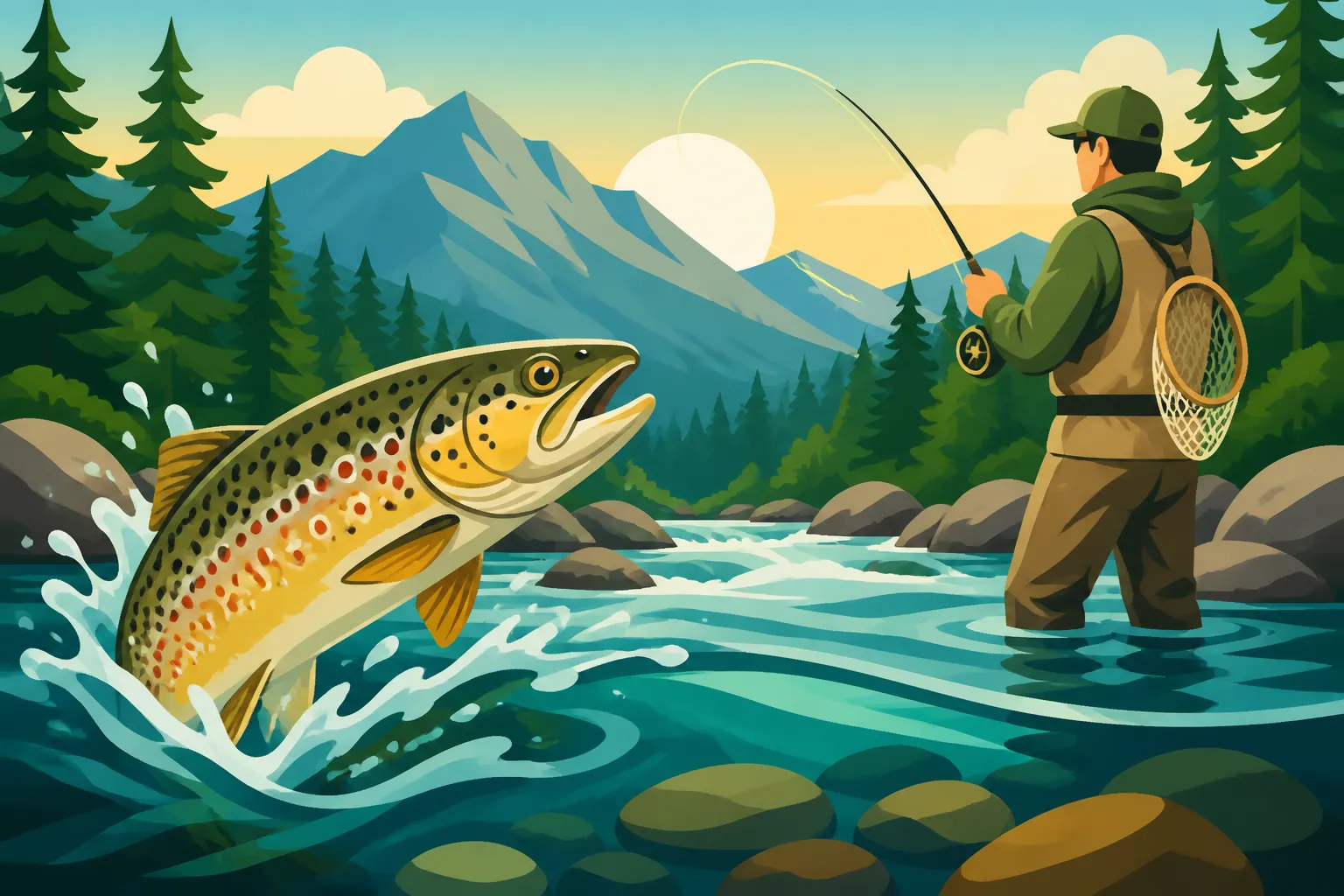
Next up, you'll find healthy populations of Brown Trout ( Salmo trutta ). Originally from Europe, brown trout have adapted incredibly well to many Adirondack rivers and larger streams. They are known for their hardiness and ability to tolerate slightly warmer water than brookies, which allows them to thrive in many mid-elevation and valley streams. Brown trout are opportunistic feeders and can grow to impressive sizes, making them a favorite target for anglers looking for a trophy fish. Their coloration varies widely, from golden-brown to olive-green, often with distinct black and red spots, some of which are haloed. You'll often find them holding in deeper pools, undercut banks, and around fallen timber, places where they can ambush prey. For those seeking bigger fish and a stronger fight, brown trout are often the focus.
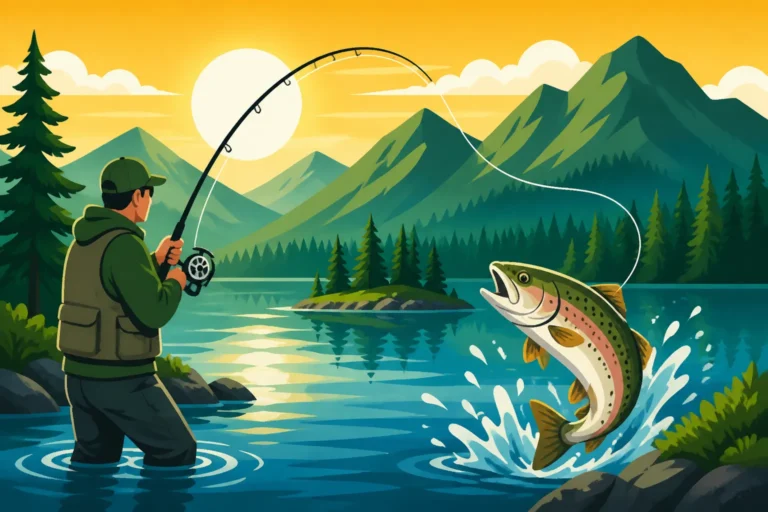
Finally, Rainbow Trout ( Oncorhynchus mykiss ) also make their home in the Adirondacks, primarily in larger rivers and some lakes, often sustained through stocking programs or naturally reproducing populations in specific systems. Known for their vibrant iridescent stripe along their lateral line and acrobatic fighting style when hooked, rainbows are a thrill to catch. They tend to prefer faster-flowing, well-oxygenated water, often found in riffles and runs. While less prevalent in the smallest, wildest brooks than brook trout, they offer an exciting challenge in the more accessible, larger river systems. A guide to New York's trout species will tell you more about the subtle differences, but for the Adirondacks, these three are your main targets.
Navigating Regulations and Seasons
Before you even think about tying on a fly or bait, understanding the New York fishing regulations explained for the Adirondack Park is absolutely crucial. The New York State Department of Environmental Conservation (DEC) sets specific rules for different bodies of water, and these can vary significantly even within the Adirondack region. It’s not a one-size-fits-all situation, and ignoring the rules can lead to hefty fines, as well as harm to the fragile ecosystems.
One of the first things to check is the opening and closing dates for trout season. While New York Trout Season Opening Day is April 1st for many general regulations, certain waters, especially those designated as "Trout Ponds," "Special Regulations Waters," or "Catch-and-Release Only" sections, might have different seasons or restrictions. For instance, some waters might remain open year-round for catch-and-release, while others strictly adhere to the April 1st to October 15th window. Always consult the current DEC fishing regulations guide, which is updated annually. You can usually pick one up at any license vendor or download it from the DEC website.
Beyond seasons, pay close attention to catch limits, minimum size requirements, and tackle restrictions. Some streams, particularly those managed for wild brook trout, might have a lower daily limit or a higher minimum size, or even mandate single, barbless hooks and artificial lures only. For example, you might find a stream where the New York statewide trout daily limit explained allows for 5 trout, but a specific section of an Adirondack stream might only allow 3, or even 1 fish over 12 inches. It's not uncommon for sections of major rivers like the Ausable to have special regulations to protect spawning fish or ensure quality angling experiences. Knowing how many trout can you keep per day in New York for your specific chosen stream is paramount. The general rule of thumb in the Adirondacks, especially in wilder waters, is often "less is more" when it comes to keeping fish, encouraging a strong catch-and-release ethic to preserve these precious populations. Lastly, remember that you'll need a New York Fishing License to fish legally.
North Country Gems: Exploring Northern Adirondack Streams
The northern reaches of the Adirondacks offer some truly iconic trout streams, renowned for their beauty, history, and the quality of their fishing. These waters, often fed by snowmelt and cold springs, provide excellent conditions for trout throughout the warmer months.
The Ausable River System
The Ausable River, specifically the East and West Branches, is arguably the most famous trout stream in the Adirondacks, if not all of New York State. Nestled beneath the towering High Peaks, this river system is a true gem, attracting fly anglers from all over the world. The West Branch, originating from the lower slopes of Mount Marcy and flowing through Wilmington, is particularly celebrated for its classic freestone character, diverse insect hatches, and challenging but rewarding brown and rainbow trout fishing. It offers a mix of pocket water, long riffles, and deep pools. Fly fishing the Ausable River for trout requires precision and stealth, as the fish are educated and wary.
The East Branch of the Ausable, while perhaps not as famous as its western counterpart for consistent hatches, still offers excellent fishing, especially for those seeking a more secluded experience away from the busier sections. It tends to be a bit smaller and more intimate in places, with plenty of wild brook trout in its upper reaches and tributaries, complementing the brown and rainbow trout found downstream. Both branches benefit from ample public access points, though some of the best stretches require a bit of hiking. The surrounding scenery, with views of Whiteface Mountain and other High Peaks, adds an unparalleled grandeur to your fishing experience. This river system provides a perfect illustration of how to trout fish in New York on larger, classic waters.
Saranac River and Its Tributaries
Further north and west, the Saranac River system presents another fantastic opportunity for Adirondack trout fishing. The main stem of the Saranac, particularly below the Saranac Lake chain, offers excellent habitat for brown trout, with good populations of rainbow trout as well. What makes the Saranac unique is its varied character. In some sections, it flows as a broad, slow river, ideal for drifting nymphs or streamers from a boat or canoe. In others, it narrows and gains current, creating classic riffle-and-pool trout water.
The Saranac's numerous tributaries are where you can often find some excellent brook trout fishing. These smaller streams, often unnamed on maps or requiring a bit of bushwhacking, are the lifeline for native brookies. They are typically cold, clear, and rich in insect life, providing perfect nursery grounds. Exploring these tributaries can lead to incredibly rewarding days, catching brightly colored brook trout that rarely see a fly. Access to these smaller streams can be tricky, often involving navigating through state forest lands or obtaining permission from private landowners. Look for areas where feeder creeks enter the main river, as these can be hotspots, especially during warmer months when fish seek out colder water. Many of these feeder streams are among the best backcountry fishing in the Adirondacks.
Lesser-Known Tributaries and Small Streams
Beyond the major rivers, the Adirondack Park is laced with countless smaller tributaries and nameless brooks. These hidden gems often hold populations of wild brook trout that rarely see an angler. Finding them requires a good map, a sense of adventure, and a willingness to hike. Streams feeding into larger river systems, or those flowing out of remote ponds and lakes, are prime candidates. These waters are typically overgrown, requiring accurate, short casts and careful wading. A lightweight, shorter rod is often an advantage here.
The joy of fishing these smaller streams isn't just about the fish, though the brook trout you find are often incredibly vibrant and feisty for their size. It's about the solitude, the feeling of discovery, and the immersive experience of being deep within the Adirondack wilderness. These are the places where you might spot a deer drinking from the stream, hear the call of a loon, or stumble upon an old logging camp remnant. They embody the wild spirit of the Adirondacks. Always be mindful of your impact; practice strict catch-and-release, especially for native brook trout, and adhere to Leave No Trace principles to keep these fragile ecosystems pristine. Remember to check for New York Special Regulations Waters List, as some of these smaller streams might have unique rules designed to protect their wild fish populations.
Central Adirondack Classics: Premier Mid-Region Waters
Moving into the heart of the Adirondack Park, the central region holds its own collection of renowned trout streams. These rivers often traverse more rugged terrain and offer a blend of easily accessible spots and wild, remote sections.
West Branch of the Sacandaga River
The West Branch of the Sacandaga River, flowing through areas like Speculator and Wells, is another jewel in the Adirondack trout crown. This river is known for its excellent populations of brown and rainbow trout, with native brook trout present in its colder headwaters and tributaries. The West Branch is characterized by its significant size and varied flow, featuring long, sweeping pools, vibrant riffles, and stretches of pocket water. It’s a versatile river that can be fished effectively with both flies and spinning gear, depending on the section and conditions.
Anglers often target this river during spring and fall, when trout are most active and water temperatures are ideal. The river benefits from good public access in many areas, particularly around bridges and state land designations. However, some of its most productive sections require a bit of walking to reach, rewarding those willing to put in the effort with less crowded water. The West Branch of the Sacandaga is a testament to the resilience of Adirondack fisheries, offering consistent action for those who understand its rhythms. Its diverse insect life, from caddisflies to stoneflies and various mayflies, provides ample feeding opportunities for trout throughout the season.
Cedar River and Its Wild Charms
For those seeking a truly wild and remote trout fishing experience, the Cedar River is an absolute must. Flowing through some of the most undeveloped areas of the Central Adirondacks, the Cedar is famous for its wilderness character and robust populations of wild brook trout and some brown trout. It's not a river for the faint of heart or those looking for easy access; much of the Cedar requires hiking, canoeing, or even bushwhacking to reach its prime sections. The reward, however, is an unparalleled sense of solitude and the chance to connect with truly wild fish in a pristine environment.
The river's clear, cold waters flow over a mix of rocky and sandy bottoms, often shaded by dense forest canopy. This keeps water temperatures low, even during summer, making it a reliable destination for brook trout. Its wild charms extend beyond the fishing, encompassing the incredible scenery, the chance to spot wildlife, and the profound quiet of the Adirondack wilderness. Fishing the Cedar often involves short, accurate casts to tight pockets and undercut banks. It's a place where patience and observation are key, and where a successful day isn't just measured by the number of fish caught, but by the quality of the overall experience. The Cedar River really highlights the kind of untouched beauty you can find when you venture into the Adirondacks for fishing.
The Moose River System
The Moose River system, particularly its West Branch and North Branch, offers a different flavor of Adirondack trout fishing, often characterized by its mix of river sections and connected lakes and ponds. The West Branch of the Moose, flowing through areas like Old Forge, provides good opportunities for brown trout, often supplemented by stocking, and boasts some impressive wild brook trout in its upper reaches and feeder streams. This river can be quite wide and powerful in places, making it suitable for both wading and drift boat fishing.
The North Branch of the Moose River is another excellent option, often more remote and challenging to access, but rewarding anglers with wild brook trout and some brown trout. This branch is more characteristic of a classic wilderness stream, with numerous bends, logjams, and secluded pools that hold fish. Access can be found in various spots, but some of the best fishing requires a bit of an adventure, often involving paddling or hiking along old logging roads. The Moose River system is a fantastic example of the diverse angling opportunities available in the central Adirondacks, catering to both those who prefer a more developed access point and those who crave the solitude of the backcountry. Don't forget to check the New York Fishing Season Dates and Catch Limits specific to these waters.
Southern Adirondack Sanctuaries: Rivers and Creeks Near the Edge
As you explore the southern fringes of the Adirondack Park, you'll discover a collection of revered trout streams that offer excellent fishing, often with slightly easier access due to their proximity to more populated areas, but without sacrificing the quality of the angling.
East Canada Creek and Its Reputation
East Canada Creek, particularly its upper and middle sections, is a highly regarded trout stream in the Southern Adirondacks. It has a strong reputation for holding healthy populations of brown trout, and in its colder, higher-elevation tributaries, you can find brook trout as well. The creek is characterized by its freestone nature, with numerous riffles, runs, and inviting pools that provide excellent trout habitat. Its waters are typically clear and cold, even into the summer, making it a reliable destination when other streams might be warming up.
Anglers often enjoy East Canada Creek for its consistent hatches, particularly of caddisflies and various mayflies, which can lead to exciting dry fly action. There are numerous public access points along its length, including parking areas and designated fishing easements, making it relatively user-friendly. However, the more productive sections might still require a short walk away from the road, providing a good balance between accessibility and solitude. The creek's reliable flow and rich insect life make it a favorite for many local and visiting anglers. For those keen on fly fishing, understanding how to fly fish in New York on streams like East Canada Creek is a skill well worth developing.
West Canada Creek's Famous Waters
The West Canada Creek, particularly the section downstream from Hinckley Reservoir near the towns of Poland and Middleville, is perhaps the most famous and heavily pressured trout stream in the Southern Adirondacks. This is primarily due to the constant, cold water discharge from the bottom of Hinckley Reservoir, which creates a tailwater fishery. This cold, oxygen-rich water provides ideal conditions for large brown trout, and indeed, the West Canada is known for producing some truly impressive fish. It's a challenging river, but one that rewards skill and persistence.
Due to its consistent conditions, the West Canada Creek offers excellent year-round fishing opportunities, including a popular catch-and-release season outside of the regular trout season. The fish in this section are highly educated, and successful angling often requires meticulous fly selection, fine leaders, and precise presentations. It's a technical fishery, but one that can provide incredible results for dedicated anglers. Access is generally good, with numerous public fishing easements and parking areas. While it can get crowded, especially on weekends and during prime hatches, the potential for a trophy brown trout keeps anglers coming back. This is a prime example of a stream where deep comparative analysis of techniques, like how to nymph fish for trout, can really pay off.
Hidden Brooks of the Southern Foothills
Venturing into the smaller, less-known brooks and creeks in the southern foothills of the Adirondacks can lead to delightful discoveries. These waters, often tributaries to larger rivers but sometimes independent systems flowing into the Mohawk Valley, are the strongholds of wild brook trout. They are typically much smaller than the main stem rivers, often overshadowed by overhanging vegetation and requiring a more intimate, stealthy approach.
Fishing these hidden brooks is about exploration and the simple joy of stalking native fish. You'll likely use light tackle, short rods, and spend more time observing than casting. These are the places where "matching the hatch" often means simply presenting a small, generalist dry fly or nymph with accuracy. While the fish might not be large, their vibrant colors and wild nature make every catch feel special. Access to these brooks can be varied, from designated public lands to roadside pull-offs, but many require a bit of hiking through forested areas. Always be respectful of private property and ensure you have permission before venturing onto land that isn't publicly owned. These are also excellent places to discover some Best Brook Trout Ponds in New York's Adirondacks if you're willing to explore off the beaten path.
Essential Strategies for Adirondack Trout Success
Fishing the Adirondacks isn't just about knowing where to go; it's also about understanding how to approach these unique waters. Success here often hinges on adaptability, patience, and respecting the environment.
Mastering Fly Fishing Techniques for Mountain Trout
Fly fishing is, for many, the quintessential way to pursue trout in the Adirondacks, especially given the prevalence of freestone streams and the often-wary nature of the fish. Mastering a few key techniques can dramatically increase your success.
Dry Fly Fishing: When trout are actively rising to surface insects, dry fly fishing is exhilarating. Adirondack streams experience various hatches throughout the season. Early season might see small black stoneflies or midges, while summer brings larger mayflies like Hendrickson's, Sulphurs, and Green Drakes, along with numerous caddis hatches. Observing the water for rises and identifying the size and color of the natural insects can help you choose the right pattern. Stealthy wading, accurate casting, and a drag-free drift are paramount. A common mistake is using too heavy of a tippet or too large of a fly for the stream's inhabitants. For many smaller Adirondack streams, small patterns (#16-20) are often more effective than larger ones. The best fly patterns for Catskills trout (many apply to the Adirondacks too) can give you a good starting point.
Nymphing: When trout aren't looking up, they're often feeding subsurface, making nymphing a highly effective technique. Whether you're drift fishing with an indicator, tight-line nymphing, or using a Euro-nymphing setup, getting your flies down to where the fish are holding is key. Adirondack trout often hold in deeper runs, pockets behind boulders, or under undercut banks. Stonefly nymphs, Pheasant Tail Nymphs, Hare's Ear Nymphs, and various caddis larva patterns are consistent producers. Understanding stream currents and how to achieve a natural drift with your weighted flies is crucial for fooling wary trout. In faster, deeper water, you may need to use heavier nymphs or add split shot to your leader.
Streamer Fishing: For larger brown and rainbow trout, especially during lower light conditions or when targeting aggressive fish, streamer fishing can be incredibly productive. Patterns imitating baitfish like sculpins, dace, or juvenile trout can entice big fish out of their lies. Stripping streamers through deep pools, along current seams, or near woody debris can provoke a reactionary strike. This technique often requires a heavier fly rod and line than dry fly or nymphing, but the potential for a truly trophy-sized Adirondack trout makes it worthwhile. For those asking how to fly fish in New York, the Adirondacks offer a masterclass across all these techniques.
Gear Considerations for Adirondack Anglers
Choosing the right gear for Adirondack trout fishing can make a significant difference in your comfort and success. It’s a diverse environment, so adaptability is key.
Rods and Reels: For general Adirondack trout fishing, a 7'6" to 9' fly rod in a 3- to 5-weight range is a versatile choice. A 3-weight is excellent for small, brushy brook trout streams, offering delicate presentations and a good fight from smaller fish. A 4 or 5-weight is more suitable for larger rivers like the Ausable or West Canada Creek, allowing for longer casts and better handling of larger fish and heavier rigs. For spinning gear, a light or ultralight rod between 5'6" and 6'6" paired with a small spinning reel spooled with 4-6 lb test line is perfect for casting small lures or bait. The best rod weight for New York trout streams really depends on the specific water you're targeting.
Waders and Boots: Waders are almost essential for navigating the cold Adirondack waters. Chest waders are recommended as water levels can fluctuate, and you'll often encounter deep pools. Breathable waders are a good investment for comfort, especially during warmer months or when hiking. Felt-soled wading boots offer excellent grip on slippery rocks, but rubber soles with studs are becoming increasingly popular and are often preferred in areas where felt could potentially transport invasive species. Always clean your wading gear thoroughly between fishing trips to prevent the spread of invasives.
Essentials and Safety: Beyond your rod and reel, a good fishing vest or pack is invaluable for carrying flies, leader material, nippers, hemostats, and other small tools. A landing net, preferably a rubber net to minimize harm to fish, is crucial for safely landing and releasing your catch. Don't forget polarized sunglasses to spot fish and submerged structure, a brimmed hat for sun protection, and insect repellent. Given the remote nature of many Adirondack streams, always carry a map, compass or GPS, first-aid kit, plenty of water, and extra layers of clothing. Tell someone where you're going and when you expect to return. For extended stays, you might find guides listed on platforms like FishingBooker who can help you refine your gear selection specific to the waters you plan to fish.
Ethical Angling and Leave No Trace Principles
The beauty and productivity of the Adirondack trout streams depend heavily on the responsible behavior of anglers. Practicing ethical angling and adhering to Leave No Trace principles is not just good manners; it's vital for the preservation of these precious resources.
Catch and Release: Many Adirondack waters, particularly those with wild and native trout populations, are managed for catch and release or have strict catch limits. Even where keeping fish is permitted, consider practicing catch and release, especially for larger breeding fish, to ensure a healthy future for the fishery. When releasing fish, handle them gently with wet hands, minimize their time out of water, and revive them properly by holding them facing upstream in the current until they swim away strongly. Avoid dragging fish on rocks or sand, which can remove their protective slime coat.
Minimize Impact: Leave no trace of your visit. This means packing out everything you pack in, including all trash, discarded fishing line, and any organic waste like fruit peels. Avoid disturbing stream banks or wading unnecessarily through sensitive spawning areas. Be mindful of vegetation and avoid breaking branches or trampling plants. When camping or having a fire, choose established sites and follow all fire regulations. Respect wildlife by observing from a distance and never feeding animals. The goal is to leave the environment exactly as you found it, or even better, for the next generation of anglers. This is part of the spirit of the Adirondacks, and by following these guidelines, we ensure the wildness and beauty of these streams for years to come.
Planning Your Adirondack Trout Adventure
A successful Adirondack trout fishing trip often begins long before you even cast a line. Thoughtful planning, from understanding seasonal changes to finding local expertise, can make all the difference.
Best Times to Visit and Seasonal Considerations
The Adirondacks offer distinct fishing experiences throughout the year, each with its own charm and challenges. Understanding these seasons is key to planning your visit. The Best Time of Year to Fish in New York often aligns with specific trout behaviors and insect hatches.
Spring (April-May): The official trout season typically opens on April 1st. Early spring can be fantastic, especially as streams are recharged with snowmelt, and trout are often eager to feed after a long winter. Water temperatures are cold, so fish may be a bit sluggish, but they are often concentrated in deeper pools and slower runs. Major hatches of stoneflies and early black caddis can occur, leading to good dry fly fishing. This is also a prime time for nymphing, as fish are feeding heavily subsurface. Access can sometimes be tricky due to lingering snow or muddy roads, so be prepared. Many fish are found close to the bottom, so consider heavier nymphs or even small streamers.
Summer (June-August): As temperatures rise, trout seek out colder, oxygenated water. This means focusing on the upper reaches of streams, tributaries, or sections with significant canopy cover. Early mornings and late evenings are often the most productive times. Terrestrial patterns (ants, beetles, grasshoppers) become very effective as these insects fall into the water. Thunderstorms can cause temporary high water and cooler temperatures, often sparking a bite after the water recedes. By August, some lower elevation streams can become too warm for ethical catch and release, so always carry a stream thermometer and be prepared to move to colder waters if necessary.
Fall (September-October): Fall is arguably one of the most beautiful and productive times to fish the Adirondacks. The foliage is spectacular, and cooling water temperatures reinvigorate trout. Brown and brook trout begin their spawning rituals, becoming very aggressive. Streamer fishing can be incredibly effective, and good hatches of blue-winged olives and midges can provide excellent dry fly opportunities. Many anglers consider this the "second spring" of trout fishing. Remember that New York Catch-and-Release Trout Season Dates and other specific rules might apply after the general season closes, so always double-check the regulations.
Finding Access and Local Resources
Access to Adirondack trout streams can range from roadside pull-offs to multi-mile wilderness hikes. Leveraging maps and local knowledge is essential.
Maps and Apps: Detailed topographic maps (like USGS quadrangles or those from the Adirondack Mountain Club) are invaluable. They show stream courses, elevations, and public land boundaries. Digital mapping apps like Gaia GPS or OnX Hunt (even if you're not hunting, the land ownership data is useful) can be extremely helpful for identifying public access points, state land, and potential hiking trails. These tools can help you find free fishing access points along the Hudson River and other major waterways, as well as smaller, less-traveled areas throughout the Adirondack Park.
Local Fly Shops and Bait Shops: Don't underestimate the power of local expertise. Visiting a local fly shop or bait shop in towns like Lake Placid, Saranac Lake, or Old Forge can provide invaluable, up-to-the-minute information on stream conditions, recent hatches, and productive spots. Staff often share tips on specific flies or lures working best and can point you to lesser-known access points. They are also a great place to pick up any last-minute gear or flies you might need.
Online Forums and DEC Resources: Online fishing forums dedicated to New York or the Adirondacks can be a good source of information, though always take advice with a grain of salt and cross-reference. The New York DEC website is the official source for regulations, stocking reports, and public fishing rights maps, which clearly delineate sections of streams where public access is guaranteed.
Hiring a Local Guide for Deeper Insights
While self-guided adventures are rewarding, hiring a local fishing guide can provide an unparalleled advantage, especially if you're new to the Adirondacks or targeting a specific species or technique.
Benefits of a Guide: A good Adirondack trout guide brings years, if not decades, of experience on specific waters. They know the subtle nuances of each stream, where fish are holding, what they're feeding on, and how to present a fly or lure effectively. They can teach you local techniques, help you navigate challenging terrain, and provide insights into stream entomology and trout behavior that would take years to acquire on your own. Many guides also provide all the necessary gear, flies, and sometimes even lunch, making for a hassle-free experience. If you're targeting elusive wild brook trout in remote areas or want to master specific techniques like how to nymph fish for trout, a guide is an invaluable asset. They can also provide a safety net in the wilderness, which is not to be underestimated.
Finding a Reputable Guide: Word-of-mouth recommendations are often the best. Local fly shops can usually recommend experienced guides. Additionally, online platforms like FishingBooker can connect you with licensed and reputable Adirondack fishing guides. When booking, ask about their experience on the specific waters you want to fish, their approach to conservation (e.g., catch and release policies), and what a typical trip entails. Many guides are passionate about teaching and ensuring you have a memorable and educational experience, not just a day of catching fish. They can provide advice that aligns with the New York DEC Fishing Regulations Guide, ensuring a legal and ethical trip.
Table: Popular Adirondack Trout Streams at a Glance
| Stream Name | Primary Species Targeted | Best Fishing Method(s) | General Characteristics | Proximity to Major Towns | Key Considerations |
|---|---|---|---|---|---|
| West Branch Ausable River | Brown Trout, Rainbow Trout | Fly Fishing (Dry, Nymph, Streamer) | Classic freestone, varied water, technical | Lake Placid, Wilmington | Famous, can be crowded, excellent hatches, challenging fish. |
| East Branch Ausable River | Brook Trout, Brown Trout | Fly Fishing (Dry, Nymph) | Smaller, more intimate, good wild brookies in upper | Keene Valley, Au Sable Forks | More remote in sections, beautiful scenery, less pressure than WB. |
| Saranac River | Brown Trout, Rainbow Trout | Fly Fishing, Spin Fishing (Drift) | Varied character, slower sections, good tributaries | Saranac Lake, Plattsburgh | Good for diverse methods, tributaries hold wild brookies. |
| West Branch Sacandaga River | Brown Trout, Rainbow Trout | Fly Fishing, Spin Fishing | Significant size, varied flow, consistent hatches | Speculator, Wells | Good public access, reliable fishing in spring/fall. |
| Cedar River | Brook Trout, Brown Trout | Fly Fishing (Small Dry, Nymph) | Wild, remote, pristine wilderness, native brookies | Indian Lake | Requires effort to access, rewards solitude, fragile ecosystem, practice C&R. |
| West Canada Creek | Brown Trout | Technical Fly Fishing (Nymph, Streamer) | Tailwater fishery, cold year-round, large trout | Poland, Middleville | Known for trophy browns, challenging, can be crowded, catch-and-release often recommended. |
| East Canada Creek | Brown Trout, Brook Trout | Fly Fishing, Spin Fishing | Freestone, good flow, consistent insect life | Dolgeville, Little Falls | Reliable hatches, good access, solid choice for a rewarding day. |
| Various Small Brooks/Tributaries | Brook Trout | Small Dry Flies, Light Spin Fishing | Overgrown, wild, intimate, require exploration | Throughout the Adirondacks | High solitude, native fish, very stealthy approach needed, light tackle. |
Disclaimer
The information provided in this guide is for general informational purposes only and is subject to change. Fishing regulations in New York State, particularly within the Adirondack Park, are complex and can vary by specific water body and time of year. Always consult the most current New York State Department of Environmental Conservation (DEC) fishing regulations before embarking on any fishing trip. Adherence to all local, state, and federal laws is the responsibility of the angler. Fishing carries inherent risks; always prioritize safety and be aware of your surroundings.