Fishing New York’s Mohawk River
The Mohawk River in New York State often gets overshadowed by its larger, flashier neighbors like the Hudson or the Great Lakes. But let me tell you, this majestic waterway, stretching over 140 miles from Rome to the Hudson River, is a treasure trove for anglers. Many folks are intimidated by its length or don't know where to start, fearing it's too industrial or simply not as productive. This guide is here to bust those myths and equip you with everything you need to confidently tackle New York's Mohawk River, uncovering its hidden fishing gems and helping you land some fantastic catches.
Understanding the Mohawk River's Unique Character
The Mohawk River is far more than just a wide channel; it’s a living, breathing ecosystem with a rich history and an incredible diversity of fish species. It winds through a variety of landscapes, from rural farmlands to bustling urban centers, offering a different fishing experience around every bend. For decades, many viewed it primarily as a transportation corridor or, unfortunately, a recipient of industrial discharge. However, thanks to ongoing conservation efforts and improved water quality, the Mohawk has truly blossomed into a premier fishing destination, often surprising anglers with its productivity and the sheer size of its fish. It’s a resilient river, and understanding its unique flow and characteristics is the first step to unlocking its secrets.
From Source to Hudson: A Journey Through Diverse Habitats
The Mohawk River embarks on its journey in Lewis County, near the Tug Hill Plateau, beginning as a modest stream. As it flows southeast, it gathers strength and volume, passing through areas that range from narrow, wooded stretches to wide, expansive pools. Each section of the river presents distinct habitats that favor different fish species. In its upper reaches, closer to the headwaters, you might find cooler, clearer waters that still hold some trout, especially in its tributaries. However, as it widens and deepens, particularly downstream from Utica, it transitions into a warm-water fishery, dominated by species that thrive in the slower, more nutrient-rich environment. This diverse habitat, from swift sections to slack water, from rocky bottoms to silty flats, is what makes the Mohawk such a versatile fishing ground, catering to a wide array of angling preferences.
This transition in habitat means that your approach to fishing needs to adapt as you move along the river. What works in a shallow, riffle-filled section near Little Falls might not be effective in the deeper, slack water pools near Schenectady. The depth, current speed, and bottom composition change dramatically, influencing where fish hold and what they feed on. Anglers who take the time to observe these subtle shifts in the river's character will undoubtedly find more success. It’s not just one river; it’s a series of interconnected, yet distinct, fisheries woven into one continuous waterway.
The Erie Canal's Influence on Fishing Opportunities
Perhaps one of the most defining characteristics of the Mohawk River, particularly from Utica eastward, is its integration with the New York State Barge Canal System, more commonly known as the Erie Canal. The Mohawk River essentially is the Erie Canal for a significant portion of its length. This means the river is punctuated by a series of locks, dams, and navigable sections that dramatically alter its flow and create unique fishing conditions. These canalized sections often feature deeper channels, slower currents, and extensive pools, contrasting with the more natural, free-flowing stretches. The locks themselves act as fish attractors, creating current breaks and eddies where fish congregate, especially baitfish.
The influence of the Erie Canal also means that certain sections are routinely dredged for navigation, impacting the riverbed and creating deeper holes. These deeper pockets can be crucial sanctuaries for fish during hot summer months or in periods of low water. Additionally, the canal system connects the Mohawk to other water bodies, allowing for the movement of various fish species, contributing to the rich biodiversity you'll find. Understanding the lock system, where current speeds change, and how barge traffic affects fish behavior is vital for anyone looking to maximize their fishing success on this unique river. It’s a dynamic environment, constantly shaped by both natural processes and human engineering, offering endless opportunities for exploration.
Key Fish Species You'll Encounter
The Mohawk River is a haven for a variety of freshwater game fish, making it a fantastic destination no matter your preferred target. From aggressive bass to elusive walleye, there's always something biting. The river’s diverse aquatic environments, shaped by its natural flow and the canal system, provide ideal conditions for many species to thrive. You'll find healthy populations across the board, and often, anglers are pleasantly surprised by the size and fighting spirit of the fish they encounter.
Largemouth and Smallmouth Bass: Mohawk River's Brawlers
Without a doubt, the Mohawk River is a phenomenal bass fishery. You'll find both largemouth and smallmouth bass in abundance, and they grow to impressive sizes here. Largemouth bass tend to inhabit the slower-moving, weedier sections, particularly in bays, backwaters, and around structures like docks, fallen trees, and lily pads. They love to ambush prey from cover, so targeting these areas with weedless presentations is key. The Mohawk's numerous islands and shoreline vegetation create perfect largemouth habitat, and it's not uncommon to pull out bass in the 3-5 pound range, with larger specimens lurking.
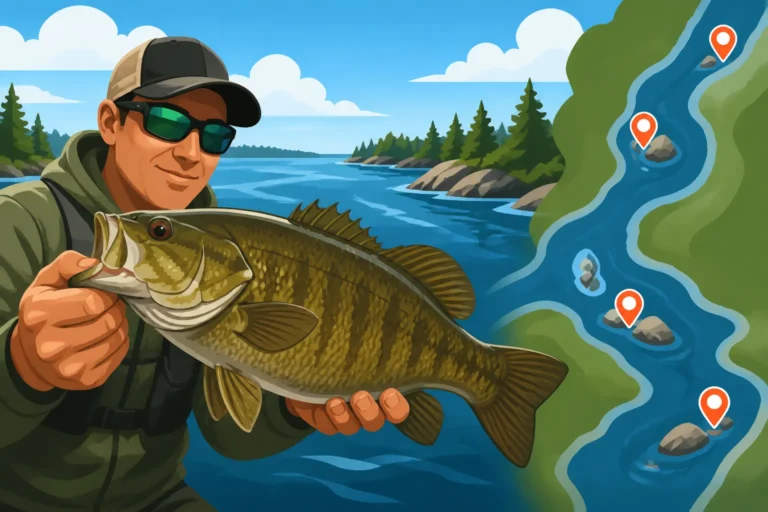
Smallmouth bass, on the other hand, prefer the rockier, current-swept areas. Look for them around bridge pilings, rocky points, riprap along the canal banks, and anywhere there's a good current seam. The sections below dams and near lock structures are particularly productive for smallmouth, as they capitalize on disoriented baitfish in the turbulent water. These bronze bombers are known for their incredible fighting ability, often leaping clear of the water when hooked. Both species offer exciting action throughout the warmer months, making the Mohawk a prime spot for bass enthusiasts. If you're keen on finding some true river giants, focusing on transition areas where varying depths and current speeds create prime ambush points can be incredibly rewarding.
Walleye and Northern Pike: Predatory Powerhouses
Beyond bass, the Mohawk also boasts a strong population of predatory fish like walleye and northern pike. Walleye are highly sought after for their delicious table fare and their elusive nature. They tend to prefer deeper, cooler water, often congregating in the deeper channels of the canalized sections or in pools downstream from dams. They are most active at dawn, dusk, and even after dark, making night fishing a popular and effective technique for these wary predators. Jigging with minnows or soft plastics, or trolling crankbaits, are tried-and-true methods for hooking into Mohawk walleye. Many anglers might overlook the Mohawk for walleye, but those in the know understand its potential for trophy-sized fish, especially in the wider, deeper stretches.
Northern pike are another formidable predator found throughout the Mohawk. They are true ambush hunters, typically found lurking in thick weed beds, around submerged timber, or in the slack water adjacent to strong currents. Pike are aggressive and will readily strike large spoons, spinnerbaits, or even live baitfish. They grow to substantial sizes in the Mohawk, offering an exciting fight and a test of your tackle. Be sure to use a wire leader when targeting pike, as their razor-sharp teeth can easily cut through monofilament or fluorocarbon lines. Both walleye and pike provide an added layer of excitement to fishing the Mohawk, proving that this river has something for every serious angler. You can learn more about specific techniques for these fish in our guide on how to Jig for Walleye.
Panfish and Catfish: Abundant and Accessible Fun
For anglers seeking consistent action or a more relaxed outing, the Mohawk River offers fantastic opportunities for panfish and catfish. Species like bluegill, pumpkinseed, yellow perch, and crappie are widespread and often incredibly cooperative. These fish are perfect for a family outing or for introducing new anglers to the sport, as they can be caught using simple tackle and baits like worms, small jigs, or even tiny spinners. They congregate around docks, brush piles, weed edges, and slower-moving areas, providing steady entertainment. The Mohawk's rich insect life and abundant forage mean these panfish grow fat and healthy, making for a fun day of catch-and-release or a tasty meal.
Channel catfish are another staple of the Mohawk, and they can grow to impressive sizes, offering a powerful fight. They are bottom feeders and are most active at night, though they can be caught throughout the day, especially in deeper holes or current breaks. Baits like cut bait, chicken livers, stink baits, or even a simple nightcrawler fished on the bottom are highly effective. The lower sections of the Mohawk, particularly closer to the Hudson, tend to produce larger catfish. Whether you're chasing trophy cats or just looking for some easy action, the Mohawk's panfish and catfish populations provide reliable and enjoyable fishing throughout the year. Remember to check the Panfish and Sunfish Limits in New York before your trip.
Best Fishing Spots Along the Mohawk River
Pinpointing "the best" fishing spots on a river as long and diverse as the Mohawk is tricky, as it often depends on what you're targeting and how you prefer to fish. However, certain stretches and areas consistently produce good results due to their habitat, access, and history. The key is to break the river down into manageable sections and understand the general characteristics of each. Whether you're fishing from a boat, kayak, or shore, there are opportunities around every bend.
Upper Mohawk: Utica to Amsterdam Stretches
The upper-mid section of the Mohawk River, roughly from the Utica area down through Amsterdam, offers a fantastic mix of riverine and canalized waters. Near Utica, particularly in the sections where the river is less canalized, you can find excellent smallmouth bass fishing around rocky areas and current breaks. Public access points are available in various towns along this stretch. As you move downstream towards Herkimer and Little Falls, the river becomes more influenced by the canal system, with deeper pools and dam structures. The area around Lock 17 at Little Falls, one of the highest lift locks in the world, is a known hotspot. The turbulent water below the dam and the quieter pools above it create prime habitat for a variety of species, including walleye, smallmouth bass, and even some muskie.
Between Little Falls and Amsterdam, the river widens considerably in places, featuring expansive bays and weed beds that are ideal for largemouth bass and northern pike. Towns like Canajoharie and Fort Plain offer some public access and boat launches. The shallower, fertile backwaters are perfect for casting topwater lures for bass early in the morning or pitching jigs into dense cover. This entire stretch is navigable by boat, offering anglers the chance to explore extensive areas that are otherwise inaccessible from shore. Remember to pay close attention to depth changes and submerged structures, as these are often where the biggest fish lie in wait.
Mid-Mohawk: Schenectady to Cohoes Falls
The mid-Mohawk, encompassing the area from Schenectady down to the dramatic Cohoes Falls, is another incredibly productive and popular stretch. Schenectady itself offers numerous access points, including public parks and boat launches, allowing easy entry to the main channel. The river here is wide and deep, heavily influenced by the canal, providing excellent opportunities for walleye and channel catfish. Look for deeper holes and channels, especially near bridge pilings and the many navigation buoys that mark the main channel. Trolling crankbaits or drifting with live bait in these deeper sections can be highly effective for walleye.
Further downstream, as you approach the confluence with the Hudson River, the fishing becomes even more dynamic. The section around Crescent Park in Halfmoon, just upstream from Cohoes Falls, is a perennial favorite. Here, the river narrows and quickens, creating prime habitat for both smallmouth bass and striped bass during their seasonal migrations. The powerful Cohoes Falls marks a natural barrier to fish migration, so the pools just below the falls can be incredibly productive, acting as a funnel for fish moving upstream. Shore access is abundant, and the sheer volume of water makes it feel like a truly wild fishery, despite its proximity to urban areas. This section is particularly exciting during the spring, when the fishing for various species can be absolutely red hot.
Lower Mohawk: The Delta to the Hudson Confluence
The very end of the Mohawk River, where it forms a delta before merging with the Hudson River near Cohoes, offers a unique and highly productive angling experience. This delta region is a labyrinth of channels, islands, and backwaters, providing diverse habitats for a multitude of fish. It's a fantastic spot for largemouth bass, northern pike, and a huge variety of panfish, thanks to the extensive weed beds and shallow, protected areas. The slower currents here make it ideal for kayak fishing or exploring in a small boat, allowing you to quietly sneak into prime fishing zones.
As you get closer to the actual confluence with the Hudson, the river takes on a more tidal influence, and you start to encounter species that move in from the Hudson, including striped bass. During the spring and fall runs, these areas can be incredible for stripers, especially around the major current breaks and deeper channels. The mix of freshwater and brackish water creates a very rich ecosystem, supporting a robust forage base for all the predatory fish. Public access points are available in areas like Peebles Island State Park and at local boat launches. Fishing this lower delta requires an understanding of how tides might affect fish movement and behavior, but the rewards can be truly outstanding, often yielding a diverse cooler of fish from a single outing. Many anglers use resources like FishingBooker to find local guides who specialize in these complex, tidal stretches, especially for chasing migratory species.
Effective Techniques and Baits for Mohawk River Fishing
Successfully fishing the Mohawk River requires a versatile approach, adapting your techniques and bait choices to the target species, time of year, and specific section of the river you're fishing. What works wonders for bass in a weedy bay might not entice a walleye in a deep channel. The beauty of the Mohawk is its variety, and being prepared for different scenarios will significantly increase your catch rate.
Targeting Bass with Lures and Soft Plastics
For both largemouth and smallmouth bass in the Mohawk, a wide array of lures and soft plastics can be incredibly effective. For largemouth, especially in the weedier, shallower backwaters and bays, topwater lures like frog imitations, poppers, and walking baits can provide explosive strikes, particularly during low light conditions or on overcast days. As the sun gets higher, switching to weedless soft plastics like Texas-rigged worms, Senkos, or creature baits pitched into heavy cover is often the ticket. Crankbaits and spinnerbaits that mimic baitfish are also excellent choices for covering water and triggering reaction strikes from active largemouth. You can learn more about specific presentations in our guide on How to Fish a Topwater Lure for Bass.
For smallmouth bass, which prefer rocky areas and current, different presentations shine. Jerkbaits and crankbaits that dive to moderate depths are fantastic for imitating baitfish around structure. Soft plastic tube jigs, fished on the bottom and hopped along rocky ledges, are perennial smallmouth producers. Drop-shot rigs with small worms or minnow imitations are also deadly for vertically presenting baits to smallmouth holding deeper. Always consider the water clarity and current speed when selecting lure colors and sizes; brighter colors work well in stained water, while more natural tones are better in clear conditions. Don't forget swimbaits too, especially those with a subtle action, for imitating the abundant baitfish schools found in many sections of the Mohawk.
Jigging and Trolling for Walleye and Pike
When it comes to walleye and northern pike, different strategies come into play. For walleye, especially in the deeper canalized sections or downstream from dams, vertical jigging is a highly effective method. Using lead head jigs tipped with live minnows, plastic grubs, or paddle tails can produce great results. Focus on deep holes, current seams, and areas where structure breaks the current. Trolling with deep-diving crankbaits or stickbaits is another excellent way to cover water and locate schools of walleye, particularly in the wider, more open stretches of the river. Experiment with different colors and retrieve speeds until you find what the fish are keying in on. Walleye often hug the bottom, so ensure your presentation is getting down into their strike zone. Our guide on How to Jig for Walleye offers some excellent techniques specific to this species.
Northern pike, with their aggressive nature, will often strike larger, flashier baits. Large spoons, spinnerbaits with big blades, and substantial jerkbaits are all excellent choices. For pike, focus on casting these lures around weed edges, submerged logs, and any other cover where a pike might ambush its prey. Live bait, such as large shiners or suckers fished under a bobber or slowly trolled, can also be incredibly effective, especially for larger, more sluggish pike. Remember to use a wire leader, as pike teeth are notorious for cutting through fishing line. The Mohawk River's abundant forage base means these fish are well-fed and ready to strike, so don't be shy about presenting a bold offering.
Simple Strategies for Panfish and Catfish
For panfish like yellow perch, bluegill, and crappie, simplicity is often the key. Small jigs tipped with a piece of worm, a tiny plastic grub, or even just a bare hook with a kernel of corn or a small piece of bread can be incredibly effective. Fish these baits under a bobber around docks, fallen trees, brush piles, or along weed lines in slower-moving water. Ultralight spinning gear makes even a small panfish feel like a trophy, adding to the fun. During cooler months, crappie often school up in deeper pockets, making them vulnerable to vertical jigging with small spoons or minnow-tipped jigs.
Channel catfish are primarily bottom feeders, and a simple paternoster rig or an egg sinker rig fished with a hook on the bottom is usually all you need. Their preferred baits include cut bait (especially oily fish like bunker or herring), chicken livers, nightcrawlers, and commercially prepared "stink baits." Cast your bait into deeper holes, current breaks, or areas with a soft, muddy bottom, and be patient. Catfish often bite subtly at first, then make a strong run. Night fishing for catfish can be particularly productive on the Mohawk, as these nocturnal scavengers are often more active after dark. You don't need fancy gear to catch a good channel cat, just a stout rod, strong line, and smelly bait. If you're looking for more details on these resilient bottom dwellers, check out our piece on Channel Catfish in New York.
Navigating Regulations and Essential Gear
Before you even wet a line in the Mohawk River, it's absolutely crucial to be familiar with New York State's fishing regulations. These rules are in place to protect fish populations and ensure sustainable angling for everyone. Beyond the legalities, having the right gear can make all the difference between a frustrating day and a successful, enjoyable one.
New York Fishing License and General Regulations
First and foremost, anyone aged 16 or older needs a valid New York fishing license to fish in the Mohawk River. This applies to both residents and non-residents. You can purchase these licenses online through the New York Department of Environmental Conservation (DEC) website, at licensed sporting goods stores like Dick's Sporting Goods or Walmart, or at most town clerk offices. The process is straightforward, but it's essential to have your license on you while fishing – either a physical copy or a digital version on your phone. To dive deeper into the process, check out our comprehensive New York Fishing License Guide.
Beyond the license, it’s vital to understand the general fishing regulations specific to the Mohawk River, which falls under New York Freshwater Fishing Rules. This includes species-specific regulations such as open seasons, minimum size limits, and daily creel (bag) limits. For example, bass have specific seasons where they can be kept, and even during catch-and-release seasons, certain rules apply. Walleye, pike, and panfish also have their own regulations. It's always a good idea to consult the most current DEC Freshwater Fishing Regulations Guide, which is updated annually. Special regulations may apply to certain stretches of the river or its tributaries, so always double-check if you're venturing into a less familiar area. Ignorance of the law is not an excuse, and penalties for violations can include fines and loss of fishing privileges.
Boat Access, Kayaking, and Shore Fishing Tips
The Mohawk River offers excellent access for various types of fishing, whether you prefer to fish from a motorized boat, a kayak, or simply from the shore. Public boat launches are scattered along the river's length, particularly in larger towns like Utica, Rome, Amsterdam, Schenectady, and Cohoes. These launches typically have ample parking and good ramp access, making it easy to put in larger vessels. Boating on the Mohawk (Erie Canal) does mean you'll share the water with pleasure crafts and commercial barges, so always be aware of your surroundings and adhere to navigation rules. For larger boats, deeper sections of the canal are generally best, while shallower bays and backwaters are more accessible to smaller crafts.
Kayaking has become incredibly popular on the Mohawk, and for good reason. A kayak allows you to access secluded coves, narrow channels, and shallow areas that larger boats can't reach, offering a more intimate fishing experience. Many public parks and state access points have easy hand-launch areas for kayaks and canoes. Just remember safety: wear your personal flotation device (PFD), even if you're an experienced paddler, and be mindful of current and weather conditions. If you're bringing a kayak, it's worth checking if you need to register your kayak to fish in New York. For shore anglers, numerous public parks, bridges, and designated fishing access sites provide bank access. Look for areas with riprap, bridge pilings, or fallen trees, as these structures often hold fish close to shore. Always be respectful of private property and dispose of your trash properly to keep our beautiful river clean for everyone.
Essential Gear for a Mohawk River Expedition
Having the right gear will significantly enhance your Mohawk River fishing experience. For most general freshwater fishing, a medium-action spinning rod (6-7 feet long) paired with a 2500-3000 series reel spooled with 8-12 lb monofilament or braided line will cover most situations, from bass to walleye and pike. If you're specifically targeting larger northern pike or muskellunge, a medium-heavy to heavy action casting rod with 15-20 lb test line and a wire leader is highly recommended. For panfish, an ultralight rod with 4-6 lb line is perfect for maximum fun.
Beyond rods and reels, a tackle box stocked with a variety of lures and baits is essential. This might include:
- For Bass: Jigs (rubber, swim), crankbaits (shallow, deep), spinnerbaits, soft plastics (worms, creature baits, tubes), topwater lures.
- For Walleye: Lead head jigs, curly tail grubs, paddle tails, deep-diving crankbaits, live minnows.
- For Pike: Large spoons, spinnerbaits, large jerkbaits, large live bait (shiners, suckers).
- For Panfish: Small jigs, bobbers, worms, tiny spinners.
- For Catfish: Circle hooks, egg sinkers, cut bait, chicken livers, nightcrawlers.
Additionally, don't forget practical items like a pair of pliers for hook removal (especially for toothy pike!), a net, sunscreen, insect repellent, a first-aid kit, and plenty of water and snacks. If you're fishing from a boat or kayak, always have your PFD, navigation lights (if fishing at dawn/dusk/night), and a sounding device. And seriously, check the weather forecast before you head out! The Mohawk can be a fantastic fishery, but being prepared makes all the difference. Many local New York fishing charters, which you can find on platforms like FishingBooker, will often supply all the necessary gear, which can be a great way to try out specific techniques or target species without investing in all the specialized equipment yourself.
| Species Targeted | Best Baits / Lures | Prime Mohawk River Locations | Optimal Fishing Season |
|---|---|---|---|
| Largemouth Bass | Texas-rigged worms, Senkos, topwater frogs, spinnerbaits | Weedy bays, lily pad fields, submerged timber, backwaters | Late Spring – Fall |
| Smallmouth Bass | Tube jigs, jerkbaits, crankbaits, swimbaits | Rocky points, bridge pilings, riprap, current breaks below dams | Late Spring – Fall |
| Walleye | Live minnows, jigs (soft plastic), deep-diving crankbaits | Deeper channels, lock structures, current seams, nocturnal | Spring & Fall, Night |
| Northern Pike | Large spoons, spinnerbaits, large jerkbaits, live bait | Thick weed beds, submerged logs, slack water adjacent to currents | Spring – Fall |
| Yellow Perch | Small jigs, worms, minnows | Docks, brush piles, weed edges, slower-moving areas | Year-round, Ice fishing |
| Channel Catfish | Cut bait, chicken livers, nightcrawlers | Deep holes, current breaks, muddy bottoms, nocturnal | Summer, Night |
Disclaimer
Fishing involves inherent risks. Always prioritize safety, wear appropriate safety gear, and be aware of your surroundings. Regulations can change, so consult the latest New York State Department of Environmental Conservation (DEC) regulations before heading out. The information provided here is for general guidance and informational purposes only and does not constitute professional advice.