Best Shore Fishing Spots on Long Island, New York
It can be incredibly frustrating to have that itch to cast a line in New York, especially when you're on Long Island, surrounded by all that beautiful water, but you don't own a boat. Many anglers feel like they're missing out on the best action because they're stuck on shore, but that couldn't be further from the truth! This guide is here to shed light on some of the absolute best shore fishing spots across Long Island, proving that you can absolutely find fantastic opportunities without ever stepping foot on a vessel.
Understanding Long Island's Shore Fishing Landscape
Long Island, a sprawling stretch of land bordered by the Atlantic Ocean to the south and the Long Island Sound to the north, offers an incredibly diverse range of shore fishing experiences. It’s not just about sandy beaches, though we have plenty of those! You’ll find rocky jetties, bustling piers, tranquil bays, and even some freshwater ponds accessible from the bank. Each type of environment presents its own unique challenges and rewards, drawing in different species at various times of the year.
The Dynamics of Tides and Currents
One of the biggest factors that shore anglers on Long Island need to consider is the tide. Unlike freshwater fishing where water levels might fluctuate due to rain or dams, saltwater fishing is heavily influenced by the moon's gravitational pull. High tide often brings fish closer to shore, allowing you to reach areas that might be too shallow during low tide. Conversely, outgoing tides can create strong currents that funnel baitfish through channels, making them prime ambush points for predatory species. It's not uncommon for a spot to be dead during one tide cycle and absolutely phenomenal during another. Understanding the local tide charts, easily found online or through fishing apps, is crucial for maximizing your success. Ignoring the tides is like trying to drive a car with no gas – you might have the right equipment, but you won't get anywhere.
Targeting Species from the Shore
Long Island’s shore fishing can be incredibly productive for a variety of species. In the spring and fall, the migratory striped bass run is legendary, with anglers lining the beaches and jetties. Bluefish often follow the striped bass, providing explosive, hard-fighting action. Fluke (summer flounder) are a popular summer target, often found in sandy bottom areas near channels and inlets. You might also encounter porgies (scup), blackfish (tautog), weakfish, and even some kingfish or blowfish in the warmer months. For those venturing into freshwater ponds on the island, largemouth bass, panfish, and carp are common catches. The beauty of shore fishing here is the sheer variety, meaning there's almost always something biting if you know where to look and what to use.
Western Long Island and New York City Accessible Spots
For those living in or near the bustling urban centers, or just looking for a quick escape without a long drive, Western Long Island and its adjacent areas offer some surprisingly productive shore fishing opportunities. These spots often benefit from easy public access and proximity to bait shops.
Bayswater Point State Park, Far Rockaway
While technically in Queens, Bayswater Point State Park offers fantastic shore access that feels very much like Long Island fishing. This often-overlooked gem provides anglers with access to the tranquil waters of Jamaica Bay. What makes Bayswater unique is its mix of sandy shores, marshy areas, and calm waters, making it a great spot for targeting a variety of fish.
Anglers here frequently catch striped bass, especially during the spring and fall migrations when they move through the bay. Fluke are also common throughout the warmer months, often holding in the slightly deeper channels or along the edges of the marsh grass. You’ll want to bring lighter tackle for fluke, perhaps a medium-light rod with 10-15lb braid, and rig up with bucktails tipped with Gulp! or spearing. For striped bass, medium-heavy gear with heavier lines and artificials like poppers, swim shads, or even chunk bait can be very effective. The calm waters of Jamaica Bay make it a pleasant fishing experience, often less crowded than the ocean beaches, and a fantastic place to observe local birdlife while you wait for a bite. Just remember, the currents can still be strong near the main channels, so be mindful of your footing.
Piers and Parks of the Brooklyn Waterfront
Stepping just west of Long Island proper, the Brooklyn waterfront, particularly areas like Coney Island Pier in New York and Canarsie Pier, offers excellent opportunities for shore anglers, many of whom reside on Long Island or in nearby boroughs. These piers extend out into deeper water, providing access to species that might be harder to reach from a typical beach.
Coney Island Pier is a classic destination, drawing crowds for its iconic views and consistent fishing. Anglers regularly pull in striped bass, bluefish, fluke, porgies, and even blackfish from its planks. It’s a social spot, where you can often pick up tips from seasoned locals. Bait and tackle shops are usually nearby, making it convenient. Canarsie Pier, on the other hand, juts into Jamaica Bay, offering a slightly different environment. Here, you'll find more fluke, striped bass, and a good number of porgies. Both piers are fantastic for night fishing, especially for striped bass and bluefish, which often feed under the cover of darkness. For targeting bottom dwellers like porgies and blackfish, a hi-lo rig with clam or crab is usually the ticket. For migratory fish, casting metal jigs, poppers, or live bait (if permitted) can be very productive. Always check local regulations, as rules regarding bait and species can vary even within close proximity.
South Shore Oceanfront Hotspots
The South Shore of Long Island is synonymous with vast sandy beaches and direct access to the Atlantic Ocean. This coastline is legendary for its surf fishing, particularly during the striped bass and bluefish runs.
Robert Moses State Park, Fire Island
Robert Moses State Park on Fire Island is an absolute mecca for surf anglers. With miles of pristine, undeveloped beach, it offers a truly wild and immersive fishing experience. The key here is mobility and understanding how the sandbars and cuts (areas of deeper water between sandbars) change with the tides and storms.
During the spring and fall migrations, thousands of striped bass and bluefish move along these shores. Anglers armed with surf rods, typically 9 to 12 feet long, cast large plugs, metal lures, and bait into the surf. Bunker chunks, clam, or even live eels are highly effective baits for striped bass, especially at dawn, dusk, or throughout the night. For bluefish, metals like Hopkins or Kastmasters, or large swimming plugs, work wonders. The sheer expanse of the beach means you can often find your own solitude, but it also means being prepared for a bit of a walk, especially to reach the prime spots near the jetties or inlets. Always be mindful of the powerful Atlantic surf and rip currents, and never turn your back on the ocean. If you’re looking to fish these areas more extensively, checking out a guide on "Best Surf Fishing Beaches on Long Island" might be helpful.
Jones Beach State Park and Montauk Point State Park
Jones Beach State Park, famous for its iconic tower and lengthy boardwalk, also boasts incredible surf fishing access. Like Robert Moses, it's a prime location for striped bass and bluefish, particularly during their migratory periods. The fishing here can be excellent right off the main beaches, but also around the inlets and jetties that punctuate the park.
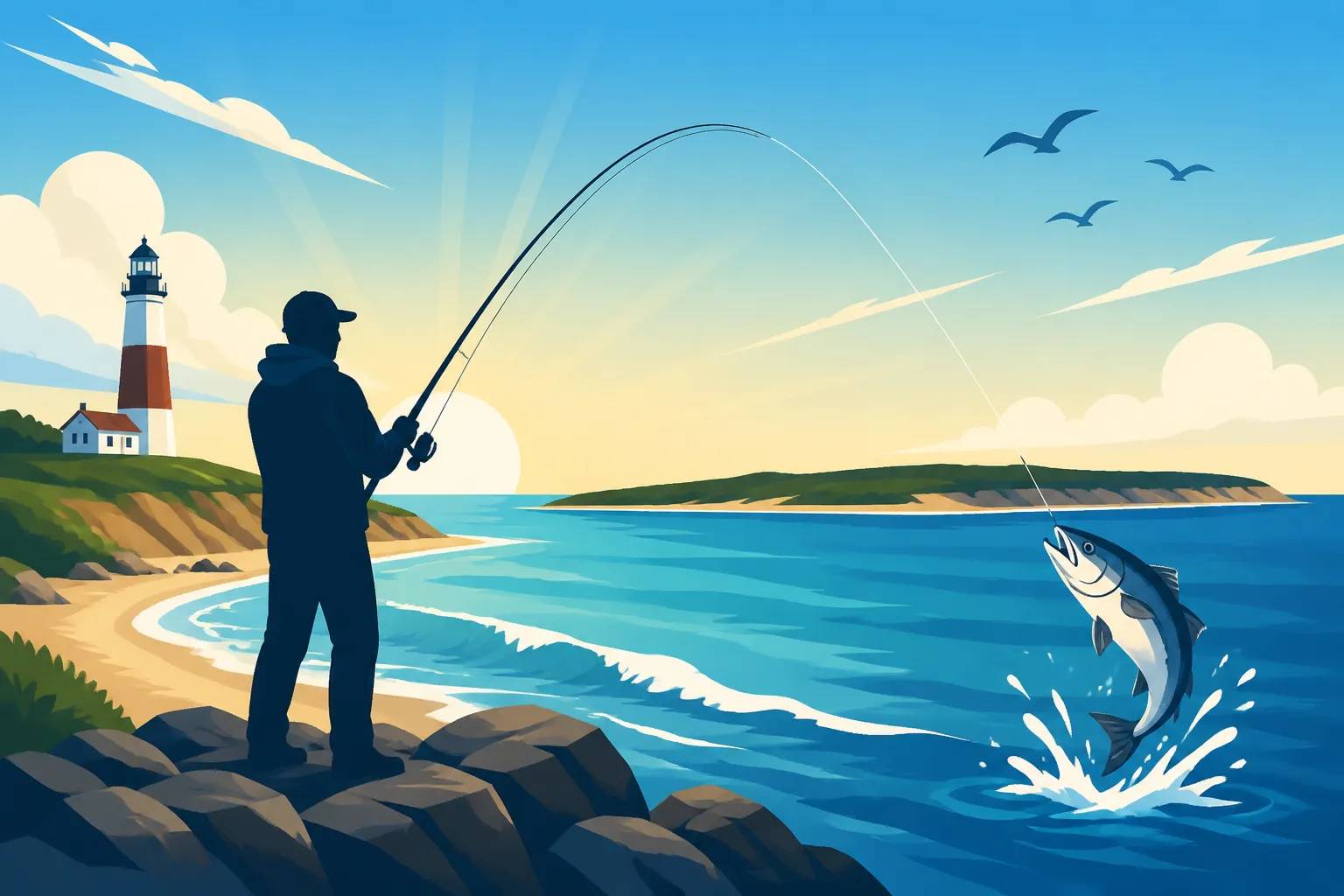
Further east, at the very tip of Long Island, lies Montauk Point State Park. Often referred to as "The End," Montauk is world-renowned for its incredible fishing, and shore anglers are not left out. The rocky shoreline around Montauk Lighthouse, the infamous "Surf Casting Mecca," draws dedicated anglers from all over. The convergence of currents here brings massive schools of baitfish, attracting trophy-sized striped bass, bluefish, and even false albacore in the late summer and fall. Fishing these rocky areas requires different tactics than sandy beaches; often, heavier gear is needed to handle the strong currents and potential snags. Plugs, bucktails, and live eels are king here. The sheer energy of the ocean and the consistent action make Montauk a bucket-list destination for any serious shore angler. Many anglers also use this as a launching point for charters, and if you’re interested in expanding your horizons, services like FishingBooker can help you find local captains offering "Montauk Fishing Charters."
North Shore Long Island Sound Spots
The North Shore of Long Island, facing the Long Island Sound, offers a different flavor of shore fishing. The Sound’s waters are generally calmer than the ocean, often characterized by rocky shores, smaller coves, and less dramatic surf.
Sunken Meadow State Park, Kings Park
Sunken Meadow State Park provides a fantastic blend of beach and estuary environments for shore anglers. The park features a long boardwalk and a beautiful sandy beach, but also access to the Nissequogue River, which empties into the Sound. This confluence of freshwater and saltwater makes for a diverse fishing experience.
Anglers at Sunken Meadow can target striped bass, bluefish, and fluke from the beach or the jetties. The Nissequogue River mouth is a particularly productive spot, as baitfish are funneled through with the tides. Soft plastics, topwater plugs, and traditional bait like clams or sandworms can be effective here. The calm nature of the Sound often makes for a more relaxed fishing trip, especially suitable for families or those new to saltwater angling. The shallower, protected waters also make it a good spot for fluke and porgies in the warmer months. Casting small bucktails or Gulp! on light spinning gear can yield good results for fluke.
Port Jefferson Harbor and Danford's Pier
Port Jefferson Harbor is a bustling hub on the North Shore, known for its ferries, charming village, and surprisingly good shore fishing. The main fishing spot here is often Danford's Pier, which extends into the deeper waters of the harbor.
From Danford’s Pier, anglers can expect to catch a variety of species that frequent the protected waters of the Sound. Porgies are a consistent catch, especially during the summer, providing fast action and a delicious meal. Striped bass and bluefish also pass through the harbor, particularly during migratory periods or when chasing baitfish. Fluke are common on the sandy bottom areas around the pier. Using clam or squid on a hi-lo rig is excellent for porgies. For fluke, a jighead with a soft plastic or a traditional fluke rig with a spearing or strip bait works well. The convenient location and proximity to amenities make Port Jefferson an appealing spot for a casual fishing outing. For those seeking more detailed information on specific species like fluke, exploring a guide on "Fluke Fishing on Long Island Sound" might be beneficial.
Eastern Long Island Bays and Inlets
Moving further east, away from the heavy population centers, the fishing spots often become more pristine and offer access to larger, productive bays and inlets that connect to both the Sound and the Ocean.
Shinnecock Inlet, Southampton
Shinnecock Inlet is a critical artery for fish movement on the South Fork of Long Island, connecting Shinnecock Bay with the Atlantic Ocean. The powerful currents and deep waters of the inlet make it a magnet for large predatory fish, and the surrounding jetties and beaches provide excellent shore access.
Anglers at Shinnecock Inlet can expect intense action, especially during the spring and fall runs. Giant striped bass and bluefish often stage in and around the inlet, feeding on baitfish being swept in and out with the tides. The rocky jetties are prime spots, but also challenging to navigate, requiring sturdy footwear and caution. Heavy surf rods, strong reels, and durable lines are a must here. Diamond jigs, large swimming plugs, and fresh bunker or clam are very effective. Beyond the migratory species, you can also target blackfish and tautog around the rocky structure, using green crabs or hermits. The strong currents mean you’ll often need heavier sinkers to hold bottom. This is not a spot for the faint of heart, but the rewards can be incredible. If you're looking for an unforgettable experience, finding a local guide who knows these challenging waters through a service like FishingBooker can significantly improve your chances.
Peconic Bay System
The Peconic Bay system, nestled between the North and South Forks of Long Island, is a vast, relatively shallow estuarine environment offering diverse shore fishing opportunities. While not typically known for the monster striped bass of Montauk, it provides excellent light tackle action for many species.
The shores of the Peconic Bays, including areas around Greenport, Southold, and along the numerous small coves and points, are fantastic for targeting porgies, weakfish, fluke, and smaller striped bass. The calmer, protected waters are ideal for families and kayakers, but also highly productive for shore anglers. Casting small bucktails, soft plastics, or fishing with clam and sandworms on hi-lo rigs will yield plenty of bites. Weakfish, known for their delicate bite and beautiful purple and gold hues, are a popular target here, often taking small jigs or soft plastic baits. The many public access points and park areas make the Peconic Bays incredibly user-friendly for shore anglers. Just be mindful of local boating traffic, especially during peak summer months. To understand what licenses you might need for different parts of Long Island, a quick check of the "New York Saltwater Fishing Registration Guide" is always a good idea.
Essential Gear and Tips for Long Island Shore Fishing
Getting started with shore fishing on Long Island doesn't require a massive investment, but having the right gear and knowledge will definitely make your experience more enjoyable and successful.
Rod and Reel Combinations
For general purpose shore fishing on Long Island, a medium-heavy spinning rod, typically 9 to 10 feet in length, paired with a reliable spinning reel in the 5000-6000 size range, spooled with 30-50lb braided line, will cover most situations. This setup provides the casting distance needed for surf fishing and enough backbone to handle a strong bluefish or striped bass. For lighter tackle applications, like targeting fluke or porgies in calmer bays, a 7-8 foot medium-light to medium action rod with a 3000-4000 size reel and 15-20lb braid will be much more enjoyable. Having a good quality leader, typically 30-50lb fluorocarbon, is also crucial to prevent break-offs from sharp-toothed fish or abrasive structures.
| Location Type | Primary Species | Recommended Rod Length | Recommended Reel Size | Common Bait/Lures |
|---|---|---|---|---|
| Ocean Beaches/Jetties | Striped Bass, Bluefish | 9-12 ft | 5000-8000 | Bunker, Clam, Eels, Plugs, Metals |
| Calm Bays/Piers | Fluke, Porgies, Weakfish | 7-9 ft | 3000-5000 | Gulp!, Spearing, Clam, Squid, Small Jigs |
| Inlets/Rocky Shores | Striped Bass, Blackfish | 9-11 ft | 6000-7000 | Bunker, Eels, Crabs, Large Plugs, Jigs |
Choosing Your Bait and Lures
The choice of bait or lure depends heavily on your target species and the specific conditions. For bait fishing, fresh clam, bunker (menhaden), and sandworms are go-to options for many saltwater species. Clam is a universal bait that catches almost everything, while bunker is particularly effective for striped bass and bluefish. Sandworms are excellent for smaller fish like porgies and also catch striped bass.
When it comes to artificial lures, the options are endless. Metal jigs (like AVA jigs or Hopkins) are fantastic for reaching distant feeding fish and mimic baitfish. Plugs, including topwater poppers and swimming plugs, are exciting for striped bass and bluefish. Soft plastics, especially those scented like Berkley Gulp! baits, are incredibly effective for fluke and weakfish. Bucktails, tipped with a soft plastic or strip of bait, are versatile and can catch a wide range of species from the shore. Don't be afraid to experiment! Knowing "Best Bait for Striped Bass" or "Best Lures for Chinook Salmon" (though salmon are less common from shore on Long Island) can give you a head start.
Safety and Regulations
Shore fishing on Long Island, while generally safe, requires common sense. Always be aware of your surroundings, especially when fishing near busy boat channels or on rocky jetties where waves can be unpredictable. Tell someone where you're going and when you expect to return. Dress in layers, as weather conditions can change rapidly, and always bring water and snacks.
Crucially, you need to be aware of and abide by New York's fishing regulations. Most saltwater fishing in New York requires registration with the Recreational Marine Fishing Registry, which is often free. Freshwater fishing in ponds and lakes on Long Island requires a New York State Freshwater Fishing License. Ignoring these rules can lead to fines and penalties. Species-specific regulations regarding size limits, bag limits, and season dates are constantly updated, so it's your responsibility to stay informed. A valuable resource is the "New York Fishing Regulations Explained" guide, which details these important rules. You can find up-to-date regulations on the New York State DEC website or through fishing apps.
Maximizing Your Shore Fishing Success
Beyond just knowing the spots, a few pro tips can significantly increase your chances of having a successful and enjoyable shore fishing experience on Long Island.
Timing Your Trips for Success
Timing is everything in fishing, and shore fishing is no exception. For most saltwater species, the periods around dawn and dusk, known as "prime time," are often the most productive. This is when light levels change, and many fish species are actively feeding. Additionally, fishing during a moving tide (either incoming or outgoing) tends to be better than slack tide, as currents stir up bait and create feeding opportunities. For migratory species like striped bass and bluefish, the spring (late April through June) and fall (September through November) are generally the best times to target them from shore. Summer can be excellent for fluke, porgies, and weakfish, while winter offers opportunities for slower-paced fishing for species like blackfish around structure. Consider learning more about "Best Time of Day to Fish in New York" to fine-tune your schedule.
Reading the Water and Structure
A successful shore angler learns to "read the water." This means observing the subtle cues that indicate where fish might be holding or feeding. Look for birds diving, which often signifies baitfish being pushed to the surface by predators below. Identify rip currents, eddies, and seams where different current flows meet, as these are often ambush points. When fishing sandy beaches, look for "cuts" or "run-outs" – deeper channels between sandbars where fish travel. On rocky shores, identify submerged rocks, ledges, and other structures that provide cover and attract bait. Each of these features can hold fish, and casting your lure or bait into these areas dramatically increases your chances. It’s not just blind casting; it’s about strategic placement.
Embracing the Local Knowledge
One of the best ways to improve your shore fishing success on Long Island is to tap into local knowledge. Don't be shy about striking up conversations with other anglers you encounter at fishing spots. Most seasoned regulars are happy to share tips, especially about current conditions, what's biting, and what baits are working. Local bait and tackle shops are also invaluable resources; the staff there are typically avid anglers themselves and can provide real-time reports and recommendations. They often know the nuances of "New York Fishing License Vendor Locations" as well. Online forums and local fishing clubs are another fantastic way to connect with the community and learn from experienced anglers. While you can always venture out on your own, a little bit of shared wisdom can go a long way in turning a slow day into a productive one.
Conclusion: Long Island's Shore Fishing Awaits
Long Island offers an incredible array of shore fishing opportunities that can rival many boat-based excursions. From the urban-adjacent piers to the wild surf of the Atlantic and the calmer waters of the Sound, there’s a spot and a species for every angler, regardless of experience level. The key is to be prepared, understand the nuances of the local waters, and most importantly, get out there and cast a line. Don't let the lack of a boat deter you; the vibrant shorelines of Long Island are calling, promising adventure, relaxation, and perhaps even that trophy catch you've been dreaming of.
Disclaimer
The information provided in this guide is for general informational purposes only and is subject to change. Fishing regulations, season dates, and access rules can vary and are updated periodically by the New York State Department of Environmental Conservation (DEC). Always consult the official DEC website or relevant local authorities for the most current and accurate regulations before heading out to fish. Adherence to all local, state, and federal laws is the responsibility of the angler.