Best Fishing Spots in the Finger Lakes
Ever felt a bit lost when planning a fishing trip to New York's stunning Finger Lakes? With eleven major lakes stretching across the region, each boasting its own unique character and fishery, it can be tough to know where to drop a line for the best chances of success. This comprehensive guide is designed to cut through that overwhelm, helping you pinpoint the prime fishing spots in the Finger Lakes and understand what makes them truly special for anglers of all stripes.
The Allure and Challenges of Fishing the Finger Lakes
The Finger Lakes region of New York is a truly unique fishing destination, offering an incredible variety of angling experiences. These long, narrow, and exceptionally deep glacial lakes carve through the landscape, creating diverse habitats that support everything from coldwater species like lake trout and landlocked salmon to warmwater favorites like bass and panfish. However, their sheer size and depth can also present challenges, making local knowledge and strategic planning absolutely essential for a rewarding trip.
The deep, clear waters are often a double-edged sword. On one hand, they provide pristine conditions for robust fish populations and spectacular scenery. On the other hand, finding fish in these vast expanses can feel like searching for a needle in a haystack, especially for those unfamiliar with the subtle underwater structures, temperature breaks, and forage patterns that dictate fish locations. Understanding the characteristics of each lake, from its deepest points to its shallowest bays, is key to unlocking its fishing potential. Moreover, the weather in the Finger Lakes can shift rapidly, from calm, sunny days to choppy, windswept conditions that demand adaptable fishing strategies and a keen eye on safety.
Understanding the Unique Ecosystems
Each Finger Lake, while sharing some common geological traits, boasts its own distinct ecosystem. Factors like depth, water clarity, nutrient levels, and surrounding land use all contribute to the dominant fish species and the best techniques to catch them. For instance, the deeper, colder lakes like Seneca and Cayuga are prime lake trout and landlocked salmon territory, requiring specialized deep-water trolling or jigging tactics. Shallower, weedier lakes or bays within larger lakes might hold more largemouth bass, pike, and abundant panfish, calling for different approaches like casting jigs into lily pads or working topwater baits at dawn.
The glacial origins mean that many of these lakes have steep drop-offs close to shore, quickly transitioning from shallow banks to immense depths. This dramatic contour creates complex underwater structures where fish can ambush prey or seek refuge from temperature changes. Knowing how to read a contour map or utilize a modern fish finder becomes invaluable. Beyond the main lakes, numerous creeks and rivers feed into them, offering additional opportunities, especially for trout and salmon during their seasonal runs. These tributaries can provide excellent fly fishing or stream fishing experiences, often under different regulatory guidelines than the main lakes.
Overcoming the Learning Curve
For newcomers, the Finger Lakes can certainly present a learning curve. Unlike smaller ponds or rivers where fish patterns might be more predictable, the sheer scale of these lakes means that fish can be spread out or concentrated in very specific, often hard-to-find areas. A common frustration is spending hours trolling or casting without a bite, only to realize the fish were holding at a different depth or hiding in a section of structure just out of reach. This is where researching local conditions, understanding seasonal movements, and even considering a local guide can make all the difference.
Many anglers find success by focusing on specific points of interest: submerged humps, weed lines, rocky shoals, or the mouths of feeder streams. The spring and fall offer some of the most consistent fishing as coldwater species move shallower and warmwater species become more active before winter. Summer can be challenging for coldwater fish, pushing them into deeper, cooler waters, while bass and panfish often remain accessible in shallower areas. Don't forget to familiarize yourself with the nuances of New York Fishing Regulations Explained before heading out, as rules can vary by lake and species.
Top Finger Lakes for Angling Adventures
While all eleven Finger Lakes offer fishing opportunities, a few consistently stand out as premier destinations for anglers. These lakes provide a fantastic mix of accessibility, diverse species, and robust populations, making them ideal starting points for any fishing adventure in the region.
Seneca Lake: The Deep-Water Giant
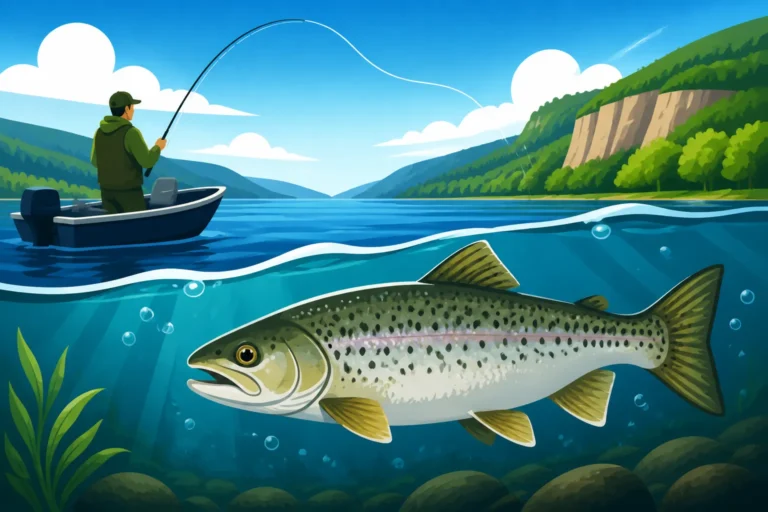
Seneca Lake holds the title for the deepest of the Finger Lakes, plunging over 600 feet in some areas. This immense depth translates into vast amounts of cold, oxygen-rich water, making it a prime habitat for coldwater species. Seneca is renowned for its outstanding lake trout fishery. Anglers regularly pull trophy-sized lakers from its depths, especially during the summer months when they hold in cooler thermoclines. Beyond lake trout, Seneca also boasts a thriving population of landlocked salmon, which can provide exhilarating fights. These silver bullets often cruise the upper water column, particularly in spring and fall.
The fishing experience on Seneca Lake is often characterized by trolling with downriggers or leadcore line to present baits at specific depths. Spoons, flasher-fly combinations, and stickbaits are popular choices for both lake trout and salmon. While known for its coldwater species, Seneca also offers good fishing for smallmouth bass along its rocky shorelines and structure. Largemouth bass can be found in the shallower, weedier bays, particularly near Geneva at the north end and Watkins Glen at the south. For those looking for a diverse angling experience with the chance at a true monster, Seneca Lake is a top pick. You can explore How to Fish Deep Water Lake Trout in Summer on New York's Finger Lakes for more targeted strategies.
Cayuga Lake: The Longest and Lively
As the longest of the Finger Lakes, Cayuga Lake stretches over 38 miles, offering a sprawling and diverse fishery. Like Seneca, Cayuga is deep and cold, supporting a strong population of lake trout and landlocked salmon. However, its expansive shallow areas and numerous tributary inlets also make it an excellent choice for warmwater species. The northern end of Cayuga, particularly around Union Springs, features extensive weed beds and shallower flats that are hot spots for largemouth bass, northern pike, and a variety of panfish like yellow perch and bluegill.
Cayuga Lake is often a favorite for bass anglers due to its abundance of cover and structure. Smallmouth bass can be found along rocky points and drop-offs throughout the lake, while largemouth thrive in the vegetation-rich northern reaches. Early mornings and evenings often see explosive topwater action for bass in these areas. During the colder months, ice fishing for yellow perch and crappie is popular in the shallow bays. Charter services are readily available, and a quick search on platforms like FishingBooker can help you find experienced captains who know the lake's seasonal patterns inside out. Anglers targeting salmon and trout here will also employ trolling techniques, often focusing on the main lake basin.
Keuka Lake: The Y-Shaped Gem
Keuka Lake stands out with its distinctive Y-shape, forming two distinct arms that converge. This unique geography provides varied fishing environments within a single lake. Keuka is particularly renowned for its excellent smallmouth bass fishing. Its clear waters and abundant rocky structure along the shorelines and points create ideal ambush points for bronzebacks. Jigs, dropshot rigs, and crankbaits fished near structure are often productive. The lake also supports a healthy population of lake trout and some landlocked salmon, which are typically targeted by trolling in the deeper sections.
What makes Keuka truly special is its accessibility and charming lakeside towns like Hammondsport, making it a fantastic destination for a full fishing vacation. The clear water demands stealth and precise presentations, but the rewards can be significant, including impressive numbers of quality smallmouth. For those interested in Landlocked Atlantic Salmon in New York, Keuka offers a solid opportunity, particularly in the spring and fall when these fish are more active near the surface or around tributary mouths.
Canandaigua Lake: Scenic and Productive
Often called the "Chosen Spot" by Native Americans, Canandaigua Lake lives up to its name with stunning scenery and excellent fishing. It's another deep, clear lake, making it a premier destination for lake trout and landlocked salmon. Canandaigua is known for producing consistent numbers of these coldwater species, with trolling being the primary method. The lake's cold depths maintain stable conditions, allowing fish to grow to impressive sizes.
Beyond the coldwater giants, Canandaigua also offers a robust smallmouth bass fishery, particularly along its extensive rocky shorelines and points. Early season bass fishing can be exceptional, with fish staging in pre-spawn areas. Panfish are also plentiful, providing fun for anglers of all ages. Public access points and boat launches are well-maintained, making it easy to get out on the water. If you're wondering which might be the Best Finger Lake for Trout Fishing, Canandaigua should certainly be on your radar.
Skaneateles Lake: The Pristine Waters
Skaneateles Lake boasts some of the purest water in the world, so much so that it's a primary drinking water source for Syracuse. This pristine quality means fishing regulations are sometimes a bit stricter, but it also supports an incredibly healthy and vibrant fishery. Like many of its counterparts, Skaneateles is a fantastic lake for lake trout and landlocked salmon, which thrive in its cold, clear depths. The lack of extensive weed beds concentrates warmwater species into specific areas, though smallmouth bass are still a strong presence along rocky banks.
The fishing here can be a bit more challenging due to the exceptional water clarity, requiring finer lines and more subtle presentations. However, the rewards are often high-quality fish in a breathtakingly beautiful setting. For anglers who appreciate solitude and unspoiled natural beauty alongside great fishing, Skaneateles offers a unique experience. If you are particularly keen on A Guide to New York's Trout Species, Skaneateles provides an excellent opportunity to target robust lake trout. Always double-check current local regulations before fishing, as conservation efforts here are paramount.
Target Species and Best Techniques
The Finger Lakes offer a diverse menu for anglers, from hard-fighting coldwater species to aggressive warmwater predators and plentiful panfish. Understanding the behavior and preferred habitats of these different fish is crucial for success.
Coldwater Champions: Lake Trout and Landlocked Salmon
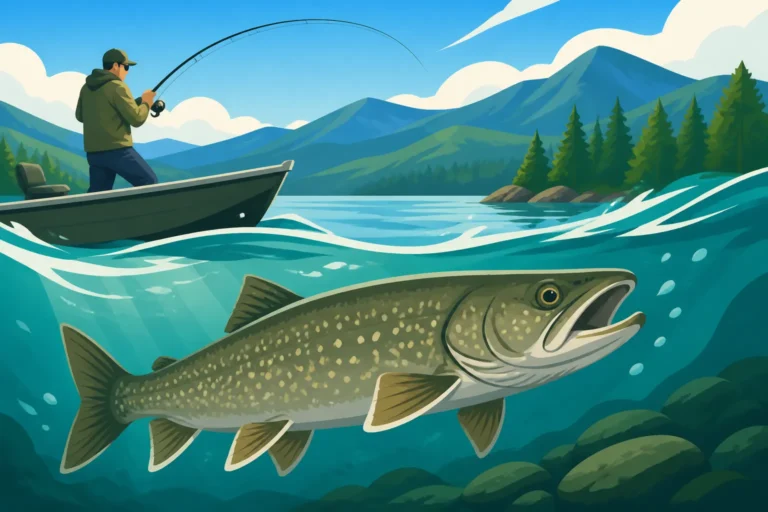
Lake trout are king in the deeper Finger Lakes like Seneca, Cayuga, Keuka, Canandaigua, and Skaneateles. These powerful fish spend most of their lives in the cold, oxygenated depths, typically from 50 to over 200 feet deep during the warmer months. Successful lake trout fishing often involves trolling with heavy tackle, using downriggers, lead core, or copper line to get spoons, flasher-fly combinations, or large stickbaits down to where the fish are holding. Popular lures include Silver Streaks, Stingers, and Northern King spoons, often in natural baitfish colors. When fishing these depths, a good fish finder is indispensable for identifying bait schools and marking individual fish.
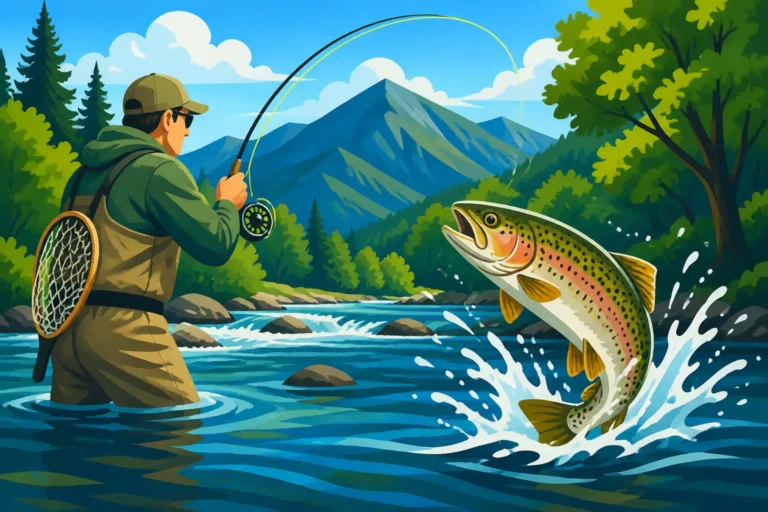
Landlocked salmon, a genetic cousin of the Atlantic salmon, are another prized coldwater catch. These acrobatic fighters are found in many of the same lakes as lake trout, often cruising higher in the water column, particularly in spring and fall when surface temperatures are cooler. Trolling similar lures to lake trout, but often at shallower depths (10-50 feet) and sometimes at slightly faster speeds, can be effective. Fly fishing can also be a productive method for landlocked salmon, especially in the tributaries during their spawning runs. Check out our guide on New York Fishing Seasons Explained to optimize your timing for these species.
Warmwater Warriors: Largemouth and Smallmouth Bass
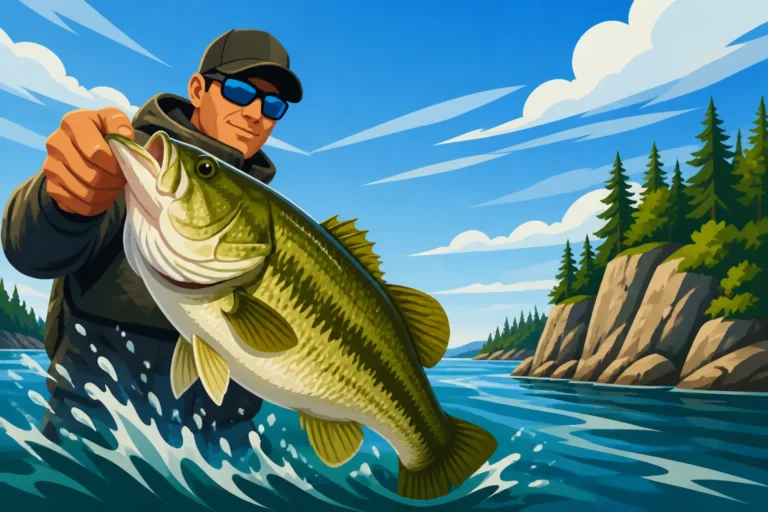
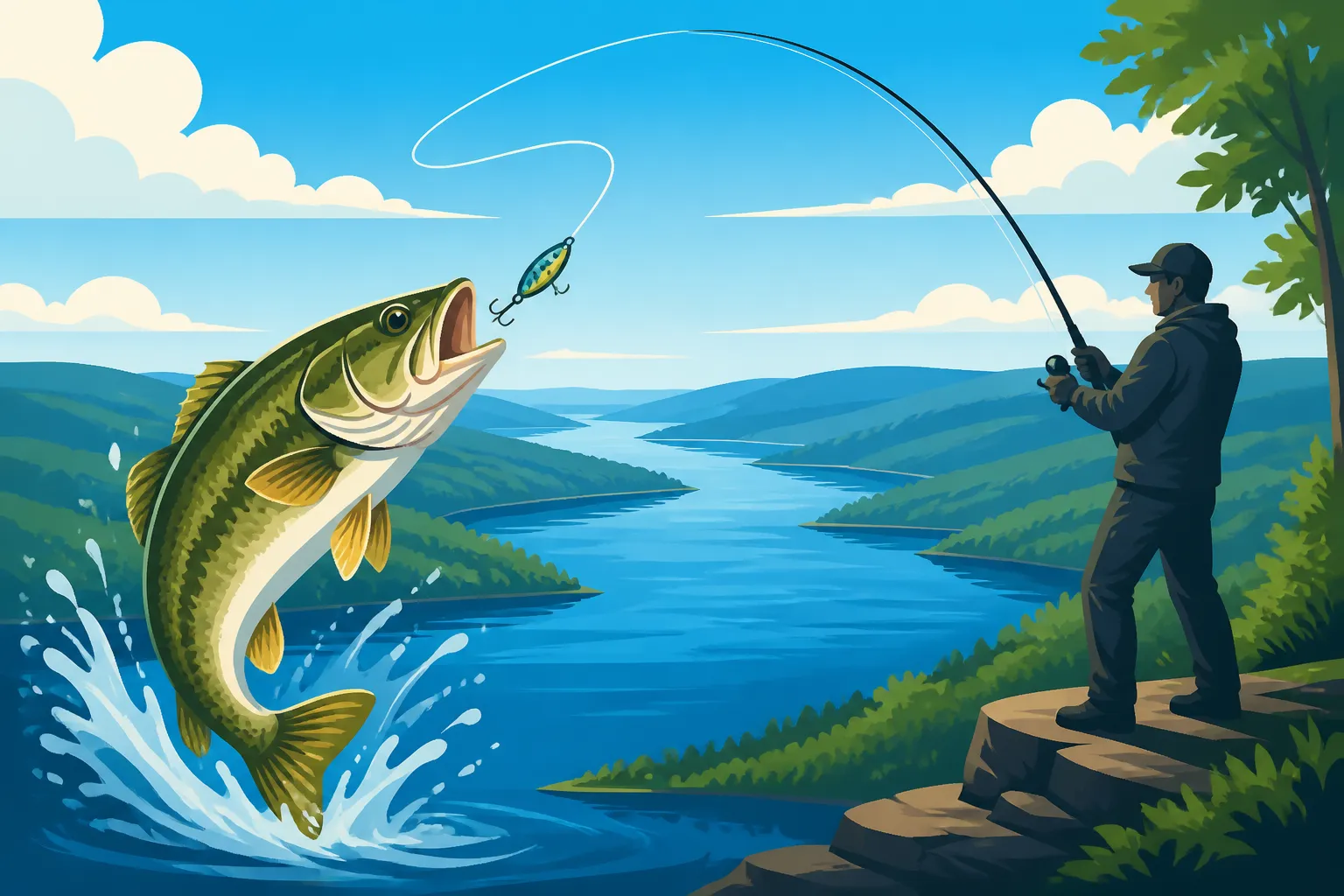
The Finger Lakes are a fantastic destination for bass anglers. Smallmouth bass thrive in the clear, rocky environments found in most of these lakes, particularly along points, drop-offs, and submerged structures. They are aggressive eaters and will readily strike tube jigs, dropshot rigs, crankbaits, and topwater lures. Fishing early mornings or late evenings can often produce some explosive topwater action, especially around rocky shorelines. On many Finger Lakes, you can find quality smallmouth bass fishing, with Keuka and Canandaigua being particularly renowned.
Largemouth bass prefer the shallower, weedier bays and flats, which are more prevalent in lakes like Cayuga (especially its northern end) and in various bays and coves throughout the region. Flipping jigs into dense cover, casting spinnerbaits along weed lines, or working frogs and other topwater baits over lily pads are classic largemouth tactics. The fishing can be phenomenal, especially during the pre-spawn and post-spawn periods. For specific tips, exploring our guide on the Best Finger Lake for Bass Fishing can provide further insights.
Family-Friendly Fun: Panfish
For a relaxed day on the water, especially with kids or novice anglers, targeting panfish like yellow perch, bluegill, and crappie is a rewarding experience. These species are abundant in most of the Finger Lakes, particularly in shallower bays, around docks, and near weed beds. They are relatively easy to catch, offering consistent action that can keep everyone engaged.
Simple tactics like using a bobber with a small hook baited with worms, minnows, or small soft plastics are highly effective. Light tackle makes fighting even small panfish exciting, and they make for excellent table fare. During the winter, many of these lakes offer fantastic ice fishing opportunities for panfish, often with large schools congregating in accessible areas. This makes them a great year-round option for anglers.
Essential Tips for Finger Lakes Fishing Success
Fishing the Finger Lakes can be immensely rewarding, but a little preparation and insight can greatly enhance your chances of success. Given the unique characteristics of these deep, sprawling bodies of water, there are some specific strategies that tend to pay off.
Master Your Electronics and Maps
Given the sheer size and depth of the Finger Lakes, a quality fish finder and detailed navigational charts are indispensable tools. Don't just rely on guessing; use your electronics to scan for baitfish schools, identify thermoclines (especially for coldwater species), and locate hidden structures like humps, ledges, and submerged points. Many modern fish finders offer side-imaging and down-imaging capabilities that can reveal fish holding tight to structure or cruising along contour lines.
Furthermore, invest in good topographical maps or use digital charts on your GPS unit. These maps will show you the dramatic depth changes, creek channels, and underwater features that are invisible from the surface but are critical fish habitats. Mark productive spots, bait concentrations, and fish sightings. Over time, building a personal library of waypoints will prove invaluable, allowing you to return to known productive areas efficiently.
Timing is Everything: Seasons and Weather
Understanding the seasonal movements of fish is paramount in the Finger Lakes.
- Spring: As ice recedes, coldwater species like lake trout and salmon often move shallower, becoming more accessible to casting or shallower trolling. Bass become active as water temperatures rise, heading into pre-spawn areas.
- Summer: Coldwater fish generally retreat to deeper, cooler waters, requiring precise depth targeting. Warmwater species like bass will be active in shallower areas, often near weed lines or docks, especially during low-light hours.
- Fall: This is often considered prime time. Coldwater fish move shallower again for spawning or feeding, offering excellent opportunities for both trolling and casting. Bass feed aggressively to prepare for winter.
- Winter: Ice fishing takes center stage in shallower bays and smaller lakes, targeting panfish, pickerel, and often walleye.
Always keep an eye on the weather forecast. High winds can make navigation dangerous and fishing difficult on such large lakes. Barometric pressure changes, cold fronts, and sudden temperature drops can significantly impact fish behavior, often making them less active. Adjust your tactics accordingly; sometimes a slow, subtle presentation is best during tough conditions.
Consider Hiring a Local Guide or Charter
For anglers new to the Finger Lakes, or those looking to maximize their time and target specific trophy species, hiring a local fishing guide or charter is an excellent investment. These professionals possess an intimate knowledge of the lakes, including current fish patterns, productive techniques, and the best baits. They can dramatically shorten your learning curve and put you on fish faster than you might accomplish on your own.
Many reputable guides operate across the Finger Lakes, specializing in everything from deep-water lake trout and salmon trolling to casting for bass. Websites like FishingBooker are a great resource for finding and booking experienced local guides, complete with reviews and detailed service offerings. A guide can also provide all the necessary specialized equipment, which is especially helpful if you're traveling or don't own heavy trolling gear. Exploring options for New York Fishing Charters and Guides can save you valuable time and effort.
Respect the Regulations and Conservation Efforts
The health of the Finger Lakes fisheries is dependent on responsible angling. Always carry your New York Fishing License Guide and be familiar with the current regulations for the specific lake and species you are targeting. Rules regarding minimum size, daily creel limits, and specific bait restrictions can vary significantly between lakes, and even within the same lake for different species or seasons.
Practice responsible catch-and-release, especially for larger breeding fish, if you are not planning to keep them for consumption. Handle fish gently, minimize their time out of water, and use proper de-hooking tools. Many areas have special regulations, such as for Skaneateles Lake due to its pristine water quality. Adhering to these rules helps ensure that these magnificent fisheries remain healthy and productive for generations to come.
Finger Lakes Fishing Overview
To help you get a quick glance at what each of the top Finger Lakes offers, here's a handy comparison table. This isn't exhaustive, but it highlights the primary species and characteristics to guide your planning.
| Lake | Primary Target Species | Key Characteristics | Best Fishing Methods | Noted For |
|---|---|---|---|---|
| Seneca Lake | Lake Trout, Landlocked Salmon, Smallmouth Bass | Deepest (600+ ft), Cold, Clear Water | Deep Trolling, Jigging, Structure Fishing | Trophy Lake Trout, Consistent Salmon |
| Cayuga Lake | Lake Trout, Landlocked Salmon, Largemouth Bass, Pike | Longest (38 mi), Diverse Habitat, Shallow North End | Trolling, Flipping/Pitching, Topwater | Diverse Fishery, Excellent Bass |
| Keuka Lake | Smallmouth Bass, Lake Trout, Landlocked Salmon | Unique Y-Shape, Clear Water, Rocky Structure | Dropshot, Jigs, Trolling | Abundant Smallmouth Bass |
| Canandaigua Lake | Lake Trout, Landlocked Salmon, Smallmouth Bass, Perch | Scenic, Clear Water, Deep | Trolling, Dropshot, Live Bait | Consistent Lake Trout, Scenic Beauty |
| Skaneateles Lake | Lake Trout, Landlocked Salmon, Smallmouth Bass | Pristine Water, Strict Regulations, Deep & Clear | Deep Trolling, Subtle Presentations | High Quality Fish in Unspoiled Setting |
| Owasco Lake | Lake Trout, Largemouth Bass, Smallmouth Bass, Panfish | Mid-sized, Varied Depth, Good Structure | Trolling, Casting, Ice Fishing | Good All-Around, Family Fishing |
| Conesus Lake | Walleye, Largemouth Bass, Northern Pike, Panfish | Shallowest, Warmer, Abundant Weeds | Jigging, Crankbaits, Weedless Baits, Ice Fishing | Walleye Hot Spot, Strong Warmwater Fishery |
This table should give you a starting point. Remember that conditions, fish patterns, and regulations can change, so always do current research before you head out. Websites like FishingBooker can offer up-to-date reports from local guides and anglers who frequent these waters. For those contemplating a visit, our guide on New York's Best Lakes for Fishing offers broader context on the state's top fishing destinations, including the Finger Lakes.
Disclaimer
Please note that fishing regulations, seasons, and species availability can change. Always consult the latest official New York State Department of Environmental Conservation (DEC) regulations before heading out to fish. This guide provides general information and recommendations, but it is the angler's responsibility to adhere to all current laws and safety guidelines.