Best Brook Trout Ponds in New York’s Adirondacks
There’s a special kind of frustration that comes with dreaming of wild brook trout in the serene Adirondack wilderness, only to be met with vague directions or crowded spots. It feels like everyone has their secret honey hole, but no one's willing to share. This guide is here to cut through that mystery, revealing some of New York's best brook trout ponds in the Adirondacks and equipping you with the knowledge to find your own hidden gems.
The Allure of Adirondack Brook Trout Ponds
There’s something truly magical about the Adirondacks, a vast expanse of mountains, forests, and, most importantly for us anglers, countless ponds and lakes. But among all the species you can chase, the brook trout holds a special place, especially when they’re wild and native to these pristine waters.
Why Brook Trout Are Special in the Adirondacks
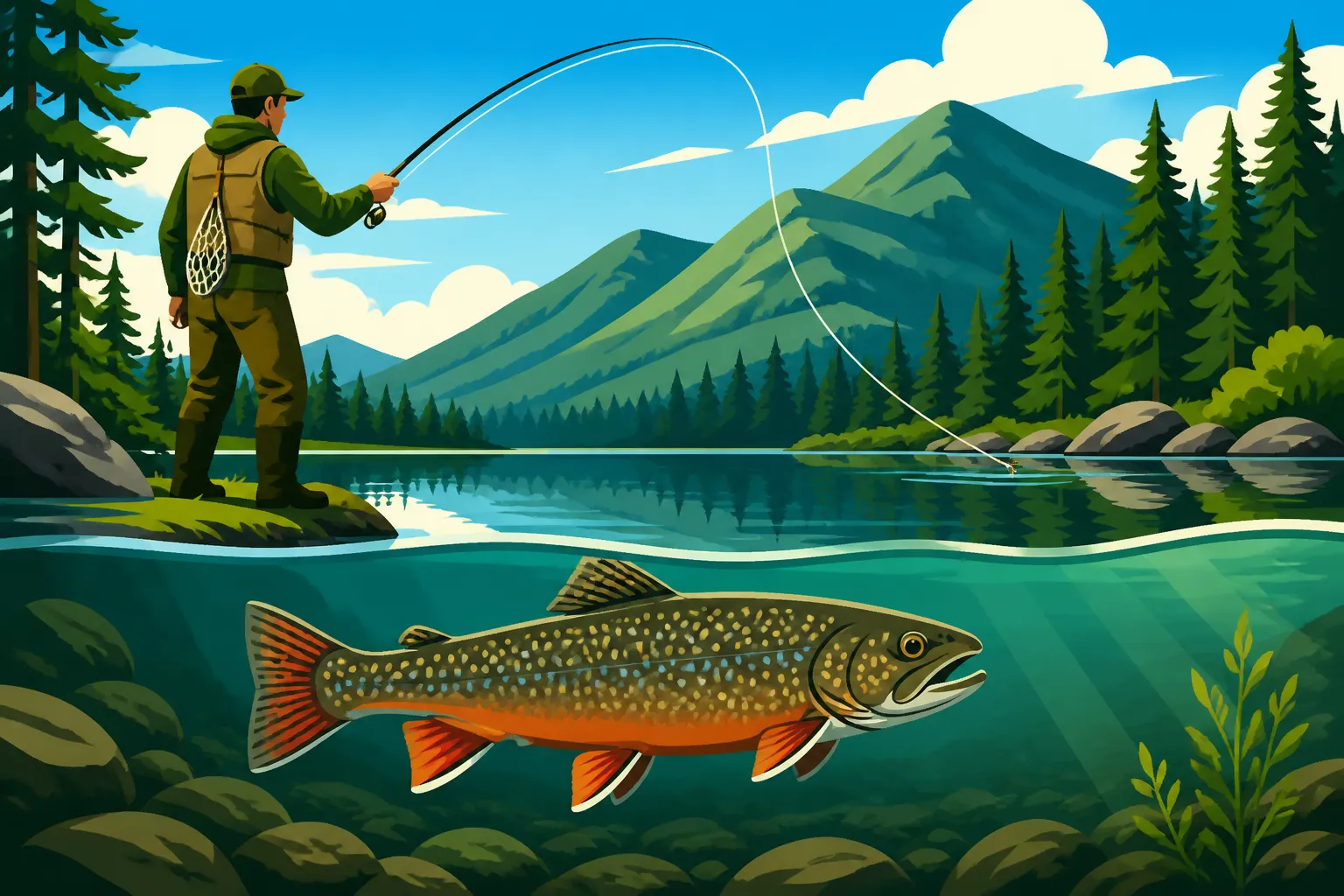
Brook trout, or "brookies" as many of us affectionately call them, are the only trout species native to New York State. In the Adirondacks, they thrive in the cold, oxygen-rich waters of remote ponds, often displaying vibrant colors that seem to mimic the wilderness around them. Catching a truly wild Adirondack brook trout, often sporting a deep orange belly and electric blue halos on its spots, isn’t just about the fish; it’s about the entire experience. It’s about the journey to a secluded pond, the quiet anticipation, and the feeling of connecting with a creature that has been part of this landscape for millennia. These fish are more than just a target; they’re an emblem of the Adirondack wild.
Unlike some of the larger, heavily stocked waters, many Adirondack brook trout ponds offer a chance to catch genetically pure, wild strains that have adapted perfectly to their environment. These fish are often smaller than their hatchery-reared cousins, but what they lack in size, they more than make up for in beauty, feistiness, and the sheer satisfaction of a hard-earned catch. The ecosystems supporting these wild brook trout are often fragile, making their preservation and responsible angling practices incredibly important for future generations.
The Challenge of Finding These Gems
Let's be honest, finding these pristine brook trout ponds isn't always easy. The Adirondacks are huge, covering millions of acres, and many of the best brook trout waters are tucked away, requiring considerable effort to reach. You’re not just going to drive up to a paved parking lot and cast a line. Often, you’re looking at miles of hiking, sometimes bushwhacking, or even paddling through multiple lakes with portages in between. This remoteness is a double-edged sword: it keeps the fishing pressure down, preserving the wild character, but it also makes it incredibly challenging for the average angler to discover these spots.
Then there’s the "secret spot" culture. Anglers who put in the effort to find a remote pond often guard its location fiercely, and for good reason—overfishing or irresponsible behavior could quickly degrade these delicate ecosystems. Furthermore, navigating the complex web of regulations, particularly with various special regulations on different waters, can be daunting. It’s not uncommon for a seemingly perfect pond to have specific rules about tackle, bait, or even catch limits, which you absolutely need to be aware of before you even pack your bags. This adds layers of research and preparation to what might seem like a simple fishing trip.
Top Brook Trout Ponds to Explore (and How to Find More)
While the true "secret spots" will always remain closely held, there are indeed many fantastic brook trout ponds in the Adirondacks that are known for their quality fishing and are worth the journey.
Well-Known and Accessible Ponds
The term "accessible" in the Adirondacks is relative, but some ponds offer a more manageable trek than others. One of the most famous and highly managed brook trout waters is Little Clear Pond near Saranac Lake. This pond is unique because it serves as the New York State Department of Environmental Conservation (DEC)'s primary source of brook trout eggs for its stocking programs. As such, it’s managed under very specific rules: artificial lures only, and usually catch-and-release, though sometimes permits are issued for specific harvest numbers. While you might not be keeping fish here, the opportunity to hook into robust, well-fed brookies is excellent. It’s a great spot to refine your technique and appreciate the species' beauty.
For those willing to paddle, the St. Regis Canoe Area near Paul Smiths offers a plethora of interconnected ponds, many of which hold brook trout. Ponds like Little Green Pond, Fish Pond, and Long Pond are regularly stocked with brook trout and are accessible via portages. This is a true wilderness experience, requiring a canoe or kayak and some physical effort, but the reward is peaceful solitude and eager brookies. You might even consider checking a service like FishingBooker to find a local guide who specializes in navigating these waters and knows the best times to hit these specific ponds. While not a direct access point, hiring a guide can transform a potentially frustrating trip into a successful one by leveraging their expertise on these multi-pond systems.
Further into the wilderness, spots within the Pharaoh Lake Wilderness Area also boast excellent brook trout fishing, though they require longer hikes and readiness for a more rugged experience. Ponds like Pharaoh Lake, while larger and with other species, can also produce some impressive brookies, particularly in the deeper, cooler sections. Always check the specific regulations for any pond you plan to visit, as they can vary greatly, and the DEC's website is your best friend here. For instance, knowing the current New York Fishing Season Dates and Catch Limits will be crucial for these wilder areas.
Tips for Researching and Locating Undiscovered Ponds
Finding your own "secret spot" is one of the most rewarding aspects of Adirondack brook trout fishing. The key is diligent research and a willingness to explore. Start with the New York DEC's website, particularly their "Public Fishing" pages and stocking lists. While stocking lists might seem counterintuitive for finding wild brook trout, they often point to ponds that have suitable habitat and management, and sometimes a pond will contain wild populations alongside stocked fish. Look for waters listed as "Heritage Trout Stream" or "Wild Brook Trout Pond."
Topo maps (topographical maps) are absolutely essential. They’ll show you contours, trails, and most importantly, access points and the remoteness of a pond. Look for ponds that are a significant distance from roads or require a challenging hike or paddle. These are the ones less likely to see heavy fishing pressure. Local bait and tackle shops in towns like Saranac Lake, Tupper Lake, or Old Forge are also invaluable resources. The folks working there often have decades of experience on local waters and can offer general advice, steer you towards certain areas, or confirm fish activity in specific ponds without giving away their precise spots.
Don't be afraid to experiment with lesser-known waters that might not be prominently featured in guides. Sometimes the most overlooked pond, perhaps one requiring a long, difficult carry-in, will hold the most impressive brook trout. Consider using online forums and communities, but always approach them with respect and understand that specific locations might not be openly shared. Instead, focus on gathering general information about areas, techniques, and conditions.
Essential Gear and Techniques for Adirondack Brookies
Successfully fishing for brook trout in the Adirondacks isn't just about finding the right pond; it's also about being properly equipped and employing effective tactics.
Pack Smart: What to Bring for Remote Pond Fishing
When you're heading into the Adirondack backcountry for brookies, less is often more, but what you bring needs to be functional and reliable. Your tackle should be lightweight. For fly fishing, a 3- or 4-weight fly rod, paired with a floating line, is perfect for casting small dry flies and nymphs. If you prefer spin fishing, a light or ultralight spinning rod (5-6 foot range) with 4-6 lb test monofilament or fluorocarbon line will handle most brook trout. Don't forget a small selection of appropriate lures: tiny inline spinners (like Panther Martin or Mepps), small spoons, and micro jigs are all great choices. A small tackle box that fits easily into a backpack is ideal.
Beyond fishing gear, wilderness preparedness is paramount. Always carry a detailed map (both paper and digital on a GPS device or smartphone with downloaded maps) and a compass, and know how to use them. A first-aid kit, headlamp, extra layers of clothing (even in summer, temperatures can drop), rain gear, high-energy snacks, and plenty of water are non-negotiable. A small bear canister or bear bag system is highly recommended if you’re staying overnight. Consider bringing a lightweight pack raft or float tube if allowed and you're targeting specific ponds that would benefit from covering more water, but ensure you understand any Boat Registration Requirements for Anglers. When planning your trip, you can even look for Adirondack fishing guides on FishingBooker who specialize in remote pond trips; they’ll often provide most of the specialized gear and know exactly what else to pack.
Effective Tactics for Pond Brook Trout
Brook trout in Adirondack ponds are often opportunistic feeders, but they can also be surprisingly selective. Fly fishing is incredibly effective, especially with dry flies during insect hatches. Carry a selection of Adams, Hendrickson, Elk Hair Caddis, and small terrestrials like ant or beetle patterns in sizes 12-18. When fish aren't rising, nymphing with patterns like Prince Nymphs, Hare's Ears, or Pheasant Tails can be deadly, especially when fished under a small strike indicator. Often, a slow retrieve or simply letting the current or subtle wind drift your fly naturally is all it takes.
For spin fishermen, stealth and presentation are key. Cast small inline spinners or spoons towards structure like submerged logs, weed beds, or rocky outcrops. Let them sink briefly before beginning a slow, steady retrieve. Sometimes varying your retrieve speed or adding small twitches can entice a hesitant fish. Small soft plastics on a jig head can also be very effective, mimicking baitfish or aquatic insects. If bait is allowed and you choose to use it, worms or minnows (ensure they comply with New York's Bait Fish Collection Rules and Rules on Using Live Bait in New York to prevent invasive species spread) fished under a bobber or on the bottom can also produce results, particularly with less aggressive fish. Remember, brook trout are often found close to shore in cooler water, especially during early morning and late evening, or near springs that provide colder water.
Conservation and Responsible Angling
The wild brook trout populations in the Adirondacks are a precious resource, and it's up to every angler to help protect them. Responsible angling practices are crucial for ensuring these ponds remain productive for generations to come.
Protecting These Fragile Ecosystems
The "Leave No Trace" principles are your guiding star when fishing remote Adirondack ponds. This means packing out everything you pack in, including all trash, leftover fishing line, and food scraps. Go a step further by removing any litter you might find from others. When you clean fish (if allowed and you choose to keep any), do so away from the water's edge and scatter the entrails so they decompose naturally without attracting wildlife to the shoreline. Minimize your impact on vegetation and trails, and camp in established sites whenever possible.
Brook trout are sensitive fish, especially in warmer conditions. If you're practicing catch-and-release, handle the fish as little as possible. Keep them in the water while unhooking, use wet hands to avoid removing their protective slime coat, and revive them gently before letting them go. Avoid fishing when water temperatures are excessively high, as the stress of being caught can be fatal to brook trout in warm water. Consider barbless hooks to make release easier and reduce harm. Understanding Catch-and-Release Handling Rules isn't just good practice; it's vital for species survival. The health of the ecosystem directly impacts the fish, so your actions on shore are just as important as your actions on the water.
Understanding Special Regulations
The New York State DEC implements specific regulations to protect vulnerable fish populations, and many brook trout ponds in the Adirondacks fall under these "Special Regulations Waters." These rules might dictate everything from minimum/maximum size limits, daily creel limits (how many fish you can keep), allowed tackle (e.g., artificial lures only, no live bait), or even specific seasons. For example, some ponds might be designated as "trophy" waters where larger fish are protected, or "catch-and-release only" to maintain robust breeding populations.
Before you ever leave home, it is absolutely essential to check the current New York Fishing Regulations Explained for the specific pond or waterbody you plan to fish. You can find this information on the DEC's website or in their annual fishing regulations guide, which can be picked up at most license vendors. Ignorance of the law is no excuse, and wardens regularly patrol remote areas, especially those known for sensitive fisheries. A quick check of the regulations can save you from a hefty fine and, more importantly, ensures you are doing your part to protect these incredible fish for the future. Don't assume that general statewide rules apply; always verify the details for your chosen location. This might seem like a lot of homework, but it’s a crucial step in being a responsible Adirondack angler.
Here's a quick comparison of some common characteristics of brook trout ponds in the Adirondacks:
| Feature | Remote Wilderness Ponds | Managed/Accessible Ponds (e.g., Little Clear) |
|---|---|---|
| Accessibility | Challenging; long hikes, portages, often no roads | More accessible, shorter walks, sometimes close to roads |
| Fish Population | Primarily wild, native brook trout; self-sustaining | Stocked brook trout, sometimes wild populations too |
| Fish Size | Often smaller but feisty, vibrant colors | Can be larger due to stocking and management |
| Fishing Pressure | Low to very low | Moderate to high, especially on weekends |
| Regulations | Varies widely, often special regulations for remote areas | Often highly specific (e.g., artificial lures, C&R) |
| Experience | Solitude, true wilderness adventure, self-reliance | Educational, good for honing skills, easier logistics |
| Gear Needed | Lightweight backpacking gear, navigation tools, first-aid | Standard fishing gear, less emphasis on survival gear |
No matter where you decide to cast your line, the Adirondacks offer unparalleled opportunities for brook trout fishing. Do your homework, pack smart, fish responsibly, and you’ll be rewarded with unforgettable experiences and the chance to connect with one of New York’s most iconic fish.
Disclaimer
Fishing regulations, conditions, and fish populations can change. Always consult the most current New York State Department of Environmental Conservation (DEC) regulations before heading out. Fishing involves inherent risks; always prioritize safety, especially in remote wilderness areas.