How Far Is Lake Ontario From New York City?
It's a common dream, isn't it? You're sitting in the hustle and bustle of New York City, maybe staring out at the East River, and your mind drifts to the expansive, legendary waters of Lake Ontario, imagining those monstrous salmon and trout. But then the nagging question hits: just how far is that majestic fishing ground from the concrete jungle? The truth is, Lake Ontario is quite a haul from NYC, and understanding that distance is key to planning a realistic and rewarding fishing adventure. This guide will break down the journey, what to expect, and how to make that epic trip a reality.
Understanding New York State's Vast Geography for Anglers
New York State is a truly immense and diverse place, stretching from the Atlantic Ocean up to the Canadian border and hugging two of the Great Lakes. This vastness means that while you might be in New York, you're a world away from another part of it, especially when comparing New York City to the Great Lakes region.
The Sheer Scale of New York State
One of the biggest misconceptions many people have, especially those unfamiliar with the geography beyond the immediate metropolitan area, is just how large New York State truly is. When you think "New York," often your mind jumps straight to Manhattan. But the state encompasses everything from the rugged peaks of the Adirondacks to the fertile farmlands of the Finger Lakes, and, of course, the colossal waters of Lake Ontario. This isn't like driving from one borough to the next; it's a significant cross-state journey. The landscape changes dramatically, and with it, the driving conditions and the kind of fishing opportunities available.
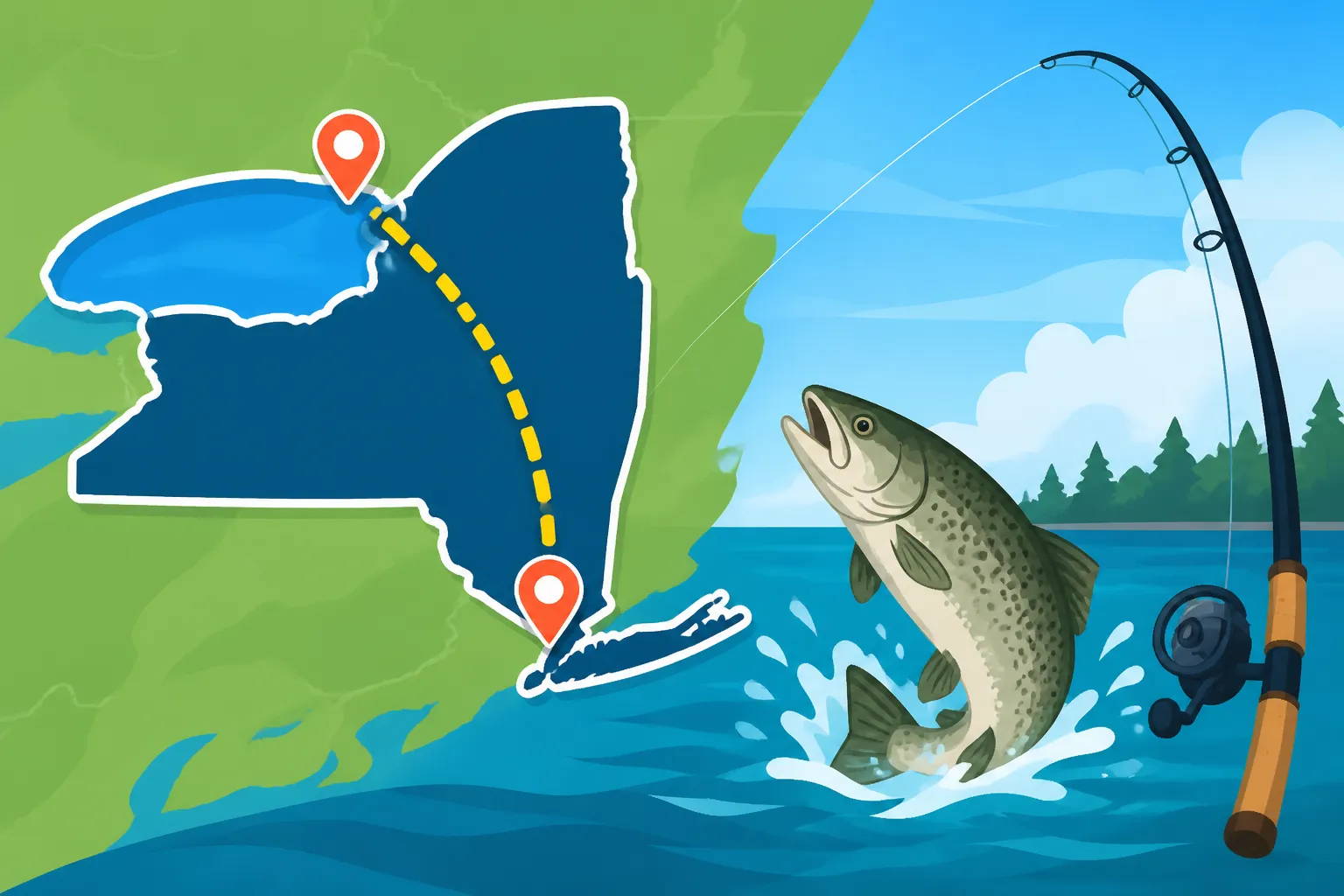
Imagine drawing a diagonal line across the state from the southeast corner where NYC sits to the northwest corner where Lake Ontario stretches. You're covering a substantial portion of the state's 54,555 square miles. This means preparing for a long drive, not just a quick hop. Understanding this scale helps set realistic expectations for travel time and energy expenditure.
Lake Ontario's Prime Fishing Regions
Lake Ontario itself is the smallest of the Great Lakes by surface area, but don't let that fool you; it's still an inland ocean. Its deep, cold waters are legendary for supporting incredible populations of salmon and trout, making it a world-class fishery. The prime fishing regions on the New York side are generally concentrated along its southern shore, with several key ports serving as launching pads for anglers.
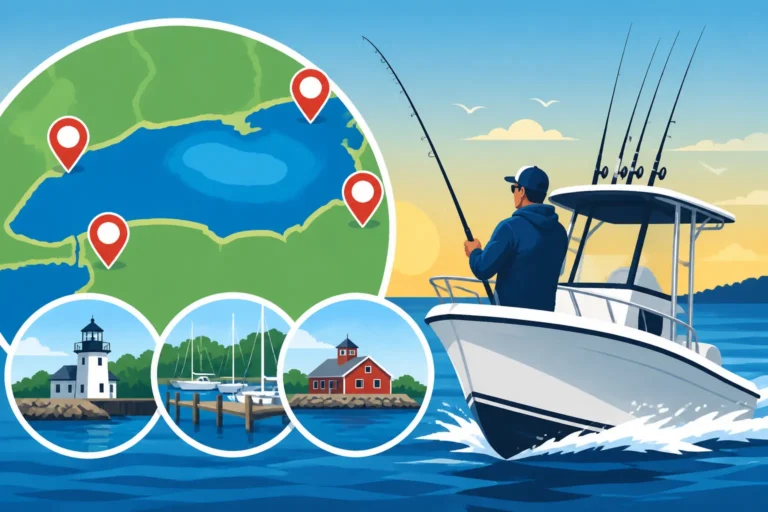
Towns like Oswego, Rochester, and Sackets Harbor are iconic names in the Lake Ontario fishing scene. Oswego, often called the "Port City of Central New York," is particularly famous for its salmon and trout charters, especially during the peak runs. Rochester, further west, offers access to diverse fisheries and is a hub for both recreational and charter fishing. And then there's the beautiful Thousand Islands region near Sackets Harbor and Henderson Harbor, which, while primarily known for bass and muskie, still provides access to the main lake for its trophy salmonid species. Each of these ports offers slightly different angling experiences and target species depending on the season, making the choice of destination part of the planning. Knowing where you want to fish specifically will impact your exact travel route and duration.
Calculating the Distance: NYC to Lake Ontario
Now, let's get down to the nitty-gritty: the actual miles and hours you can expect to spend getting from New York City to the prime fishing grounds on Lake Ontario. This isn't a simple straight shot; you're traversing a significant portion of the state.
Driving Distances and Times to Key Lake Ontario Ports
When you're leaving New York City, you'll typically be heading northwest through upstate New York. The exact distance and time will, of course, vary depending on your starting point in NYC and your precise destination on Lake Ontario. Let's look at some popular fishing destinations:
- New York City to Oswego, NY: Oswego is one of the most popular and central access points to Lake Ontario's prolific salmon and trout fishery. The driving distance is approximately 300-320 miles. Under ideal conditions with minimal traffic, this drive can take anywhere from 5 to 6 hours. However, realistically, especially with potential stops for gas, food, or traffic delays, you should budget closer to 6.5 to 7 hours of actual travel time.
- New York City to Rochester, NY: Further west along the lake, Rochester offers another excellent option for anglers. The distance here is roughly 330-350 miles. Similar to Oswego, expect a drive of around 5.5 to 6.5 hours without significant delays. With typical road conditions and a break or two, planning for 7 to 7.5 hours is a safer bet.
- New York City to Sackets Harbor/Henderson Harbor, NY (Thousand Islands Region): If your sights are set on the northeastern end of Lake Ontario, near the start of the St. Lawrence River, you'll be heading towards places like Sackets Harbor or Henderson Harbor. This stretch is a bit further, usually around 340-360 miles. You're looking at a solid 6 to 7-hour drive on average, and again, factoring in stops, it could easily stretch to 7.5 to 8 hours. This region is particularly popular for species like muskellunge, smallmouth bass, and northern pike, alongside the lake's salmon and trout.
These are not insignificant drives. They are long enough that trying to do it all in one day, fish for a few hours, and then drive all the way back to NYC would be incredibly grueling, if not outright dangerous due to fatigue. Most anglers planning a trip of this magnitude opt for at least an overnight stay, if not a full weekend or several days.
Factors Affecting Your Travel Time
While the mileage gives you a good baseline, several real-world factors can significantly impact how long it actually takes you to get from NYC to Lake Ontario. It's not just about the speedometer.
- Traffic: This is arguably the biggest variable. Leaving New York City during rush hour, or hitting major interstate corridors like the New York State Thruway (I-90) at peak times, can add substantial delays. Even on weekends, summer traffic can be heavy, especially passing through Albany or Syracuse. Plan your departure time carefully; leaving early in the morning (think before 6 AM) or late in the evening can shave off crucial hours.
- Weather Conditions: New York State experiences all four seasons, and each brings its own travel challenges. Summer thunderstorms can cause slowdowns, while winter snowstorms can make travel hazardous or impossible. Even heavy rain can reduce visibility and necessitate slower speeds. Always check the weather forecast for your entire route before you leave.
- Construction: Roadwork is a constant on major highways. While GPS and navigation apps usually account for some delays, unexpected lane closures or major projects can cause unforeseen backups.
- Stops and Breaks: Unless you're an ironman driver, you'll need to stop for gas, food, and restroom breaks. These unplanned (or planned) stops add to your overall trip duration. Don't underestimate how much cumulative time these breaks can take. It's important to factor in time to stretch your legs and refresh yourself, especially on such a long journey.
- Vehicle Condition: A breakdown far from home is every angler's nightmare. Ensure your vehicle is in good working order before embarking on a long trip. Check tires, oil, and fluid levels.
To help visualize these distances and times, here's a quick comparison:
| Destination on Lake Ontario | Approximate Driving Distance from NYC | Estimated Driving Time (No Major Delays) | Realistic Travel Time (with breaks/minor delays) |
|---|---|---|---|
| Oswego | 300-320 miles | 5-6 hours | 6.5-7 hours |
| Rochester | 330-350 miles | 5.5-6.5 hours | 7-7.5 hours |
| Sackets Harbor | 340-360 miles | 6-7 hours | 7.5-8 hours |
Remember, these are estimates. Your actual experience may vary, but planning for the longer end of the spectrum will help prevent frustration.
Planning Your Lake Ontario Fishing Trip from NYC
Embarking on a Lake Ontario fishing trip from New York City isn't a spur-of-the-moment decision. It requires careful planning and a realistic understanding of the logistics involved. Don't underestimate the journey; embrace the adventure!
Logistical Considerations for a Multi-Day Trip
Given the significant distance, a multi-day trip is almost a necessity to make the journey truly worthwhile. This opens up a whole new set of logistical considerations that you'll need to sort out.
First and foremost, accommodation is key. Are you looking for a budget-friendly motel, a cozy Airbnb, or perhaps a full-service resort? Places like Oswego and Rochester have numerous options, especially if you're booking during peak fishing seasons, so securing your lodging well in advance is crucial. You don't want to arrive after a long drive only to find everything booked solid. Many fishing towns cater specifically to anglers, offering early breakfast options and even fish cleaning stations.
Next, think about your gear. If you're planning on fishing with a charter, they usually provide all the necessary rods, reels, and tackle. However, if you're bringing your own boat or planning to fish from shore or smaller craft, you'll need to consider how you'll transport all your equipment. Rods, tackle boxes, coolers, rain gear, and personal flotation devices (PFDs) can take up a lot of space. Are you prepared for the weather? Lake Ontario can be unpredictable; layers are your friend, even in summer.
And don't forget food and provisions. While all the towns mentioned have grocery stores and restaurants, planning some meals or bringing snacks for the road and on the water can save time and money. A good cooler stocked with drinks and sandwiches for your fishing day is always a smart move. When you're out on the big lake, you won't be able to just pop into a deli for a bite.
Balancing Travel with Fishing Time
This is where the rubber meets the road (literally!). You've invested a good chunk of time and money just getting there, so you want to maximize your time on the water.
- Is a Day Trip Realistic? In short, no, not really. Trying to drive 6-8 hours, fish for even a few hours, and then drive another 6-8 hours back is a recipe for exhaustion and potential danger on the road. You'd spend more time driving than fishing, and the quality of both experiences would suffer immensely. A full-day fishing trip from a Lake Ontario port typically means being on the water for 6-8 hours, often starting well before dawn. Adding a 12-16 hour round trip drive to that is simply unsustainable.
- Optimal Trip Duration: For most anglers coming from NYC, a minimum two-night, full-day fishing trip is recommended. This allows you to drive up on a Friday evening, get a good night's sleep, fish all day Saturday, and then either fish a half-day Sunday before driving back or simply drive back well-rested on Sunday. A three-night trip with two full days of fishing would be even better, providing a more relaxed pace and greater opportunities to hit the fish. This duration also allows for contingencies like bad weather days or simply more time to explore the local area.
Remember that getting a good night's rest is critical for safety on the road and for being alert and responsive on the water. Fishing Lake Ontario, especially for large salmon and trout, can be physically demanding.
Exploring Alternatives to Driving
While driving is the most common and often most practical way to reach Lake Ontario from NYC, it's worth briefly considering other options, though they may come with their own set of challenges.
- Flying: You could fly from one of the NYC airports (JFK, LaGuardia, Newark) to Rochester (ROC) or Syracuse (SYR), which are the closest major airports to Lake Ontario's fishing hubs. This would drastically cut down on travel time. However, this option introduces costs for flights, rental cars upon arrival, and the significant challenge of transporting fishing gear (especially rods) on an airplane. For those looking to hire a charter and just bring minimal personal items, this might be a viable, albeit more expensive, option. You could use platforms like FishingBooker to find and book your charter in advance, then coordinate your flight and rental car around it.
- Train: Amtrak offers routes that can take you from NYC to cities like Rochester or Syracuse. This is a more relaxed way to travel than driving, allowing you to enjoy the scenery. However, once you arrive, you'd still need local transportation (rental car, taxi, ride-share) to get to your lodging and fishing departure points, as train stations are not typically right on the water. Similar to flying, transporting extensive fishing gear could be cumbersome.
For the majority of anglers, driving remains the most flexible and cost-effective way to get to Lake Ontario, allowing you to bring all your necessary gear and control your schedule. Just be prepared for the journey!
Making the Journey Worthwhile: What Awaits You at Lake Ontario
After all that driving, you want to know it's worth it, right? Absolutely! Lake Ontario offers an unparalleled fishing experience that is truly world-class. It’s not just a big lake; it’s an ecosystem teeming with trophy fish that you simply won't find in the waters immediately surrounding New York City.
Target Species and Prime Seasons
Lake Ontario is renowned for its diverse population of cold-water species, primarily salmon and trout. Understanding what you're targeting and when is crucial for success.
- Chinook (King) Salmon: These are the apex predators of Lake Ontario and what many anglers dream of catching. Known for their powerful runs and massive size, Kings can weigh well over 20 pounds, with some exceeding 30 pounds. The prime time for Chinook salmon fishing offshore typically runs from late spring through summer (May to August). During this period, they are actively feeding in the deep, cold waters of the lake. As fall approaches, from late August through October, these magnificent fish make their legendary spawning runs into the tributary rivers like the Salmon River in Pulaski. This is when shore and river anglers get their shot at these giants.
- Coho Salmon: While generally smaller than Chinooks, Coho salmon are aggressive fighters and provide excellent sport. Their runs usually coincide with the Chinooks but can extend a bit longer into the fall.
- Lake Trout: These ancient residents of the Great Lakes are bottom dwellers and can grow to impressive sizes, often reaching 15-20 pounds or more. Lake trout fishing is strong throughout the spring, summer, and fall, as they can be found in various depths depending on water temperature.
- Brown Trout: Known for their striking colors and elusive nature, brown trout in Lake Ontario can also grow quite large, offering a thrilling challenge. They are often targeted in spring and fall close to shore or in tributary mouths.
- Steelhead (Rainbow Trout): These migratory rainbow trout are phenomenal fighters, famous for their acrobatic leaps. They spend most of their lives in the lake but make spectacular spawning runs into tributaries in late fall, winter, and spring. They offer fantastic opportunities for both boat and stream anglers. Knowing the New York Fishing Season Dates and Catch Limits for these species is paramount.
Different regions of the lake can excel for specific species at different times. For example, the waters off Oswego and Mexico Bay are legendary for early season salmon, while the Genesee River near Rochester sees strong brown trout and steelhead runs. For up-to-date reports and to book a trip, checking a platform like FishingBooker can connect you with local charters who know exactly what's biting.
Why Lake Ontario is a Must-Fish Destination
Beyond just the chance to catch big fish, Lake Ontario offers a unique and profound angling experience that is a stark contrast to fishing closer to New York City.
- Trophy Potential: Simply put, the opportunity to catch genuinely massive fish – salmon and trout that can dwarf anything you'd find in a local pond or even in much of the state's saltwater fisheries – is the main draw. These are fish that test your tackle, your strength, and your resolve. The sheer power of a 25-pound Chinook ripping line from your reel is an experience you won't soon forget.
- Diverse Techniques: From deep-water trolling with downriggers and planer boards for salmon and lake trout, to drift fishing or fly fishing in the tributaries for steelhead and river salmon, Lake Ontario offers a huge variety of techniques. This allows anglers to pick their preferred style or try something new. You might even explore How to Fish for Salmon in New York or How to Fish for Steelhead in New York.
- Stunning Scenery: The shoreline of Lake Ontario and its surrounding areas are breathtaking. You'll trade the skyscrapers for vast open water, dramatic sunrises and sunsets over the lake, and the natural beauty of upstate New York. It's a true escape into nature.
- Vibrant Fishing Culture: The communities along Lake Ontario, especially towns like Oswego and Pulaski, live and breathe fishing. You'll find a welcoming atmosphere, experienced charter captains, well-stocked bait and tackle shops (like Captain's Cove or Fat Nancy's), and plenty of fellow anglers eager to share stories and tips. This rich fishing culture makes the trip even more immersive.
- An Investment in Experience: While the drive is long, and the planning extensive, the reward is a fishing experience that ranks among the best in North America. It’s an adventure, a challenge, and a memory in the making. Understanding the New York Freshwater Fishing Rules is essential before you head out, no matter where you plan to fish.
So, while Lake Ontario may be a significant distance from New York City, for the serious angler, the journey is not just part of the experience; it’s an essential prelude to an unforgettable fishing adventure. It's a pilgrimage to one of the truly great fishing destinations in the world. And to ensure you're fully prepared, make sure to check out our comprehensive New York Fishing License Guide before you go.
Disclaimer
The information provided in this guide is for general informational purposes only. Fishing regulations, season dates, and license requirements in New York State are subject to change by the New York State Department of Environmental Conservation (DEC). Always consult the official NYS DEC fishing regulations guide or website before planning your trip and heading out on the water to ensure compliance with current laws. Fishing conditions and travel times are estimates and can vary greatly. Always prioritize safety on and off the water.