How to Drift Fish for Steelhead
There's nothing quite like the thrill of chasing steelhead in New York's beautiful, cold-water tributaries, but anyone who's tried knows these chrome-bright beauties can be incredibly elusive. They’re wary, powerful, and often require a presentation that’s as natural as the river itself. This guide is all about demystifying drift fishing, a technique that truly shines when targeting these magnificent migratory trout, helping you understand how to present your bait or lure in a way that’s absolutely irresistible to them.
Understanding Steelhead Behavior and River Dynamics for Effective Drift Fishing
Before you even think about casting, it’s crucial to understand the fish you’re after and the environment they inhabit. Steelhead, which are essentially rainbow trout that migrate to the Great Lakes and return to rivers to spawn, are masters of their riverine world. Their behavior is heavily influenced by water temperature, flow, and food availability, and knowing these factors is key to successful drift fishing.
Steelhead Migration and River Movement
Steelhead undertake incredible journeys, leaving the vast waters of Lake Ontario and Lake Erie to enter our New York rivers and streams. This migration can happen in waves from early fall, through winter, and into the spring. When they first enter the river systems, they are often still energetic and aggressive, but as they move further upstream and hold in specific areas, they can become more selective about what they eat. They're looking for an easy meal, something that drifts naturally into their strike zone without any hint of an attached fishing line. This is where the art of drift fishing truly comes into its own.
During their run, steelhead will use the river's contours and current breaks to conserve energy. They won't fight the main current unnecessarily. Instead, they'll hold in seams, behind rocks, in the slower water adjacent to fast runs, and in deeper pools. Understanding this helps you predict where they might be, which then dictates where you need to present your drift. Sometimes they're aggressively pushing upstream, while at other times, especially in colder water, they'll be hunkered down, waiting for food to come to them. This varied behavior means your approach needs to be flexible, adapting your drift presentation to their current mood and location. For a deeper dive into their seasonal movements, you might want to check out our article on Fall Steelhead Run Timing in New York.
Identifying Prime Steelhead Holding Lies
Successful drift fishing hinges on your ability to "read" the water and pinpoint where steelhead are likely to be holding. These aren't random spots; they're strategic locations that offer a combination of cover, reduced current, and access to food. Look for obvious structure like large boulders, submerged logs, or ledges that break the flow. The calmer water directly downstream from these obstacles, known as a "cushion," is a prime spot. Also, pay close attention to current seams – where fast water meets slow water. These are natural food conveyor belts.
Deeper pools and runs with varying depths are also classic steelhead haunts, especially during colder periods when fish prefer deeper, more stable temperatures. Don't overlook undercut banks, which provide overhead cover and a hiding spot from predators. The key is to think like a steelhead: where would you rest and feel safe while waiting for food to drift by? Once you identify these holding lies, your goal is to present your bait or lure to drift through these zones as naturally as possible, mimicking a piece of dislodged food tumbling in the current. Sometimes, what looks like a flat, featureless run might have subtle depth changes or small depressions that hold fish, so don't be afraid to explore and experiment.
Essential Gear for New York Steelhead Drift Fishing
Having the right tackle makes a world of difference when drift fishing for steelhead. It’s not just about having a rod and reel; it’s about having a system that allows for delicate presentations, excellent line control, and the power to handle these hard-fighting fish. Skimping on quality here can lead to frustration and lost fish, especially when you finally hook into that chrome bullet.
Rods, Reels, and Line Selection
For drift fishing, a longer rod is your best friend. Look for rods in the 9- to 13-foot range, with a medium-light to medium action. This length helps you keep your line off the water, achieve better line mending, and absorb the shock of a powerful steelhead run. A sensitive tip is crucial for detecting those incredibly subtle takes. Many anglers prefer specialized float rods or centerpin rods for ultimate control, but a good quality spinning rod can certainly get the job done. A medium-fast action rod will give you enough backbone to fight the fish while still providing the sensitivity needed for light lines and subtle bites.
When it comes to reels, a reliable spinning reel in the 2500-4000 size range is excellent for drift fishing, offering smooth drag and easy casting. If you're really serious, a centerpin reel provides unparalleled drag-free drifts, but it has a steeper learning curve. Load your reel with a high-visibility braided mainline, typically 10-20 lb test, as it has minimal stretch, which helps with strike detection. This bright mainline makes it easier to see and mend your line on the water. However, you'll always use a fluorocarbon leader, usually 6-10 lb test, for its invisibility and abrasion resistance. A good choice would be a strong, low-visibility fluorocarbon, which you can often find readily available on Amazon alongside other specialized fishing lines.
Terminal Tackle for Effective Drift Fishing
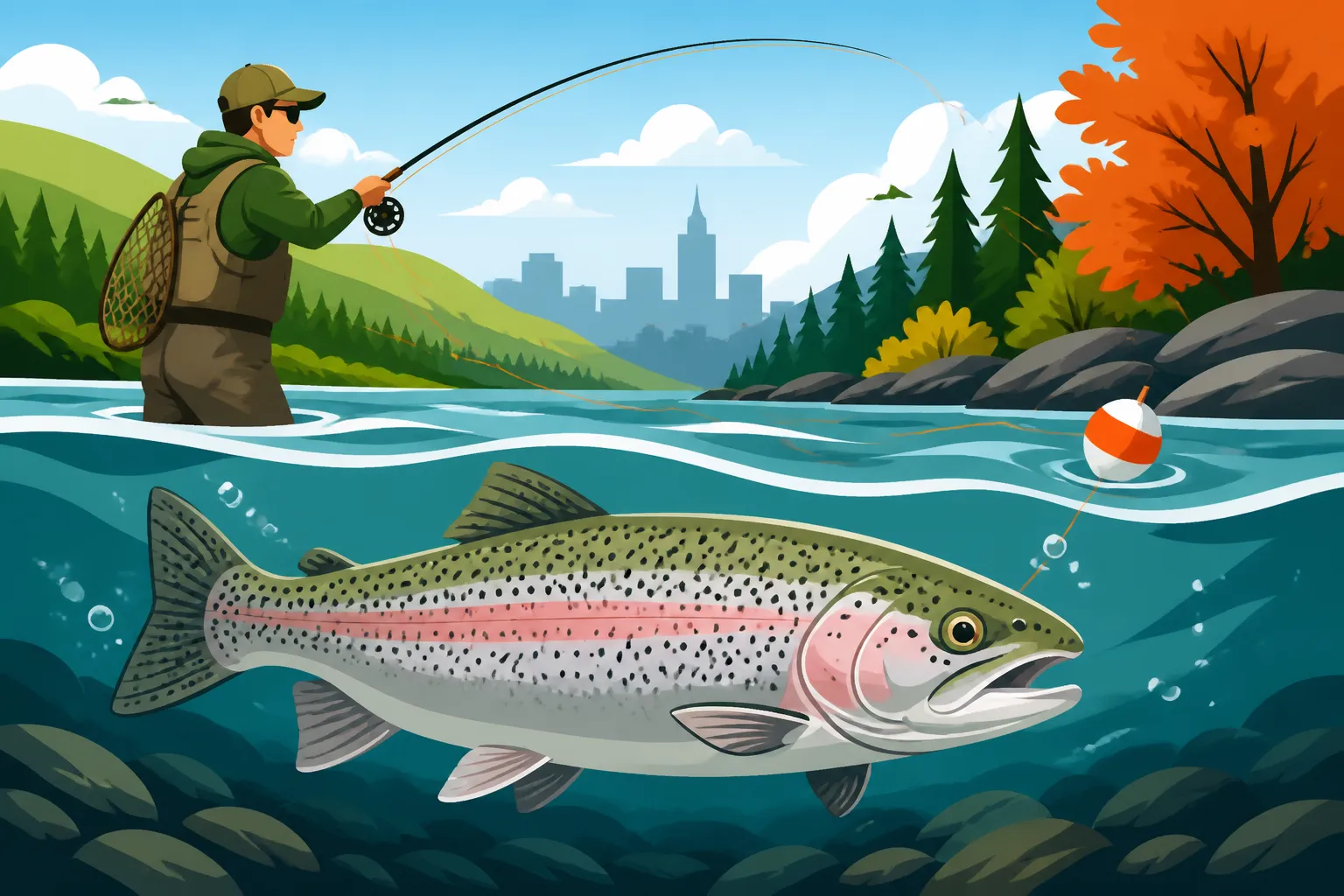
The terminal tackle – everything from your float down to your hook – is where the magic of a natural drift truly happens. A good float or strike indicator is paramount. Choose a buoyant float that can carry your weight and bait without submerging, but isn't so large that it creates excessive drag. Slip floats are popular as they allow you to fish varying depths by simply adjusting a bobber stop.
For weighting your rig, a series of small split shot, often called "pencil lead" or "slinky" weights, are commonly used. The idea is to distribute the weight evenly along your leader, tapering it from heaviest near the float to lightest near the hook. This creates a natural, slow fall that mimics dislodged food. Experiment with how much weight you use; you want just enough to get your bait down to the fish without dragging the bottom excessively or snagging constantly. You can find convenient assortments of split shot and other weighting options on Amazon, which can be a real time-saver.
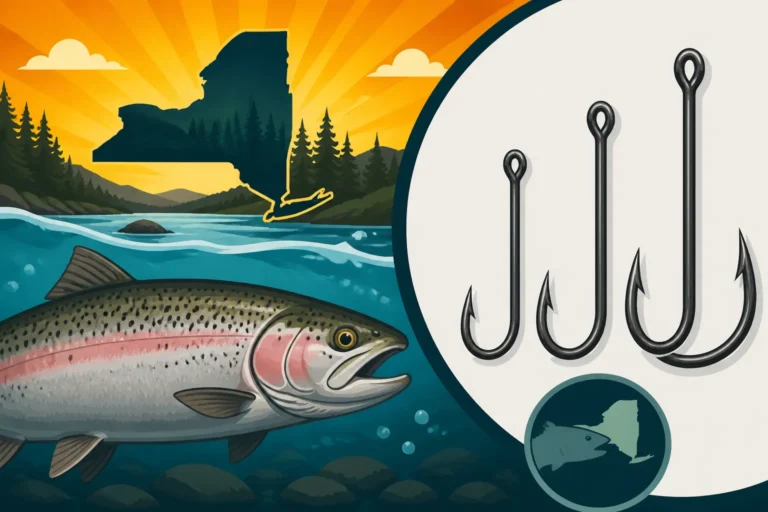
Finally, hooks are critical. Opt for sharp, strong, light-wire hooks in sizes ranging from #6 to #12, depending on your bait. Barbless hooks are often preferred or required for catch-and-release fishing, making it easier to unhook and release fish unharmed. Remember to check local regulations concerning hook types and numbers; our New York Freshwater Fishing Rules guide can provide specific details. A proper terminal setup ensures your bait tumbles through the water column in a lifelike manner, making it an irresistible target for a hungry steelhead.
| Terminal Tackle Component | Purpose | Key Characteristics |
|---|---|---|
| Float/Indicator | Detect strikes, control depth | Buoyant, visible, adjustable (slip vs fixed) |
| Split Shot/Weights | Get bait to depth, natural drift | Non-toxic, varied sizes, tapered distribution |
| Leader Line | Stealth, abrasion resistance | Fluorocarbon, 6-10 lb test, 2-4 feet long |
| Swivel (optional) | Prevent line twist | Small, high-quality barrel or SPRO swivel |
| Hooks | Secure fish, hold bait | Sharp, strong, light-wire, #6-#12, often barbless |
Mastering Drift Fishing Techniques for Steelhead
Drift fishing isn't just about throwing your line in the water; it's an intricate dance between you, your tackle, and the current. The goal is always to achieve a "drag-free" drift, meaning your bait or lure moves at the exact same speed as the surrounding current, just as a natural piece of food would. This takes practice, observation, and constant adjustment.
Reading the Water and Approaching the Drift
The first step to a successful drift is understanding the water in front of you. As mentioned earlier, identifying those prime holding lies is critical. Once you’ve located a promising run, seam, or pool, consider your approach. Steelhead are notoriously spooky, especially in clear water. Position yourself upstream and slightly to the side of where you expect the fish to be, minimizing your profile and casting shadow.
Your cast should be made slightly upstream and across the current, aiming to land your float and bait gently at the head of the drift. You want your rig to enter the water cleanly, without splashing, to avoid alerting the fish. As your float begins its journey downstream, immediately focus on line control. The goal is for your float to travel at the same speed as the water directly beneath it, not faster or slower. This initial read of the water and a precise cast set the stage for the crucial next step: mending.
Achieving a Perfect Drag-Free Presentation
The heart of drift fishing lies in the "drag-free" presentation. If your line is pulling your float faster or slower than the current it's in, steelhead will often ignore your offering. This is where line mending comes in. As your float drifts downstream, various currents and eddies can pull on your line, creating "drag." To counteract this, you lift your rod tip and flip a loop of slack line upstream, repositioning your line so it’s aligned with your float and the current. This momentary slack allows your float to continue its natural, unimpeded drift.
You'll often need to mend multiple times during a single drift, especially in complex currents. It's a continuous process of observing your float, feeling the current through your rod tip, and adjusting your line. Practice makes perfect here. A good drift starts upstream of a likely holding spot and continues well past it, giving the steelhead ample time to see and react to your bait. The longer and more natural your drift, the higher your chances of success. It truly takes time to master, but the payoff is a much higher hook-up rate.
Detecting Strikes and Setting the Hook
One of the most challenging, yet rewarding, aspects of drift fishing is strike detection. Unlike aggressive salmon strikes, a steelhead take can be incredibly subtle, especially in cold water. Your float might not plunge dramatically; instead, it might simply hesitate, twitch slightly, or even just slow down imperceptibly. Sometimes, it feels like a slight tick through the line in your hand. This is why a sensitive rod and a keen eye on your float are so important.
The moment you detect any anomaly in your float’s drift, assume it’s a fish and set the hook immediately. A sharp, firm upward sweep of the rod, rather than a hard jerk, is usually all it takes. Steelhead have tough mouths, so a good hook set ensures the hook penetrates properly. Don't hesitate or overthink it; a missed strike often means a missed fish. After the hook is set, be prepared for an explosive fight! These fish are known for their aerial acrobatics and powerful runs. Always be ready to adjust your drag and let the fish run when necessary, maintaining steady pressure. For more on handling your catch responsibly, refer to our Catch-and-Release Handling Rules.
Selecting the Right Bait and Lures for Drift Fishing
What you present to the steelhead can be just as important as how you present it. Steelhead diets vary depending on their stage in the migration and the availability of natural food sources in the river. Having a variety of options and knowing when to use them will increase your success.
Natural Baits: The Power of Scent and Realism
For many experienced steelhead anglers, natural baits are king, particularly when drift fishing. The most popular and arguably most effective natural bait is the egg sac, often called a "spawn bag." These are small mesh bags filled with cured salmon or trout eggs, mimicking the eggs that steelhead themselves or other spawning fish might drop in the river. The scent trail they release is incredibly attractive. Our guide on How to Fish Egg Sacs for Steelhead can walk you through making and rigging them.
Other natural baits include wax worms, skein (chunks of uncured salmon eggs), and even single cured eggs. The key to success with natural baits is presenting them on a small, sharp hook that’s barely noticeable, allowing the bait to drift freely and naturally. The scent, combined with the realistic appearance and movement, makes these irresistible. However, ensure that any bait you use is legal for the waters you're fishing, as some areas have restrictions on live bait or certain types of eggs.
Effective Artificials for Drift Fishing
While natural baits are often preferred, artificial lures can also be incredibly effective, especially in certain conditions or when you want to avoid bait restrictions. Small marabou jigs, often tipped with a maggot or piece of worm, are fantastic when drifted under a float. The marabou "breaths" in the water, creating a lifelike action that steelhead can't resist. Colors like chartreuse, white, black, or natural browns and olives work well.
Soft plastic beads are another popular artificial choice, especially in clearer water. These colorful beads (ranging from 6mm to 12mm) are threaded onto the leader, sitting just above the hook, mimicking a single fish egg. They come in a wide array of translucent and opaque colors, allowing you to match the natural egg colors of spawning fish in the river. Sometimes, even small, subtle artificial worms or nymphs can be drifted effectively, particularly when fish are pressured or the water is very clear. The versatility of artificials means you can carry a wide selection, easily changing colors or profiles to match the conditions. You can find excellent selections of jigs, beads, and soft plastics suitable for steelhead drift fishing at reputable sporting goods stores and through online retailers like Amazon.
Seasonal Considerations and Best Times for Drift Fishing Steelhead in New York
Steelhead fishing in New York is a year-round affair in some sense, but prime drift fishing opportunities largely revolve around their spawning migrations into rivers and tributaries. Understanding the seasonality will help you target your efforts more effectively.
Fall, Winter, and Spring Steelhead Runs
The fall is when the first wave of steelhead, often called "early run" or "staging" fish, begin to enter the tributaries. These fish are generally aggressive and can be found in a variety of water types, from the deeper pools near the lake to the initial runs further upstream. They're still carrying a lot of the fight from the open lake and are often eager to hit a well-presented drift. As the water cools, their metabolism slows down, but they remain opportunistic feeders.
Winter fishing can be challenging but incredibly rewarding. Steelhead tend to hold in deeper, slower pools during the coldest months, conserving energy. Your drifts need to be slower, more deliberate, and presented right on their nose. Sometimes, they'll only move a few inches to strike, so precision is paramount. Look for areas with stable water temperatures, often deeper pockets that are less affected by fluctuating air temperatures. Our guide on Best Time to Fish for Steelhead on New York's Lake Ontario Tributaries dives deeper into these seasonal nuances.
Spring is often considered the peak of the steelhead season. As water temperatures rise, fish become more active, and spawning activity ramps up. You'll find a mix of fresh-run fish, spawning fish, and "dropbacks" – fish that have already spawned and are heading back to the lake, often ravenously feeding to regain energy. The sheer numbers of fish and their increased activity make spring an excellent time for drift fishing. Knowing when the "spring push" of fish truly begins can significantly impact your success, so keeping an eye on river conditions and reports is key.
Adapting to Different River Conditions
New York's steelhead rivers can change dramatically with weather, rainfall, and snowmelt. Successful drift fishing means constantly adapting to these varying conditions.
- Clear Water: In clear, low-flow conditions, stealth is crucial. Use longer, lighter fluorocarbon leaders (e.g., 6lb test), smaller baits or beads, and make extra long casts to avoid spooking fish. Your movements on the bank should be minimal. Often, natural or subtle artificial colors (tans, browns, clear beads) work best.
- Stained or High Water: When rivers are stained or flowing high after rain, steelhead often move into the slower water along the banks and in eddies. This is when scent becomes even more important, making egg sacs or heavily scented artificials highly effective. You might also increase your leader strength (up to 10lb test) and use slightly larger, brighter baits (chartreuse, orange, pink) to improve visibility. You may also need more weight to get your bait down through the stronger currents.
- Cold Water: In very cold water, steelhead are lethargic. Slow down your drift, ensure your bait is presented right on the bottom, and be prepared for incredibly subtle bites. Focus on deeper, slower holding water.
- Rising or Falling Water: Rising water can be tough as fish are on the move and conditions are unstable. Falling and clearing water, however, can be excellent, as fish settle into predictable lies and often feed aggressively.
Understanding how these changes impact fish location and willingness to bite is a lifelong learning process, but a crucial one for any serious steelhead angler.
Common Challenges and Troubleshooting in Steelhead Drift Fishing
Even the most seasoned steelhead anglers face challenges. Drift fishing, while effective, can be frustrating when things aren't going right. Knowing how to identify problems and make quick adjustments on the water is a skill that comes with experience, but we can certainly give you a head start.
Overcoming Common Drifting Obstacles
One of the most frequent frustrations in drift fishing is snagging. If you're constantly getting hung up on the bottom, it's a clear sign you're either using too much weight, fishing in an area with too much bottom structure for your current setup, or your drift isn't natural enough. Try reducing your weight slightly, or adjusting its distribution on the leader. You might also need to shorten your leader slightly if your bait is constantly digging into the bottom. Sometimes, simply changing your casting angle or moving a few feet upstream or downstream can make a huge difference in avoiding snags.
Another common issue is line twist, especially when using spinning gear with certain baits or lures. If your line starts to coil and knot, it can impede your drift and make bite detection difficult. To combat this, periodically open your bail and let your line flow out freely in the current to untwist. Using a high-quality swivel between your mainline and leader can also help minimize twist. If you find your float is continually getting stuck or not drifting smoothly, consider if you're using the right size and buoyancy float for your current and weight setup.
Fine-Tuning Your Rig for Success
If you're getting no bites, or repeatedly missing subtle strikes, it's time to troubleshoot your rig. First, check your leader. Is it too heavy or too short for the conditions? In clear water, a lighter, longer fluorocarbon leader (3-4 feet or more) can be crucial for stealth. If you're using too heavy a line, you're creating drag that's putting fish off. Secondly, re-evaluate your weighting. Are you getting your bait down to the fish? If your float is cruising too fast over a deep pool, you might need more weight. Conversely, if your bait is dragging excessively, lighten up. The perfect amount of weight allows your bait to tick the bottom occasionally without getting snagged.
Lastly, consider your bait or lure. Is the color appropriate for the water clarity? Is your egg sac tied correctly and releasing scent? Are your beads the right size and color to mimic what the fish are seeing naturally? Don't be afraid to experiment. If one color isn't working, try another. If natural bait isn't producing, try an artificial bead or a jig. Sometimes, even the smallest change, like moving your weight a few inches up or down your leader, can make all the difference between a frustrating outing and a successful day on the water. Remember, every river, every run, and every day is different, so constant observation and adjustment are key to unlocking the secrets of drift fishing for New York steelhead. Also, make sure you have your New York Fishing License Guide in order before hitting the water!
Disclaimer
Fishing regulations, seasons, and licensing requirements in New York State can change frequently. While we strive to provide accurate and up-to-date information, it is always your responsibility to consult the official New York State Department of Environmental Conservation (DEC) regulations guide before heading out on the water. This guide is for informational purposes only and should not be considered a substitute for official DEC publications.