How to Fly Fish the Ausable River
The Ausable River, carving its way through the majestic Adirondacks, presents a unique and often formidable challenge to fly anglers. Many find themselves bewildered by its diverse sections, varying conditions, and the notoriously selective trout that call its pristine waters home. This guide aims to demystify fly fishing the Ausable, providing you with the knowledge and strategies to confidently approach this iconic New York trout stream, from understanding its distinct sections to mastering the techniques that bring success.
Unlocking the Magic of the Ausable River for Fly Fishing
The Ausable River isn't just a river; it's a legendary fishery, a place of pilgrimage for fly anglers across the Northeast. Its cold, clear waters, fed by the high peaks of the Adirondacks, hold a reputation for producing strong, wild trout, including brook trout, brown trout, and rainbow trout. But don't let its fame fool you into thinking it's an easy win. This river demands respect, patience, and a nuanced approach.
It's a place where you can find solitude amidst stunning natural beauty, but also where the trout can be incredibly selective, making you feel like you're casting to ghosts. The river's character changes dramatically from its headwaters high in the mountains to where it empties into Lake Champlain, offering a vast array of fishing experiences. Understanding these different personalities is key to unlocking its secrets and making your time on the water truly rewarding.
A River Steeped in History and Challenge
The Ausable's fly fishing legacy runs deep, intertwined with the history of the sport itself in the United States. For generations, anglers have sought its challenging waters, honing their skills against its wily trout. The river's cold, oxygen-rich environment creates ideal conditions for robust trout populations, but it also fosters a keen sense of survival in the fish, making them wary of anything that doesn't look perfectly natural. This inherent challenge is precisely what draws so many to its banks.
You'll hear stories from seasoned veterans about epic battles with large brown trout, or the elusive beauty of a native brook trout rising to a perfectly presented dry fly. It's a river that teaches you humility, forcing you to pay attention to every detail, from your approach and cast to your fly choice and drift. The rewards, however, are immense, not just in the fish caught, but in the lessons learned and the indelible memories forged against the backdrop of the Adirondack wilderness. For a broader understanding of how to approach similar waters, consider our guide on How to Fly Fish in New York.
Upper vs. Lower Ausable: Understanding the Distinct Personalities
To truly conquer the Ausable, you need to recognize that it's not one river, but several, each with its own characteristics and best fishing practices. Generally, anglers divide it into the Upper and Lower Ausable, though even within these designations, there are further nuances.
The Upper Ausable River, often considered the "jewel" by many, originates high in the Adirondacks, flowing through more remote, wild terrain. This section is characterized by its boulder-strewn pocket water, swift currents, and dense riparian vegetation. It's generally colder, more challenging to wade, and holds a higher proportion of native brook trout, alongside wild brown and rainbow trout. Fishing here demands precise casting, stealth, and a willingness to hike and scramble. The fish tend to be smaller on average but are incredibly feisty and beautiful. You'll find yourself needing to read the water expertly, looking for seams, eddies, and plunge pools where trout lie in wait.
The Lower Ausable River, particularly below Ausable Forks, transforms into a wider, more meandering river with a mix of riffles, runs, and deeper pools. While still scenic, it becomes more accessible and, in some sections, influenced by agricultural runoff, though efforts are continuously made to maintain its health. This section is known for larger brown trout, and can offer excellent dry fly opportunities during hatches. It's often easier to wade and fish, but the trout can still be incredibly discerning. Understanding the different species you might encounter is crucial, and our comprehensive A Guide to New York's Trout Species can provide valuable insights.
Essential Gear and Techniques for Ausable Trout
Success on the Ausable River isn't just about showing up with a rod; it's about having the right tools and knowing how to use them with finesse. The river's diverse conditions demand a versatile approach, from delicate dry fly presentations to powerful nymphing techniques. Being prepared with the correct gear and understanding fundamental fly fishing strategies will significantly increase your chances of connecting with an Ausable trout.
Rod, Reel, and Line: Matching Your Setup to the Water
For most fly fishing on the Ausable, a versatile setup is key. A 9-foot, 5-weight fly rod is often considered the workhorse for New York trout streams, offering a good balance of power for casting larger flies or battling bigger fish, and delicacy for presenting smaller patterns. However, many anglers will also opt for a 9-foot, 4-weight rod, especially when focusing on dry flies and smaller stream sections, where a more delicate presentation is paramount. When in doubt about what's best for you, take a look at our guide on Best Rod Weight for New York Trout Streams.
Your reel should be a reliable match for your rod, with a smooth drag system. While Ausable trout aren't typically "reel screamers" like salmon, having a good drag is essential for cushioning runs and preventing break-offs, especially when dealing with the strong currents. Load your reel with a good quality weight-forward floating line that matches your rod's weight. Many anglers carry an extra spool with a sink-tip line for specific nymphing or streamer situations, particularly in deeper pools or faster currents, which you can easily find on sites like Amazon. As for leaders and tippets, a 9-foot tapered leader ending in 4x or 5x tippet is a good starting point, but always be prepared to go lighter (6x or 7x) when fish are spooky or water is exceptionally clear and low.
Fly Selection: What the Trout Are Eating
Matching the hatch is a time-honored tradition on the Ausable, but it's not the only strategy. A diverse fly box is a must. Your selection should include:
- Dry Flies: Caddis patterns (like Elk Hair Caddis or X-Caddis) are essential, especially in the evenings. Mayfly imitations (like Adams, Hendrickson, Sulphur, or BWO patterns) are critical when specific hatches are occurring. Don't forget terrestrials like grasshoppers, ants, and beetles for summer fishing, particularly along grassy banks. For some excellent patterns, even if they mention another region, our article on Best Dry Fly Patterns for Catskills Trout offers great insights that can be adapted.
- Nymphs: This is often where the most consistent action lies. Favorites include Pheasant Tail Nymphs, Hare's Ear Nymphs, Copper Johns, Prince Nymphs, and various stonefly imitations. Keep a range of sizes and weights to adjust to water depth and current speed. Learning How to Nymph Fish for Trout effectively is a game-changer on this river.
- Streamers: For aggressive brown trout, especially during high water or overcast days, streamers can be incredibly effective. Woolly Buggers (black, olive, brown), Zonkers, and small baitfish imitations are excellent choices. Strip them through deeper pools or swing them through riffles to entice a strike.
It's always a good idea to check local fly shop reports or chat with experienced anglers to get current information on what flies are working best. The trout's diet can shift rapidly based on hatches, water temperatures, and time of year.
Master the Cast: Presentation is Everything
On the Ausable, simply getting your fly to the water isn't enough; how it lands and how it drifts makes all the difference. Trout here are highly sensitive to drag and unnatural presentations.
- Accuracy: You'll often be targeting small pockets, seams behind boulders, or specific feeding lanes. A precise cast that lands your fly gently and accurately is crucial. Practice your roll casts, reach casts, and S-casts to mend your line effectively and achieve a drag-free drift.
- Stealth: The Ausable's clear waters mean trout can see you long before you see them. Approach the river cautiously, stay low, and minimize false casts. Often, the first cast is your best chance.
- Reading the Water: Learn to identify where trout are likely to hold: behind current breaks, in the slower water adjacent to fast currents, under undercut banks, and in the tail-outs of pools. Our guide on How to Trout Fish in New York covers many of these fundamental skills that apply universally. Understanding where the food congregates will lead you to where the fish are.
Navigating the Ausable's Seasons and Conditions
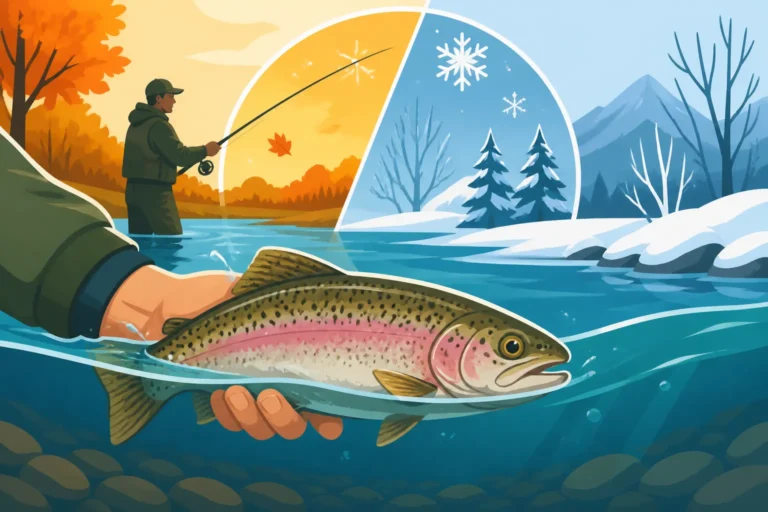
The Ausable River is a dynamic system, constantly changing with the seasons and weather patterns. What works in April might be completely ineffective in August. Understanding these seasonal shifts and adapting your strategies accordingly is paramount to consistent success on this challenging waterway. Each season offers unique opportunities and demands different tactics from the observant angler.
Spring Runoff and Early Season Strategies
Spring on the Ausable can be a tale of two rivers. Early spring, when the snowmelt begins, often brings high, cold, and often turbid water. This period, typically around April 1st (When Does Trout Season Open in New York?), can be challenging but also incredibly rewarding. Larger trout are often active, feeding on the increased invertebrate drift.
During high water, focus on slower pockets, eddies, and the soft seams along the banks where fish can escape the powerful main current. Nymphing with heavier stonefly patterns, large Caddis imitations, or attractor nymphs like the San Juan Worm can be highly effective. Weight your flies appropriately with split shot to get them down quickly, and use strike indicators to detect subtle takes. Streamers, retrieved slowly along current breaks, can also entice aggressive strikes from hungry brown trout. As the runoff subsides and water temperatures begin to rise slightly, midges and early season caddis hatches might start to occur, opening up opportunities for emerger and small dry fly presentations in the calmer sections.
Summer's Challenge: Low Water and Finicky Fish
Summer on the Ausable, particularly from July through early September, often brings lower water levels and warmer temperatures, especially in the more exposed sections. This can make the trout incredibly wary and challenging to catch. The fish become highly selective, feeding opportunistically and often preferring terrestrial insects falling into the water.
During this period, stealth and delicate presentation are more critical than ever. Fish early in the morning or late in the evening when water temperatures are cooler and insect activity is higher. Terrestrial patterns like ants, beetles, and grasshoppers fished tight to the banks can be deadly. When targeting deeper pools, small, subtle nymphs fished on light tippet (5x-7x) might coax a strike. Look for shaded areas, deep runs, and oxygenated riffles where trout will seek refuge. Always carry a thermometer and avoid fishing if water temperatures are consistently above 68 degrees Fahrenheit, as it can stress the fish. Catch-and-release practices are especially important during warmer months to protect the fishery. You can find essential gear for checking water temperature or organizing your small flies conveniently on Amazon.
Fall's Bounty: Cooler Waters and Active Trout
As autumn arrives, the Ausable undergoes another beautiful transformation. Cooler air temperatures bring down water temperatures, invigorating the trout and often sparking a feeding frenzy. This is arguably one of the most productive and visually stunning times to fly fish the river, especially for those targeting larger brown trout.
Fall hatches of Blue-Winged Olives (BWOs) and Caddis can provide fantastic dry fly action, sometimes lasting for hours. Streamer fishing also becomes highly effective as larger brown trout become more aggressive, preparing for their spawning season. Swinging or stripping baitfish imitations through deep runs and pools can lead to some truly memorable encounters. This is also when the salmonid species that run up from Lake Champlain might begin to make their presence felt in the lower reaches, though specific regulations apply. The period leading up to New York Catch-and-Release Trout Season Runs October 16 Through March 31 can be particularly productive and beautiful, with vibrant fall foliage enhancing the experience. Always check the New York Freshwater Fishing Rules for specific species and sections.
Access, Ethics, and Conservation on the Ausable
The privilege of fly fishing the Ausable River comes with responsibilities. To ensure that this incredible resource remains healthy and productive for future generations, anglers must understand and adhere to access rules, practice ethical angling, and actively participate in conservation efforts. Your actions on the water have a direct impact on the river's ecosystem and the quality of the fishing experience for everyone.
Public Access Points and Wade Fishing Opportunities
Access to the Ausable River varies along its extensive length. Many sections of the Upper Ausable are managed by various private clubs or large landholdings, limiting public access. However, there are significant stretches of public fishing rights (PFR) that are clearly marked, especially in the middle and lower sections of the river. These PFR access points often include designated parking areas and footpaths leading to the river.
It's crucial to always respect private property boundaries and only access the river where public easements are clearly established. Local fly shops are excellent resources for up-to-date information on access points, parking, and any temporary closures. Wade fishing is the predominant method on the Ausable, given its rocky bottom and varied depths. Always use caution when wading, especially in swift currents or after heavy rains when water levels are high. Felt-soled or rubber-soled wading boots with studs provide the best traction. Consider a sturdy wading staff, which can be purchased from an outdoor retailer or on Amazon, for added stability, particularly when navigating the boulder-strewn sections of the Upper Ausable.
Practicing Responsible Catch-and-Release
The Ausable River, like many world-class trout streams, thrives on a strong ethic of catch-and-release, especially for its wild and native trout populations. While specific regulations exist regarding harvest, many anglers choose to release all wild trout to protect the breeding stock and ensure a healthy future for the fishery.
When practicing catch-and-release, handling fish gently and efficiently is paramount. Minimize the time the fish is out of the water; a quick photo is fine, but prioritize getting the fish back into its environment quickly. Use a rubber net to protect their slime coat and fins. Wet your hands before touching the fish to avoid removing its protective layer. Remove hooks carefully, using forceps or pliers, and consider fishing with barbless hooks, which makes hook removal much easier and less damaging. If a fish is deeply hooked, it's often best to cut the line as close to the hook as possible rather than attempting to force the hook out. Revive tired fish by holding them gently facing into the current until they swim away under their own power.
Protecting the Ausable's Future
Conservation is not just about catch-and-release; it encompasses a broader commitment to protecting the entire river ecosystem. Litter, bank erosion, and water pollution are constant threats to any waterway.
Always pack out everything you pack in, and perhaps even a little more. Participate in or support local conservation groups, such as the Ausable River Association, who work tirelessly to monitor water quality, restore habitats, and advocate for responsible land use. Educate yourself on invasive species and take precautions to prevent their spread by cleaning your wading gear and boats between different waterways. By being a thoughtful steward, you contribute to the long-term health and vitality of the Ausable River, ensuring that its legendary waters continue to inspire and challenge fly anglers for generations to come. Many local fly shops also actively support these efforts, and purchasing your gear there, or from reputable online sources, helps support the local fishing economy that often funds these initiatives.
Disclaimer
This article is for general informational purposes only and does not constitute professional advice. Laws, prices and regulations vary by location and change over time. Consult a qualified professional for guidance on your specific situation.