Best Time of Year to Fish New York’s Finger Lakes
Oh, the Finger Lakes! If you've ever stood on the shore of Seneca or Skaneateles, gazing out at those impossibly deep, clear waters, you know there's something truly special about fishing here. But let's be honest, figuring out the absolute best time to drop a line can feel like trying to solve a puzzle. Each season, each month, even each week can bring a totally different experience, leaving many anglers wondering when their chances for that trophy catch are truly at their peak. Well, you're in the right place, because this guide is all about breaking down the Finger Lakes fishing calendar, helping you pinpoint exactly when and where to find your preferred finned friends.
Understanding the Finger Lakes: A Unique Ecosystem
Before we dive into the nitty-gritty of seasonal opportunities, it’s important to appreciate what makes the Finger Lakes so special. These are not your average ponds or shallow reservoirs. They are glacially carved, deep, and often pristine bodies of water, each with its own quirks and personalities. This unique geology and hydrology directly impacts fish behavior throughout the year, from temperature stratification to nutrient distribution, all of which influences when and where fish choose to bite.
Diverse Fish Species Across the Lakes
One of the most exciting aspects of fishing the Finger Lakes is the sheer diversity of species available. While some lakes might be renowned for particular fish, you can generally find a mix of cold-water and warm-water species across the region. Take Lake Cayuga, for example, which is famous for its tremendous lake trout, but also boasts impressive populations of bass and panfish. Then there's Keuka Lake, a haven for smallmouth bass anglers, and Seneca Lake, another incredible spot for various trout and salmon.
You'll find hearty populations of lake trout, brown trout, and rainbow trout, alongside robust landlocked Atlantic salmon. For those who prefer a more aggressive fight, largemouth and smallmouth bass are abundant, especially in the shallower bays and around structure. And let's not forget the panfish like yellow perch, bluegill, and crappie, which offer consistent action and are often a fantastic way to introduce new anglers to the sport. The sheer variety means that even if one species is having an off-day, another might be ready to bite! Knowing which Fish Species Found in the Finger Lakes inhabit each body of water is a huge advantage.
Depth and Temperature Stratification
The extreme depths of the Finger Lakes play a critical role in fish behavior, particularly as the seasons change. During the warmer months, these deep lakes experience a phenomenon called thermal stratification. Essentially, the water forms distinct layers: a warm surface layer (epilimnion), a rapidly cooling middle layer (thermocline), and a cold, deep bottom layer (hypolimnion). This stratification dictates where different fish species will hold. Cold-water species like lake trout and salmon will retreat to the deeper, cooler waters below the thermocline, seeking their preferred temperatures. Warm-water species, such as bass and panfish, will generally remain in the upper, warmer layers, often near structure or weed beds.
As the air temperature drops in the fall, the surface water cools, eventually becoming dense enough to sink, causing the lake to "turn over." This process mixes the water layers, distributing oxygen and nutrients more evenly and often sending cold-water species scattering throughout the water column. Understanding this annual cycle of stratification and turnover is key to successfully targeting fish, whether you're fishing deep for salmon or casting shallow for bass. This is crucial for understanding How to Fish Cold Water in New York.
Spring Fishing on the Finger Lakes: Awakening Waters
Spring on the Finger Lakes is a time of renewal, not just for nature, but for eager anglers shaking off the winter chill. The melting snow and ice bring fresh water, rising temperatures, and hungry fish that are becoming more active after a long, cold season. It's a fantastic time to be on the water, offering some of the year's most accessible and exciting fishing.
Early Spring Opportunities March-April
As the last vestiges of ice disappear and the water temperatures begin to creep up, usually in March and into April, early spring offers prime opportunities, especially for trout and salmon. Lake trout, brown trout, and landlocked Atlantic salmon, which have spent the winter in deeper waters, begin to move into shallower areas, congregating near shorelines, stream mouths, and points where they can find warmer water and emerging food sources. These fish are often quite aggressive as they prepare for their spawning rituals or simply feed heavily after the lean winter months. Trolling small spoons or stickbaits close to shore, casting spoons or spinners from docks and accessible points, or even still-fishing with bait can be highly effective.
Many anglers find success targeting tributaries and their immediate outflows, as these areas often warm up first and attract hungry fish. Additionally, some of the smaller, shallower Finger Lakes, or the shallower bays within the larger ones, will warm faster, offering earlier opportunities for species like northern pike and perch. Just remember to check the specific New York Fishing Season Dates and Catch Limits, as some species might still be closed or have special regulations during this time.
Late Spring into Early Summer May-June
As spring transitions into early summer, typically through May and June, the Finger Lakes truly come alive. Water temperatures continue to rise, and the fishing opportunities expand dramatically. This period is a prime time for both cold-water and warm-water species. Bass, especially smallmouth, become incredibly active. The pre-spawn and spawn phases for bass bring them into very shallow waters, making them accessible to shore anglers and those fishing from smaller boats. Targeting rocky points, submerged timber, and weed edges with jerkbaits, jigs, or soft plastics can lead to some exhilarating fights.
For trout and salmon, while some may begin to move a bit deeper, many remain catchable in the upper water column, especially during cooler mornings and evenings. This is also when panfish populations truly explode. Yellow perch, bluegill, and crappie are often schooling in large numbers in shallow, warmer areas, making them an excellent target for families or those looking for consistent action. Light tackle, small jigs, and live bait like worms or minnows can lead to countless bites. Many anglers also find this an ideal time to explore fly fishing opportunities, as insect hatches become more prevalent. If you're wondering which is the Best Finger Lake for Trout Fishing or Best Finger Lake for Bass Fishing during this period, it's worth doing a little research, as each lake can have its sweet spots.
Summer Fishing on the Finger Lakes: Deep Water Strategies and Warm Water Bites
Summer fishing on the Finger Lakes can present a unique set of challenges and rewards. While the warm weather is perfect for enjoying the beautiful scenery, the sun-drenched surface waters and deeper thermal stratification mean anglers often need to adjust their tactics. It’s a time for adapting to fish behavior and leveraging specific techniques to find success.
Mid-Summer Challenges and Solutions July-August
By mid-summer, typically July and August, the larger Finger Lakes like Seneca, Cayuga, and Skaneateles are fully stratified. The surface water can be quite warm, driving cold-water species like lake trout and salmon down into the deeper, cooler layers below the thermocline. This means that successful angling for these species often requires specialized techniques like downrigging or lead core trolling to present lures at specific depths. You'll need to use your fish finder to locate the thermocline and target fish holding in those cooler bands. Knowing How to Fish Deep Water Lake Trout in Summer on New York's Finger Lakes is essential.
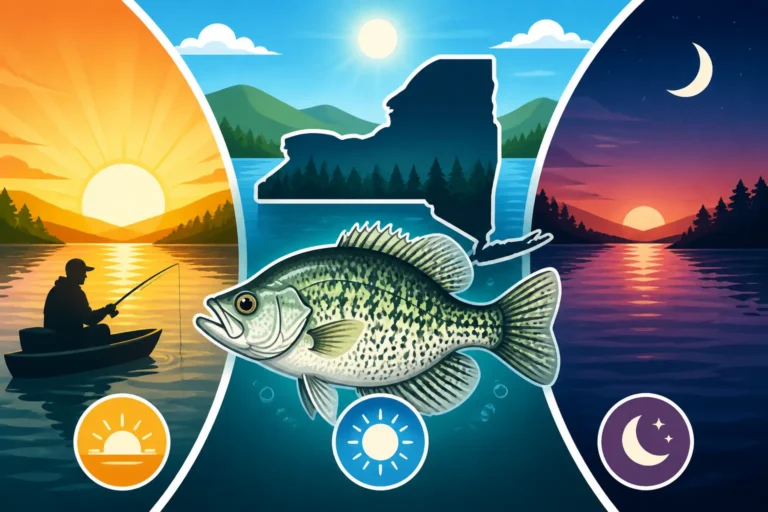
For bass and other warm-water species, the heat of the day can make them sluggish. The best action often occurs during the cooler parts of the day – early mornings, late evenings, and even into the night. Look for bass to retreat to deeper weed lines, shaded areas under docks, or around submerged structure during peak sun hours. Topwater lures can be incredibly exciting at dawn and dusk, while Texas-rigged worms or jigs can probe the deeper cover during the day. Remember, fish are cold-blooded, so their metabolism slows in extreme heat, making them less inclined to chase a meal. A slower retrieve or more subtle presentation can often entice a bite when others are struggling. Investing in a good cooler to keep your catch fresh, easily found on a platform like Amazon, is a smart move for summer fishing.
Prime Panfish Action
While some species might require more effort during the dog days of summer, panfish often remain a consistent and rewarding target. Species like yellow perch, bluegill, and crappie are typically abundant in the shallower, warmer sections of the lakes, especially in bays, around docks, and near weed beds. They can be a fantastic option for families or novice anglers, as they often bite readily and provide plenty of action.
Simple techniques with light tackle are usually all you need. A small hook, a bobber, and some worms, minnows, or small jigs are often irresistible to a hungry school of panfish. Focus on areas with cover, as these fish use vegetation and structure for both ambush points and protection from predators. Early mornings and late evenings can be particularly productive, but panfish often remain active throughout the day, especially if you can find some shaded areas. These consistent bites make summer panfishing a perennial favorite, providing a relaxing and productive way to enjoy the beautiful Finger Lakes. You might even find some excellent deals on basic panfishing gear on Amazon.
Fall Fishing on the Finger Lakes: Trophy Time
If there's one season that truly stands out for exciting and often trophy-level fishing on the Finger Lakes, it's fall. As the leaves begin to turn and the air gets a crisp bite, the lakes undergo a dramatic transformation that kicks fish activity into high gear. This is a season of abundance, aggressive feeding, and some of the most memorable angling experiences.
The Autumn Turnover and Feeding Frenzy September-October
As temperatures drop through September and October, the Finger Lakes experience their annual "fall turnover." This crucial event happens when the surface water cools to the same temperature as the deeper water, causing the entire water column to mix. This mixing brings nutrient-rich, oxygenated water from the bottom to the top, and vice-versa, essentially rejuvenating the entire lake. Fish, no longer confined by distinct thermal layers, can be found throughout the water column and often go on a massive feeding spree. They sense the impending winter and instinctively bulk up, making them incredibly aggressive and willing to chase a meal.
This is prime time for big lake trout, brown trout, and landlocked Atlantic salmon. They move into shallower waters, particularly around tributaries, points, and shoals, as they prepare for their fall spawning runs. Trolling becomes highly effective, often without the need for deep-diving gear, as fish are more spread out horizontally and vertically. Casting spoons and stickbaits from shore or boat can also yield phenomenal results, especially in areas where these fish congregate. It's also an excellent period for bass fishing, as both largemouth and smallmouth are actively feeding to put on weight before winter. They'll readily hit a variety of lures, from crankbaits to jigs, as they school up in predictable patterns. Make sure you're up-to-date on New York Freshwater Fishing Rules, as regulations can change with the seasons.
Late Fall Opportunities November-Early December
Even as November arrives and the threat of freezing temperatures looms, the Finger Lakes continue to offer fantastic fishing, particularly for cold-water species. While the peak of the fall feeding frenzy might have passed, fish are still actively foraging. Lake trout, in particular, remain very catchable, often holding near structures or in areas where baitfish are abundant. Trolling or jigging in deeper water can still be productive.
This late-fall period is also an exciting time for those targeting steelhead and brown trout making their way into tributaries for their spawning runs or simply staging near stream mouths. These powerful fish offer incredible fights in cold, clear water. Look for them in deeper pools and runs within the tributaries, or along the lake shores adjacent to these inflow points. Fly fishing can be exceptional during this time, and using natural baits like egg sacs can also be highly effective. The key is to bundle up, as the weather can be quite chilly, but the rewards of battling a large, feisty trout or salmon in the crisp autumn air are absolutely worth it. A quality, insulated fishing jacket available on Amazon can make all the difference.
Winter Fishing on the Finger Lakes: Ice Angling Adventures
When the bitter cold descends and transforms the Finger Lakes into vast expanses of ice, a whole new world of angling opens up. Ice fishing is a time-honored tradition in New York, offering a unique and often peaceful way to connect with the water, albeit in a much colder form. But don't let the stillness fool you; beneath the ice, fish are still active, and with the right approach, you can have incredible success.
Safe Ice and First Ice Action Late December-January
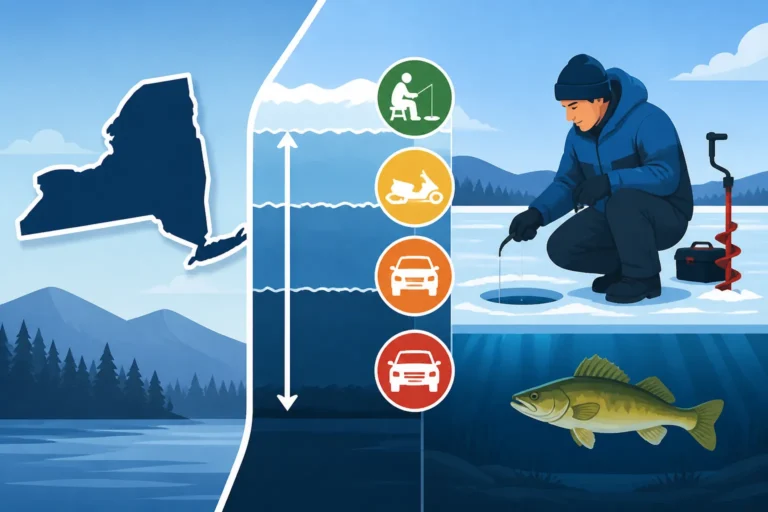
The earliest part of the ice fishing season, typically late December through January, is often referred to as "first ice," and it can be some of the most productive fishing of the entire winter. As soon as safe ice conditions are established – and safety is always paramount, so be sure to check ice thickness thoroughly – fish are often still very active and feeding aggressively before the long, dark days of mid-winter set in. Species like yellow perch, bluegill, and even walleye are often found in relatively shallower waters during this period, making them more accessible.
Many anglers target weed edges, submerged humps, and points where baitfish might be congregating. Small jigs tipped with bait, or even aggressive jigging spoons, can elicit strong strikes. This is also a fantastic time for lake trout on some of the deeper Finger Lakes, as they might still be patrolling shallower structures before settling into their deeper winter patterns. Remember, conditions can change rapidly, so always prioritize safety, go with a buddy, and check local ice reports. For a more in-depth look at this frosty pursuit, check out our guide on Ice Fishing in New York: A Complete Guide.
Mid-Winter Strategies February-March
As winter deepens through February and into March, and the ice cover becomes thick and consistent, the fishing can sometimes slow down. Fish metabolism decreases in the colder water, and they often become more lethargic and less willing to chase. This is when strategic thinking and patience really pay off. Mid-winter ice fishing often means targeting deeper structure, focusing on drop-offs, underwater points, and humps where fish might be holding in more stable conditions.
Lake trout, in particular, will often be found in their classic deep-water haunts, requiring specialized jigging spoons or dead bait presentations near the bottom. Perch and crappie might school up in tight groups over deeper flats or near sunken brush piles, and a sensitive rod with a small jig and tiny bait can be incredibly effective. Walleye can still be caught, often during low light hours, by jigging spoons or using tip-ups with live minnows near structure. It's a fantastic time to use an ice fishing flasher or fish finder to locate schools of fish and monitor their reactions to your lures. Don't forget, bundling up is key! High-quality ice fishing apparel can be found on Amazon to keep you warm and comfortable during long hours on the hard water.
Finger Lakes Fishing: Species & Seasonal Opportunities at a Glance
To help you visualize the best times for different species, here's a handy table summarizing the prime seasons. Keep in mind that "prime" doesn't mean "only" – you can often catch these fish outside these windows with effort!
| Species | Early Spring (Mar-Apr) | Late Spring (May-Jun) | Mid-Summer (Jul-Aug) | Fall (Sept-Oct) | Late Fall (Nov-Dec) | Winter (Ice) |
|---|---|---|---|---|---|---|
| Lake Trout | Excellent | Good | Good (Deep) | Excellent | Excellent | Good |
| Brown Trout | Excellent | Good | Fair (Deep) | Excellent | Excellent | Fair |
| Rainbow Trout | Excellent | Good | Fair | Good | Good | Fair |
| Landlocked Salmon | Excellent | Good | Good (Deep) | Excellent | Good | Fair |
| Largemouth Bass | Good | Excellent | Good (Early/Late) | Excellent | Good | N/A (Closed/Slow) |
| Smallmouth Bass | Good | Excellent | Good (Early/Late) | Excellent | Good | N/A (Closed/Slow) |
| Walleye | Good | Good | Good (Low Light) | Excellent | Good | Good |
| Yellow Perch | Excellent | Excellent | Excellent | Excellent | Good | Excellent |
| Bluegill/Sunfish | Good | Excellent | Excellent | Excellent | Good | Good |
| Crappie | Good | Excellent | Good | Excellent | Good | Good |
Choosing the best time to fish the Finger Lakes really depends on what you're hoping to catch and what kind of fishing experience you're after. Each season truly offers something unique, from the vibrant awakening of spring to the peaceful solitude of winter ice fishing. Whether you're chasing trophy salmon in the fall or enjoying a relaxing day of panfishing with the family in summer, the Finger Lakes are a truly spectacular destination. Just remember to always consult the latest New York Fishing Regulations Explained before you head out, and consider booking with one of New York's Finger Lakes Fishing Guides if you want some local expertise to maximize your chances. Tight lines!
Disclaimer
This article is for general informational purposes only and does not constitute professional advice. Laws, prices and regulations vary by location and change over time. Consult a qualified professional for guidance on your specific situation.