New York State Record Channel Catfish Weight
Oh, the thrill of chasing a state record! There's a special kind of magic in knowing that somewhere out there, lurking beneath the waters of New York, is a fish so magnificent it could etch your name into the history books. For many of us, the channel catfish isn't just another fish; it's a testament to patience, skill, and the sheer power of nature. We've all heard whispers of monstrous catfish, but what does it really take to land a record-breaker in our home state, and what is that legendary weight? This guide dives deep into the realm of the New York State record channel catfish, what makes these whiskered beauties so special, and how you might just catch the next one.
Unveiling New York's Record-Breaking Channel Catfish
There’s a certain respect that comes with holding a state record, especially when it's for a fish as formidable as the channel catfish. These aren't just any fish; they're thick-bodied, whiskered titans that command attention. For years, anglers across New York have told tales of giant catfish, but only one currently holds the official crown.
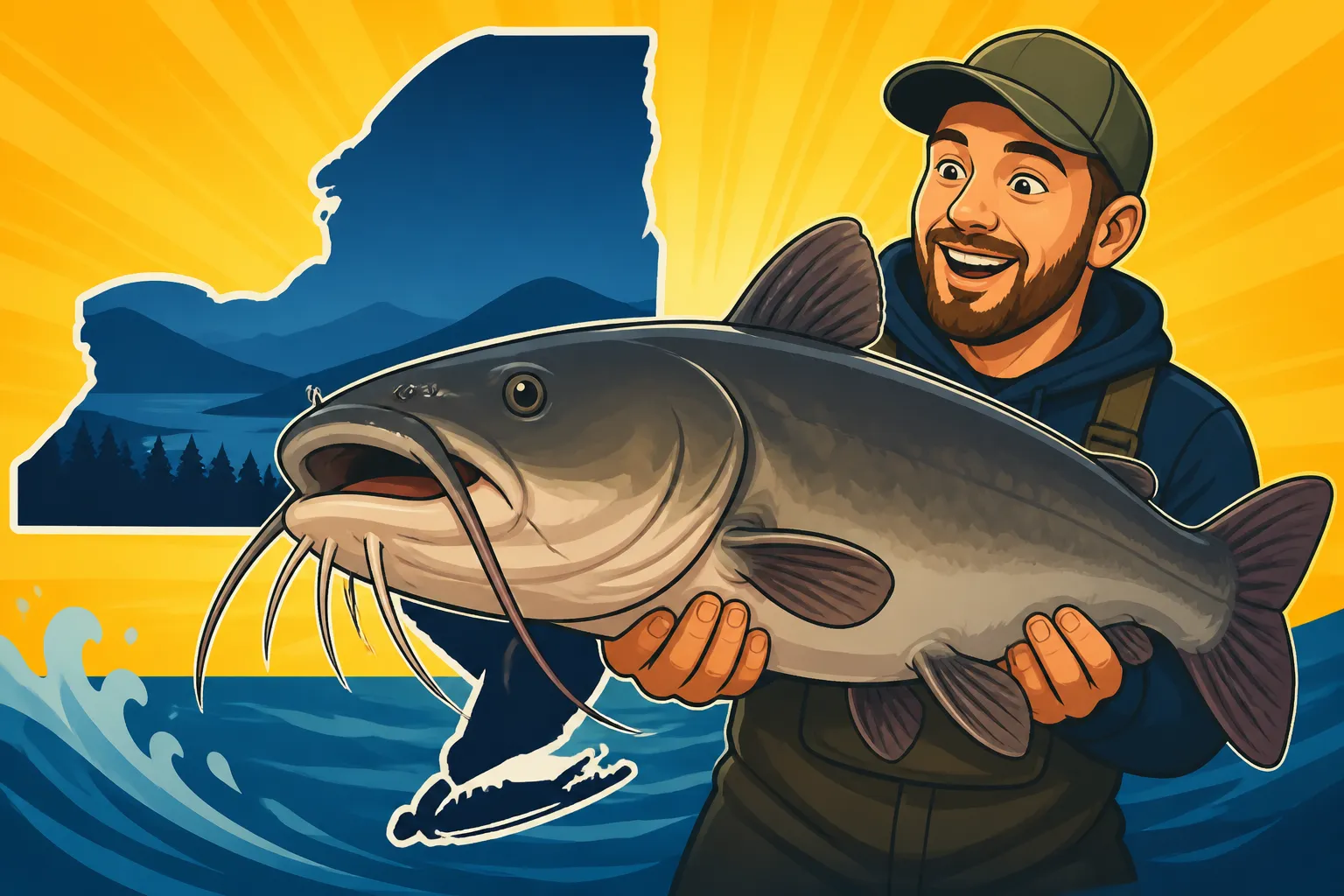
The current New York State record for a channel catfish stands at a truly impressive 35 pounds, 2 ounces. This magnificent fish was caught by David Lloyd back in 1999, pulled from the depths of the legendary Black River. Think about that for a moment – over three dozen pounds of pure fighting power! It's a weight that sets the bar high and inspires countless anglers to dedicate their time to rivers and lakes, hoping to one day best that incredible catch. This record isn't just a number; it's a piece of New York fishing lore, a testament to the rich fishing opportunities we have right in our backyard. When you're out there, patiently waiting for a bite, remember that David Lloyd's record-setting catch started with that same hope and anticipation. It reminds us that every cast has the potential to become part of history.
The Allure of the Channel Catfish in New York Waters
It's no secret that channel catfish are incredibly popular among New York anglers, and for good reason. They’re widespread, tenacious fighters, and surprisingly delicious when prepared correctly. But beyond that, they possess a unique charm with their distinctive whiskers, sleek bodies, and often, a cryptic, almost ancient look. They thrive in a variety of environments, from the slow-moving currents of large rivers to the deeper sections of many lakes and reservoirs, making them accessible to a broad range of fishing enthusiasts. You can find them across the state, from the mighty Hudson River to the Great Lakes and even smaller impoundments.
Why Catfish Capture Our Imagination
For many, the appeal of the channel catfish lies in their enigmatic nature. They're often associated with murky, deep waters and nighttime fishing, adding an element of mystery to the pursuit. There's a quiet patience required to successfully target these bottom-dwellers, and the reward is often a powerful, head-shaking battle that tests your gear and your resolve. They might not jump and splash like a trout or a bass, but a big channel cat will pull with an undeniable force, making every hook-set an exciting gamble. Whether you're a seasoned angler or just starting out, the sheer power of a decent-sized channel catfish will leave a lasting impression. You can learn more about Channel Catfish in New York in our detailed guide.
Where These Whiskered Wonders Thrive
New York is blessed with an abundance of waters that are perfect for channel catfish. Major river systems like the Hudson, Mohawk, and Black River are prime locations, offering ample food and suitable habitat. Large lakes such as Oneida Lake, Lake Erie, and Lake Ontario also hold impressive populations. Even many of our smaller lakes and reservoirs can surprise you with healthy numbers of channel catfish, especially in areas with deeper holes, submerged timber, or muddy bottoms. These fish are incredibly adaptable, making them a fantastic target almost anywhere there's freshwater. They're resilient and can tolerate a wider range of water conditions than some other species, which contributes to their widespread presence. If you're wondering Fish Species You Can Catch in New York, the channel catfish is definitely high on that list.
| Water Body | Notable Catfish Presence | Typical Habitat | Fishing Style |
|---|---|---|---|
| Black River | State Record Holder | Deep holes, slow currents, woody debris | Bottom fishing, cut bait, stink baits |
| Hudson River | Abundant, large specimens | Dredged channels, tidal flats, deeper bends | Anchored, bottom fishing, fresh cut bait, worms |
| Oneida Lake | Good numbers, healthy size | Muddy bottoms, edges of weed beds, deeper basins | Drifting with bait, anchored, night fishing |
| Lake Erie | Strong populations, excellent fighting fish | Deep drop-offs, structure, warm water discharges | Still fishing, drifting, slip bobbers |
| Mohawk River | Consistent catches | Slow pools, structure near dams, bridge pilings | Bottom rigs, chicken livers, prepared baits |
Strategies for Catching a Trophy Channel Catfish
So, you're dreaming of a monster catfish, perhaps one that rivals or even surpasses that 35-pound record? It's an ambitious goal, but certainly not impossible with the right approach. Targeting trophy channel catfish requires a combination of patience, proper gear, and an understanding of their habits. It's not about luck; it's about preparation and dedication.
Gear Up for the Battle
When you're after big catfish, your ultralight spinning rod simply won't cut it. These fish are incredibly strong, and you need gear that can withstand a serious tug-of-war.
- Rods and Reels: Opt for a medium-heavy to heavy-action casting or spinning rod, typically in the 7 to 9-foot range. This length provides good casting distance and leverage. Pair it with a sturdy reel, either a baitcasting reel with a good drag system or a large spinning reel capable of holding a significant amount of heavy line. Many anglers find durable, affordable options for this type of heavy-duty fishing on platforms like Amazon.
- Line: Don't skimp on line strength. A 20 to 50-pound test monofilament or braided line is ideal. Braided line offers superior sensitivity and strength for its diameter, which can be crucial for detecting subtle bites in deep water.
- Hooks: Circle hooks are highly recommended, especially when fishing with natural baits. Not only are they often required by regulations in some areas (like for striped bass, though always check specific catfish rules), they also promote better hook-sets in the corner of the fish's mouth, reducing gut-hooking and making catch-and-release much safer for both the fish and you. Sizes ranging from 5/0 to 9/0 are common for trophy cats.
- Terminal Tackle: Heavy sinkers (1-4 ounces, depending on current and depth) are essential to keep your bait on the bottom. A basic slip-sinker rig or a Carolina rig is very effective. Use strong swivels and heavy-duty leaders to prevent break-offs.
Baiting Your Big Cat
Channel catfish are primarily scavengers, but they are also opportunistic predators. This means they're attracted to strong smells and fresh offerings.
- Natural Baits: Fresh cut bait is often king for large channel cats. Shad, herring, sunfish, or even carp cut into chunks release a strong scent trail that catfish can't resist. Chicken livers are another classic, though they can be messy and harder to keep on the hook. Large nightcrawlers or a gob of them can also be effective.
- Prepared Baits: Stink baits, punch baits, and dip baits are popular, especially for those who prefer convenience. These commercial concoctions are designed to emit powerful odors that draw catfish in. While highly effective for smaller to mid-sized channel cats, some trophy hunters swear by fresh cut bait for truly massive fish.
- Timing is Everything: While catfish can be caught throughout the day, their activity often peaks during low-light conditions, especially dawn, dusk, and throughout the night. Warm summer nights are prime time for trophy hunting. They also become more active before and after storms or during periods of stable, warm weather. Understanding Best Time of Day to Fish in New York can significantly increase your success.
Locating Your Whiskered Giants
Finding the fish is half the battle. Trophy channel catfish tend to prefer deeper, slower-moving water with access to cover and food.
- Rivers: Look for deep holes, outside bends where the current has scoured out the bottom, submerged log jams, bridge pilings, and areas where feeder creeks enter the main river. These spots offer both shelter and ambush points for food.
- Lakes: In larger lakes, target deep channels, humps, ledges, and the mouths of inflowing rivers or major creek arms. During warmer months, they might move deeper, while in cooler periods, they might be found shallower. Using a good fish finder can help pinpoint these structures and concentrations of fish. You'll find many resources on Amazon for high-quality electronics to assist in your search.
- Patience and Persistence: Catfishing is often a waiting game. Set multiple rods with different baits in various depths if permitted, and be prepared to sit for a while. Sometimes, the biggest fish are the most cautious, and it takes time for them to find your offering. Move around if you're not getting bites, but don't be afraid to give a promising spot an hour or two.
Documenting Your Potential State Record
Imagine the moment: you've battled a colossal channel catfish to the boat or shore, and it looks like a true contender for the state record. What do you do next? The process isn't as simple as snapping a quick photo and sending it in. There are very specific requirements to ensure your catch is properly documented and verified by the New York State Department of Environmental Conservation (DEC). Ignoring these steps could mean missing out on your place in history.
Crucial First Steps After the Catch
Your immediate actions after landing a potential record are paramount. It's a critical time when every detail matters.
- Keep the Fish Alive (If Possible): If you plan to release the fish, or if it's required for verification, try to keep it alive in a livewell or by placing it back in the water in a holding net. This ensures it's in the best possible condition for an official weigh-in. Even if you plan to keep it, a live fish often weighs slightly more than a deceased one due to water retention.
- Measure Accurately: Take precise length and girth measurements immediately. While these aren't the primary criteria for record consideration (weight is), they can be crucial supporting evidence. Use a flexible tape measure and lay the fish flat to get the most accurate readings. Documenting Average Channel Catfish Size in New York for comparison can also be helpful.
- Photography is Key: Take clear, well-lit photos of the fish from multiple angles, especially alongside a ruler or a known object for scale. Photos of you holding the fish, and especially the fish on a certified scale, are important for verification. Don't be shy about getting several good shots!
The Official Weigh-In Process
This is where your potential record moves from a personal triumph to an official claim. The DEC has strict guidelines for verifying state records.
- Certified Scale: The fish must be weighed on a scale that has been certified by the Department of Weights and Measures. This is non-negotiable. Often, bait shops, sporting goods stores, or even some grocery stores have such scales. Call ahead to confirm and ensure someone is available to witness the weigh-in. Locations like a Buying a Fishing License at a Sporting Goods Store or New York Fishing License Vendor Locations often have these facilities.
- Witnesses: The weigh-in must be witnessed by at least one, preferably two, impartial adults who can attest to the process. Their names and contact information will be required.
- DEC Notification: Contact the New York State DEC as soon as possible after your catch and provisional weigh-in. They will guide you through the official documentation process, which typically involves filling out an application, submitting photos, and potentially arranging for a DEC biologist to examine the fish for species identification. This step is critical; without official notification, your catch won't be considered for record status.
The Importance of Identification
Ensuring your catch is indeed a channel catfish is crucial. While most experienced anglers can tell the difference, subtle distinctions can sometimes trip up even the best of us.
- Key Features: Channel catfish are typically identifiable by their deeply forked tail, smooth, scaleless skin, and dark spots on their sides (though these spots can fade in older, larger fish). They generally have a slightly olive to gray coloration, transitioning to a white belly.
- Distinguishing from Other Catfish: It's important to distinguish them from flathead catfish (which have a flatter head, unforked tail, and mottled brown/yellow coloration) or bullheads (which are smaller, have a squarer tail, and typically darker colors). The DEC biologist will make the final species identification. Understanding How to Identify Fish Species in New York is a valuable skill for any angler hoping to land a record.
By following these steps meticulously, you'll give yourself the best possible chance of etching your name alongside David Lloyd's in the annals of New York fishing history. Good luck out there, and tight lines!
Disclaimer
This article is for general informational purposes only and does not constitute professional advice. Laws, prices and regulations vary by location and change over time. Consult a qualified professional for guidance on your specific situation.