St. Lawrence River Fishing Guides
Stepping onto the majestic St. Lawrence River for a fishing trip can feel both exhilarating and a little overwhelming. This immense waterway, winding through the iconic Thousand Islands region of New York, holds incredible fishing opportunities, but knowing where to start, what to use, and how to navigate its vastness can be a real challenge for even seasoned anglers. This comprehensive guide is here to walk you through everything you need to know about hiring a St. Lawrence River fishing guide, transforming a potentially daunting experience into an unforgettable adventure.
Why a St. Lawrence River Fishing Guide is Your Best Bet
The St. Lawrence River isn't just a river; it's an ecosystem, a mosaic of currents, islands, deep channels, and hidden bays. For anglers looking to truly experience its potential, a fishing guide isn't just a luxury – it's often the smartest investment. They offer more than just a boat ride; they offer a shortcut to success and a deeper understanding of this incredible fishery.
Navigating the Immense Waters
Picture this: you arrive at the St. Lawrence, rod in hand, ready to cast your line. But then you look out, and the river stretches for miles, dotted with countless islands, seemingly endless coves, and varying depths. Where do you even begin? This is where the guide truly shines. They've spent countless hours, days, and years on these very waters. They know the safe channels, the hidden reefs, and the treacherous shoals that an unfamiliar angler might easily miss.
Beyond safety, a guide's knowledge of the river's structure is paramount. They understand how currents affect fish positioning, where baitfish congregate, and how different wind conditions shift the bite. Trying to learn this on your own would take a lifetime of trial and error, a luxury most of us don't have on a fishing vacation. They're like having a personal GPS for fish, combined with a weather forecaster and a hydrologist.
Think about the sheer scale of the Thousand Islands area alone, a labyrinth of over 1,800 islands. Without intimate knowledge, you could spend an entire day just looking for a promising spot, let alone actually catching fish. A guide eliminates that wasted time, putting you directly on productive water from the moment you leave the dock, maximizing your precious time on the water.
Unlocking Local Knowledge and Hotspots
Every body of water has its secrets, and the St. Lawrence River is no exception. Local guides possess an invaluable trove of information passed down through generations or painstakingly acquired through years of dedication. They know the subtle nuances that make a difference between a good day and a spectacular one. This isn't just about knowing where the fish are, but why they're there.
Guides understand the intricate seasonal patterns. They know when the huge muskellunge are moving into shallower bays to feed, or when the walleye are holding on deeper humps. They can tell you exactly what bait or lure is currently producing, often even down to the specific color or retrieve speed. This kind of real-time, hyper-local information is impossible to get from an online forum or a general fishing report. They live and breathe this river.
Moreover, guides are constantly adapting. If one spot isn't producing, they don't give up; they have a dozen other options in their mental rolodex, ready to move until they find active fish. This adaptability is critical on a dynamic waterway like the St. Lawrence, where conditions can change rapidly. Their expertise helps you understand the bigger picture of Fish Species Found in the St. Lawrence River.
Maximizing Your Catch and Experience
Let's be honest, we all want to catch fish. A guide dramatically increases your chances. They provide top-of-the-line equipment, often better than what many recreational anglers own, specifically rigged for the target species and conditions. No need to worry about bringing your own gear or wondering if it's appropriate; they handle it all. From specialized rods and reels for monster muskie to finesse setups for smallmouth bass, they have the right tool for every job.
Beyond gear, they offer instruction and tips on technique. Ever struggled with casting into the wind? Or wondering how to properly set the hook on a walleye? Your guide is a patient teacher, ready to share their expertise. They can refine your presentation, help you identify subtle bites, and teach you tricks that will improve your fishing skills long after your trip is over. It’s an invaluable educational experience wrapped in a day of fun.
Ultimately, a guide ensures your trip is about more than just fishing; it's about the experience. They handle the boat, the navigation, the rigging, and often even the fish cleaning. This allows you to relax, soak in the stunning scenery of the Thousand Islands, and simply enjoy the thrill of the chase. It transforms a potentially stressful outing into a seamless, enjoyable adventure where you can focus on making memories.
What Species Can You Target with a St. Lawrence Guide?
The St. Lawrence River is a veritable smorgasbord for anglers, boasting an incredible diversity of fish species. Depending on the time of year and your personal preference, a good guide can put you on everything from tackle-testing monsters to delicious table fare. This river is truly a multi-species wonderland, offering something for every type of angler.
The Mighty Muskellunge and Northern Pike
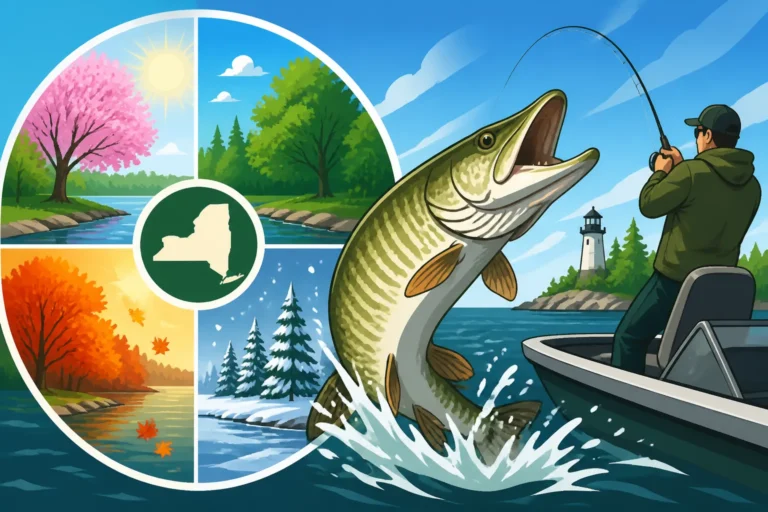
When most people think of trophy fishing on the St. Lawrence River, the mighty muskellunge immediately comes to mind. These apex predators are the ultimate freshwater challenge, known for their incredible size, brutal strikes, and dogged fights. A dedicated muskie guide is indispensable for chasing these elusive giants. They know the classic muskie haunts, the subtle signs of their presence, and the specialized techniques and lures required to entice a strike from a fish that truly lives up to its "fish of a thousand casts" reputation. They are experts in How to Fish for Muskellunge on New York's St. Lawrence River.
Northern pike, while perhaps not as legendary as the muskie, are another fantastic sport fish found in abundance in the St. Lawrence. Often sharing similar habitats with muskie, pike offer aggressive strikes and spirited battles, making them a thrilling target, especially for those new to predator fishing. Guides are adept at finding pike in weedy bays and around structure, and they can provide insights into the subtle differences in tactics that separate a pike bite from a muskie strike. Both species offer incredible adrenaline rushes and truly test an angler's mettle.
Smallmouth Bass and Walleye Action
If you're looking for consistent action and arguably some of the best freshwater fighting pound-for-pound, the St. Lawrence River's smallmouth bass fishery is world-class. These bronzebacks are known for their acrobatic jumps and hard runs, making them an incredibly fun target on lighter tackle. Guides will know the rocky shoals, current seams, and drop-offs where these aggressive fish hold, putting you on schools of willing biters. This region is home to some of the Best Bass Fishing on New York's St. Lawrence River.
Walleye are another incredibly popular species, prized not only for their fighting spirit but also for their delectable taste. The St. Lawrence offers excellent walleye fishing, particularly in certain sections and at specific times of the year. Guides can employ various techniques, from jigging to trolling, to locate and catch these schooling fish. Targeting walleye often means a full cooler at the end of the day, offering both sport and a fantastic meal. The guides understand the best methods and locations for a successful walleye outing, often leading to a truly rewarding experience for anglers looking for that dual thrill.
| Species | Peak Fishing Season (General) | Common Tactics Used by Guides | Average Size (Approx.) |
|---|---|---|---|
| Muskellunge | Summer, Fall | Trolling, Casting large lures | 35-55 inches |
| Northern Pike | Spring, Summer, Fall | Casting spoons/spinners, Live bait | 24-36 inches |
| Smallmouth Bass | Late Spring, Summer, Early Fall | Jigging, Drop-shot, Topwater | 14-20 inches |
| Walleye | Spring, Early Summer, Fall | Jigging, Trolling crankbaits | 18-26 inches |
| Yellow Perch | Year-round (incl. ice fishing) | Jigging, Live bait | 8-12 inches |
| Channel Catfish | Summer | Bottom fishing with bait | 20-30 inches |
Other Exciting Catches
While muskie, pike, smallmouth, and walleye often steal the spotlight, the St. Lawrence River offers even more. Yellow perch provide excellent light-tackle fun and are superb table fare, often caught in large numbers, making for a great family fishing experience. Their consistent biting can keep everyone engaged, especially younger anglers or those new to the sport. Guides know the schooling patterns and preferred baits for these panfish.
Channel catfish are another powerful species, offering brutal fights and reaching impressive sizes. Often overlooked, these hard-fighting bottom dwellers provide intense battles, especially on warm summer nights. Some sections of the river also hold impressive lake sturgeon, a truly ancient and majestic fish that is strictly catch-and-release, providing an incredible opportunity for a unique angling encounter. While not actively targeted for harvest, catching and safely releasing a sturgeon is an experience few ever forget, and a guide ensures proper handling. The diversity of Fish Species You Can Catch in New York makes every trip a surprise.
Choosing the Right St. Lawrence River Fishing Guide
Selecting the right guide is just as important as choosing the right fishing spot. A great guide can make your trip, while a less-than-ideal one can leave you feeling frustrated. It's about finding someone who not only knows how to find fish but also aligns with your fishing style and expectations for the day.
Experience and Specialization
When you're looking for a St. Lawrence River fishing guide, experience is paramount. You want someone who has spent years, not just seasons, on these specific waters. An experienced guide understands the subtle changes in the river year after year, how weather patterns impact fish behavior, and has a vast mental map of productive areas. Don't be afraid to ask about their longevity in the guiding business and their history on the St. Lawrence.
Beyond general experience, consider their specialization. Are you dead set on catching a trophy muskie? Then look for a guide who specializes in muskie fishing, someone known for putting anglers on these giants. If your goal is a day of non-stop smallmouth bass action, ensure the guide focuses on that species. Some guides are multi-species experts, which can be great if you're open to different targets, but if you have a specific goal, specialization matters. Their expertise in targeting specific species will greatly enhance your trip, like when pursuing Muskellunge Fishing in New York's Thousand Islands.
A specialized guide will have the right equipment, the refined techniques, and the focused knowledge to target your desired species effectively. They'll also be more honest about the realistic chances of success for a particular fish at a given time of year, helping you set appropriate expectations for your trip. This dedication to a specific type of fishing often means a higher success rate and a more fulfilling trip for you.
Licensing, Insurance, and Safety Protocols
This is absolutely non-negotiable. Any reputable St. Lawrence River fishing guide must be properly licensed by the U.S. Coast Guard (if operating on federal waters, which the St. Lawrence is) and registered with New York State. This ensures they have met specific requirements for seamanship, navigation, and passenger safety. While they are often covered by their fishing license, you will still need your own New York Fishing License Guide to legally fish. It's a fundamental aspect of operating a safe and legal charter.
Equally important is insurance. A professional guide will carry liability insurance to protect both themselves and their clients in the unlikely event of an accident. Never get on a boat with a guide who cannot confirm they are fully insured. It's a simple question to ask, and a reputable guide will be happy to provide that assurance. Your safety and peace of mind should always come first.
Beyond paperwork, observe their safety protocols. Do they have all required safety equipment on board – life jackets for everyone, first aid kit, fire extinguisher, communication devices? Do they conduct a brief safety talk before departing? Do they enforce rules like wearing life jackets, especially with children on board? A guide who prioritizes safety above all else is a true professional and will give you confidence throughout your trip. Always be aware of New York Fishing Regulations Explained.
Communication and Personality Match
Fishing trips are often long days on the water, so you want to spend that time with someone you get along with. Good communication starts from the initial inquiry. Does the guide respond promptly and clearly to your questions? Are they transparent about pricing and what's included? Do they seem genuinely interested in understanding what you hope to get out of the trip? A guide who listens and communicates well sets the stage for a positive experience.
Their personality also plays a huge role. Are you looking for a quiet, focused angler who will let you concentrate on the fishing, or someone who is gregarious, full of stories, and enjoys teaching? Do you want someone who is patient with beginners or children, or a hardcore specialist for experienced anglers? Don't hesitate to have a conversation with potential guides before booking to gauge their personality and teaching style.
Think about the atmosphere you want to create. If it's a family outing with kids, a patient and encouraging guide is crucial. If it's a serious pursuit of a record muskie, you might prefer a guide with a more intense, focused approach. Finding a personality match will make the long hours on the water much more enjoyable and memorable, ensuring your shared experience is truly a good fit.
Planning Your Guided St. Lawrence River Fishing Trip
A successful fishing trip on the St. Lawrence River, especially with a guide, involves a bit of thoughtful planning. From understanding the best seasons to knowing what you need to bring, a little preparation goes a long way in ensuring a smooth and enjoyable experience. Don't leave things to chance; a well-planned trip is a fantastic trip.
Best Times to Go
The "best" time to fish the St. Lawrence River really depends on what you want to catch. For the legendary muskellunge, late summer and fall are often considered prime time, particularly September and October, when these giants are actively feeding before winter. The cooler water temperatures make them more aggressive, and guides often have their best success during these months. If you're chasing the fish of 10,000 casts, Best Month to Book a St. Lawrence Muskie Guide is crucial knowledge.
For smallmouth bass, the late spring (May-June) and early summer are fantastic, as the fish are active after spawning and readily hit a variety of lures. The action can remain strong throughout the summer. Walleye fishing also picks up in the spring and continues into the summer and fall, often with guides adapting their techniques to deeper water as the season progresses. Knowing the optimal season for your target species will significantly increase your chances of success and make the trip more enjoyable.
If you're looking for an overall multi-species experience, the summer months offer a great balance, with good opportunities for bass, pike, and perch, along with the chance for a muskie. However, always confirm with your guide what species they recommend targeting during your chosen dates, as local conditions can vary. They are the ultimate resource for up-to-the-minute information on what's biting.
What to Expect and What to Bring
When you book a St. Lawrence River fishing guide, you can generally expect them to provide a fully equipped boat, all necessary fishing tackle (rods, reels, lures, bait), and their expert knowledge and guidance. Most guides will also provide safety equipment, including life jackets. Some might offer snacks and drinks, but it's always best to confirm beforehand. This comprehensive provision means you don't need to haul all your gear, which is a huge convenience, especially if you're traveling from afar.
However, there are still essential items you should bring yourself. A valid New York Fishing License Guide is absolutely mandatory for everyone fishing, regardless of whether you're with a guide. Dress in layers, as weather on the St. Lawrence can change rapidly, even on a summer day. Sunscreen, a hat, and polarized sunglasses are crucial for eye protection and spotting fish. Bring a camera to capture those unforgettable moments, and any personal medications you might need.
It’s also wise to bring your own snacks and drinks if the guide doesn’t provide them, especially on a full-day trip. A small cooler is often a good idea for personal refreshments and to bring home any fish you might keep within the legal limits. Always ask your guide for a specific list of recommended items when you book, as they'll have the best advice for the current conditions and duration of your trip.
Understanding Costs and Inclusions
Fishing charter costs on the St. Lawrence River can vary widely depending on the duration of the trip (half-day vs. full-day), the species targeted (muskie trips, for instance, are often more expensive due to specialized gear and effort), the size of your group, and the guide's experience and reputation. Generally, rates are quoted for the boat, not per person, up to a certain number of anglers. For details, you can look into What St. Lawrence River Muskie Guides Charge or general New York Fishing Charter Costs.
What's included in the price is another important consideration. Most guides will include all tackle, bait, and fuel. Some might offer fish cleaning services, while others might charge a small extra fee. It's rare for a guide to include your fishing license, so again, ensure you have yours ready. Always get a clear understanding of what is and isn't covered in the quoted price before you commit to booking. Hidden fees are nobody's friend.
Don't forget about tipping your guide! This is customary in the charter fishing industry, similar to tipping in a restaurant. If your guide worked hard, was knowledgeable, and you had a good experience, a tip is a way to show your appreciation for their efforts and expertise. A common range is 15-20% of the trip cost, but ultimately, it's at your discretion based on your satisfaction with the service.
The St. Lawrence River Fishing Experience: Beyond the Catch
While catching fish is undeniably a huge part of the allure, a guided trip on the St. Lawrence River offers so much more than just a tug on your line. It's an immersive experience that connects you with nature, educates you, and creates truly unforgettable memories.
The Beauty of the Thousand Islands Region
The St. Lawrence River, particularly the famous Thousand Islands region where many fishing guides operate, is breathtakingly beautiful. This area, with its granite islands, lush greenery, historic castles, and charming waterfront communities, offers a stunning backdrop to your fishing adventure. It’s not just a fishing trip; it's a scenic tour that rivals any sightseeing cruise. Cruising through these intricate waterways, you'll witness majestic bald eagles soaring overhead, graceful deer grazing on island shores, and perhaps even an osprey diving for its meal. The serene beauty of the region adds a layer of tranquility and wonder to your day.
The sheer natural splendor is often what people remember most, even more than their biggest catch. The clean, crisp air, the vast expanse of water, and the unique geography create a sense of escape and rejuvenation. A guide can often point out interesting landmarks or tell you local stories about the islands, enriching your experience even further. It's a fantastic way to experience Fishing New York's St. Lawrence River and Thousand Islands.
Whether you're casting a line or simply taking in the views between bites, the environment itself is a major draw. The Thousand Islands truly offer a unique blend of natural beauty and historical intrigue, making it a perfect destination for both anglers and their families. This picturesque setting transforms a simple fishing trip into a comprehensive outdoor experience.
Learning from a Pro
One of the most valuable aspects of hiring a St. Lawrence River fishing guide is the opportunity to learn from a seasoned professional. These guides aren't just boat drivers; they are passionate educators who love to share their knowledge. They can teach you about fish behavior, reading water, understanding different bait presentations, and even the subtle art of interpreting your electronics. This hands-on learning is far more effective than reading articles or watching videos.
Imagine a guide showing you exactly how to work a bucktail for muskie, demonstrating the specific retrieve that triggers strikes, or explaining why certain crankbaits are more effective for walleye in particular conditions. They can critique your casting, offer tips on knot tying, or explain the finer points of fighting a big fish. This personalized instruction is invaluable for both beginners and experienced anglers looking to hone their skills.
The lessons you learn on a guided trip extend beyond the specific techniques. You'll gain a deeper appreciation for the ecosystem, the conservation efforts in place, and the responsibilities of an ethical angler. It’s an investment in your own fishing future, providing insights and skills that you can apply to countless future fishing adventures, not just on the St. Lawrence, but wherever your passion takes you.
Creating Lasting Memories
Above all, a guided fishing trip on the St. Lawrence River is about creating lasting memories. Whether it's the thrill of a lifetime muskie strike, the laughter shared with family and friends, or the quiet solitude of a sunrise over the water, these moments become cherished stories for years to come. It’s an experience that transcends the ordinary and offers something truly special.
For families, it’s a wonderful way to introduce children to the joys of fishing in a safe and supportive environment. A patient guide can make a child's first catch an unforgettable moment, sparking a lifelong love for the outdoors. For friends, it’s a perfect opportunity to bond, share stories, and challenge each other on the water. Even for solo anglers, it’s a chance to connect with nature and perhaps achieve a personal fishing goal with the help of an expert.
These are the kinds of trips that fill photo albums and fuel conversations around the dinner table. The St. Lawrence River, with its incredible fishing and stunning scenery, provides the perfect canvas for these memories. A professional guide ensures that your focus remains on enjoying those moments, rather than worrying about navigation or tackle. It’s an investment in an experience you’ll talk about for years.
Booking Your St. Lawrence River Guide
So, you're ready to book your St. Lawrence River adventure! The process is fairly straightforward, but a few considerations can help ensure you secure the best guide for your needs and have a seamless booking experience.
Online Platforms and Direct Bookings
There are generally two main ways to book a St. Lawrence River fishing guide: through online booking platforms or by contacting guides directly. Online platforms like FishingBooker offer a convenient way to browse multiple guides in one place, compare their offerings, read reviews, and check availability. These platforms often have secure payment systems and can sometimes offer cancellation policies that provide a degree of flexibility. They act as a centralized hub, simplifying the initial search and comparison process.
Booking directly with a guide, on the other hand, can sometimes allow for more personalized communication from the start. You might have the opportunity to discuss your specific desires for the trip in greater detail, ask very nuanced questions, and build a rapport with the guide before you even step on the boat. Some guides prefer direct bookings to avoid platform fees, and this can sometimes lead to a slightly more flexible booking process or tailored arrangements. However, it requires more individual research to find guides and verify their reputation.
Ultimately, both methods have their merits. If you value convenience and broad comparison, an online platform like FishingBooker is a great starting point. If you prefer a more direct, personal connection from the get-go and have a specific guide in mind, reaching out to them directly is the way to go. Always confirm the guide's availability and pricing, regardless of the booking method.
Questions to Ask Before You Book
Before you commit to booking, don't be shy about asking a few crucial questions. This ensures there are no surprises and that your expectations align with what the guide offers. Here's a quick checklist:
- What species will we primarily be targeting, and what are the realistic chances of catching them during my chosen dates? This helps manage expectations.
- What is included in the price? Confirm tackle, bait, fuel, fish cleaning, snacks, drinks, etc.
- How many people can your boat comfortably accommodate? Ensure there's enough space for your group.
- What is your cancellation policy? Understand what happens if weather forces a reschedule or if you need to cancel.
- Do I need to bring anything specific (e.g., cooler, rain gear, sun protection)? Get a clear list.
- What licenses or permits do I need, and are they included? (They almost never are, but always confirm).
- Are you licensed and insured? (Again, a critical question for safety and peace of mind).
- What time do we typically start and finish? Plan your day accordingly.
Asking these questions upfront will clarify any ambiguities and help you How to Choose a New York Fishing Charter that's perfect for you. A professional guide will welcome your questions and provide clear, honest answers. If a guide is vague or defensive, that might be a red flag.
Preparing for Your Trip
Once your trip is booked, a little preparation goes a long way. Double-check your New York Fishing License Guide to ensure it's valid for the dates of your trip. If you don't have one, make sure to purchase it well in advance; you can often do this online or at many sporting goods stores. Confirm the meeting time and location with your guide a day or two before your trip.
Pack appropriately for the weather, keeping layers in mind, even in summer. The St. Lawrence can get chilly or windy, and rain can pop up unexpectedly. Sunscreen, a hat, and polarized sunglasses are essential. Pack any personal items, medications, snacks, and drinks you'll need. If you plan to keep fish, consider bringing a cooler to leave in your car for the ride home.
Most importantly, arrive on time, well-rested, and ready to have fun! A good attitude and an open mind will make the experience even better. Listen to your guide's instructions, and be prepared for a fantastic day on one of New York's most spectacular waterways. You're in for an unforgettable journey on the St. Lawrence River.
Disclaimer
This article is for general informational purposes only and does not constitute professional advice. Laws, prices and regulations vary by location and change over time. Consult a qualified professional for guidance on your specific situation.