How to Choose a New York Fishing Charter
Planning a fishing trip in New York can feel a bit overwhelming, especially when you're dreaming of that perfect catch on one of our incredible waters. You might be wondering how to even begin sifting through all the options, worried about picking the wrong boat, or perhaps you're just unsure what questions you should even be asking. This comprehensive guide is here to walk you through the entire process, from figuring out your fishing aspirations to stepping onto the deck of your ideal New York fishing charter.
Understanding Your Fishing Goals and Preferences
Before you even start looking at specific boats or captains, it's really important to take a moment and think about what you want out of your fishing trip. Are you chasing a monster trophy, hoping for a relaxing family day on the water, or perhaps learning a new technique? Your personal preferences will heavily influence the type of charter you should choose.
Defining Your Target Species
New York State boasts an incredible diversity of fish, from freshwater giants to saltwater warriors. Knowing what you want to catch is probably the biggest factor in narrowing down your options. If you're dreaming of a battling salmon, your charter search will look very different than if you're hoping for a cooler full of flounder.
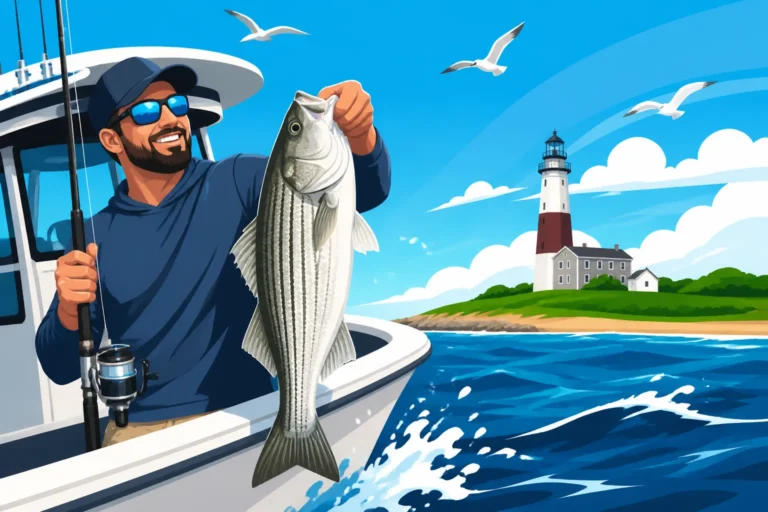
For example, if the thought of a screaming reel and a leaping Chinook salmon gets your heart racing, you'll naturally be looking at charters on Lake Ontario. These captains specialize in trolling massive waters for salmon and steelhead. But if you're picturing yourself battling a powerful striped bass, then your focus shifts to coastal waters like Long Island Sound or the mighty Hudson River. Perhaps you want to understand the Fish Species You Can Catch in New York more deeply before making a choice. Knowing your prey helps determine the location, the gear, and the captain's expertise, so take a moment to visualize that dream fish at the end of your line.
Deciding on Your Fishing Style and Experience Level
Every angler has a different idea of a perfect fishing day. Are you a seasoned pro who thrives on technical challenges, or are you bringing along a group of beginners, maybe even kids, who just want to feel a tug on the line? This makes a huge difference in the kind of experience you'll seek out. Some charters cater to hardcore anglers, using specialized gear and focusing solely on the hunt, often with early mornings and late nights. They might be less patient with novices or those who just want to sightsee.
On the other hand, many captains offer family-friendly trips, prioritizing comfort, ease of fishing, and a positive experience for everyone on board, regardless of their skill level. These trips often involve simpler techniques and shorter durations, ensuring everyone has fun. Don't be shy about your experience level – a good captain will tailor the trip to ensure maximum enjoyment for all aboard.
Considering Your Group Size and Dynamics
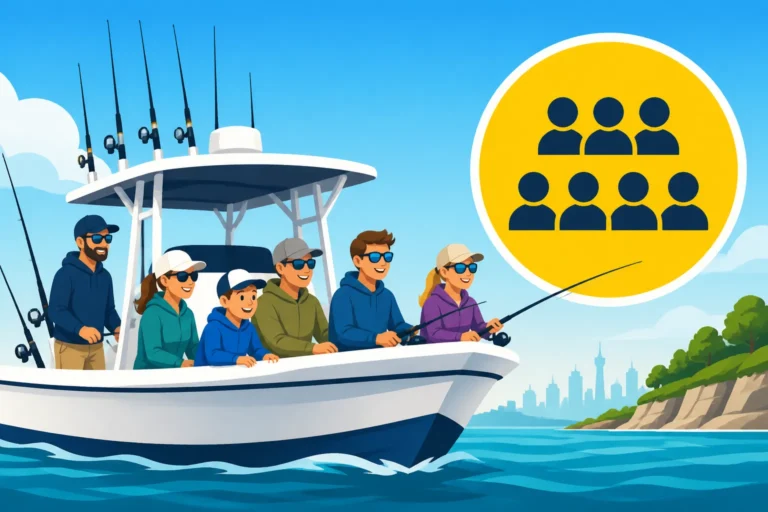
Who are you bringing along on this adventure? Is it a solo quest, a romantic getaway for two, a lively group of friends, or a multi-generational family outing? The size and composition of your group will directly impact the type and size of boat you'll need. A small skiff might be perfect for one or two fly anglers, but it won't comfortably accommodate a family of five plus gear.
Think about how much space everyone will need, especially if you're planning a longer trip. Are there young children who need railings and a stable deck? Or are there older family members who might appreciate comfortable seating and a restroom on board? Some charters specialize in smaller, more intimate trips, while others run larger vessels perfect for bigger groups or "open boat" experiences where individual anglers join others. This also factors into the overall cost, as most charters charge by the boat, not per person, up to a certain maximum.
Navigating New York's Diverse Fishing Regions
New York State is a fishing paradise, offering an incredibly diverse range of waters, each with its own unique appeal and target species. Knowing which region aligns with your fishing goals is the next big step in choosing the right charter.
Great Lakes Lake Ontario & Lake Erie for Trophy Fish
If "trophy fish" is music to your ears, then New York's Great Lakes, specifically Lake Ontario and Lake Erie, should be at the top of your list. Lake Ontario is world-renowned for its monster Chinook salmon, powerful coho salmon, and acrobatic steelhead and brown trout. Charters operating out of ports like Oswego, Olcott, or Henderson Harbor are equipped with specialized downrigging gear, large boats, and decades of experience chasing these magnificent creatures in deep, open waters. A Lake Ontario Fishing in New York: Where to Go guide can provide even more detail on specific hotspots.
Lake Erie, on the other hand, is famous for its incredible walleye fishery, particularly in the western part of the state near Buffalo and Dunkirk. Walleye charters here focus on drift fishing or trolling for these delicious and abundant fish. These Great Lakes trips often involve long days on potentially rough waters, making them more suited for anglers who are comfortable with offshore conditions and seeking a true big-game experience.
Long Island Sound and Coastal Waters for Saltwater Action
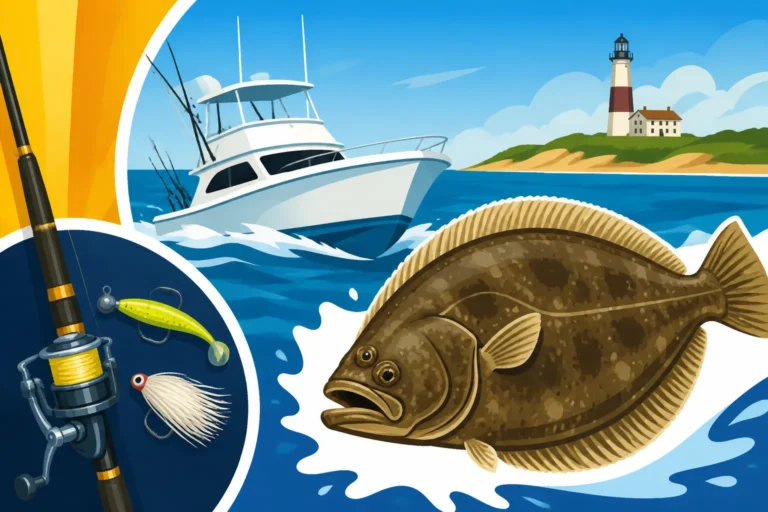
For those craving the thrill of saltwater fishing, New York's extensive coastline, including Long Island Sound, the Atlantic Ocean, and various bays and estuaries, offers a fantastic array of options. Here, you'll find charters targeting everything from striped bass and bluefish to fluke, porgy, and blackfish (tautog). A dedicated Long Island Fishing Charters will show you what's available.
Whether you're looking to cast lures for striped bass in the rips off Montauk, drift for fluke in the calm bays, or bottom fish for porgies, there's a charter for every preference. These trips vary greatly in duration and style, from inshore half-day excursions perfect for families to full-day offshore trips chasing larger game like tuna or sharks (though less common in New York, it's possible further offshore). The captains in these regions are experts at navigating tidal currents and understanding the migratory patterns of coastal species.
Upstate Rivers and Lakes for Freshwater Adventures
Beyond the Great Lakes, New York's interior is dotted with countless rivers and smaller lakes that offer incredible freshwater fishing experiences. The Hudson River, for instance, is famous for its spring striped bass run, drawing anglers from all over. The legendary Finger Lakes, like Seneca and Cayuga, provide fantastic opportunities for lake trout, landlocked salmon, and smallmouth bass. Then there's the majestic St. Lawrence River, a world-class destination for muskellunge and smallmouth bass, especially around the Thousand Islands region. If you're intrigued by these species, you might want to look at New York's Most Popular Freshwater Fish.
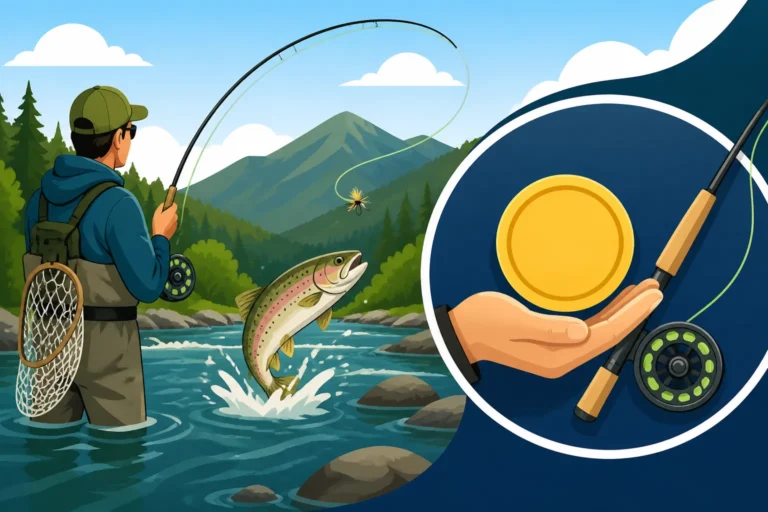
Charters on these waters might use smaller, more nimble boats, sometimes even drift boats or jet boats for river fishing. Fly fishing guides are prevalent in the Catskill region, known for its historic trout streams like the Beaverkill and Willowemoc. These freshwater adventures can offer a more serene, picturesque setting, often with stunning scenery and a focus on different techniques like fly fishing, casting, or jigging.
Types of Fishing Charters and What They Offer
The world of New York fishing charters isn't one-size-fits-all. Understanding the different types available can help you pick the one that best matches your expectations and budget.
Full-Day vs. Half-Day Charters
This is often one of the first decisions you'll make, and it significantly impacts the cost and the scope of your trip.
-
Half-Day Charters: Typically run for 4 to 6 hours. These are fantastic for beginners, families with younger children, or those who are short on time. They are generally less expensive and focus on fishing spots closer to port, targeting more abundant, often easier-to-catch species. While you might not venture as far or target the biggest fish, half-day trips are great for getting a taste of the action without committing to a full day on the water. They are perfect for a relaxing morning or afternoon outing. If you're weighing the options, consider reading Half-Day vs Full-Day Fishing Charters.
-
Full-Day Charters: Usually last 8 to 10 hours, sometimes longer for offshore trips. These are for the more dedicated angler looking to maximize their time on the water and target more challenging or distant species. A full day allows the captain to travel further to prime fishing grounds, try multiple spots, and adapt to changing conditions. While more expensive, a full-day charter offers a greater chance at a diverse catch or a trophy fish, providing a more comprehensive fishing experience. You'll spend more time learning techniques and enjoying the camaraderie with your fellow anglers.
Private vs. Open Boat Shared Charters
The decision between a private and shared trip affects both cost and experience.
-
Private Charters: This means you book the entire boat for your group, and only your party will be on board with the captain and crew. This offers the ultimate flexibility in terms of departure times, target species, and fishing locations (within reason, of course). You get personalized attention from the crew, and the entire experience is tailored to your group's preferences. It's ideal for families, groups of friends, or corporate outings where privacy and customization are key. While the per-person cost might seem higher at first glance, for a group, it often becomes quite comparable, and the exclusive experience is often worth the premium.
-
Open Boat (Shared) Charters: Also known as "head boats" or "party boats," these trips allow individual anglers or small groups to book a spot on a larger vessel alongside other passengers. This is generally the most economical option, as the cost is divided among many people. Open boats usually operate on a set schedule, target specific, often abundant species, and fish in popular areas. While you won't have the same level of customization as a private charter, it's a great way to meet other anglers, learn from experienced deckhands, and get a lot of fishing time for a reasonable price. This can be a fantastic way for solo anglers or small groups to experience New York's waters without breaking the bank.
Specialty Charters: Fly Fishing, Ice Fishing, Kayak Fishing
Beyond the traditional rod-and-reel charters, New York offers several specialized fishing experiences for those seeking something different.
-
Fly Fishing Guides: Concentrated in the famous Catskill Mountains, these guides offer a unique and often serene way to pursue trout in pristine rivers and streams. They often use drift boats or walk-and-wade techniques, teaching casting skills and local entomology. If you're looking to connect with nature and master a refined angling art, a fly fishing guide is an excellent choice. These are typically highly personalized, often one-on-one or small-group experiences.
-
Ice Fishing Guides: When winter blankets New York's lakes, ice fishing becomes a popular pursuit. Guides for ice fishing provide heated shanties, specialized augers, and electronic fish finders, making the experience comfortable and productive. They know how to read the ice, locate schools of perch, walleye, or pike, and ensure a safe and enjoyable outing on the hard water. If you've always wanted to try ice fishing but felt intimidated by the logistics, a guided trip is the perfect introduction.
-
Kayak Fishing Guides: For those who prefer a more intimate, eco-friendly approach to fishing, kayak fishing guides are a growing option. They provide kayaks, safety gear, and local knowledge, guiding you to productive spots in calmer bays, estuaries, or smaller lakes. This offers a unique perspective and a fantastic workout, getting you into skinny waters that larger boats can't access. It's an excellent choice for anglers who value stealth, solitude, and direct engagement with the environment.
Key Factors in Evaluating Charter Boats and Captains
Once you have a clearer idea of your ideal trip, it's time to start looking at actual charters. This is where a little investigative work pays off. You want to feel confident in the professionalism and safety of your chosen operator.
Credentials and Safety: Licensing, Insurance, and Experience
This is paramount. A reputable fishing charter captain in New York, especially one operating on federal waters (like the Great Lakes or offshore oceans), must be licensed by the U.S. Coast Guard. This isn't just a formality; it means they've undergone rigorous training, passed tests, and are certified in maritime safety, navigation, and first aid. Always ask about their captain's license.
Beyond licensing, a charter should carry appropriate insurance. While you hope you'll never need it, knowing they're insured offers peace of mind. Experience also matters immensely. A captain who has fished the same waters for years understands seasonal patterns, subtle changes in conditions, and where the fish are likely to be. They'll have backup plans and the knowledge to make your trip successful, even when conditions are challenging. Don't hesitate to ask how long they've been running charters in the area.
Boat Features and Equipment
The boat itself needs to be suitable for the fishing you plan to do and comfortable for your group. Consider its size, stability, and what amenities it offers.
- Size and Stability: Larger boats generally offer a smoother ride in rougher waters, which is a big plus on Lake Ontario or the open ocean. Smaller boats are more agile and can access shallower areas. If you're prone to seasickness, a larger, more stable vessel is often a better choice.
- Safety Gear: Ensure the boat is equipped with all necessary safety gear, including life jackets for everyone on board (especially proper-fitting ones for children), a first-aid kit, communication devices (VHF radio, cell phone), and navigation equipment.
- Fishing Equipment: A good charter will provide high-quality, well-maintained rods, reels, and tackle appropriate for the target species. You shouldn't have to bring your own unless you specifically prefer to. Ask about the type of gear they use and if they have options for different skill levels.
- Comfort and Amenities: Is there a head (restroom) on board? A shaded area? Comfortable seating? A cooler for drinks and snacks? These details might seem minor, but they can significantly impact your enjoyment, especially on a full-day trip. Some boats even have heated cabins for cooler weather or modern electronics like radar and fish finders, which can be invaluable.
Reputation and Reviews
In today's connected world, researching a charter's reputation is easier than ever. Start by checking out online reviews on platforms like Google, social media, and dedicated fishing booking sites like FishingBooker. Look for consistent themes in positive reviews: captains who are knowledgeable, friendly, patient (especially with kids), and put their clients on fish. Pay attention to how they handle less-than-stellar days – a truly professional captain will still ensure a good experience even if the bite is slow.
Word-of-mouth recommendations are also golden. Talk to local bait shops, marinas, or fellow anglers for their insights. A strong, positive local reputation speaks volumes about a captain's integrity and skill. Don't just skim the ratings; read the actual comments to get a feel for the personality of the captain and the overall vibe of the trip.
Understanding Pricing, Inclusions, and Hidden Costs
Nobody likes surprises, especially when it comes to money. Being clear on the charter's pricing structure, what's included, and any potential extra costs beforehand will prevent awkward situations and ensure a smooth experience. You'll want to review New York Fishing Charter Costs carefully.
Decoding Charter Rates and What's Typically Included
Charter rates in New York can vary widely based on location, boat size, duration of the trip (half-day vs. full-day), and the target species. Generally, the rate you're quoted for a private charter covers the cost of the boat, the captain, and any deckhands. This base price often includes the use of their fishing gear (rods, reels, tackle), bait, and fuel for the trip.
It's common for rates to be set for a specific number of anglers (e.g., "up to 4 people"), with an additional charge for extra passengers up to the boat's maximum capacity. Always clarify what this base rate covers. Is it for the whole boat or per person? How many people are included in that price? Don't assume anything – a quick clarification email or phone call can save you a headache later.
Essential Inclusions: Rods, Tackle, Bait, and Fish Cleaning
Most reputable charters pride themselves on providing all the necessary equipment for a successful day.
- Rods, Reels, and Tackle: You should expect the charter to supply high-quality, well-maintained fishing rods, reels, and terminal tackle (hooks, weights, lures) appropriate for the species you're targeting. This is especially true for specialized techniques like deep-water trolling for salmon or heavy-duty gear for muskie. If you prefer to use your own gear, confirm with the captain first.
- Bait: Live bait, if used, is typically included in the charter fee. This can be a significant cost, so having it covered is a big plus.
- Fish Cleaning: Many captains or deckhands offer to clean and bag your catch at the end of the day. This is a fantastic service, saving you time and mess. Confirm if this is included or if there's an additional small fee. While it's often a courtesy, it's good to know upfront. On platforms like FishingBooker, you can usually see these details listed under "What's Included."
Tipping Etiquette and Other Potential Expenses
Tipping is customary in the charter fishing industry, much like in restaurants or other service industries. A good rule of thumb is to tip the captain and crew 15-20% of the total charter cost, assuming they provided good service, worked hard, and made your trip enjoyable. This percentage is typically based on the overall effort, not just the number of fish caught. For more details, consider Tipping Etiquette for New York Fishing Charters.
Beyond the tip, consider these other potential costs:
- Fishing License: While the charter boat might be licensed, you will almost certainly need your own valid New York State fishing license, whether it's a freshwater license or a marine fishing registry. This is rarely included in the charter fee. Make sure to purchase it beforehand! Check out the New York Fishing License Guide for more info.
- Food and Drinks: Unless specified, you'll need to bring your own snacks, lunch, and beverages.
- Sunscreen and Personal Items: While some boats might have communal sunscreen, it's always best to bring your own preferred brands.
- Fish Processing: While cleaning and bagging are often included, some anglers opt for professional fish processing (filleting, vacuum-sealing, freezing), which would be an additional cost at a local shop.
- Ice: Some charters provide ice for your catch, but you might need extra for your personal coolers.
Here's a quick comparison of common charter types and their general offerings:
| Feature/Cost Aspect | Half-Day Private Charter | Full-Day Private Charter | Open Boat (Shared) Charter |
|---|---|---|---|
| Duration | 4-6 hours | 8-10+ hours | Set schedule (usually 4-8 hours) |
| Cost | Mid-range (per boat) | Higher (per boat) | Lower (per person) |
| Group Size | 1-6 people (varies by boat) | 1-6+ people (varies by boat) | Individual spots on larger vessel |
| Flexibility | High (departure, target) | Highest (departure, target, distance) | Low (set schedule, target, location) |
| Target Species | Often inshore, more common species | Wider range, including trophy/offshore | Abundant, often schooling species |
| Equipment Provided | Rods, reels, tackle, bait usually included | Rods, reels, tackle, bait usually included | Rods, reels, tackle, bait usually included |
| Fish Cleaning | Often included/available | Often included/available | Often included/available |
| Personal Attention | Very high | Very high | Moderate (crew attends to many) |
| Ideal For | Families, beginners, short trips | Experienced anglers, trophy hunters, dedicated groups | Solo anglers, budget-conscious, social outings |
The Booking Process and Important Questions to Ask
You've done your homework, narrowed down your choices, and now you're ready to book! This stage is all about clear communication to ensure everyone is on the same page.
Researching and Comparing Charters
This is where online platforms really shine. Websites like FishingBooker offer a fantastic way to browse numerous New York fishing charters in one place. You can filter by location, target species, boat size, price range, and even specific amenities. Reading reviews on these sites, as well as Google and social media, is crucial for getting a sense of the captain's personality, the condition of their boat, and their overall success rate. Remember to look for consistency in positive feedback and how they handle any negative comments.
Don't be afraid to cast a wide net initially, then start to hone in on the ones that truly resonate with your vision for the trip. Compare their "What's Included" sections carefully and check their gallery photos to see the type of boat, equipment, and previous catches. Many charters have their own websites as well, which can provide even more detailed information about their specific expertise and local knowledge.
Essential Questions Before You Book
Once you have a few top contenders, a direct conversation is key. Don't be shy about asking questions – a good captain will welcome them, as it shows you're serious about your trip.
Here are some crucial questions to ask:
- What's included in the price? (Reconfirm rods, reels, tackle, bait, fuel, fish cleaning).
- Do I need a fishing license, and if so, what kind? (They can typically point you to where to get it, or remind you about the New York Recreational Marine Fishing Registry).
- What are your typical target species this time of year, and what are the chances of catching them? (An honest captain will manage expectations).
- What kind of boat do you have, and what safety equipment is on board? (To ensure comfort and safety).
- What should my group bring (food, drinks, sunscreen, rain gear, cooler for fish)? (A detailed list is helpful for What to Bring on a New York Fishing Charter).
- What is your cancellation policy, especially for weather? (Crucial for peace of mind).
- How do you handle catch limits and regulations? (Ensure they adhere to New York Fishing Regulations Explained).
- Is there a restroom on board? (Important for longer trips, especially with families).
- How much do you recommend for a tip? (A discreet way to understand their expectations).
Understanding Cancellation Policies and Weather Contingencies
This is a big one. New York weather can be unpredictable, especially on the Great Lakes or the open ocean. A responsible captain will have a clear cancellation policy for unsafe weather conditions (e.g., high winds, thunderstorms). They might offer to reschedule your trip, provide a credit for a future date, or issue a refund. Ensure you understand this policy before you put down a deposit.
On your end, be clear about your own cancellation needs. If you have to cancel for personal reasons, there might be a penalty, especially if it's close to the trip date. Most charters require a deposit to hold your date, and this deposit might be non-refundable if you cancel within a certain window. Clear communication prevents misunderstandings. For instance, FishingBooker usually lays out the captain's specific cancellation policy right on their listing, which is super helpful.
Preparing for Your New York Fishing Charter
The booking is done, the date is set – now comes the exciting part: getting ready for your adventure! A little preparation can go a long way in making your trip safe, comfortable, and ultimately, more successful.
What to Bring and What to Wear
Being prepared for the elements and comfortable on the boat is key to enjoying your day. Even on a sunny summer day, conditions on the water can change quickly.
- Clothing: Dress in layers! It can be cool in the morning, warm up during the day, and get chilly again as the sun sets. A waterproof and windproof jacket is almost always a good idea, regardless of the forecast. Opt for non-marking shoes with good grip, as decks can get wet and slippery. A hat and sunglasses are essential for sun protection.
- Sun Protection: New York sunshine, especially when reflecting off the water, can be intense. Bring plenty of high-SPF sunscreen, and reapply it throughout the day.
- Food and Drinks: Pack any snacks, lunch, and beverages you'll want throughout the trip. Hydration is crucial!
- Cooler: Bring a separate cooler to transport your cleaned fish home. Don't forget ice for it.
- Medications: If you're prone to seasickness, take preventative medication well before you board the boat, as it's often too late once symptoms start. Bring any other personal medications you might need.
- Camera: You'll want to capture those memories, especially when you land that prize fish!
- Cash: Useful for tipping the crew at the end of a great trip.
Fishing Licenses and Regulations
This cannot be stressed enough: you are responsible for having the correct New York fishing license. Charters typically do not provide them.
- Freshwater: If your charter is on a freshwater body (like Lake Erie, Lake Ontario, the Finger Lakes, or inland rivers), you will need a New York State Freshwater Fishing License. These can be purchased online through the New York Department of Environmental Conservation (DEC) website, at town clerk offices, or at many sporting goods stores and bait shops. You can learn more about New York Fishing License Types Explained.
- Saltwater: If your trip is in marine waters (Long Island Sound, Atlantic Ocean), you will need to register for the New York State Recreational Marine Fishing Registry. This is often free and can also be done online. Even though it's often free, it's still a mandatory step.
- Catch Limits and Seasons: Your captain will be knowledgeable about current regulations, but it's always good to have a general understanding of New York Fishing Season Dates and Catch Limits for the species you're targeting. This includes minimum sizes and daily bag limits. Adhering to these rules is crucial for conservation and avoiding fines.
Managing Expectations and Enjoying the Experience
While a good charter captain will do everything in their power to put you on fish, fishing is still fishing – there are no guarantees. Some days the bite is hot, other days it's slow.
- Focus on the Experience: Approach the trip with an open mind and a positive attitude. Enjoy the beautiful New York scenery, the camaraderie on the boat, the fresh air, and the thrill of being on the water. Even if the fish aren't biting aggressively, a well-run charter will still offer a memorable day.
- Learn from the Experts: Don't be afraid to ask your captain or deckhand questions. They are a wealth of knowledge about local waters, fish behavior, and fishing techniques. Many anglers learn invaluable tips and tricks on a guided trip.
- Safety First: Always follow the captain's instructions. They are responsible for your safety and the safety of everyone on board. Pay attention during any safety briefings and respect the rules of the boat.
By carefully considering your goals, researching thoroughly, asking the right questions, and preparing properly, you'll be well on your way to choosing the perfect New York fishing charter for an unforgettable adventure.
Disclaimer
This article is for general informational purposes only and does not constitute professional advice. Laws, prices and regulations vary by location and change over time. Consult a qualified professional for guidance on your specific situation.