Steelhead Guides on Lake Ontario Tributaries
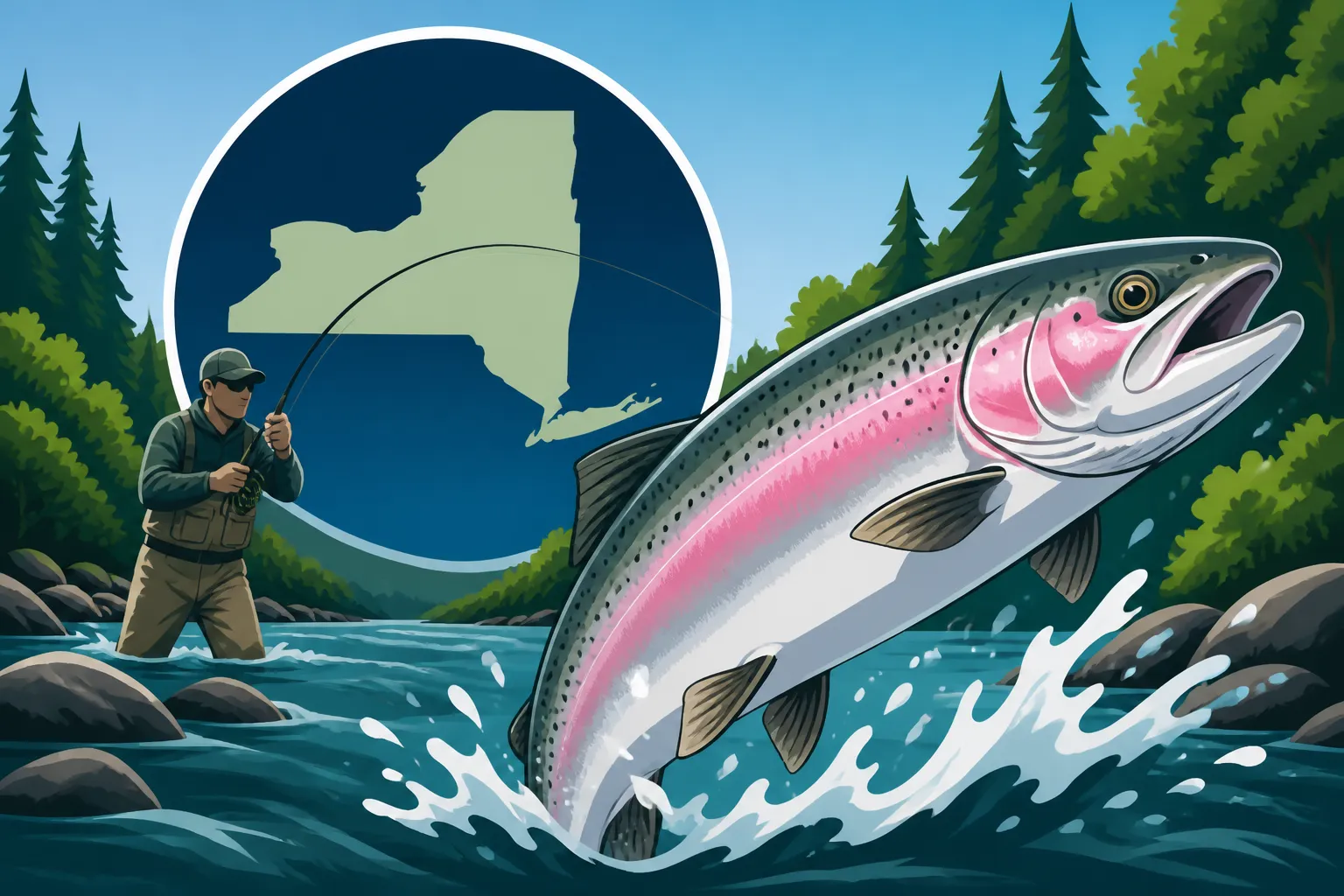
The idea of chasing steelhead on New York's Lake Ontario tributaries is incredibly exciting, but for many anglers, especially those not local to the region or new to this challenging fishery, the sheer scale of these rivers and the elusive nature of steelhead can feel overwhelming. It's easy to get lost, struggle with techniques, or simply miss out on the best fishing windows if you're not armed with deep local knowledge. This guide will walk you through everything you need to know about hiring a steelhead guide on these famed waters, helping you turn those dreams of chrome into a successful reality.
Why Hire a Steelhead Guide on Lake Ontario Tributaries?
Navigating the world of steelhead fishing, particularly on the big, dynamic tributaries flowing into Lake Ontario, can be a steep learning curve. These aren't your typical placid trout streams; they are powerful, often wide, and their fish are notoriously finicky. That's where a good steelhead guide becomes an invaluable asset, transforming a potentially frustrating outing into an educational and often highly successful adventure. It’s not just about catching fish; it’s about learning the subtle nuances of the river and the species.
Navigating Challenging Waters and Conditions
The tributaries of Lake Ontario, like the Salmon River, Oswego River, or Black River, are formidable bodies of water. They can be swift, deep, and ever-changing, especially with fluctuations in weather and dam releases. For an unfamiliar angler, just knowing where to safely wade, or even where public access points truly are, can be a major headache. A guide knows these rivers like the back of their hand. They understand how recent rains affect water levels and clarity, how temperature swings impact fish behavior, and where the current flow creates prime holding lies for steelhead. They can safely navigate you to productive spots, whether by drift boat, raft, or by leading you through complex wading routes that you might never find (or feel comfortable tackling) on your own. This expertise mitigates risks and maximizes your time actually fishing, rather than scouting or struggling.
Unlocking Local Knowledge and Hotspots
Steelhead are migratory fish, and their presence in the tributaries is highly dependent on timing, water conditions, and specific run patterns. What was a hotspot last week might be barren today. A seasoned guide lives and breathes these rivers. They are on the water almost daily, observing the movements of fish, tracking the runs, and understanding which pools, riffles, or runs are holding fish at any given moment. This isn't information you can easily glean from online forums or a quick glance at a map. Guides have years, often decades, of accumulated knowledge passed down from other anglers and learned through countless hours on the water. They know which areas perform best during the Fall Steelhead Run Timing in New York versus the Spring Steelhead Run Timing in New York, or how a particular weather pattern will shift the fish. This local intel is often the single biggest differentiator between a good day and a tough day.
Mastering Specialized Steelhead Techniques
Steelhead fishing isn't one-size-fits-all. While they are a type of rainbow trout, their anadromous nature (migrating from the lake to spawn in rivers) makes them a unique challenge. Anglers employ various specialized techniques, from indicator nymphing with delicate presentations to drift fishing with egg sacs, or even swinging flies. A guide not only teaches you these techniques but also tailors them to the specific conditions of the day and your skill level. They can help you with proper rigging, casting mechanics in tight quarters, how to read water for subtle takes, and even the best way to fight a powerful steelhead in strong current. For example, understanding How to Fish Egg Sacs for Steelhead effectively requires finesse and knowledge of drift speeds, which a guide can impart directly. They’ll also have the right gear, from specialized rods and reels to a vast array of flies, beads, and baits that are proven producers on their home waters. This level of personalized instruction and access to optimized tackle can shave years off your learning curve.
What to Expect from a Guided Steelhead Trip
Booking a steelhead guide isn't like fishing with a buddy. It's a professional service designed to provide you with the best possible experience, combining instruction, local expertise, and often, equipment. Knowing what to expect beforehand can help you prepare and get the most out of your investment.
Gear, Tackle, and Bait Provided
One of the huge advantages of a guided trip is that you generally don't need to worry about bringing all your own specialized gear. Most reputable steelhead guides provide top-notch rods, reels, lines, leaders, and a full arsenal of flies, beads, and bait. This is a massive relief for traveling anglers or those just starting out who don't want to invest heavily in tackle before they've even tried the sport. The guide will have a setup perfectly matched to the conditions and the techniques they plan to employ, whether that's a lengthy float rod for drift fishing or a specialized fly rod for swinging streamers. They'll also have a fresh supply of the most effective baits and lures, knowing exactly what the fish are keying in on. While you can certainly bring your own favorite rod, don't feel obligated. Confirm with your guide exactly what they provide when you book, but generally, you'll be well-equipped.
Typical Trip Duration and Structure
Steelhead guide trips typically run either a half-day (around 4-5 hours) or a full-day (8-9 hours). Full-day trips are by far the most popular and recommended, as they allow ample time to travel to different spots, adapt to changing conditions, and truly settle into the fishing rhythm without feeling rushed. A typical day often starts early, meeting at a predetermined location like a bait shop, coffee spot, or boat launch. From there, you might head out in a drift boat or raft, floating several miles of river while stopping at productive seams and pools. Alternatively, you might spend the day wading different sections of the river, with the guide driving you between access points. Lunch is usually included on full-day trips, often a streamside affair or a quick stop for a sandwich. The guide will work tirelessly to put you on fish, constantly adjusting strategies and offering instruction. They’re there to serve your fishing goals, whether that's learning a new technique or simply trying to land a trophy fish.
Safety First: Understanding Your Guide's Role
Beyond just finding fish, your guide's paramount responsibility is your safety. Steelhead rivers, especially the larger ones, can be treacherous with strong currents, deep holes, and slippery bottom conditions. A professional guide is trained in water safety, first aid, and navigating these environments. They will ensure you have appropriate safety gear, like life vests if you're in a boat, and will advise on safe wading practices. They are also intimately familiar with the weather patterns and river conditions, and will make informed decisions about when and where it's safe to fish. Should an unexpected medical situation arise or equipment fail, they are equipped to handle it. Think of your guide as your captain, teacher, and safety officer all rolled into one. Their experience is invaluable not just for catching fish, but for ensuring a secure and enjoyable day on the water.
Choosing the Right Steelhead Guide for Your Adventure
Selecting the perfect steelhead guide is crucial for a successful and enjoyable trip. It's more than just picking a name off a list; it's about finding someone whose expertise, style, and personality align with your expectations. Don't be afraid to ask questions before you commit. You can often find reputable guides through platforms like FishingBooker, which allows you to compare profiles and read reviews.
Experience and Reputation Matter
When it comes to steelhead, there's no substitute for experience. Look for guides who have spent years, if not decades, honing their craft on the specific Lake Ontario tributaries you plan to fish. An experienced guide will have seen all types of water conditions, understood how fish react to different pressures, and developed a deep arsenal of techniques. Don't just look for "a guide," look for a steelhead guide. Their reputation in the local angling community is also a strong indicator of their quality. Word-of-mouth recommendations, online reviews, and testimonials can provide valuable insight. A guide with a consistent track record of happy clients and successful trips speaks volumes. They should be knowledgeable not only about fishing but also about New York Fishing Regulations Explained and ethical angling practices. A good guide isn't just a fish catcher; they're a steward of the resource and an educator.
Guide Specializations and Preferred Methods
Not all steelhead guides are created equal, and many have specialties. Some might primarily focus on fly fishing, favoring techniques like indicator nymphing, tight-line nymphing, or swinging flies. Others might be experts in conventional tackle, utilizing float rods for drift fishing with egg sacs, beads, or jigs. There are also guides who are proficient in both. Consider your own fishing preferences and skill level. If you're a passionate fly angler looking to improve your nymphing game, a fly-fishing specialist would be ideal. If you prefer a more relaxed approach with conventional gear, ensure your guide excels in those methods. Discuss this openly during your initial inquiry. It's also worth asking about their preferred watercraft – do they mainly use drift boats, rafts, or do they primarily guide wade trips? This will influence the kind of experience you have and the stretches of river you'll fish.
Communication and Personality Fit
Beyond technical skills, the guide's personality and communication style can make or break your trip. You'll be spending many hours together in close quarters, so a good rapport is important. Look for a guide who is patient, a good teacher, and genuinely enjoys sharing their knowledge. Do they respond promptly and clearly to your inquiries? Are they willing to tailor the trip to your goals, whether that's catching a lot of fish, learning new techniques, or simply enjoying the scenery? Some anglers prefer a quiet, focused guide, while others thrive with a more outgoing and conversational personality. Don't hesitate to have a brief phone conversation with a prospective guide before booking. This gives you a chance to gauge their demeanor and ensure you feel comfortable with them. A great guide-client relationship enhances the entire experience, turning a fishing trip into a memorable adventure.
Key Lake Ontario Tributaries for Steelhead Fishing
New York's Lake Ontario watershed is blessed with numerous rivers and creeks that host impressive steelhead runs. Each tributary has its own unique characteristics, flow dynamics, and peak fishing times, making for a diverse array of angling opportunities.
The Mighty Salmon River: A Steelhead Mecca
Without a doubt, the Salmon River, flowing through Pulaski, New York, is the crown jewel of Lake Ontario steelhead fishing. It's legendary for its strong runs of Chinook and Coho salmon in the fall, followed by an equally impressive influx of steelhead that often linger through the winter and into the spring spawn. This river is large, powerful, and offers a mix of deep pools, strong runs, and technical riffles. Its consistent flows, thanks to dam control, mean it often remains fishable even during periods of heavy rain or drought that might sideline other rivers. Due to its popularity and consistent fishing, many guides specialize exclusively on the Salmon River, offering both drift boat and wade trips. You can learn more in-depth about this fishery in our New York's Salmon River Fishing Guide. Expect to see a mix of anglers, from fly fishers to those using conventional gear, all hoping to land one of its famous chrome beauties.
Other Productive Tributaries
While the Salmon River often gets the spotlight, many other Lake Ontario tributaries offer fantastic steelhead opportunities, often with less pressure. Rivers like the Oswego River, Genegantslet Creek, Sandy Creek, and the Black River all see significant steelhead runs. The Oswego River, for instance, is another large, dam-controlled river known for its diverse fishery, including robust steelhead populations. Smaller creeks like Sandy Creek can be excellent, particularly during periods of higher water, though they might be more dependent on natural precipitation. These "smaller" rivers often require a different approach, perhaps more wading or targeting specific bottlenecks where fish hold. A guide specializing in these lesser-known, yet highly productive, waters can offer a more intimate and potentially less crowded fishing experience. Exploring these can be a great way to experience Steelhead Trout in New York in a more serene setting.
Understanding Tributary-Specific Regulations
It's absolutely critical to remember that while steelhead fishing falls under general New York State fishing regulations, many individual tributaries have their own special regulations that can differ significantly. These might include specific open seasons, different tackle restrictions (e.g., fly fishing only sections, single hook requirements), altered catch-and-release rules, or even bait restrictions. For example, some sections might be closed to fishing at certain times, or prohibit the use of natural bait. These special regulations are put in place to protect the fishery and ensure its sustainability. A good guide will be intimately familiar with the rules for the specific stretches of river they are fishing and will ensure you are compliant. However, it's always wise for you as an angler to familiarize yourself with the New York Freshwater Fishing Rules and any specific regulations for your chosen river before you go. You can usually find these detailed regulations in the New York State Department of Environmental Conservation (DEC) fishing guide.
Preparing for Your Guided Steelhead Excursion
You've booked your guide, set the date, and the excitement is building! Now, let's talk about how to prepare so you can maximize your time on the water and ensure a smooth, enjoyable trip. A little preparation goes a long way.
Essential Personal Gear to Bring
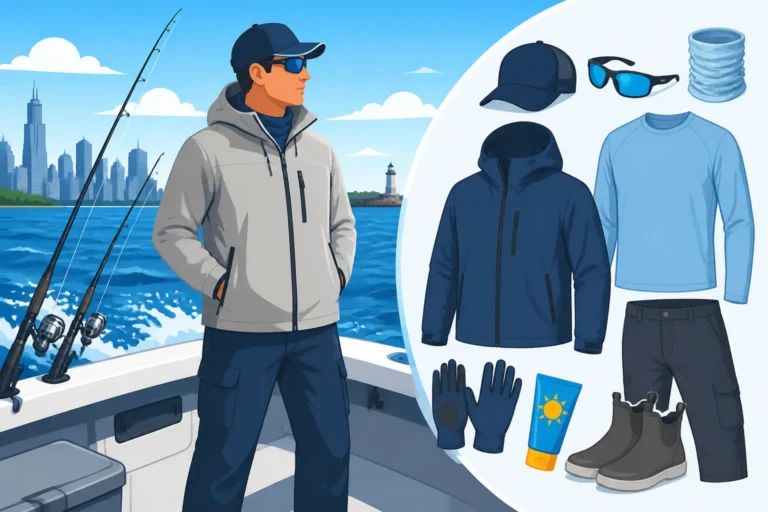
While your guide will provide most of the fishing tackle, there are several crucial personal items you'll need to bring to stay comfortable and safe. First and foremost, wear layers! New York weather, especially around Lake Ontario tributaries in the fall, winter, and spring, can be unpredictable. Think moisture-wicking base layers, a warm fleece or down mid-layer, and a waterproof and windproof outer shell. Good quality polarized sunglasses are a must for spotting fish and protecting your eyes. A warm hat and waterproof gloves are also highly recommended. If you plan on wading, investing in a good pair of breathable waders and wading boots (with felt or rubber soles for traction) is essential. Your guide can advise on specific footwear, but studded soles are often preferred for grip on slippery riverbeds. Don't forget sunscreen, lip balm, and any personal medications. Check out our guide on What to Bring on a New York Fishing Charter for a more comprehensive checklist that often applies to guided river trips too.
Understanding Licensing Requirements
Here's a critical point: you are responsible for obtaining your own New York State fishing license. Your guide cannot provide this for you, and fishing without one is illegal and carries significant penalties. Before your trip, make sure you have a valid New York Fishing License Guide for the appropriate season and fishing type (freshwater). If you're a non-resident, you'll need a non-resident license. Consider if you'll be fishing for multiple days; weekly or annual licenses might be more cost-effective depending on your plans. You can usually purchase licenses online through the NYS DEC website, at various sporting goods stores, or at most town clerk offices. Always carry proof of your license with you while fishing, whether it's a physical copy or a digital one on your phone. Your guide will expect you to have this in order.
Tipping Etiquette and Post-Trip Follow-up
Just like any service industry, tipping your fishing guide is customary and highly appreciated, recognizing their hard work, expertise, and dedication. A general rule of thumb is to tip 15-20% of the trip's total cost. If your guide went above and beyond, provided excellent instruction, put you on a lot of fish, or handled challenging conditions with grace, consider tipping more. It's usually best to present the tip in cash directly to the guide at the end of the day.
After your trip, consider sending a quick thank-you to your guide. If you had a great experience, leaving a positive review on platforms like FishingBooker or their personal website can be incredibly helpful for their business. Sharing photos (with their permission) is also a nice gesture. This kind of follow-up helps build relationships and supports the guiding community that makes these incredible fishing opportunities accessible. Don't forget to ask about booking your next trip – once you find a great guide, you'll want to fish with them again! Our article on Tipping Etiquette for New York Fishing Charters provides more general advice, but the principles certainly apply here.
Steelhead Guide Comparison Chart
To help you decide what kind of guide might be the best fit for your next Lake Ontario tributary adventure, here's a quick comparison of common guide attributes:
| Feature | Drift Boat Guide | Wade Guide | Fly Fishing Specialist | Conventional Tackle Specialist |
|---|---|---|---|---|
| Mobility | Covers many miles of river, accesses remote spots | Focuses on specific productive runs, more intimate | Focuses on fly-only techniques | Focuses on float fishing, spinning techniques |
| Approach | Actively fishes from boat, stops to wade | Guides on foot, teaches wading and bank fishing | Deep expertise in fly presentation, entomology | Deep expertise in bait selection, drift speed, jigging |
| Gear Provided | Typically all rods, reels, tackle, safety gear | Often includes specialized rods/reels, flies/baits, safety gear | High-end fly rods, reels, custom fly patterns | Specialized float rods, bait, jigs, beads |
| Best For | Covering lots of water, targeting varied lies, less walking | Focused instruction on specific techniques, more active movement | Anglers seeking to master fly fishing for steelhead | Anglers preferring traditional methods, precise bait presentation |
| Physical Demands | Moderate (getting in/out of boat, some wading) | Higher (lots of walking, wading in currents) | Moderate to high (casting, wading, stealth) | Moderate (casting, wading, steady focus) |
| River Type Preference | Larger, more navigable rivers (e.g., Salmon River) | Smaller creeks or specific runs on larger rivers | Rivers with good fly water, diverse hatches | Versatile across most tributary types |
Disclaimer
This article is for general informational purposes only and does not constitute professional advice. Laws, prices and regulations vary by location and change over time. Consult a qualified professional for guidance on your specific situation.