Do Kids Need a Fishing License to Fish in New York?
Navigating the ins and outs of fishing regulations can sometimes feel like trying to untangle a stubbornly knotted fishing line, especially when you're trying to introduce the joy of angling to your children. Many parents scratch their heads, wondering, "Do my kids really need a fishing license to cast a line in New York?" It's a common and completely valid question that often leads to confusion and unnecessary worry. This comprehensive guide is here to clear up all that uncertainty, ensuring your family's next fishing adventure is all about the fun, not the paperwork.
The Age-Old Question: Do Kids Really Need a License in New York?
Let's get straight to the heart of the matter because this is where most of the stress comes from. You want to make sure you're doing everything by the book, but the rules aren't always crystal clear at first glance. For those precious moments of teaching your child to fish, the last thing you want is a run-in with a well-meaning but firm DEC officer.
The Magic Number: Under 16 Rules
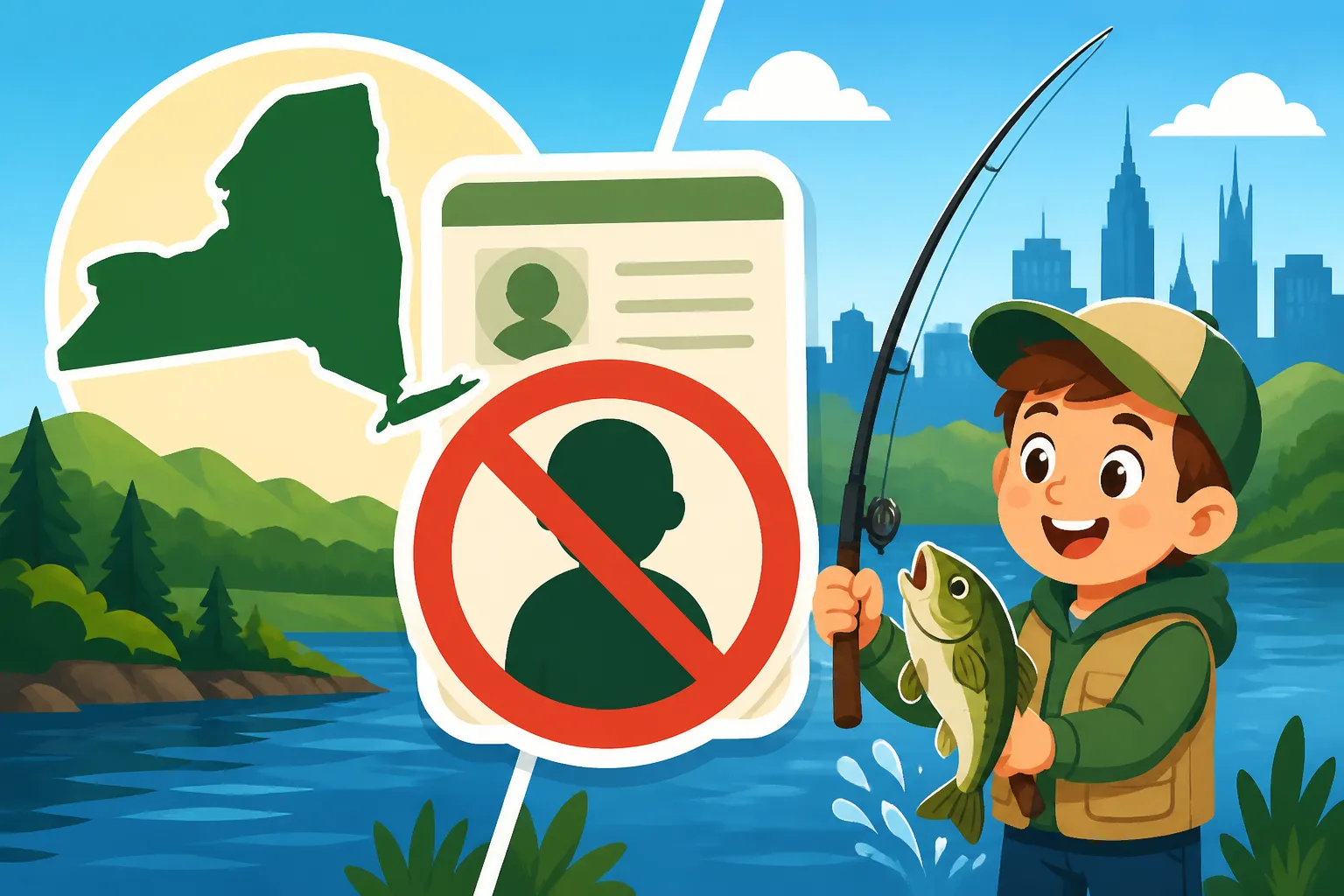
In New York State, the good news for families is quite simple: children under the age of 16 do not need a freshwater fishing license to fish. That's right! If your child is 15 years old or younger, they can grab a rod and reel and join you on any freshwater lake, river, or pond in the state without needing their own license. This is a fantastic incentive from the New York State Department of Environmental Conservation (DEC) to encourage youth participation in angling, removing one significant barrier for parents.
Think about it – this means your curious 7-year-old, your budding 12-year-old angler, or your almost-there 15-year-old can all experience the thrill of a tug on the line without you having to worry about an extra purchase. It simplifies family outings immensely. Imagine a beautiful summer day on Lake George, your youngest proudly holding their first sunfish, and you knowing you've introduced them to a lifelong hobby without any bureaucratic hoops. This rule applies uniformly across all freshwater bodies in New York, from the smallest Catskill stream to the vast expanses of the Finger Lakes. It's truly a gift to foster that early connection with nature and the sport. For a broader understanding of the requirements, you can always refer to the complete New York Fishing License Guide.
Why These Rules Exist: Protecting Our Future Anglers
The decision to exempt young children from needing a fishing license isn't just a random act of kindness; it's a strategic move by the state to invest in the future of fishing and conservation. The primary goal is to make fishing as accessible and appealing as possible for the younger generation. By removing the cost and administrative hurdle of a license, the DEC hopes to encourage more parents and guardians to introduce their children to the outdoors and the joys of fishing.
When kids fall in love with fishing, they also often develop an appreciation for nature, wildlife, and the importance of conservation. They learn about aquatic ecosystems, responsible angling practices like catch-and-release handling, and the impact of pollution. These experiences are invaluable. Furthermore, these young anglers are the future stewards of our natural resources. By making it easy for them to start, New York is cultivating a generation that will care for its lakes, rivers, and fish populations, ensuring the sport thrives for decades to come. It’s a smart, forward-thinking approach that prioritizes engagement over immediate revenue from youth licenses.
What About Different Types of Fishing? Freshwater vs. Saltwater
New York State offers an incredible diversity of fishing opportunities, from the smallest trickling trout streams to the vast, open waters of the Atlantic Ocean. Because of this, the licensing requirements can sometimes differ depending on where you plan to wet a line. It's crucial to understand these distinctions so you're always prepared, whether you're chasing bass upstate or bluefish off Long Island.
Freshwater Fun: Lakes, Rivers, and Ponds
As we just covered, the freshwater rules are quite straightforward for the younger crowd: if your child is under 16, they do not need a New York State freshwater fishing license. This rule holds true for every stream, pond, lake, and river within New York's borders. So, whether you're planning a weekend camping trip to the Adirondacks and want to try for brook trout, or just heading to a local town park pond for some panfish, your kids are good to go without a separate license.
This exemption is a huge relief for families. It means you can spontaneously decide to go fishing without an extra stop at a tackle shop or town clerk's office just for the kids. It’s all about encouraging those impromptu adventures and creating lasting memories. You can confidently explore many of New York's fantastic freshwater spots, knowing that your youngsters are legally covered. Just make sure you, as the adult, have your own valid license and are aware of the specific New York Freshwater Fishing Rules for the waterbody you're visiting. Always double-check bag limits and season dates, as those apply to everyone, regardless of age or license status.
Saltwater Adventures: Marine Fishing Registry Specifics
Now, here's where things get a little different, but still very manageable. For saltwater fishing in New York, the requirement isn't a traditional "license" but rather registration with the New York State Recreational Marine Fishing Registry. The good news is that just like with freshwater fishing licenses, children under the age of 16 are exempt from this registration requirement as well.
So, if you're planning a trip to the coast, maybe fishing for fluke off a pier in Montauk, or trying for striped bass in the Long Island Sound, your kids can join in without you needing to register them. This maintains the same spirit of encouraging youth participation as the freshwater rules. The marine registry is primarily for adults (aged 16 and older) and is free to enroll in. It helps the DEC track recreational fishing effort and catch data, which is vital for managing fish populations. If you’re fishing for marine species, whether from shore, a private boat, or a for-hire vessel, and you are 16 or older, you must be registered. You can learn more about how to sign up for the New York Saltwater Fishing Registration Guide. The key takeaway here is that for both freshwater and saltwater angling, New York simplifies things for its youngest residents.
To give you a clearer picture, here's a quick table summarizing the requirements for young anglers in New York:
| Age Group | Freshwater Fishing License | Saltwater Marine Fishing Registry | Notes |
|---|---|---|---|
| Under 16 | Not required | Not required | Applies to all freshwater and marine fishing within New York State. |
| 16 and Over | Required (purchase) | Required (free registration) | Adults must have appropriate licensure/registration. |
Special Scenarios and Exceptions for Young Anglers
While the general rule of "under 16 equals no license" is broadly true for New York, there are always a few specific situations that might raise questions. It's good to be prepared for these, so you can focus on the fishing and not on unexpected surprises. Understanding these nuances will help ensure a smooth and enjoyable experience for everyone involved.
Free Fishing Days: A Golden Opportunity
New York State generously offers several Free Fishing Days throughout the year. These are fantastic opportunities for everyone, regardless of age, to fish New York's abundant waters without needing a fishing license or marine registry. These days are specifically designed to introduce people to fishing or to allow those who might not fish regularly to enjoy the sport.
On these designated days, the "under 16" exemption still applies, but the beauty is that even if your child were 16 or older, or if you, as an adult, didn't have a license, you could all fish together legally. It's a perfect chance to bring friends or extended family who might be hesitant to buy a license, especially if they're unsure if fishing is for them. These days usually coincide with major holidays or specific seasons to maximize participation. Keep an eye on the official DEC calendar for specific dates each year; you can usually find them by searching for the New York Free Fishing Days Calendar. It's an excellent way to get a taste of New York fishing without any commitment.
Fishing on Private Property or with a Charter
Another common question that pops up is about private property or guided trips. Does fishing on your grandparent's private pond or taking a charter trip change the rules for kids?
For fishing on private property, as long as the water body is entirely contained within the property (meaning no inlet or outlet streams connecting to other public waters), and you have permission from the landowner, the need for a license can sometimes be waived for everyone, including adults. However, this is a very specific and less common scenario in New York, as most waters, even small ponds, often have some connection to the broader hydrological system. It's always safest to assume that if you're 16 or older, a license is required, unless you've confirmed otherwise with the DEC for that exact waterbody. For kids under 16, the exemption still stands.
When it comes to fishing with a charter or licensed guide, the situation is also straightforward. For children under 16, no license or registration is required, even on a charter boat. The charter captain or guide typically handles their own commercial licenses and ensures the trip adheres to all regulations regarding catch limits and seasons. As an adult, you, the customer, are still responsible for possessing your own valid New York fishing license or marine registry, depending on the type of fishing. So, if you're booking a Lake Ontario salmon charter or a Hudson River striped bass guide, your kids are good to go, but you'll need your paperwork in order. This makes booking a family-friendly fishing excursion super easy, as you only have to worry about your own permit. Many captains are incredibly welcoming to young anglers and enjoy sharing their passion.
Catch-and-Release for Kids
Sometimes, parents wonder if the "no license for kids" rule changes if they're only planning to do catch-and-release. The answer is no, it doesn't change anything. Whether your child is keeping their catch (within legal limits) or practicing catch-and-release, the license exemption for those under 16 remains the same. The focus is on the act of fishing itself, not the disposition of the fish.
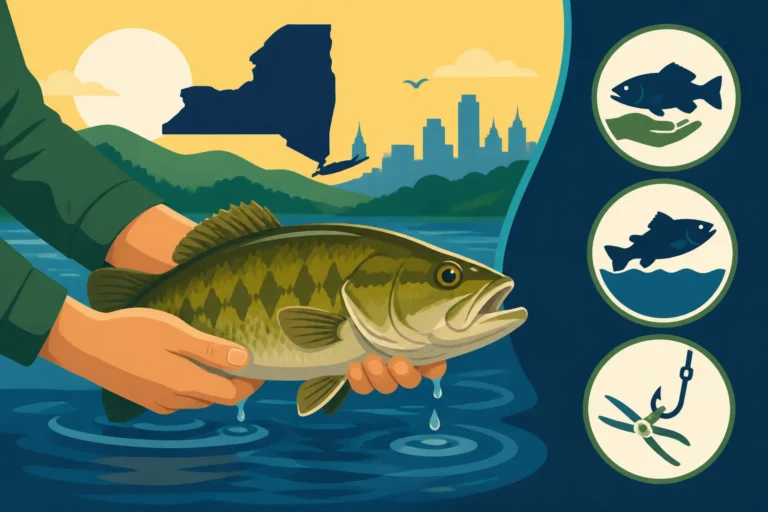
It's a fantastic idea to teach kids about catch-and-release from an early age, especially for certain species or when fishing in areas under special regulations. It instills respect for the fish and the environment. Learning proper catch-and-release handling rules, such as minimizing air exposure and using appropriate tools, is a valuable part of becoming a responsible angler. Even without a license, teaching these ethics is part of developing a complete understanding of the sport. The New York DEC Fishing Regulations Guide offers detailed information on proper handling practices.
Beyond the License: What Else to Consider for Young Anglers
While the license situation for kids in New York is blessedly simple, there's more to a successful and enjoyable fishing trip than just paperwork (or lack thereof!). To really hook your young angler on the sport, you need to think about comfort, safety, and, most importantly, fun. These considerations will make all the difference between a memorable day on the water and one that ends in frustration.
Gear Up for Success: Kid-Friendly Equipment
Starting with the right gear is paramount. Imagine trying to teach a 6-year-old to fish with a heavy, adult-sized rod and a complicated reel – it's a recipe for quick disinterest! Investing in kid-friendly equipment makes the learning process much smoother and more enjoyable.
Look for lightweight, shorter rods (around 4-5 feet) that are easy for small hands to manage. Spin-cast (push-button) reels are often the best choice for beginners, as they are simple to operate and minimize tangles. Brands like Ugly Stik, Zebco, or Shakespeare often have excellent kid-specific combos that come pre-spooled with line. You don't need to break the bank; a decent combo can be found on platforms like Amazon for a very reasonable price. Consider a tackle box that's easy for them to open and organize, maybe even one with their favorite cartoon characters to make it feel special. Small, dull hooks (size 8-12) are safer, and brightly colored bobbers add an extra element of visual excitement when they dip. Remember, the goal is ease of use and immediate gratification, not necessarily landing a trophy fish on the first try. Having gear that fits them empowers them to be more independent and engaged.
Safety First: Essential Tips for Family Fishing
Safety is always the top priority, especially when you're out on the water with children. Even calm lakes can present unforeseen hazards.
- Life Jackets: This is non-negotiable. If you're fishing near or on the water, especially in a boat or near steep banks, ensure every child (and adult!) is wearing a properly fitting life jacket. New York State law requires all children under 12 to wear a USCG-approved life jacket on any vessel under 65 feet while underway. Even from shore, it's a smart precaution. You can find comfortable, kid-specific life jackets on Amazon that allow for a full range of motion. For more on this, check out Life Jacket Requirements While Fishing.
- Sun Protection: Kids' skin is delicate. Pack wide-brimmed hats, sunglasses, and plenty of reef-safe sunscreen. Long-sleeved, lightweight shirts can also offer great protection.
- First Aid Kit: A basic first aid kit with band-aids, antiseptic wipes, and pain relievers is essential for minor cuts or scrapes that can happen while handling hooks or exploring.
- Hydration and Snacks: Fishing can be demanding, even for little ones. Bring plenty of water and easy-to-eat snacks to keep energy levels up and prevent meltdowns.
- Buddy System: Always have an adult closely supervise children near the water. Teach them the "buddy system" if there's more than one child.
By addressing these safety concerns upfront, you create a secure environment where everyone can relax and truly enjoy the fishing experience.
Making It a Positive Experience: Patience and Fun
This is arguably the most critical aspect of introducing kids to fishing. Remember your own first fishing trips? They were likely less about technique and more about the excitement of being outdoors and the hope of catching something.
- Patience is Key: Kids have short attention spans. Don't expect them to sit still for hours. Plan shorter trips initially, perhaps just an hour or two. If they get bored, let them explore, skip rocks, or do something else. You can always try fishing again later.
- Focus on the Process, Not Just the Catch: Celebrate every part of the experience: seeing a heron, finding a cool rock, learning to tie a knot (even a simple one!), or just successfully casting their line. A fish caught is a bonus, but the time spent together is the real prize.
- Keep It Simple: Don't overload them with complex instructions. Focus on one step at a time, like casting, reeling, or feeling a bite.
- Embrace the "Gross" Factor: Many kids are fascinated by bait like worms or minnows. Let them touch it (if they want!), and explain how it works. This engagement makes them feel more connected to the process.
- Celebrate Small Victories: Even a tiny sunfish is a huge accomplishment for a new angler. Take pictures, tell stories, and make a big deal out of their efforts. You're building a foundation of positive memories that will encourage them to come back for more. Think of some of the Best Fishing Spots for Kids in New York where success is almost guaranteed, like local ponds stocked with panfish.
Encouraging the Next Generation of Anglers
Beyond the initial fun and excitement, there's a deeper value in getting kids involved in fishing. It's not just about catching fish; it's about connecting with nature, developing life skills, and fostering a sense of stewardship for our natural world. As veteran anglers, it's our responsibility and privilege to pass on this cherished tradition.
Educational Opportunities and Programs
New York State, through the DEC and various local organizations, offers a wealth of educational opportunities designed to engage young people with fishing and the environment. These programs often go beyond just how to cast and reel, diving into topics like fish identification, aquatic ecology, conservation principles, and ethical angling.
Many state parks, nature centers, and even some sporting goods stores host youth fishing clinics, often tied to the Free Fishing Days. These events provide a structured, supportive environment for kids to learn from experienced anglers and environmental educators. They might learn about the different Fish Species You Can Catch in New York, how to identify a bass from a walleye, or the life cycle of a salmon. These hands-on experiences are invaluable and often spark a lifelong interest. Look for local youth fishing clubs or conservation groups that offer mentorship programs. Organizations like the Izaak Walton League or Trout Unlimited often have youth chapters that get kids involved in stream cleanups, habitat restoration, and, of course, fishing. You might even find comprehensive guides on How to Fish With Kids in New York through these organizations or the DEC website, offering tips and resources specifically for engaging young minds.
Benefits of Getting Kids Outdoors
In today's increasingly digital world, the benefits of getting children outdoors are more critical than ever. Fishing provides a unique gateway to nature, offering far-reaching advantages beyond just the thrill of a catch.
- Reduced Screen Time: Perhaps the most immediate benefit for many parents! Fishing naturally pulls kids away from phones, tablets, and video games, replacing passive consumption with active engagement.
- Physical Activity: While fishing isn't a high-impact sport, it involves walking to fishing spots, casting, reeling, and sometimes navigating uneven terrain. It encourages movement and helps develop fine motor skills.
- Patience and Focus: Fishing inherently teaches patience. Waiting for a bite, learning to tie a knot, or staying still to observe wildlife all demand focus and delay gratification – skills that are incredibly valuable in all areas of life.
- Problem-Solving Skills: "Why aren't the fish biting?" "What bait should I use?" "How do I untangle this line?" These questions, common to fishing, encourage critical thinking and problem-solving.
- Appreciation for Nature: Spending time by a lake, river, or ocean fosters a deep connection to the natural world. Kids learn to appreciate wildlife, understand ecosystems, and develop a sense of responsibility for environmental stewardship.
- Stress Reduction and Mental Well-being: The calming effect of being in nature, combined with the focused activity of fishing, can be incredibly beneficial for mental health, reducing stress and anxiety in children.
- Family Bonding: Fishing trips create invaluable opportunities for families to spend quality time together, away from distractions. These shared experiences build stronger bonds and create cherished memories that last a lifetime. Stock up on some family-friendly games or books for downtime, perhaps found on Amazon, to enhance the trip's relaxation factor.
- Understanding Regulations: While younger kids don't need a license, teaching them about catch limits, minimum sizes, and conservation reinforces the idea of responsible resource management. This aligns perfectly with the comprehensive New York Fishing Regulations Explained which emphasize sustainable practices.
Ultimately, introducing kids to fishing is an investment in their holistic development. It's about nurturing a love for the outdoors, fostering important life skills, and ensuring that the tradition of angling, and the conservation ethics that come with it, continue for generations to come. So, pack your gear, grab your kids (and their license-free enthusiasm!), and head out to enjoy the fantastic fishing New York has to offer.
Disclaimer
The information provided in this guide is for general informational purposes only and does not constitute legal advice. While we strive to provide accurate and up-to-date information, fishing regulations are subject to change by the New York State Department of Environmental Conservation (DEC). It is the responsibility of every angler to consult the official DEC website or the most current New York State fishing regulations guide before engaging in any fishing activity. Always verify specific rules, season dates, and catch limits for the waterbody you plan to fish.