Does New York Honor Out-of-State Fishing Licenses?
It's a common dilemma that vexes many an enthusiastic angler who travels: "Can I just use my home state's fishing license when I visit New York?" The thought of having to navigate new regulations and purchase another license can be a real headache, especially if you're just popping over the border for a weekend trip. This guide is here to clear up that confusion, lay out the general rules, highlight the crucial exceptions, and help you ensure your fishing adventures in the Empire State are always legal and hassle-free.
Understanding New York's General Reciprocity Rules
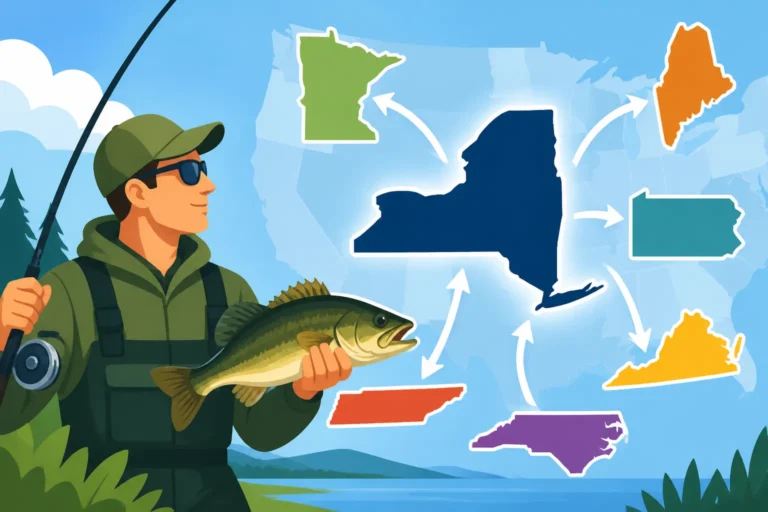
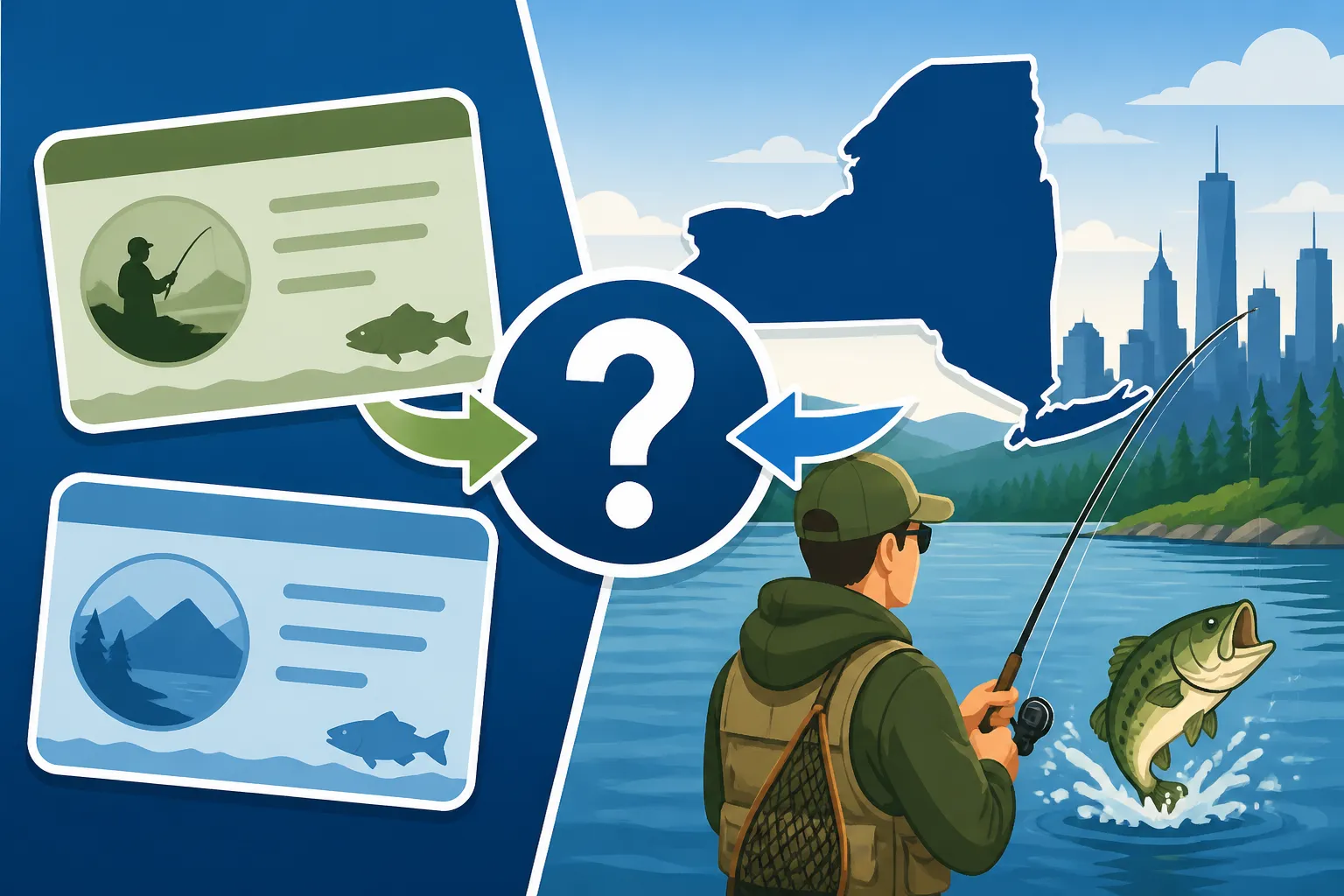
Let's cut right to the chase: as a general rule, New York State does not honor out-of-state fishing licenses. I know, it's frustrating. You’d think that if you’ve already got a valid license from, say, Pennsylvania or Massachusetts, that it would be sufficient for a quick trip across the border. Unfortunately, that's rarely the case in the world of fishing regulations across state lines. Each state has its own system for managing its fisheries, funding conservation efforts, and tracking angler participation, and licenses are a key part of that system.
This means if you're planning to fish anywhere within New York's vast and diverse waters—whether it's the serene lakes of the Adirondacks, the productive streams of the Catskills, or the bustling waters off Long Island—you'll need to possess a valid New York fishing license. It's a fundamental requirement, and failing to adhere to it can lead to some pretty significant headaches, including fines and potential confiscation of gear. Think of it as a small contribution to keeping New York's incredible fisheries healthy and accessible for everyone.
The rationale behind this isn't to make things difficult for you, but rather to ensure that the revenue generated from license sales stays within the state that manages and stocks those specific waters. The New York State Department of Environmental Conservation (DEC) uses these funds to maintain public access sites, conduct fish stocking programs, monitor fish populations, and enforce fishing laws. Without these funds, the quality of fishing in New York would undoubtedly suffer. So, while it might feel like an extra hurdle, your license purchase directly supports the angling opportunities you enjoy.
The Critical Exceptions: Border Waters Agreements
While the general rule is "no reciprocity," there are some incredibly important and often-appreciated exceptions, specifically concerning shared or "border" waters. These are special agreements New York has with neighboring states to simplify things for anglers fishing waters that literally straddle state lines. It's a common-sense approach that prevents you from needing two licenses just to fish a single body of water. However, it's crucial to understand the specifics of each agreement, as they are not all identical.
Fishing Lake Champlain with a Vermont License
One of the most prominent examples of a border water agreement involves Lake Champlain, which is shared between New York and Vermont. If you possess a valid Vermont fishing license, you are generally permitted to fish the New York portions of Lake Champlain. This is a huge relief for anglers who live near the border and frequently cross between states. The agreement covers the main lake and its navigable tributaries up to the first dam or falls. This is where attention to detail really matters; fishing a tributary too far upstream, beyond the designated reciprocal zone, could put you in violation if you only have a Vermont license. For specific details, it’s always wise to consult the New York Fishing Regulations Explained guide or the Vermont Fish & Wildlife Department’s regulations.
The convenience of this agreement really shines during peak fishing seasons, especially for species like lake trout, salmon, or bass. Imagine the frustration if you hooked a trophy smallmouth bass in the middle of Lake Champlain, only to realize you were technically in New York waters without a New York license. These agreements prevent such scenarios, allowing anglers to focus on the fish, not the invisible state line. However, remember that all other New York fishing rules, like catch limits and season dates, still apply when you are in New York waters, regardless of which state’s license you hold.
Navigating the Delaware River with a Pennsylvania License
Another vital reciprocal agreement is for portions of the Delaware River, which forms part of the border between New York and Pennsylvania. In this case, if you have a valid fishing license from either New York or Pennsylvania, you can fish the main stem of the Delaware River that constitutes the boundary between the two states. This is a tremendous benefit for fly anglers targeting wild brown trout and rainbow trout in this iconic river, or for smallmouth bass enthusiasts. Just like with Lake Champlain, these agreements typically cover the main stem and specific areas, but they generally do not extend into non-boundary tributaries.
Anglers need to be particularly vigilant when fishing the Delaware. While you might be legally fishing the main river with your Pennsylvania license, venturing a few hundred yards into a New York tributary like the Beaverkill or Willowemoc Creek without a New York license would be a clear violation. These boundary water agreements are carefully delineated, and it's your responsibility to know exactly where they apply. Many anglers keep a physical map or a GPS fishing app handy to ensure they stay within the reciprocal zones. Sometimes, even the smallest detail, like being in the wrong pool of a river, can make all the difference.
The St. Lawrence River and Other Border Waters
New York also shares portions of the St. Lawrence River with Ontario, Canada. However, the reciprocity rules for international borders are much stricter, and a Canadian license is not valid for fishing in New York waters, and vice-versa. You will need the appropriate license for the country you are fishing in. Similarly, while there are other border areas with states like New Jersey, Connecticut, and Massachusetts, specific fishing license reciprocity agreements are generally limited. For instance, Long Island Sound, shared with Connecticut, requires a New York Recreational Marine Fishing Registry (which is free) or a Connecticut marine license respectively for saltwater species in their respective state waters, but a freshwater license from one state doesn't generally cover the other.
It’s always, always best practice to check the most current New York DEC regulations or contact them directly before heading out to any border water. Misinterpretations can be costly. You can usually find the most up-to-date information on the DEC's website, or by picking up a copy of the official New York DEC Fishing Regulations Guide from a local bait shop or sporting goods store. Better safe than sorry, right?
Obtaining a New York Fishing License for Non-Residents
Given that most out-of-state licenses aren't honored, your best bet for fishing in New York is to simply purchase a non-resident New York fishing license. The process is straightforward, and the flexibility it provides is well worth the investment. New York offers various license options, designed to cater to different lengths of stay and types of fishing. This makes it convenient whether you're visiting for a single day, a week-long vacation, or even if you plan on making multiple trips throughout the year.
Types of Non-Resident Licenses Available
New York offers a few distinct choices for non-resident anglers:
- Annual Non-Resident Fishing License: This is your best value if you plan to fish in New York multiple times within a license year (which runs from March 1st to February 28/29th). It provides unlimited freshwater fishing opportunities.
- 7-Day Non-Resident Fishing License: Perfect for a week-long vacation or an extended weekend trip. This license is valid for seven consecutive days from the date of purchase. If you're planning a fishing trip to the Finger Lakes or the Salmon River, this might be your ideal choice. You can find more details on the New York 7-Day Fishing License to see if it fits your schedule.
- 1-Day Non-Resident Fishing License: If you're just passing through or want to try out a specific fishing spot for a single day, this option is incredibly convenient. It’s a great way to experience a particular fishery without committing to a longer license. Check out the New York 1-Day Fishing License details if you're only making a brief visit.
Additionally, don't forget the New York Recreational Marine Fishing Registry. This is not a license, but a free annual registration required for most saltwater anglers aged 16 and older. Even if you have a valid New York freshwater license, you still need to register for the Marine Fishing Registry if you plan to fish in marine waters (like Long Island Sound or the Atlantic Ocean). It's free and easy to sign up for online, so there's really no excuse not to do it! This is key if you’re heading to fish for striped bass or fluke.
Where and How to Purchase Your License
Getting your New York fishing license is surprisingly easy these days. The most convenient way for most people is online through the New York DEC's official website. This allows you to purchase and print your license from the comfort of your home, ensuring you have it in hand before you even hit the road. This also means you don't have to scramble to find a vendor the moment you arrive.
Alternatively, you can purchase licenses in person at various authorized license issuing agents across the state. These often include:
- Walmart: Many Walmart stores in New York have a sporting goods department where you can buy licenses. It's a convenient one-stop shop for both your license and any last-minute gear you might need.
- Sporting Goods Stores: Local bait and tackle shops, as well as larger sporting goods retailers like DICK'S Sporting Goods, are excellent places to buy licenses. The staff there are often avid anglers themselves and can provide valuable local fishing reports or tips.
- Town and County Clerk Offices: Many municipal offices are authorized to issue fishing licenses.
When purchasing, you'll need to provide some basic personal information, including your full name, date of birth, address, and proof of residency for your home state (a driver's license usually suffices). The cost for a non-resident license can vary, so it's a good idea to check the current New York Nonresident Fishing License Cost on the DEC website before you plan your trip. While you're at it, you might want to consider checking out some fishing guide books available on Amazon to get a head start on understanding local techniques or hot spots.
What Happens If You Fish Without the Correct License?
Fishing without the proper license in New York is a serious offense, and it's definitely not worth the risk. The New York State Environmental Conservation Police Officers (ECOs) are diligent in their patrols, both on land and water, and they have little tolerance for non-compliance. Their job is to protect New York's natural resources, and licensing is a key component of that mission.
Penalties and Consequences
If you are caught fishing in New York waters without a valid New York fishing license (and not under one of the specific border water agreements where your home state license is honored), you could face a range of penalties. These typically include:
- Fines: The monetary penalties can be substantial, often hundreds of dollars, especially if you're also found in violation of other regulations (like possessing undersized fish or exceeding catch limits).
- Confiscation of Gear: In some cases, your fishing rods, reels, and other equipment can be confiscated. Imagine losing your favorite fishing rod because you didn't spend a few dollars on a license!
- Court Appearances: You might be required to appear in a local court, which can be a huge inconvenience, especially if you're from out of state.
- Loss of Future Privileges: Repeated offenses or severe violations could potentially lead to the suspension of your fishing privileges in New York, and possibly even other states depending on inter-state agreements.
It's simply not worth it. The cost of a non-resident fishing license pales in comparison to the potential fines and legal troubles you could encounter. It's always better to ensure you're fully compliant before you cast your first line. For a deeper dive into what to expect, you can read more about the Penalties for Fishing Without a License in New York.
Common Misconceptions and How to Avoid Them
Many anglers assume that just because they're fishing in a small pond on private property, or from a pier, that a license isn't required. In New York, if it's considered public water or accessible to the public, a license is almost always needed. The only general exceptions are private ponds that are entirely enclosed and have no natural outlet, where fish cannot enter or leave. Even then, you need to be absolutely sure.
Another misconception is that marine registration isn't necessary because it's "free." While it's true the Marine Fishing Registry is free, it is still a requirement for saltwater fishing for anyone 16 years or older. Failing to register can result in a ticket, just like not having a freshwater license. Always double-check which New York Fishing License Types Explained apply to your specific situation and fishing location.
The bottom line is to always err on the side of caution. If you're unsure, consult the official New York DEC website or contact them directly. You can find their contact information online or in the annual fishing regulations guide. It’s also wise to check for any special regulations specific to the body of water you intend to fish, as these can sometimes override general statewide rules. A quick search on Amazon for a local New York fishing map can also help you identify specific water bodies and their unique rules.
Understanding the Details: A Quick Reference Table
To help you quickly grasp the key takeaways, here's a handy table summarizing New York's reciprocity rules for out-of-state anglers:
| Situation | Does NY Honor Out-of-State License? | What You Need | Key Considerations |
|---|---|---|---|
| Fishing any New York inland waters | No | A valid New York State fishing license (Annual, 7-Day, or 1-Day Non-Resident). | This includes rivers like the Salmon River, Finger Lakes, Adirondack Lakes, Catskill Streams, etc. This is the most common scenario. |
| Fishing Lake Champlain (NY/VT Border) | Yes (Vermont license) | Either a valid New York fishing license OR a valid Vermont fishing license. | Applies to the main lake and navigable tributaries up to the first dam/falls. All NY regulations (seasons, limits) apply when in NY waters. |
| Fishing Delaware River (NY/PA Border) | Yes (Pennsylvania license) | Either a valid New York fishing license OR a valid Pennsylvania fishing license. | Applies to the main stem of the river that forms the border. Does not extend into non-boundary tributaries. All NY regulations (seasons, limits) apply when in NY waters. |
| Fishing St. Lawrence River (NY/Canada) | No | A valid New York State fishing license for NY waters. A valid Ontario/Canadian license for Canadian waters. | International border; strict separation of licensing requirements. |
| Fishing Long Island Sound / Atlantic Ocean | N/A (Saltwater) | Required: New York Recreational Marine Fishing Registry (free) OR a valid Connecticut marine fishing license (only for CT waters). | Marine Fishing Registry is not a license but a free registration required for saltwater anglers 16+. Your freshwater license doesn't cover saltwater. Refer to New York Saltwater Fishing Registration Guide |
| Fishing in private, enclosed ponds | Often No (unless truly isolated) | Typically a New York State fishing license. Only exception: entirely enclosed, unstocked private ponds with no outlet/inlet to public waters. Always verify locally. | Even on private land, if the water body has an inlet or outlet to public waters, or is stocked by the state, a license is required. |
Conclusion: Plan Ahead for a Smooth Fishing Trip
The takeaway here is pretty clear: unless you are specifically fishing the designated reciprocal waters of Lake Champlain or the Delaware River, you're going to need a New York fishing license to legally cast a line in the Empire State. It might seem like an extra step, but honestly, it's a small price to pay for access to some of the most incredible freshwater and saltwater fishing opportunities in the Northeast.
Planning ahead by purchasing your non-resident license online or knowing where you'll get it upon arrival can save you a lot of stress and potential legal trouble. Think of it as part of your essential fishing gear, right up there with your rod, reel, and tackle box. Whether you're chasing trophy salmon in Lake Ontario, battling smallmouth bass in the St. Lawrence, or enjoying some peaceful trout fishing in the Catskills, having the correct license ensures your focus can stay where it belongs: on the joy of fishing. Remember, good preparation is key to a successful and worry-free fishing adventure in New York!
Disclaimer
Please note that fishing regulations can change. While this guide provides comprehensive and up-to-date information based on current New York State DEC guidelines, it is always your responsibility to consult the official New York State Department of Environmental Conservation (DEC) website or their most recent fishing regulations guide before engaging in any fishing activity. This article is for informational purposes only and does not constitute legal advice.