New York Fishing License Age Cutoff Explained
It's a question that pops into the mind of almost every parent or guardian planning a fishing trip with their little ones: "Do my kids actually need a fishing license?" The New York fishing license age cutoff can feel a bit like navigating a maze, full of potential pitfalls if you don't have the right information. This comprehensive guide will untangle the rules, clarify exactly who needs a license and who can fish freely in New York State, and help you ensure a worry-free day on the water with your budding anglers.
The Core Rule: Who Needs a License and Who Doesn't
Let's cut right to the chase because this is the most common point of confusion. New York State has a very clear, family-friendly policy when it comes to fishing licenses for young people. It's designed to encourage youth participation in outdoor activities, and frankly, it's a huge relief for parents!
Children Under 16 Fish for Free
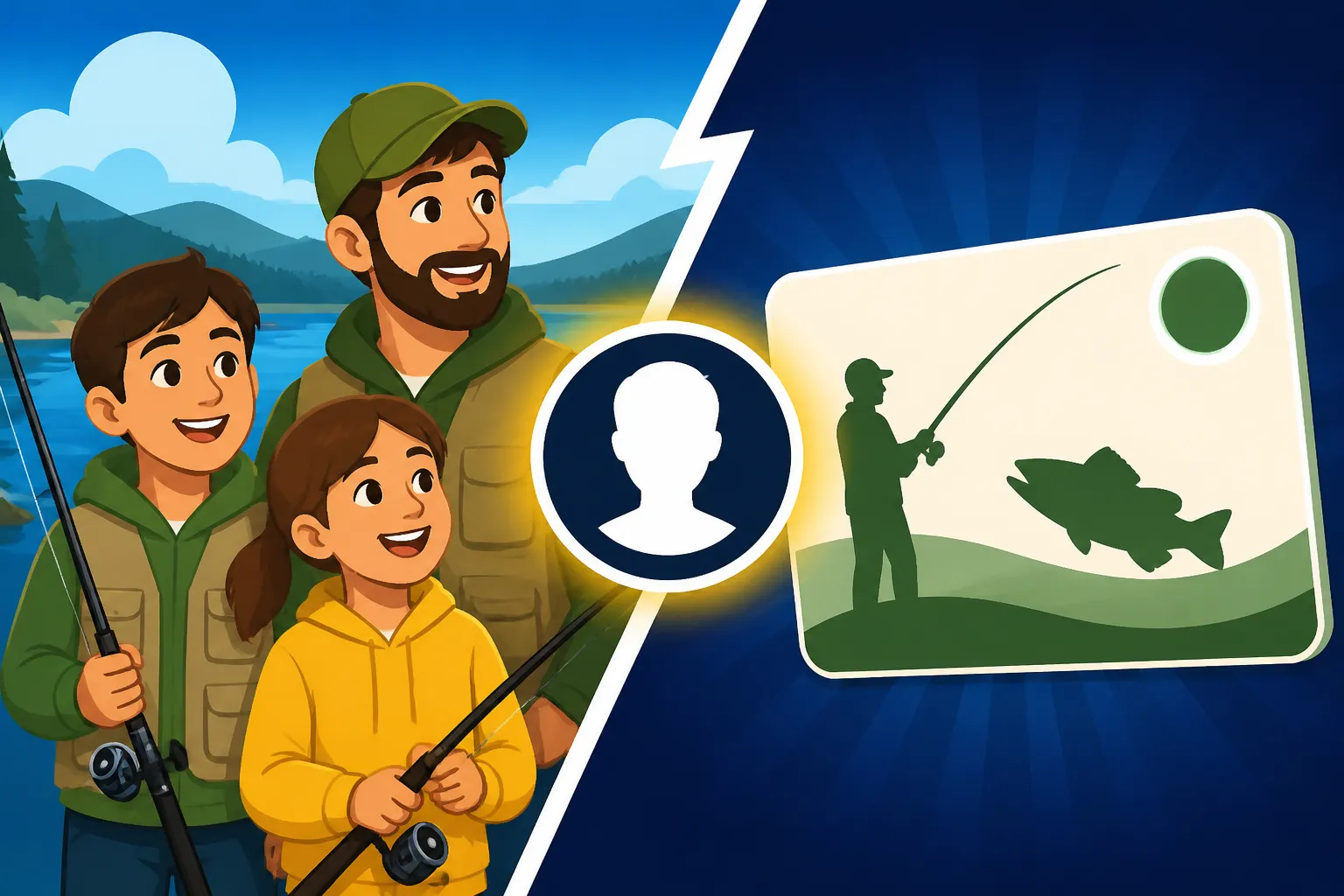
Here's the good news that will probably make you smile: any child under the age of 16 does not need a freshwater fishing license to fish in New York State. That's right, your budding angler can cast a line in any of New York's beautiful lakes, rivers, or streams without you having to purchase a separate license for them. This policy is fantastic because it removes a financial barrier that might otherwise prevent families from enjoying fishing together. Think of all the money you can save on licenses and instead put towards fun snacks for the tackle box or that cool new fishing hat your kid has been eyeing!
This exemption applies to all of New York's inland waters, from the smallest trout stream in the Catskills to the expansive waters of Lake Champlain. It's a wonderful way for kids to learn the ropes, develop a love for the outdoors, and create lasting memories without the added bureaucratic hurdle. Just imagine the joy on their face when they reel in their first sunfish or perch, and you won't have to worry about any license checks for them. For a broader overview of state requirements, you might want to check out our main article on the New York Fishing License Guide.
The 16 and Over Requirement
Now, while the kids under 16 get a free pass, once an individual turns 16, the rules shift. As soon as someone reaches their sixteenth birthday, they are considered an adult in the eyes of New York's fishing regulations and must possess a valid New York fishing license to fish in freshwater. This applies whether they are a seasoned angler who has been fishing since they could walk or someone just picking up a rod for the first time. There’s no grace period; the moment they hit 16, a license is required.
It’s important to plan ahead if you have a child approaching this milestone. You wouldn't want to get caught off guard. You can easily purchase a license online, at a New York State Department of Environmental Conservation (DEC) office, or through various license issuing agents, including many sporting goods stores and town clerks. For more details on where and how to acquire these, our guide on Where to Buy a New York Fishing License can be really helpful. It’s a straightforward process, but knowing the age cutoff is key to avoiding any potential issues.
Marine Recreational Fishing Registry for Saltwater
While the freshwater rules are quite clear, New York's saltwater fishing has its own distinct requirements, and the age cutoff for the Marine Recreational Fishing Registry generally mirrors the freshwater license rules. This is another area where many anglers, especially those new to saltwater, can get confused.
Under 16 Exempt from Marine Registry
Just like with freshwater licenses, children under 16 years of age are also exempt from the New York State Marine Recreational Fishing Registry. This means your youngsters can chase striped bass, fluke, bluefish, and other saltwater species in the vast waters of Long Island Sound, the Atlantic Ocean, or the mighty Hudson River estuary without needing to register. This is great news for families planning a day trip to the coast or hopping on a party boat out of Montauk or Sheepshead Bay.
This exemption is another fantastic incentive to get kids involved in marine fishing. They can experience the thrill of battling a big saltwater fish, learn about different coastal ecosystems, and develop respect for the ocean without any additional cost or paperwork for you. It simplifies family outings considerably, allowing you to focus on the fun of the catch. Our detailed guide on the New York Saltwater Fishing Registration Guide offers even more insights into these specific regulations.
16 and Older Must Register (It's Free!)
For individuals aged 16 and older, the New York State Marine Recreational Fishing Registry is required for most recreational saltwater fishing activities. However, here's the best part: it's absolutely free! While it's a mandatory step, there's no fee associated with it. This is a crucial distinction from the paid freshwater fishing license. The registry is primarily a data collection tool for the National Marine Fisheries Service, helping them manage fish stocks effectively.
Even though it's free, it's still a requirement. Failing to register when you're 16 or older and fishing in marine waters can lead to a violation, just like fishing without a freshwater license. The process to sign up for the registry is quick and easy, typically done online through the DEC website. Don't let the "free" aspect make you think it's optional; it's a necessary step for adults engaging in saltwater fishing.
Why Age-Based Regulations Exist
You might wonder why New York, or any state for that matter, has these specific age cutoffs for fishing licenses. It's not just arbitrary; these rules are in place for several very good reasons, all designed to balance conservation, funding, and public engagement.
Encouraging Youth Participation
One of the primary reasons for allowing children under 16 to fish without a license is to encourage youth participation in outdoor activities. The DEC recognizes the importance of fostering an appreciation for nature, wildlife, and fishing from a young age. By removing the cost and administrative hurdle of a license, they make it easier for families to introduce kids to fishing. It's an investment in the future of conservation, as today's young anglers are tomorrow's stewards of natural resources.
Think about it: a parent who wants to take their 8-year-old out for a couple of hours might hesitate if they had to buy an additional license. By making it free for kids, the state ensures that fishing remains an accessible, enjoyable, and educational activity for young people. This policy aligns with broader efforts to get kids off screens and into the great outdoors, helping them develop valuable skills and a lifelong hobby. Many parents look for affordable ways to engage their children, and fishing, especially with this age exemption, provides an excellent opportunity. For beginners, getting some basic gear like a telescopic rod and reel combo, which can be easily found on platforms like Amazon, makes the entry point even smoother.
Funding Conservation Efforts
For those aged 16 and over, the requirement to purchase a freshwater fishing license is directly linked to funding vital conservation and management programs. The revenue generated from license sales, along with federal excise taxes on fishing tackle and motor boat fuel (through the Dingell-Johnson Act), goes directly into maintaining fish populations, stocking programs, habitat restoration, research, and enforcement. Essentially, when you buy a license, you're contributing to the health and sustainability of New York's fisheries.
This model ensures that the very resources anglers enjoy are protected and managed for future generations. While it might sometimes feel like another expense, it's actually an investment in the sport itself. Without these funds, many of the successful stocking programs, like those for trout in countless streams or salmon in Lake Ontario tributaries, wouldn't be possible. So, when your child turns 16 and needs their first license, explain to them that they're now part of a larger community of conservationists. Information on specific costs can be found in our article New York Fishing License Costs and Options.
Practical Advice for Fishing with Young Anglers
Even though children under 16 don't need a license, there are still some important considerations and best practices to keep in mind when taking them fishing. These aren't regulatory requirements but rather ways to ensure a safe, fun, and responsible experience for everyone.
Understanding Catch Limits and Regulations
While your child might not need a license, the fish they catch are absolutely subject to all of New York's fishing regulations, including size limits, daily creel limits, and season dates. It's the responsibility of the accompanying adult (or the child themselves if they are fishing independently and over the license age) to know and abide by these rules. For instance, if you're fishing for bass, there will be specific New York Bass Season Dates and size limits that apply to everyone in your group, regardless of age.
Imagine your 10-year-old reels in a beautiful trout, but it's under the minimum legal size for that particular water. You'll need to know how to safely release it back into the water, even if they're disappointed. Teaching kids about these rules from a young age instills a sense of ethical angling and conservation. It's a fantastic opportunity to educate them about sustainable fishing practices and why it's important to protect fish stocks. You can find detailed rules in the official New York DEC Fishing Regulations Guide.
Safety First and Best Practices
Fishing with kids means prioritizing safety above all else. This includes wearing life jackets, especially if fishing from a boat or near swift currents, using appropriate sun protection, and being aware of their surroundings. Sharp hooks, slippery banks, and strong currents can all pose risks. Always pack a small first-aid kit for minor cuts and scrapes, which are almost inevitable when fishing with enthusiastic youngsters.
Beyond safety, consider bringing along essential comfort items. Pack plenty of water, snacks (a tackle box isn't just for lures!), and appropriate clothing for changing weather conditions. A comfortable chair, bug spray, and even a small portable fan on hot days can make a huge difference in keeping kids happy and engaged. Remember, a child's attention span can be shorter, so keep initial trips brief and focused on fun rather than catch numbers. You can find many of these outdoor essentials, from life vests to water bottles, by browsing various online retailers, including Amazon, where selection is wide.
| Age Group | Freshwater Fishing License | Marine Recreational Fishing Registry | Important Notes |
|---|---|---|---|
| Under 16 | Not Required | Not Required | Encourages youth participation; still subject to all bag/size limits and seasons; adult supervision recommended. |
| 16 and Older | Required | Required (Free) | Freshwater license has a fee and contributes to conservation; Marine Registry is free but mandatory for data collection. Both are crucial for legal angling. |
Exceptions and Additional Considerations
While the "under 16" rule is generally consistent, there are always nuances and special circumstances in fishing regulations. It's worth being aware of these to ensure you're always on the right side of the law.
Free Fishing Days
New York State hosts several "Free Fishing Days" throughout the year. On these designated days, anyone, regardless of age or residency, can fish in New York's freshwater without a fishing license. This is an incredible opportunity for families, beginners, or even seasoned anglers who might have let their license lapse to enjoy a day on the water without any license requirements. These days are perfectly designed for introducing new people, especially older teens who might be just on the cusp of needing a license, to the joys of fishing.
The dates for these free fishing days are typically announced annually by the DEC. They're often timed to coincide with popular holidays or events, making it easy for families to participate. While no license is needed, all other fishing regulations, such as catch limits and size restrictions, remain in effect. It's a fantastic program that further lowers the barrier to entry for the sport. Keep an eye on the official New York Free Fishing Days Calendar to plan your outings accordingly.
Fishing on Chartered Boats
If you decide to take your kids (or yourself) on a chartered fishing trip, particularly for saltwater fishing, the question of licenses often comes up. Generally, on licensed charter boats in New York, the boat's license or permits cover all individuals on board, meaning individual anglers usually do not need their own personal fishing license or marine registry. However, it is always, always best to confirm this directly with your specific charter captain before booking or embarking on the trip.
Charter captains are highly knowledgeable about the specific regulations that apply to their vessel and their clients. They are professionals and will ensure everything is in order. Never assume you're covered; a quick phone call can prevent any misunderstandings. This is particularly relevant for those spectacular Lake Ontario salmon charters or deep-sea trips out of Long Island, where a captain's expertise is invaluable. For more about this, you might be interested in Do I Need My Own Fishing License on a Charter Boat?.
Understanding Residency for Older Teens
When a teenager reaches 16 and needs to purchase a license, their residency status in New York becomes important, as it impacts the cost of the license. A New York resident fishing license is typically less expensive than a nonresident license. Generally, to qualify as a New York resident for licensing purposes, an individual must have resided in the state for a consecutive period of at least 30 days immediately prior to applying for the license.
This can be particularly relevant for college students or children of families who recently moved to New York. If your 16-year-old just moved from out of state, they might need to wait the 30 days or purchase a nonresident license initially. The criteria for residency are clearly outlined by the DEC and are essential to understand to ensure you purchase the correct and most cost-effective license.
Ultimately, New York State has made it incredibly easy and accessible for young people under the age of 16 to get out and enjoy fishing. This thoughtful approach not only fosters a love for the outdoors but also helps ensure the future of conservation efforts. By understanding these simple age cutoffs, you can confidently plan your next fishing adventure, knowing that you and your family are fully prepared and compliant with all the necessary regulations. Happy fishing!
Disclaimer
The information provided in this guide is for general informational purposes only and is not intended as legal advice. Fishing regulations in New York State can change, and specific rules may vary by location, species, and time of year. Always consult the official New York State Department of Environmental Conservation (DEC) website or the current year's New York State Fishing Regulations Guide for the most accurate and up-to-date information before you go fishing.