Is Ice Fishing Legal Year-Round in New York?
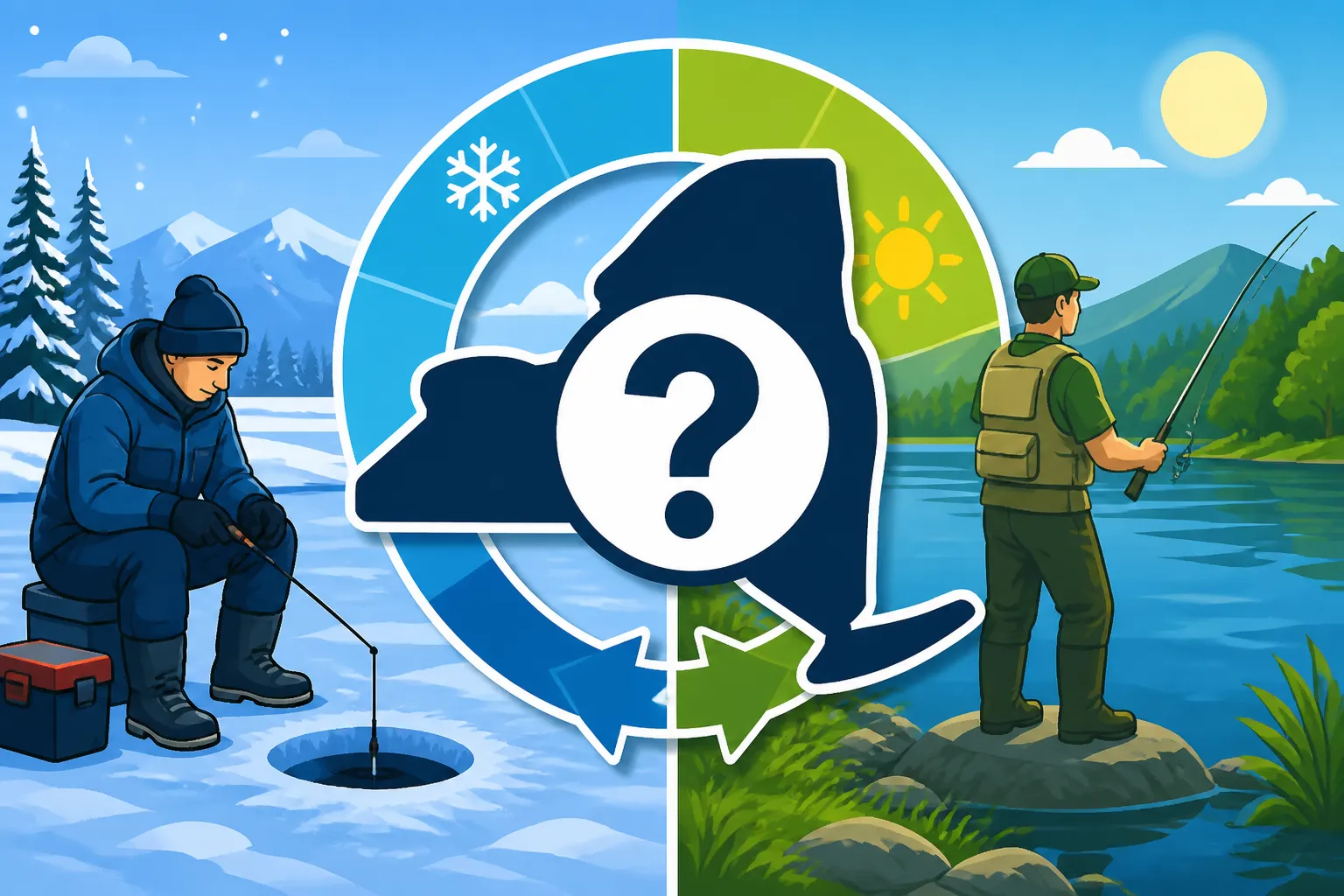
That crisp bite in the air, the thought of hardwater fishing, dropping a line through a freshly drilled hole — it’s an angler’s dream for many here in New York. But sometimes that enthusiasm leads to a common question: Is ice fishing legal year-round in our great state? The straightforward answer, and one that keeps us safe and compliant, is no. Ice fishing is a strictly seasonal activity, dictated by both natural conditions and stringent regulations to protect anglers and our precious fisheries.
The Truth About Year-Round Ice Fishing in New York
It's easy to get excited about the thought of ice fishing, especially when the ice finally starts to thicken, but the idea of doing it year-round is simply not aligned with New York's climate or its conservation efforts. Our winters, while often robust, simply don't provide the consistent, safe ice cover necessary for a twelve-month hardwater season. Furthermore, the New York State Department of Environmental Conservation (DEC) has clear guidelines on when ice fishing is permitted, and these dates are tied closely to both safety and biological cycles of the fish.
Why "Year-Round" Just Isn't a Reality for Ice
Let's face it, New York is known for its four distinct seasons, and the "ice" part of ice fishing is entirely dependent on sustained freezing temperatures. Imagine trying to ice fish in July on Lake Champlain or the Hudson River; it's simply not possible, and certainly not safe. Beyond the obvious climatic challenges, fish species have specific spawning seasons and biological needs that are better served by different fishing methods throughout the year. For instance, chasing panfish through the ice in February is a completely different ballgame than targeting bass in open water during their spring spawn. The legal seasons are carefully crafted to allow for recreational fishing while also ensuring the long-term health and sustainability of fish populations. Without these seasonal breaks, we'd quickly see declines in our favorite species, and nobody wants that.
Understanding New York's Defined Ice Fishing Season
The ice fishing season in New York is primarily determined by ice formation and, more specifically, by official regulations for certain waters and species. Generally speaking, ice fishing is permitted statewide from November 15 through May 1. However, this is a broad stroke, and the actual start and end dates for safe, fishable ice will vary wildly depending on the specific body of water and the weather patterns of any given winter. You could be jigging for perch on a small Adirondack pond in early December, while the larger Finger Lakes might not see safe ice until January or even February. Always prioritize safety over eagerness. The DEC emphasizes that no ice is 100% safe, and conditions can change rapidly. For a detailed look at what constitutes safe ice, you can read more about How Thick Does Ice Need to Be to Fish Safely?.
Here’s a quick overview of typical ice thickness recommendations:
| Ice Thickness | Safety Recommendation | Activity Permitted |
|---|---|---|
| Less than 2" | DO NOT GO ON ICE | None |
| 2" | Stay Off | None |
| 3" | Walk, Single File | Ice fishing, Skating |
| 4" | Groups, Fishing Shanty | Ice fishing, Skating |
| 5-7" | Snowmobile, ATV | Ice fishing, Travel |
| 8-12" | Small Car, Light Truck | Ice fishing, Travel |
| 12-15" | Medium Truck | Ice fishing, Travel |
Important Note: These are general guidelines. Always check local conditions, heed warnings, and exercise extreme caution. Water currents, springs, and submerged structures can all create thin spots, even on seemingly thick ice.
Navigating New York's Specific Ice Fishing Regulations
Beyond the seasonal timing, knowing the actual rules is paramount. It’s not enough to simply know when you can go; you also need to know how to go about it legally and safely. New York fishing regulations are comprehensive, and ice fishing has its own set of considerations that differ from open-water fishing. Ignoring these rules isn't just risky for your wallet, it can also harm the very fish populations we love to target.
Statewide Rules vs. Local Pond Variations
While the November 15 to May 1 timeframe applies broadly to the statewide ice fishing season, it's absolutely crucial to remember that many lakes, rivers, and ponds have special regulations that supersede these general rules. For example, some waters might have different catch limits or even closed seasons for specific species, even during the general ice fishing window. You might find a unique regulation for trout on an Adirondack lake, or different rules for panfish on certain Finger Lakes. Before you even think about drilling a hole, you need to consult the current New York Fishing Regulations Explained guide or the DEC's specific regional fishing guides. These documents are your bible on the ice, and a physical copy is often available at bait shops, tackle stores, or online. It’s a good idea to always keep a copy handy, perhaps even a digital one on your phone, to avoid any confusion.
One prime example of localized rules comes into play with specific trout and salmon fisheries. While many waters are open for general ice fishing, you'll find that the harvest of certain species might be restricted or require specific stamps, like a What Is a Trout Stamp?, or have unique size and bag limits. This intricate web of rules ensures that delicate fish populations, like wild brook trout or spawning lake trout, are not overfished during vulnerable times. Always double-check the specific regulations for the water body you plan to fish, as rules can literally change from one side of a bridge to the other.
Permitted Gear and Safe Practices on the Ice
New York has specific rules regarding the gear you can use while ice fishing. For instance, the general rule is that anglers are permitted to use up to five ice fishing devices (tip-ups or lines) at a time. However, each device must be clearly marked with the angler's name and address. This isn't just a formality; it helps DEC officers identify responsible parties and ensures everyone is adhering to the limits. Leaving unmarked devices unattended is a quick way to encounter a fine. Beyond the number of lines, there are also rules about ice shanties and shelters. While portable shanties are generally allowed, they must be removed from the ice by March 15 on most waters, or by the date the ice becomes unsafe, whichever comes first. This prevents structures from becoming hazards as the ice melts.
Safety is paramount, and the DEC highly recommends carrying essential gear like ice picks worn around your neck, a spud bar to test ice thickness, and a throw rope. Many experienced ice anglers also invest in a flotation suit, especially early or late in the season. These suits, readily available from retailers like Amazon and local sporting goods stores, can be life-savers in an emergency. It's not about being overly cautious; it's about being prepared. Remember, even if the general season is open, if the ice isn't safe, you shouldn't be out there.
What You Need to Know About New York Ice Fishing Rules and Fish Limits
Just like open-water fishing, ice fishing has specific daily catch limits and minimum size requirements for various species. These are designed to maintain healthy fish populations and prevent overharvesting, particularly for popular species like walleye, perch, and northern pike. For example, if you're targeting walleye on Oneida Lake, the daily limit and minimum size might differ from what's allowed on Lake Erie. The same goes for trout; while some waters allow you to keep trout through the ice, others might have catch-and-release only rules or special slot limits.
It’s your responsibility as an angler to know these limits for the specific body of water and species you’re targeting. Ignorance of the law is not an excuse, and a conversation with a DEC officer could turn a fun day on the ice into a costly lesson. Many bait shops and local tackle stores are great resources for understanding the localized rules, as they deal with anglers daily and often have up-to-date information on common catches and restrictions. Checking the latest New York Fishing Season Dates and Catch Limits is non-negotiable before heading out.
Preparing for the Next Ice Season and Beyond
So, while ice fishing isn't a year-round affair, that doesn't mean your passion for fishing needs to go dormant when the ice melts. In fact, the "off-season" is the perfect time to prepare, plan, and transition your angling efforts to new challenges. Smart anglers use this time wisely, ensuring they're ready for whatever the changing seasons bring.
Essential Gear Checks and Purchases
As the ice retreats, it's time to put your ice fishing gear away properly. Clean and dry your auger, sharpen your blades, check your tip-ups for any damage, and ensure your portable shanty is dry and folded correctly for storage. This preventative maintenance saves you headaches (and money) next winter. Now is also a great time to evaluate what worked and what didn't. Did your old flasher struggle with battery life? Was your ice fishing rod a bit too stiff for those sensitive panfish bites?
This downtime is ideal for researching new gear or taking advantage of end-of-season sales. Perhaps you've been eyeing a new electric auger or a more comfortable ice fishing chair. Sites like Amazon offer a vast selection of ice fishing gear, from tiny jigs to portable heaters, allowing you to upgrade your arsenal for the next season. Thinking ahead ensures you're fully equipped when the ice returns, and you won't be scrambling at the last minute. This also extends to safety equipment; replace worn ice picks or refresh your first aid kit. Being prepared isn't just about catching fish; it's about making sure every trip is as safe and enjoyable as possible.
Transitioning to Open Water Opportunities
When the ice melts, New York truly comes alive with open-water fishing opportunities, and these are available year-round for many species and locations. Don't pack away your rods; just swap out your ice fishing tackle for your open-water setup! Spring brings incredible trout fishing in our streams and rivers – think of the thrill of How to Trout Fish in Early Spring! You can chase steelhead as they run our Great Lakes tributaries or target aggressive bass as they emerge from their winter haunts. The Hudson River lights up with the striped bass run, and our Finger Lakes offer fantastic fishing for lake trout and landlocked salmon.
Even in the dead of summer, while ice is a distant memory, you can be out on countless lakes and ponds, casting for largemouth bass in weedy coves or trolling for walleye on Lake Erie. The beauty of fishing in New York is its diversity. While ice fishing is a cherished tradition, it’s just one chapter in a year-long story of angling adventure. The transition from hardwater to open water is a seamless one for the prepared angler, offering new challenges and new species to pursue.
The Serious Ramifications of Off-Season Ice Fishing
It might seem like a small thing to drop a line through sketchy ice in early November before the season officially opens, or to stay out after the March 15th shanty removal deadline, but these actions carry real consequences. The DEC's regulations aren't arbitrary; they're designed for the safety of anglers and the health of our aquatic ecosystems. Ignoring them can lead to serious legal and financial troubles.
Financial Penalties and License Issues
Getting caught ice fishing outside the legal season, with too many lines, or without the proper license can result in significant fines. These aren't just minor slaps on the wrist; Penalties for Fishing Without a License in New York or violating season/size limits can range from hundreds to thousands of dollars, depending on the severity and frequency of the offense. In some cases, repeated violations can even lead to the suspension or revocation of your New York fishing license, meaning you won't be able to legally fish at all for a period of time. Imagine sitting out prime fishing season because you made a poor decision on the ice.
Furthermore, fishing when the ice is unsafe, even if technically within the season, can lead to dangerous situations requiring emergency services. While there might not be a direct fine for taking unnecessary risks, the cost of a rescue operation is substantial, and the risk to human life is immeasurable. Always remember that responsible angling includes respecting the rules and the conditions. You can check out a current New York Fishing License Guide if you need clarification on what's required for your specific situation.
The Critical Importance of Conservation and Safety
The regulations around ice fishing seasons and methods are fundamentally about conservation. They ensure that fish populations have uninterrupted periods for spawning and growth, which is vital for the long-term health of our fisheries. Fishing outside of established seasons, or exceeding catch limits, can put undue pressure on these populations, leading to declines that affect everyone. We're all custodians of our natural resources, and respecting these rules is part of that responsibility.
From a safety perspective, off-season ice fishing is incredibly dangerous. Early or late season ice is notoriously unpredictable. Thin spots, hidden currents, and rapidly changing temperatures can turn solid ice into a death trap in hours. The DEC and local authorities often issue warnings about unsafe ice, and venturing out regardless is a gamble with potentially tragic outcomes. It's a sobering reminder that while the thrill of the catch is powerful, it should never come at the expense of your own well-being or the health of New York's incredible fish populations. Always fish responsibly, safely, and legally.
Disclaimer
The information provided in this guide is for general informational purposes only and is not a substitute for official legal advice or current New York State Department of Environmental Conservation (DEC) regulations. Fishing rules and conditions can change frequently. Always consult the most recent official DEC fishing regulations guide before engaging in any fishing activities. Safety on the ice is paramount; no ice is 100% safe. Exercise extreme caution and be aware of current ice conditions.