Can I Renew My Fishing License Early?
It's happened to all of us: you're planning an exciting spring fishing trip, maybe to the Finger Lakes for some early trout, or perhaps a coastal outing for striped bass, and suddenly you remember, "Oh no, is my fishing license still valid?" That moment of panic, wondering if you'll have to scramble to renew it right before you hit the water, is completely relatable. The good news is, for those of us who like to be prepared, New York State offers a convenient way to renew your fishing license well in advance, taking that last-minute stress out of the equation.
Understanding New York Fishing License Expiration Dates
Before we dive into the "how" of early renewal, it's crucial to understand when your New York State fishing license actually expires. This might seem straightforward, but there are a couple of nuances that can catch even experienced anglers off guard. Knowing these details is the first step to staying legal and stress-free on the water.
Calendar Year vs. 365-Day Licenses
For the vast majority of New York anglers, especially those holding an annual freshwater or marine recreational fishing license, your license operates on a calendar year basis. This means that no matter when you purchase your annual license within a given year, it will always expire on December 31st of that same year. So, if you bought your license in June, it still runs out on December 31st. If you bought it in January, same deal. This fixed end date is a critical piece of information when planning your renewal. Unlike some other states or specific license types that might grant you 365 days from the date of purchase, New York's annual licenses reset with the calendar. It’s a common point of confusion, and understanding it is key to avoiding an unexpected lapse in coverage.
Conversely, there are some short-term options, like a 1-day or 7-day fishing license, which do provide coverage for a specific number of consecutive days from your chosen start date. These are perfect for a quick weekend trip or a vacation, but they aren't what we're talking about when discussing annual renewals. For a deeper dive into how these different licenses work, you might find our guide to New York Fishing License Expiration Date Explained helpful.
The Importance of Knowing Your Expiration
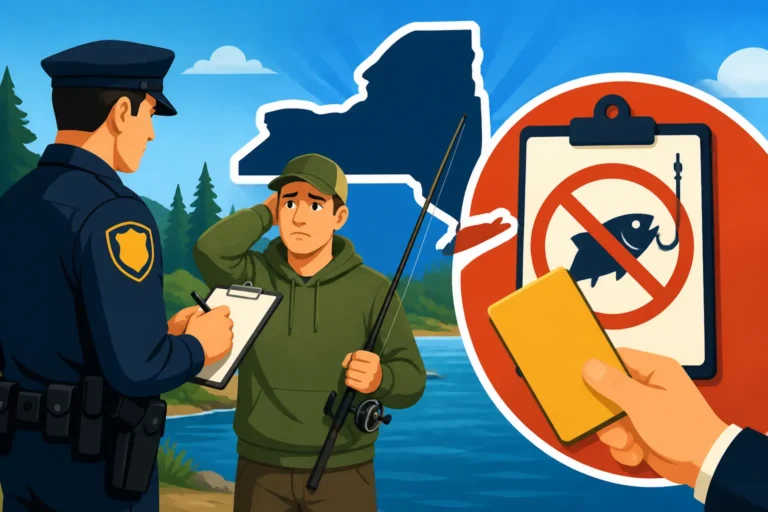
Letting your fishing license expire, even for a day, can turn a relaxing day on the water into a very unpleasant experience. Fishing without a valid license is a violation of state law, and the New York State Department of Environmental Conservation (DEC) enforcement officers take these regulations seriously. You could face hefty fines and potentially have your fishing privileges suspended. Imagine heading out for an early spring trout opener, excited to cast your line, only to realize mid-day that your license technically expired yesterday. That’s a headache no one wants.
Beyond the legal ramifications, keeping track of your expiration date ensures seamless access to your favorite fishing spots. You want to be able to wake up, grab your gear, and go, without having to worry about an online form or a trip to a vendor. Being proactive about knowing your expiration and planning your renewal safeguards your fishing time and your peace of mind. If you're curious about the potential repercussions, our article on Fishing Without a License in New York: What Happens provides important details.
Can You Really Renew Your New York Fishing License Early?
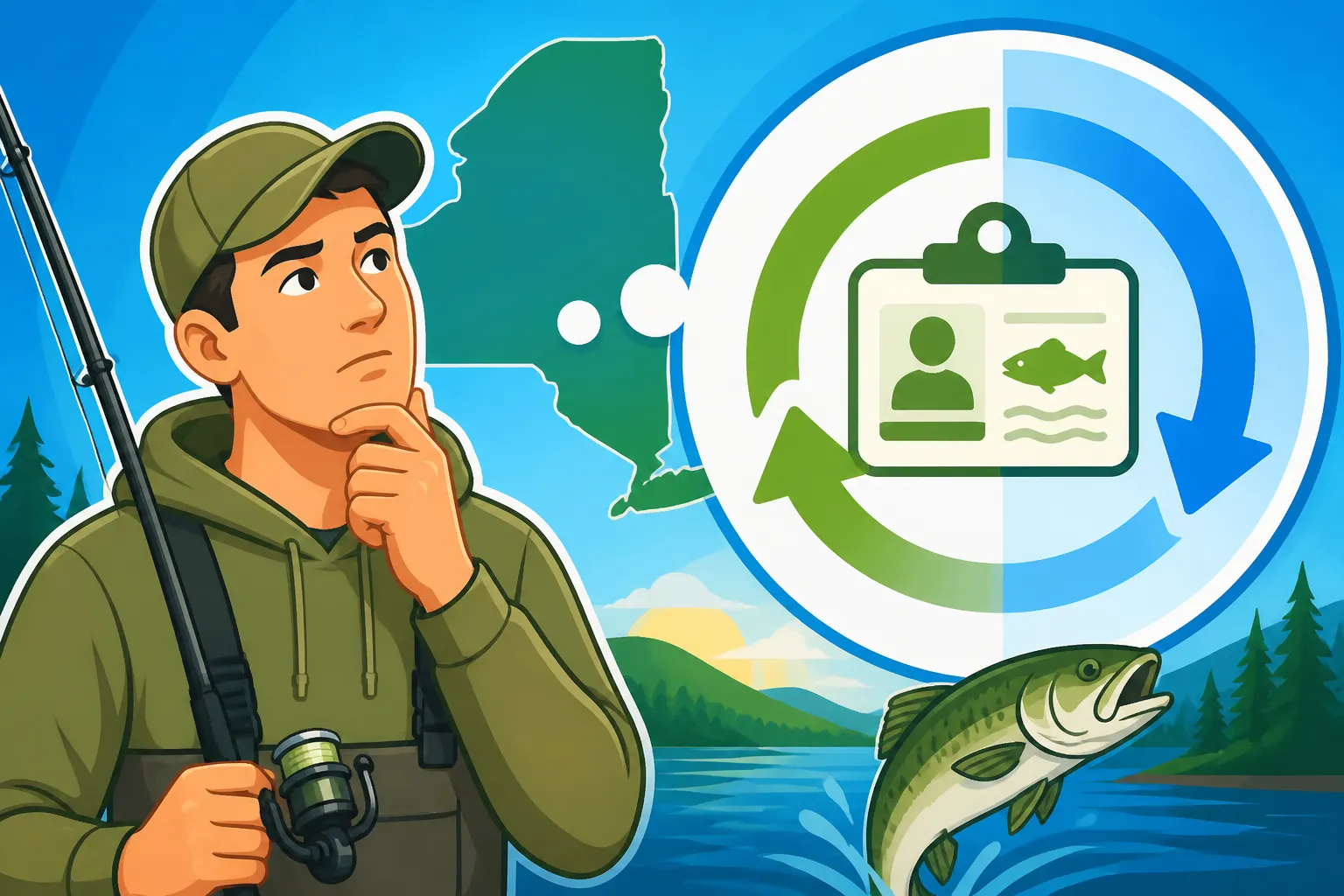
This is the burning question, and the answer is a resounding "yes!" The New York State DEC understands that anglers appreciate the convenience of planning ahead, and they provide a window for early renewal that makes it incredibly easy to get your ducks in a row for the upcoming fishing season. You don't have to wait until January 1st to secure your license for the new year.
The DEC's Early Renewal Window
The New York State DEC typically opens its online and vendor systems for the purchase of the upcoming year's fishing licenses around mid-February. So, if you're looking to renew your license for 2025, you can usually do so starting in February 2025. This allows a generous overlap where you can purchase your new license while your current one (which expires December 31st) is still valid. This is a fantastic system because it completely eliminates the rush and anxiety that might come with trying to renew right at the turn of the new year, especially if you're planning an ice fishing trip or an early season outing.
This early window is designed for convenience. It means you can take care of this important task during a quieter time, rather than scrambling with everyone else on January 1st or trying to remember it during the busy holiday season. For detailed steps on how to navigate this process, you'll find our guide on How to Renew Your New York Fishing License Online incredibly useful.
Why Early Renewal is a Smart Move
Renewing your New York fishing license early offers several undeniable benefits, transforming it from a chore into a simple, proactive step that enhances your overall fishing experience. The most obvious advantage is avoiding the last-minute scramble. There’s nothing worse than getting geared up for an exciting fishing trip, only to discover your license expired and you’re faced with an online bottleneck or a closed vendor store. Renewing early means you’re always legal and ready to hit the water whenever the mood strikes or the bite is on.
Furthermore, getting it done ahead of time ensures continuous coverage. Many avid anglers, especially those who enjoy ice fishing or targeting species that become active in early spring, appreciate not having a gap in their license. By renewing in February, for example, you're all set for the entire upcoming year, from January 1st onward. This foresight means less stress, more time to focus on tactics and gear, and the pure enjoyment of New York’s incredible fishing opportunities.
The Step-by-Step Process for Early Renewal
Renewing your New York fishing license early is a straightforward process, thanks to the efficiency of the New York State DEC. Whether you prefer the convenience of your computer or the personal touch of a local vendor, there are clear paths to getting your new license in hand.
Online Renewal Through the DECALS System
The easiest and most common way to renew your fishing license early is through the New York State DEC's online licensing system, known as DECALS. This platform is available 24/7, making it incredibly convenient to take care of your renewal whenever you have a few free moments. To start, you'll want to visit the DECALS website. If you've purchased a license online before, you likely already have an account. Simply log in using your customer ID and password. If you’re a new user or haven't used the online system in a while, you might need to register or retrieve your ID.
Once logged in, look for the "Renew" or "Purchase License" option. The system is intuitive and will typically display your eligible renewal options for the upcoming year. You'll confirm your personal information, select the licenses you wish to renew (such as your annual fishing license, or add a New York Recreational Marine Fishing Registry if you plan on saltwater angling), and then proceed to payment. After successful payment, you'll receive a confirmation, and you can usually print a temporary copy of your license right away. The official hard copy, if you opted for one, will be mailed to you. This online method is by far the quickest and most hassle-free way to ensure you're ready for the new year. For more detailed guidance, check out our article on How to Buy a Fishing License Online in New York.
In-Person Renewal at Vendor Locations
For those who prefer a more traditional approach or simply enjoy supporting local businesses, renewing your fishing license in person is always an option. Once the early renewal window opens (typically mid-February), you can visit any authorized New York State DEC license issuing agent. These include many town and county clerk offices, as well as numerous sporting goods stores and bait shops across the state.
When you go in person, make sure to bring a valid form of identification. Having your previous license or your DEC customer ID handy can also speed up the process. The staff at these locations are usually very knowledgeable and can help you navigate the various license options, including adding a What Is a Trout Stamp? if you plan on targeting trout in designated waters. This method offers the benefit of direct interaction and getting any questions answered on the spot. It also allows you to pick up any last-minute tackle or bait you might need for your next adventure, fostering that connection with your local angling community. You can find more information about vendor options in our guide Where to Buy a New York Fishing License.
Common Questions and Considerations for Early Renewal
Even with the convenience of early renewal, some questions naturally pop up. Understanding these common considerations will help you make the most of the early renewal period and ensure you're fully prepared for the upcoming fishing season.
Does Early Renewal Extend Your Current License's Validity?
This is a frequently asked question, and it's important to clarify: no, renewing your fishing license early does not extend the validity of your current year's license. When you renew in, say, February of the current year for the next year's license, that new license will only become valid on January 1st of the following year. Your current license still expires on December 31st of the current year. Think of it like pre-ordering. You're buying the license for the future, not adding time to your existing one.
For example, if you renew your 2024 annual fishing license in February 2024 for the 2025 season, your 2024 license will still expire on December 31, 2024. Your newly purchased 2025 license will then become active on January 1, 2025. This system ensures a clear cut-off and start date for each license year, preventing confusion about overlapping coverage. So, while you're getting a head start, you're not getting extra days on your current license. This distinction is crucial for maintaining legal compliance throughout the year. For a more detailed breakdown of license validity periods, you can read Is a Fishing License Valid for a Calendar Year or 365 Days?.
What to Do If You Forget Your DEC ID
It's completely normal to forget your DEC customer ID, especially if you only purchase a license once a year. Thankfully, the DEC has made it easy to retrieve this crucial piece of information. If you're renewing online and can't recall your ID, there's usually a "Forgot ID" or "Retrieve Customer ID" option on the DECALS login page. You'll typically be asked for some personal identifying information, such as your name, date of birth, and possibly your last known address or phone number, to verify your identity. Once confirmed, your ID will be provided.
If for any reason the online retrieval isn't working for you, or you prefer a more direct approach, you can always contact the New York State DEC's customer service. They are equipped to help you locate your customer ID and assist with any other licensing inquiries. Having this ID readily available makes the renewal process much smoother, whether you're doing it online or in person. You can find their contact information and hours in our post about the New York Fishing License Customer Service Phone Number.
Comparing Annual vs. Short-Term License Renewal
Understanding the renewal specifics for different license types can help you decide which option is best for your fishing habits.
| Feature | Annual Fishing License | 1-Day or 7-Day Fishing License |
|---|---|---|
| Expiration | Always December 31st, regardless of purchase date. | Specific number of days from your chosen start date. |
| Early Renewal? | Yes, typically available starting mid-February for the upcoming year. | Not applicable, purchased on-demand for specific dates. |
| Coverage Duration | Full calendar year. | 24 hours (1-day) or 168 hours (7-day) of continuous fishing. |
| Cost | Higher upfront cost, but best value for frequent anglers. | Lower upfront cost, suitable for occasional trips. |
| Convenience | Renew once annually, set for the year. | Purchase as needed, good for spontaneous trips. |
| Best For | Regular anglers, year-round fishing, ice fishing. | Tourists, infrequent anglers, specific events. |
As you can see, the early renewal option is specifically geared towards the annual license, providing a helpful way for dedicated anglers to stay organized. Short-term licenses are inherently on-demand, so "early renewal" isn't a concept that applies to them in the same way. Always consider your fishing frequency and plans when choosing your license type. Our article on the Weekly Fishing License Price Compared to Annual can help you weigh the costs and benefits.
Planning for Special Seasons or Species
If you're an angler who targets specific species with unique seasons, like bass or walleye, or you participate in special events such as New York Free Fishing Days Calendar, planning your license renewal around these events is essential. While free fishing days don't require a license, having your annual license squared away means you're prepared for every other day on the water.
Moreover, if you plan to venture into specific regions or target particular fish that might require additional permits or stamps, such as a trout stamp, handling your general fishing license renewal early gives you ample time to research and acquire any supplementary documentation you might need. Being proactive ensures you're not caught off guard by unexpected requirements when the season for your favorite fish, like New York Bass Season Dates or New York Walleye Season Dates, finally rolls around.
Disclaimer: Fishing regulations, license requirements, and fees in New York State can change. While we strive to provide accurate and up-to-date information, it is always your responsibility to consult the official New York State Department of Environmental Conservation (DEC) website or their current fishing regulations guide before engaging in any fishing activities. This content is for informational purposes only and should not be considered legal advice.