New York Special Regulations Waters List
It's incredibly frustrating, isn't it? You spend time researching the perfect spot, pack your gear, get your New York fishing license, and head out, only to realize the rules for that specific water body are completely different from what you learned for the rest of the state. New York is full of amazing fishing opportunities, but navigating the labyrinth of general versus special fishing regulations can feel like a test of your patience. This guide is here to untangle that confusion, helping you understand where to find those elusive special regulations and what they mean for your fishing trip.
Understanding New York's General vs. Special Fishing Regulations
When you pick up the annual New York State Fishing Regulations Guide, or check out the DEC's website, you’ll quickly notice that while there are broad, statewide rules, there’s also an entire section dedicated to "special regulations." These aren't just minor footnotes; they're critical rules that can drastically change how, when, and what you can fish for in certain areas. Ignoring them can lead to fines and a ruined day on the water.
Why Special Regulations Exist
Special regulations aren't there to make your life harder, I promise. They're typically put in place by the New York State Department of Environmental Conservation (DEC) for very important ecological and conservation reasons. Think about it: New York is incredibly diverse, from the deep, cold waters of the Finger Lakes to the powerful tributaries of Lake Ontario, the serene Adirondack ponds, and the mighty Hudson River. Each of these environments has unique fish populations, distinct habitats, and varying levels of fishing pressure.
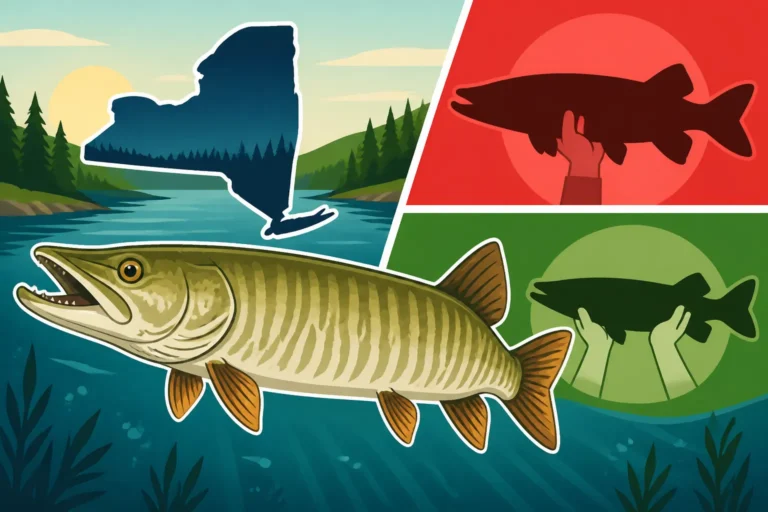
For instance, a pristine brook trout stream in the Catskills might have regulations designed to protect a fragile wild trout population from overfishing or habitat degradation. This could mean catch-and-release only, artificial lures only, or even specific season dates that differ significantly from general trout seasons. Similarly, waters known for trophy fish, like certain muskie hotspots in the St. Lawrence River, might have increased minimum size limits to ensure those big breeding fish stay in the water long enough to reproduce. These rules help maintain healthy fish populations, protect delicate ecosystems, and ensure that future generations of anglers can enjoy the same incredible fishing experiences we do today.
How General Regulations Apply and When They Don't
The statewide fishing regulations you find in the main sections of the guide are your baseline. These are the default rules that apply to most waters across New York State. They cover things like general season dates for species like bass or pike, standard daily creel limits, and broad tackle requirements. If you're fishing a generic farm pond or a small, unnamed creek, chances are the general regulations are what you'll be following.
However, the moment you plan a trip to a well-known fishing destination, a major river, or even certain named lakes, you absolutely must assume there might be special regulations in effect. The golden rule here is: special regulations always supersede general regulations. This means if the statewide rule says you can keep five bass, but a particular lake has a special regulation limiting you to three bass, or a slot limit, you follow the lake's specific rule. It's not a suggestion; it's the law for that particular body of water. Failing to understand this distinction is where many anglers, both new and experienced, can inadvertently run into trouble. Always start with the general rules, but then dive deeper into the special regulations for your chosen fishing spot. This proactive approach saves you headaches and helps you fish responsibly.
Navigating the Official DEC Regulations Guide
The sheer volume of information in the New York State Fishing Regulations Guide can be a bit overwhelming, almost like trying to find a specific needle in a very large haystack. But don't despair! Knowing where to look and what sections are most important will turn this potentially daunting task into a manageable part of your pre-fishing ritual.
Where to Find the Most Up-to-Date Information
Your absolute best, most reliable source for New York's special fishing regulations is the New York State Department of Environmental Conservation (DEC) itself. They publish an annual New York Fishing Regulations Explained guide that's updated every year. This isn't just a suggestion; it's your bible for legal fishing in the state.
You can typically find this guide in a few different formats:
- Online: The DEC website is fantastic for this. They usually have the entire guide available as a PDF, which you can download and save to your phone or tablet. This is incredibly convenient for checking regulations on the fly, even if you’re out of cell service once you've downloaded it. You might even find dedicated pages for specific regions or popular fisheries, often with interactive maps.
- Print: Many tackle shops, sporting goods stores like DICK'S Sporting Goods, and DEC offices distribute physical copies of the annual guide for free. There’s something to be said for having a tangible copy to flip through, highlight, and stick in your tackle box. If you’re ever out of service range, that physical guide can be a lifesaver. You can learn more about picking up a guide by looking into Where to Pick Up the New York Fishing Regulations Guide.
While you can find fishing information on various forums or fishing websites, always cross-reference it with the official DEC guide. Regulations can change annually, and unofficial sources might not always be up-to-date. If you're looking for gear, Amazon is a great place to pick up a waterproof case for your phone or a small, lightweight tackle box to keep your essential print-outs dry.
Key Sections to Pay Attention To
Once you have the guide in hand (or on screen), navigating it efficiently is key. Don's just skim; really dig into these critical sections:
- Statewide Regulations: This is your foundation. Read through the general rules for species, tackle, and seasons. Understand what constitutes a legal catch, the general daily limits, and basic definitions. This is the starting point for anyone learning about New York Freshwater Fishing Rules.
- Special Regulations by County: This section is usually organized alphabetically by county. If you know where you're going to fish, this is the first place to check for specific waters in that county. For example, if you're heading to the Catskills, you'd look under Ulster, Delaware, Sullivan, or Greene counties for rules pertaining to rivers like the Esopus or Beaverkill.
- Special Regulations for Trout & Salmon: This is a dedicated section that often details specific rules for trout streams, including those famous for fly-fishing-only or catch-and-release segments. It will also cover the nuances of regulations for salmon and steelhead, particularly in the Great Lakes tributaries. This is where you'll find out that New York Trout Season Opening Day might be a general date, but specific waters might open later or even be catch-and-release only at certain times, as detailed in New York Catch-and-Release Trout Fishing Rules.
- Great Lakes & Tributaries: Given the immense popularity and ecological significance of Lake Erie, Lake Ontario, and their numerous tributaries (like the Salmon River), there's almost always a robust section outlining very specific rules for these waters, especially during salmon and steelhead runs. These rules often cover tackle, bait, snagging prohibitions, and even specific closures.
- Hudson River & Estuary: The Hudson River, being a tidal estuary and a critical migratory route for species like striped bass, has its own set of rules, particularly concerning length limits and harvest seasons. It's imperative to consult this section if you're fishing any part of the Hudson.
Even if you're a seasoned angler, regulations can change, so making this annual review a habit is crucial. You'd be surprised how often a seemingly minor update can impact your favorite fishing spot.
Common Types of Special Regulations You'll Encounter
Special regulations are far from uniform; they're tailored to the unique conditions and conservation needs of individual water bodies. Knowing the categories of these rules will help you quickly identify what to look for when reviewing the guide.
Size and Creel Limits Specifics
Perhaps the most common type of special regulation involves modifications to the standard size and creel (bag) limits. These are designed to protect fish populations, allow them to reach reproductive maturity, or manage for trophy-sized fish.
- Minimum Size Limits: While statewide regulations might dictate a 12-inch minimum for bass, a special regulation might raise that to 15 inches for a particular lake known for producing larger bass. This allows more fish to grow to a larger size, contributing to a healthier gene pool and better angling opportunities. For instance, you might find specific minimum length requirements for New York Striped Bass Length Requirements that differ by location.
- Maximum Size Limits (Slot Limits): These are particularly interesting and effective conservation tools. A slot limit means you can keep fish below a certain size and above another size, but you must release fish that fall within a specified "slot." For example, a lake might have a slot limit that says you can keep bass under 12 inches and over 18 inches, but all bass between 12 and 18 inches must be released. This protects the prime breeding-sized fish, ensuring they continue to reproduce.
- Reduced Daily Bag Limits: Many popular or sensitive fisheries will have a daily limit lower than the statewide norm. If the general rule is five trout, a special regulation stream might limit you to two, or even just one, especially for wild trout populations. This reduces fishing pressure and helps maintain sustainable numbers.
- Catch-and-Release Only: Some waters, particularly highly-valued trout streams or specific sections of rivers during sensitive spawning periods, are designated as catch-and-release only. This means absolutely no fish can be harvested, regardless of size. This practice is vital for sustaining fragile populations.
These varied limits require anglers to be mindful of every fish they catch, carrying a measuring tape and knowing the rules for that exact location.
Tackle and Bait Restrictions
Beyond just how many and how big, special regulations often dictate how you can fish. These rules are usually about reducing harm to fish or preventing the introduction of invasive species.
- Artificial Lures Only: Many trout streams, especially those managed for wild or naturalized populations, mandate artificial lures only. This means no live bait, no powerbait, no corn, just flies, spinners, spoons, and soft plastics that don't mimic natural food sources by scent. This practice generally reduces mortality rates for released fish, as artificial lures are often less likely to be deeply swallowed.
- Single Hook Artificials: Taking "artificial lures only" a step further, some waters require single-hook artificials, often barbless. The idea here is to make catch-and-release as gentle as possible, minimizing injury to the fish before it's returned to the water. Removing a single, barbless hook is much quicker and causes less tissue damage than a treble hook.
- No Live Bait / Specific Bait Prohibitions: This is crucial for preventing the spread of aquatic invasive species. Many waters prohibit the use of live bait, or specifically prohibit certain types of baitfish (e.g., alewives, shiners) that could escape and establish populations that outcompete native species or introduce diseases. This is particularly relevant when you're considering if you Can I Use Minnows as Bait in New York Lakes? in a given area.
- Tackle Restrictions for Specific Species: In fisheries heavily targeted during spawning runs, like the Salmon River during fall salmon migrations, specific tackle restrictions might be in place to prevent snagging. This could include rules on hook gap size, leader length, or how far a weight can be from a hook. These rules aim to ensure ethical angling practices, as opposed to simply foul-hooking fish. You'll definitely want to know these rules if you're learning How to Fish for Salmon in New York.
Season Dates and Open/Closed Waters
While New York has general opening and closing dates for various species, special regulations can drastically alter these. This is particularly true for migratory species or waters with delicate spawning grounds.
- Delayed Openings/Early Closures: A general trout season might open on April 1st statewide, but a specific trout stream might have a delayed opening to protect spawning fish or newly stocked fish. Conversely, some waters might close earlier than the general season to provide sanctuaries for fish.
- Year-Round Catch-and-Release Seasons: Some high-value fisheries might be open year-round for catch-and-release fishing only, allowing anglers to target certain species outside of traditional harvest seasons while still protecting the resource.
- Time-of-Day Restrictions: While less common, some areas might have restrictions on fishing during specific hours, perhaps at night to prevent poaching or to provide resting periods for fish.
- Closed Sections or Tributaries: To protect critical spawning habitats, certain sections of a river or small tributaries feeding into a larger lake might be entirely closed to fishing during specific times of the year, or even year-round. This is common in areas where fish migrate upstream to spawn.
Understanding these seasonal and access rules is paramount, as fishing in a closed water body or during a closed season is a direct violation of regulations and can carry significant penalties.
Notable New York Waters with Special Regulations
New York State is home to an incredible array of fishing destinations, many of which boast unique special regulations designed to protect their precious fisheries. Let's dive into some of the most well-known examples where paying close attention to the rules is absolutely essential.
Famous Trout Streams: The Catskills Rivers
The Catskill Mountains are widely considered the birthplace of American dry fly fishing, and their legendary rivers—the Beaverkill, Willowemoc, Esopus Creek, and the Delaware River system—are renowned for their wild and stocked trout. As such, they are often subject to some of the state's most stringent special regulations.
For example, large portions of these rivers, particularly sections of the Beaverkill and Willowemoc Creek, are designated "Trout — Artificial Lures Only" or "Trout — Fly Fishing Only." This means you cannot use live bait, scented plastics, or even weighted spinning lures in these areas. Furthermore, many stretches are "Catch and Release Only," particularly for specific periods or year-round, ensuring the health and abundance of these prized fish. Minimum size limits might be higher than the statewide standard, or daily creel limits significantly reduced, sometimes to just one or two fish. These regulations are meticulously detailed, often broken down by specific bridge crossings or geographical markers along the river. Anglers planning a trip to these hallowed waters, especially if they are fly fishing beginners, need to consult the detailed maps and regulations in the DEC guide. Fishing the Delaware River in New York involves navigating similar specific rules that change depending on whether you're in the East Branch, West Branch, or Main Stem.
Great Lakes Tributaries: Salmon River, Oak Orchard Creek
When fall arrives, the Great Lakes tributaries like the Salmon River, Oswego River, and Oak Orchard Creek become magnets for anglers targeting king salmon, coho salmon, and later, steelhead. The sheer volume of fish and anglers in these relatively confined waters necessitates a host of special regulations to manage the fishery and prevent unsportsmanlike conduct, like snagging.
The New York's Salmon River Fishing Guide itself is a prime example of a water body with extensive special rules. You'll find sections with "Artificial Lures Only" rules, particularly during the peak salmon runs. There are often very specific rules about leader length, hook gap size, and even how far your weight can be from your hook, all designed to ensure fish are caught ethically in the mouth. Snagging, the act of intentionally foul-hooking a fish, is strictly prohibited and heavily enforced. During prime seasons, certain pools or sections might be closed to fishing entirely to protect spawning salmon or to reduce overcrowding. You might also find rules regarding the number of lines you can use or even specific requirements for How to Fish Egg Sacs for Steelhead. These regulations are dynamic and can change based on fish migration patterns and environmental conditions, so checking the latest DEC updates is non-negotiable before heading out.
Finger Lakes and Their Unique Rules
New York's eleven Finger Lakes are deep, cold, and offer diverse fishing opportunities, from lake trout and landlocked salmon to bass and panfish. Given their size and unique ecosystems, many of these lakes have specialized regulations.
For example, lake trout and landlocked salmon often have specific minimum size limits and daily creel limits that differ from other regions. Some lakes might have closed seasons for these species during spawning, or specific depths where trolling is restricted. Bass regulations can vary wildly from lake to lake, with some offering extended catch-and-release seasons or unique slot limits to manage trophy populations. For instance, Cayuga Lake might have different rules for lake trout than Seneca Lake or Skaneateles Lake. Even smaller, shallower bays or feeder creeks within these larger lakes can have their own micro-regulations, especially during crucial spawning periods for panfish or bass. These rules are crucial for protecting the fragile balance of these deep, productive waters.
Hudson River Striped Bass Management
The Hudson River is a vital spawning ground for striped bass, a highly sought-after game fish. To protect this critical resource, the Hudson River (and its tributaries up to the first impassable barrier) has very specific regulations concerning striped bass, which are often distinct from marine district rules.
Key regulations typically include slot limits, which protect the prime breeding-size fish, and mandatory circle hook requirements when fishing with bait. The slot limit ensures that a healthy population of mature fish can reproduce, while the circle hook rule significantly reduces "gut hooking," improving the survival rate of released fish. You can find out more about the importance of these rules by learning Why Is Hudson River Striped Bass Season Closed in Winter?. These regulations are essential for the long-term health of the striped bass population and require anglers to be incredibly precise in their understanding and application of the rules.
Here's a quick look at some example special regulations you might encounter:
| Water Body / Region | Species Targeted | Common Special Regulation Type | Example Regulation |
|---|---|---|---|
| Catskill Trout Streams | Trout | Tackle/Bait Restriction | Artificial Lures Only; Fly Fishing Only; Single Hook Artificials (often barbless) |
| Salmon River | Salmon, Steelhead | Tackle/Season/Creel Limit | Artificial Lures Only; Hook Gap Max; Reduced Creel Limits; Time-of-Day Fishing |
| Esopus Creek | Trout | Catch-and-Release/Tackle | Catch and Release Only (certain sections); Fly Fishing Only |
| Oneida Lake | Walleye | Size/Creel Limit | Increased Minimum Size Limit for Walleye; Reduced Daily Limit |
| Finger Lakes (general) | Lake Trout | Season/Size/Creel Limit | Specific Season Dates; Higher Minimum Size; Reduced Daily Limit |
| Hudson River | Striped Bass | Size/Tackle/Season | Slot Limit (e.g., 18-28" must be released); Circle Hooks Required with Bait |
| Great Lakes Tributaries | Steelhead | Tackle/Season/Creel Limit | Artificial Lures Only (seasonal); Reduced Daily Limit; Snagging Prohibited |
Best Practices for Anglers
Dealing with special regulations doesn't have to be a headache. With a few simple best practices, you can ensure your fishing trips are enjoyable, legal, and responsible.
Always Check Before You Go
This cannot be stressed enough: always, always check the current regulations before you head out, even if you’ve fished a spot a hundred times. Regulations can change annually, and sometimes even within a season due to emergency orders (though less common for standard regulations). What was perfectly legal last year might be prohibited this year.
Imagine planning a weekend trip to a new spot, driving two hours, and then finding out you've forgotten a crucial piece of gear that's now mandated by special regulations. Or worse, you accidentally keep a fish that falls within a slot limit because you relied on old information. A quick check of the DEC website or a review of your physical guide on the drive to your destination can save you from a ruined day, a fine, or even a confiscation of your catch. Make it a non-negotiable part of your pre-trip routine, right alongside checking the weather and making sure your New York Fishing License Costs and Options are up to date.
Carrying Your Regulations Guide
While downloading the PDF version of the DEC guide to your phone is great, it's also a smart move to carry a physical copy or at least have the digital version readily accessible on your mobile device. There are a few reasons for this. First, cell service can be spotty, especially in remote fishing locations in the Adirondacks or Catskills. A downloaded PDF or a printed guide ensures you have access to the rules when you need them most. Second, if you're ever questioned by a DEC Environmental Conservation Officer (ECO), having the guide to reference directly can be incredibly helpful.
You don't need to carry the whole book on your person while wading, but keeping it in your car or boat, perhaps in a waterproof bag that you can quickly access, is a good idea. Some anglers even print out the specific pages for their planned fishing location and laminate them or store them in a Ziploc bag for easy reference. For those who prefer digital, an extra portable battery pack, easily purchased from Amazon, can ensure your phone stays charged so you can access the regulations if needed. Remember, the rule of thumb is to always have some form of your license and regulations with you, as elaborated in Do I Need to Carry My Physical Fishing License on the Water?.
When in Doubt, Ask
Seriously, don't guess. If you've read the regulations for a specific water body and something still isn't clear, don't just assume. There are resources available to help clarify any confusion:
- Local Bait and Tackle Shops: The folks who run these shops are often local experts and are usually well-versed in the specific regulations for their area. They can offer practical interpretations and advice.
- Fishing Guides: If you've hired a guide for a trip, they are professionals who are expected to know all the local regulations inside and out. Don't hesitate to ask them any questions you have. Guides for specific areas, like New York's Salmon River Fishing Guides, are particularly good resources.
- DEC Offices: You can contact your regional DEC office directly. They are the ultimate authority and can provide definitive answers to your questions. Their contact information is usually listed in the front of the annual fishing guide or on their website.
It's far better to ask a "silly" question than to inadvertently violate a regulation and face a fine or, worse, harm a valuable fish population. Responsible angling starts with informed angling.
Disclaimer
The information provided in this guide is for general informational purposes only and is not a substitute for the official New York State fishing regulations. Regulations are subject to change, and it is the angler's responsibility to consult the most current New York State Department of Environmental Conservation (DEC) Fishing Regulations Guide before fishing any waters in New York. Failure to comply with regulations may result in penalties.