Fishing at Lake George, New York
Stepping onto the shimmering shores of Lake George, it’s easy to be completely captivated by its pristine beauty. The "Queen of American Lakes" truly lives up to its name, offering breathtaking scenery and, for anglers, a tantalizing promise of diverse fishing opportunities. However, the sheer size and depth of this majestic lake can also be a bit intimidating, leaving many wondering exactly where to start, what to target, and how to successfully hook into its prized residents. This comprehensive guide is designed to cut through that confusion, giving you the insider knowledge you need for an unforgettable fishing adventure on Lake George.
Understanding Lake George's Unique Fishing Environment
Lake George isn't just a pretty face; it's a deep, oligotrophic (nutrient-poor) lake that offers a fascinating and sometimes challenging environment for fish and fishermen alike. Its clear, cold waters are a testament to its protected status and offer a stark contrast to some of New York's other fishing destinations. Understanding these unique characteristics is key to unlocking its fishing potential.
Lake George's Geography and Depth
Stretching for roughly 32 miles from north to south and boasting over 100 islands, Lake George is a significant body of water. Its depth is particularly notable, plummeting to over 200 feet in some areas, creating distinct thermal layers throughout the year. This depth, combined with numerous coves, points, and sudden drop-offs, creates a myriad of habitats for different fish species, from shallow-water sunfish to elusive deepwater predators.
Anglers often underestimate how much the lake's geography influences fish behavior. The southern basin, closer to the village of Lake George, is generally wider and features more developed shorelines and islands, offering plenty of structure. As you head north, particularly past the "Narrows," the lake becomes much narrower, resembling a river in places, with steeper cliffs and deeper, more consistent channels. These variations mean that a technique that works wonders in one section might be completely ineffective just a few miles away. Scouting maps and paying attention to topography, both above and below the surface, will significantly boost your success.
The islands, coves, and submerged rock piles are not just scenic features; they are critical ambush points and foraging grounds for many species. For instance, the sheer cliffs and deep drop-offs found in the northern stretches provide ideal cool-water refuges for trout and salmon, especially during the warmer months when they seek deeper, oxygenated water. Meanwhile, the shallower, weed-laden bays in the southern and central sections hold plenty of bass and panfish.
Water Clarity and Temperature
One of Lake George's most defining characteristics is its exceptional water clarity. This crystal-clear water, while beautiful, presents both advantages and disadvantages for anglers. On the one hand, it indicates a healthy ecosystem. On the other, it means fish can be more easily spooked by shadows, bright lines, or unnatural presentations, especially in shallower water. You'll often find that lighter lines and longer leaders are preferred by seasoned Lake George anglers.
The lake's temperature stratification plays a crucial role, particularly for coldwater species. During the summer, Lake George develops a strong thermocline, a layer where water temperature changes rapidly with depth. Above the thermocline, the water is warmer and supports species like bass and panfish. Below it, the water remains cold and oxygen-rich, providing a sanctuary for the prized lake trout and landlocked salmon. Understanding where this thermocline is located is paramount for targeting these deepwater fish, as they will rarely venture above it once it's established.
Seasonal changes dramatically affect water temperature and, consequently, fish distribution. In spring, as ice melts and the water warms evenly, fish become more active and spread out across different depths, often moving into shallower areas to spawn. Fall sees another mixing of water layers, leading to increased activity as fish feed heavily in preparation for winter. Even in winter, under the ice, the water temperature remains relatively stable just above freezing, creating unique opportunities for ice fishing.
Prime Fish Species to Target in Lake George
Lake George is a multi-species angler's dream, offering a chance to hook into everything from feisty bass to powerful lake trout. The variety means you can switch up your tactics and targets depending on the season, your preferred style of fishing, or even just the weather conditions of the day.
Deepwater Predators: Lake Trout and Landlocked Salmon
For many, the ultimate prize in Lake George is the formidable lake trout. These powerful, coldwater residents thrive in the lake's deep, clear waters. They are often found lurking near the bottom, especially around submerged structures like rock piles, ledges, and deep points. Lake trout are known for their strong, sustained fights, making them a thrilling challenge for any angler. It's not uncommon to land lakers in the 5-10 pound range, with larger specimens certainly possible. In fact, you can find details on the New York State Record Lake Trout Weight if you're curious about the true giants.
Alongside lake trout, Lake George is also home to landlocked Atlantic salmon. While perhaps not as abundant as lakers, these silver bullets are highly prized for their acrobatic fights and stunning beauty. They tend to cruise the open waters, often higher in the water column than lake trout, particularly in the spring and fall. Targeting landlocked salmon requires a slightly different approach, often involving faster trolling speeds and different lure presentations that mimic baitfish like smelt.
Both lake trout and landlocked salmon are predominantly piscivorous, meaning they feed on other fish. Smelt are a primary forage species in Lake George, and understanding their movements is key to finding these predators. Trolling is a hugely popular and effective method for both species, often employing downriggers, lead core, or wire line to get lures down to the required depths. During the summer, when the thermocline is established, you'll need to focus your efforts below that layer to find consistent success with these coldwater beauties. You might want to check out information on How to Fish Deep Water Lake Trout in Summer on New York's Finger Lakes for similar techniques applicable here.
Warmwater Favorites: Bass and Panfish
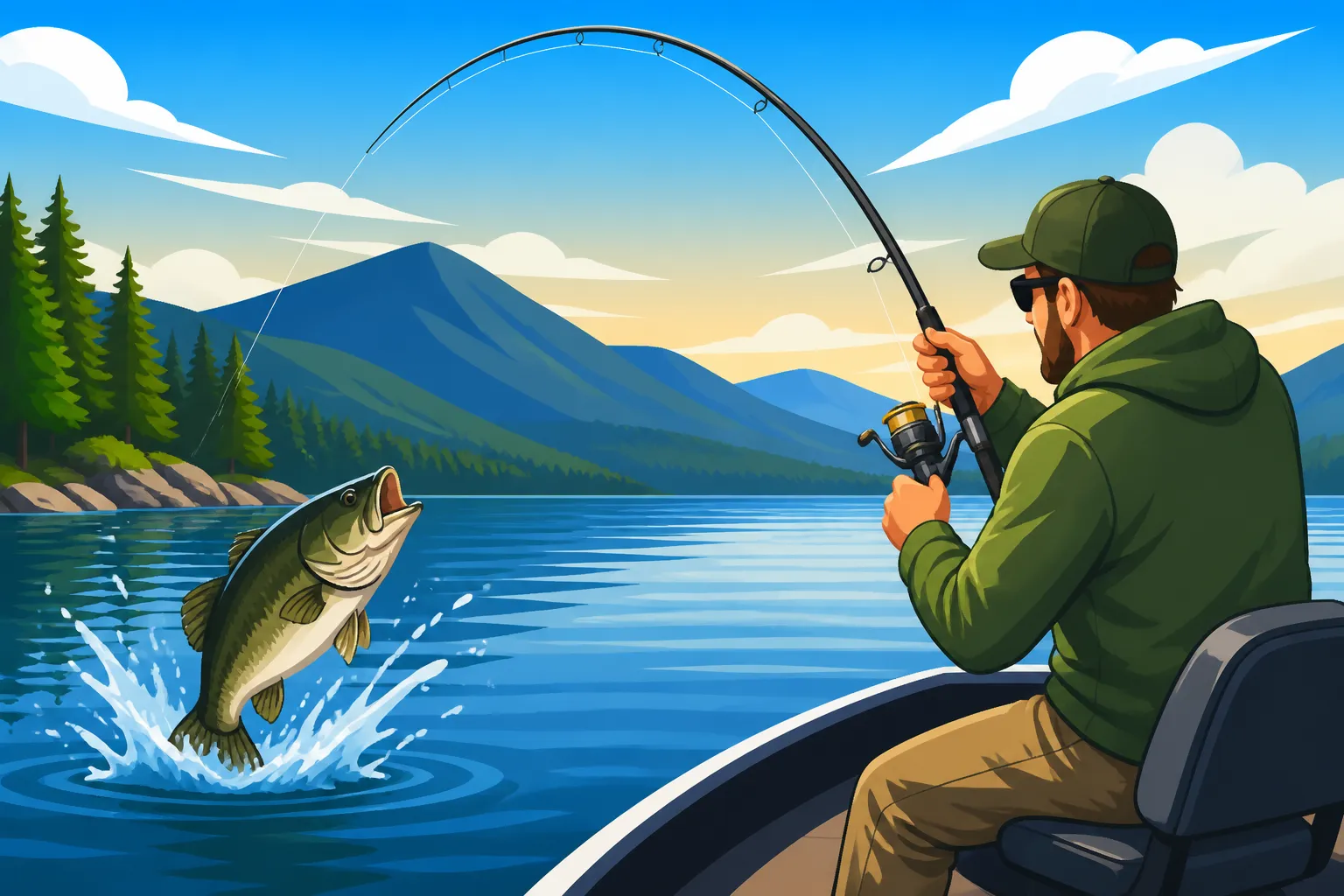
While the deepwater species get a lot of attention, Lake George offers exceptional warmwater fishing too. Both largemouth and smallmouth bass thrive in its diverse habitats. Smallmouth bass, with their bronze backs and incredible fighting spirit, are abundant throughout the lake, favoring rocky points, shoals, and transitions from rock to sand. They can be caught casting jigs, tubes, drop-shots, or even topwater lures during low-light conditions. These fish are aggressive and opportunistic, providing fast-paced action, especially in summer.
Largemouth bass prefer the shallower, weedy bays and coves, especially in the southern and central parts of the lake. Areas with lily pads, docks, and submerged timber are prime largemouth territory. Flipping jigs, casting spinnerbaits, or working plastic worms through cover can be incredibly effective for these powerful fish. For insights into tackling dense vegetation, you might find tips on How to Fish for Largemouth Bass in Weeds helpful.
Beyond bass, Lake George is brimming with panfish, including yellow perch, bluegill, and pumpkinseed sunfish. These smaller fish are perfect for a relaxed day on the water, especially for families or beginners. They are readily caught from docks, shorelines, and shallow bays using simple setups like bobbers with worms, small jigs, or even tiny spinners. Perch are often found in deeper schools, while sunfish hug cover in the shallows. While they may not offer the trophy potential of a lake trout, panfish provide consistent action and are excellent table fare, making them a delightful addition to any Lake George fishing trip.
| Species | Preferred Habitat | Best Seasons | Common Techniques | Notes |
|---|---|---|---|---|
| Lake Trout | Deep, cold water; rock piles, ledges, drop-offs | Spring, Fall, Winter | Trolling, Jigging, Downrigging | Powerful fighters, often found 50-150ft deep. |
| Landlocked Salmon | Open water, often shallower than lakers; chasing smelt | Spring, Fall | Trolling (faster speeds) | Acrobatic, challenging catch. |
| Smallmouth Bass | Rocky points, shoals, gravel beds, clear water | Spring, Summer, Fall | Jigs, Tubes, Drop-shot, Topwater | Aggressive, strong fighters. |
| Largemouth Bass | Weedy coves, lily pads, docks, submerged timber | Spring, Summer, Fall | Flipping, Pitching, Spinnerbaits, Plastic worms | Ambush predators, hide in cover. |
| Yellow Perch | Moderate depths, schooling near structure | Year-round | Small Jigs, Minnows, Worms | Great for kids, good eating. |
| Sunfish/Bluegill | Shallow, weedy areas, docks, shoreline cover | Spring, Summer, Fall | Worms, Small Jigs, Crickets | Abundant, easy to catch, perfect for beginners. |
Best Fishing Spots and Access Points on Lake George
Knowing what to fish for is only half the battle; knowing where to find them is the other, equally important part. Lake George offers a vast array of spots, from bustling public piers to secluded island coves. Your choice of location will often dictate the species you're likely to encounter and the techniques you'll use.
Southern Basin Hotspots
The southern basin, particularly around the village of Lake George, is often the first point of access for many visitors. While it might seem busy, don't let that deter you; this area holds some fantastic fishing opportunities. The deep basin itself is excellent for lake trout and salmon, especially if you venture out from the immediate vicinity of the village. As you move north from the village, towards Bolton Landing, the shores become dotted with numerous islands, bays, and points.
Specifically, anglers often find success around the "Sagabow" and "Dome Island" areas. These spots feature varying depths and rocky structures that attract both bass and deepwater species. The waters around the numerous islands in this section also provide excellent cover and ambush points for smallmouth bass. Look for areas where rocky shoals give way to deeper water or where weed beds transition to open water. For shore anglers, the public docks in Lake George Village can yield panfish and occasional bass, especially in the early mornings or evenings. The Lake George Battlefield Park offers some accessible shoreline fishing as well, though boating often opens up more productive grounds.
Further north in the southern basin, towards the "Narrows," you'll find steeper drop-offs and more defined channels. This area is prime for trolling for lake trout as they patrol the ledges and structure. Don't overlook the many coves and inlets for largemouth bass, especially those with plenty of submerged vegetation. When the weather is calm, these protected bays can be incredibly productive and offer a peaceful escape from the more open waters.
Northern Nooks and Bays
As you head further north on Lake George, past Bolton Landing and into the "Narrows" region, the character of the lake changes dramatically. Here, the lake becomes narrower, deeper, and often more rugged, with towering cliffs and fewer developed areas. This wilder section is particularly renowned for its exceptional lake trout fishing, and it’s also a favorite for those seeking the solitude and challenge of landlocked salmon.
Specific spots like the waters around "Black Mountain Point" or the depths near "Mother Bunch" and "The Narrows" are legendary among laker enthusiasts. These areas feature significant depth changes, underwater ledges, and rocky bottom structures that provide ideal habitat for deepwater species. Trolling through these deep channels, often with a good fish finder, can yield impressive results. The clearer, colder water in the northern basin is also believed to contribute to the robust health and fighting spirit of the trout and salmon found here.
Beyond the deepwater action, the numerous smaller bays and inlets throughout the northern section offer fantastic opportunities for bass and panfish. Explore areas around "Northwest Bay" or "Hague" for excellent smallmouth bass action on rocky points and ledges. The relatively undisturbed nature of these northern bays means that fish can be less pressured and more willing to strike. Kayak and canoe anglers particularly appreciate the access to these quieter, more remote fishing grounds, allowing for a stealthy approach to hidden coves and productive shorelines.
Public Access and Shore Fishing
While boating offers the most expansive access to Lake George's fishing grounds, plenty of opportunities exist for shore-bound anglers, especially if you're targeting bass and panfish. Public access points are scattered around the lake, though some require a fee for parking or boat launching.
The "Lake George Village Public Docks" are an obvious starting point, offering easy access to panfish, small bass, and even some perch. Similarly, "Million Dollar Beach" in Lake George Village, while primarily a swimming spot, has adjacent areas where shore fishing is permitted. Moving north, towns like Bolton Landing and Hague also provide public docks and small park areas suitable for casting a line. These spots are often great for kids and those looking for a relaxed fishing experience.
For more intrepid shore anglers, several state parks and conservation areas provide access. "Rogers Rock Campground" in the northern part of the lake, for instance, offers shoreline access and a boat launch. Be sure to check specific park regulations as some areas may have restrictions. Even better, consider booking a stay at one of the many lakeside resorts or rental properties, as they often come with private docks or shorelines that offer excellent fishing convenience. Remember that regardless of where you fish, understanding New York Fishing Regulations Explained is crucial to ensure you're fishing legally.
Effective Techniques and Tackle for Lake George Anglers
Lake George's diverse fisheries demand a versatile approach to techniques and tackle. What works for a deep-dwelling lake trout certainly won't cut it for a shallow-water largemouth bass. Being prepared with a range of methods will significantly increase your chances of success and allow you to adapt to changing conditions and target different species.
Trolling for Deepwater Species
Trolling is undeniably the go-to technique for lake trout and landlocked salmon on Lake George. Given the lake's immense depth and the preference of these species for cold, clear water, getting your lures down to the fish is paramount. This often involves specialized equipment like downriggers, which allow you to precisely control the depth of your lure. Lead core line or weighted steel wire setups are also popular alternatives, especially for those without downriggers, helping lures sink to productive depths. For more comprehensive insights into this method, consider reading about Trolling Techniques for New York's Lakes.
When trolling, lure selection is critical. Spoons, such as those from Sutton or Dreamweaver, in silver, blue, green, or chartreuse patterns, are perennial favorites, mimicking the smelt and alewives that form a large part of the trout and salmon diet. Large stickbaits or even dodgers and flashers followed by a short leader and a fly or small spoon can also be incredibly effective. Speed is another vital factor; lake trout often prefer slower presentations, while salmon might react better to a slightly faster troll. Varying your speed and depth until you find what triggers bites is a common tactic among experienced Lake George charter captains.
Consider the time of year and the depth of the thermocline. In spring and fall, when water temperatures are more uniform, trout and salmon might be found closer to the surface, making it easier to reach them without elaborate deep-dropping gear. However, in the peak of summer, you'll be focusing your efforts well below 50 feet, often much deeper, where the water is consistently cold. Using a fish finder with temperature capabilities is invaluable for locating the thermocline and structuring your trolling passes accordingly.
Jigging and Live Bait Strategies
While trolling dominates for deepwater species, jigging and live bait presentations are also highly effective, particularly for lake trout and perch. Vertical jigging directly over known deepwater structure, using heavy spoons, blade baits, or soft plastic swimbaits, can elicit aggressive strikes from lakers. This method is particularly popular in winter for ice fishing, but it's also effective from a boat in open water. The key is to present the lure close to the bottom, mimicking an injured baitfish.
Live bait, especially shiners or fathead minnows, can be absolutely deadly for both lake trout and yellow perch. For lake trout, a large shiner fished on a stout hook, suspended above a known drop-off or on the bottom with a minimal weight, can entice even the most wary fish. Many anglers will "dead stick" a rod with live bait while actively trolling with others. For perch, small minnows or worms fished under a bobber or on a simple bottom rig are highly productive, especially when you locate a school.
It’s worth noting that using live bait requires careful adherence to New York’s regulations regarding baitfish collection and transportation to prevent the spread of invasive species. Always ensure your bait is legally sourced and used according to the rules. Sometimes, even "dead" cut bait, like smelt or herring, can be presented on a jig or bottom rig to tempt larger fish with its scent. Experimentation is key when it comes to live and dead bait; what worked yesterday might not work today, so having a variety on hand is always a good idea.
Casting for Shoreline Bass
For smallmouth and largemouth bass, especially in the shallower areas, casting is the name of the game. For smallmouth, focus your casts around rocky points, ledges, and transition zones. Lures like tube jigs, Ned rigs, drop-shot worms, and small crankbaits that mimic crayfish or baitfish are incredibly effective. Topwater lures, such as poppers and walking baits, can provide explosive action during dawn and dusk or on overcast days when smallmouth are actively feeding on the surface.
Largemouth bass, hiding in their preferred weedy cover, respond well to tactics that allow you to penetrate or skirt vegetation. Flipping and pitching jigs or Texas-rigged soft plastics into dense lily pads, submerged grass, or under docks can draw powerful strikes. Spinnerbaits and chatterbaits retrieved along weed edges are also excellent search baits. Look for distinct changes in cover, isolated patches of weeds, or dark spots indicating deeper pockets within a weed bed.
Matching your tackle to the technique and target species is paramount. For deepwater trolling, sturdy rods with line counters and powerful reels spooled with braided line or monofilament are necessary. For bass, medium-heavy casting or spinning rods with sensitive tips will allow you to feel subtle bites and quickly set the hook. Using fluorocarbon leaders in the clear water, especially for bass, can significantly reduce line visibility and increase your hook-up ratio. A general New York Fishing License Guide will outline necessary licenses, but for specifics, it's always wise to consult the DEC for Lake George.
Navigating Regulations and Seasons on Lake George
Fishing in Lake George is an incredible experience, but it’s crucial to understand and follow the specific regulations set by the New York State Department of Environmental Conservation (DEC). Lake George, due to its unique ecosystem and importance as a recreational fishery, often has special regulations that differ from statewide rules. Ignoring these can lead to fines and legal trouble, so staying informed is paramount.
General New York Regulations vs. Lake George Specifics
While a standard New York State fishing license is required for anyone 16 years and older to fish Lake George, the catch limits, minimum sizes, and season dates for certain species can diverge from the general statewide rules. This is particularly true for keystone species like lake trout and salmon, which are carefully managed to ensure the long-term health of the fishery. Always check the current DEC Fishing Regulations Guide specifically for Lake George before you head out. These guides are updated annually and are available online or wherever fishing licenses are sold.
For instance, the possession of live bait fish from outside Lake George is often restricted to prevent the introduction of invasive species. This is a critical regulation that many first-time visitors overlook. You might assume your bucket of minnows from a local bait shop is fine, but if that bait didn't originate from Lake George or an approved source, you could be violating the rules. Always err on the side of caution and either purchase bait locally from approved vendors around Lake George or learn how to legally collect your own within the lake basin, if permitted. Understanding New York Freshwater Fishing Rules is a good starting point, but always check the specifics for Lake George.
Another important distinction is the use of certain tackle. For example, some bodies of water have restrictions on barbed hooks or the number of lines you can fish simultaneously. While many of these are statewide, confirming the Lake George specifics is always a good practice. The DEC's focus on maintaining the pristine condition of Lake George means that environmental protection measures are often intertwined with fishing regulations, making careful review essential for all anglers.
Seasonality and Catch Limits
Each fish species in Lake George has specific season dates during which they can be legally harvested, along with daily catch limits and minimum size requirements. These are dynamic and can change from year to year based on fish population assessments and management goals. For lake trout, the season often opens early in the spring and runs through the fall, but there are specific daily creel limits and size restrictions to protect the breeding population and ensure sustainable fishing.
Landlocked salmon generally share similar season dates with lake trout, often with slightly different size limits or daily bag limits. Bass seasons typically open later in the spring or early summer, after their spawning period, to protect the fish during this vulnerable time. Panfish, on the other hand, often have continuous open seasons with more liberal bag limits, reflecting their robust populations. Knowing New York Fishing Season Dates and Catch Limits is generally helpful, but the local Lake George rules take precedence.
Winter fishing, particularly ice fishing, is a popular pursuit on Lake George when ice conditions are safe. Many of the same species are targeted, but specific ice fishing regulations, such as the number of tip-ups allowed, also apply. It's not just about the fish; it's about being a responsible steward of this incredible natural resource. Always double-check the latest regulations from the NYSDEC website or printed guide to avoid any unpleasant surprises on the water.
Planning Your Lake George Fishing Trip
A successful fishing trip to Lake George is often as much about planning as it is about casting. From arranging your mode of transport on the water to deciding whether to hire a guide or go it alone, a little foresight can go a long way in ensuring a memorable and productive experience.
Renting a Boat or Kayak
Given Lake George's vastness, having a boat is often the most effective way to access its best fishing grounds. Numerous marinas and liveries around the lake offer a wide range of boat rentals, from small fishing boats with outboard motors to larger pontoon boats for families, and even kayaks or stand-up paddleboards for a more intimate experience. Booking in advance, especially during peak season (summer), is highly recommended, as rentals can be snatched up quickly.
When choosing a boat, consider the type of fishing you plan to do. If deepwater trolling for lake trout is your goal, a boat with enough power and space for downriggers and multiple rods will be ideal. For bass fishing in shallower coves, a smaller motorboat or even a kayak might be more suitable, allowing you to quietly navigate tight spaces. Remember to check if the rental includes safety equipment like life jackets, which are legally required for all occupants, particularly for children. Also, clarify fuel policies and any additional equipment you might need, such as depth finders or GPS units.
For those who prefer a more eco-friendly and stealthy approach, kayak fishing on Lake George is gaining immense popularity. Kayaks allow you to reach secluded bays and quieter shorelines that larger boats can't access, perfect for targeting bass and panfish. Many rental outfits offer fishing kayaks equipped with rod holders. Just be mindful of wind conditions, as Lake George can get choppy very quickly, making paddling challenging on larger craft. Always check the weather forecast before heading out, especially on such a large body of water.
Hiring a Local Fishing Guide
If you're new to Lake George, short on time, or simply want to maximize your chances of success, hiring a local fishing guide is an investment well worth considering. A good guide possesses invaluable knowledge about the lake's ever-changing conditions, fish movements, and productive spots that would take years to acquire on your own. They can teach you effective techniques, provide all the necessary specialized equipment, and, perhaps most importantly, put you directly on the fish.
Lake George boasts many experienced guides who specialize in various species, from deepwater lake trout and salmon to shallow-water bass. When selecting a guide, look for one with a strong reputation and relevant experience for the species you wish to target. Don't hesitate to ask questions about their boat, equipment, and what's included in the trip price (e.g., bait, tackle, fish cleaning). Platforms like FishingBooker are excellent resources for finding reputable Lake George fishing guides, allowing you to read reviews and compare services before booking.
A guided trip is not just about catching fish; it's an educational experience. Guides can teach you how to read the lake, understand sonar readings, and interpret subtle cues that indicate fish presence. They often have insights into seasonal patterns, such as the best time of year to fish in New York for specific species, that can dramatically improve your angling skills. While hiring a guide adds to the cost of your trip, the knowledge gained and the increased likelihood of a successful day on the water often make it a worthwhile expense. You can also research New York Fishing Charter Costs to get an idea of typical rates.
Essential Gear and Supplies
Regardless of whether you go solo or with a guide, some essential gear and supplies will make your Lake George fishing trip safer and more enjoyable. Beyond your fishing rods, reels, and tackle, consider the following:
- Sun Protection: The sun reflects intensely off the clear water, so sunscreen, a wide-brimmed hat, and polarized sunglasses are non-negotiable.
- Layered Clothing: Weather on Lake George can change quickly, especially from morning to afternoon. Layers allow you to adapt to temperature fluctuations. A good quality rain jacket is also a wise addition.
- Cooler: For drinks, snacks, and, hopefully, keeping your catch fresh.
- First-Aid Kit: Basic first aid for minor cuts, scrapes, or hook mishaps.
- Navigation: While Lake George is well-marked, a reliable GPS or marine chart can be invaluable, especially in the northern "Narrows" section with its many islands and channels. Most modern fish finders also incorporate GPS.
- Camera: To capture those unforgettable moments and trophy catches!
- Fishing License: Always carry your valid New York State fishing license. This is a legal requirement, and conservation officers do patrol the lake. You can review the New York Fishing License Types Explained to make sure you have the right one.
- Net/Fish Grippers: Essential for safely landing and handling fish, especially larger species like lake trout or bass.
Being well-prepared ensures you can focus on the fishing and fully immerse yourself in the natural splendor of Lake George.
Disclaimer
Fishing regulations, seasons, and licensing requirements in New York State are subject to change by the New York State Department of Environmental Conservation (DEC). While we strive to provide accurate and up-to-date information, it is the responsibility of each angler to consult the official NYSDEC fishing regulations guide before heading out on the water. This guide is for informational purposes only and does not constitute legal advice.