Is Fishing Allowed in New York City Parks?
It’s easy to feel like fishing is something you have to leave the city for. You might imagine complicated rules, polluted waters, or just a general sense that a bustling urban landscape isn’t the place for a peaceful day by the water. But I’m here to bust that myth! New York City’s incredible park system actually offers quite a few spots where you can cast a line. This guide will cut through the confusion, clarify the rules, and show you how to enjoy some surprisingly serene angling without ever leaving the five boroughs.
The Short Answer: Yes, But With Big Caveats
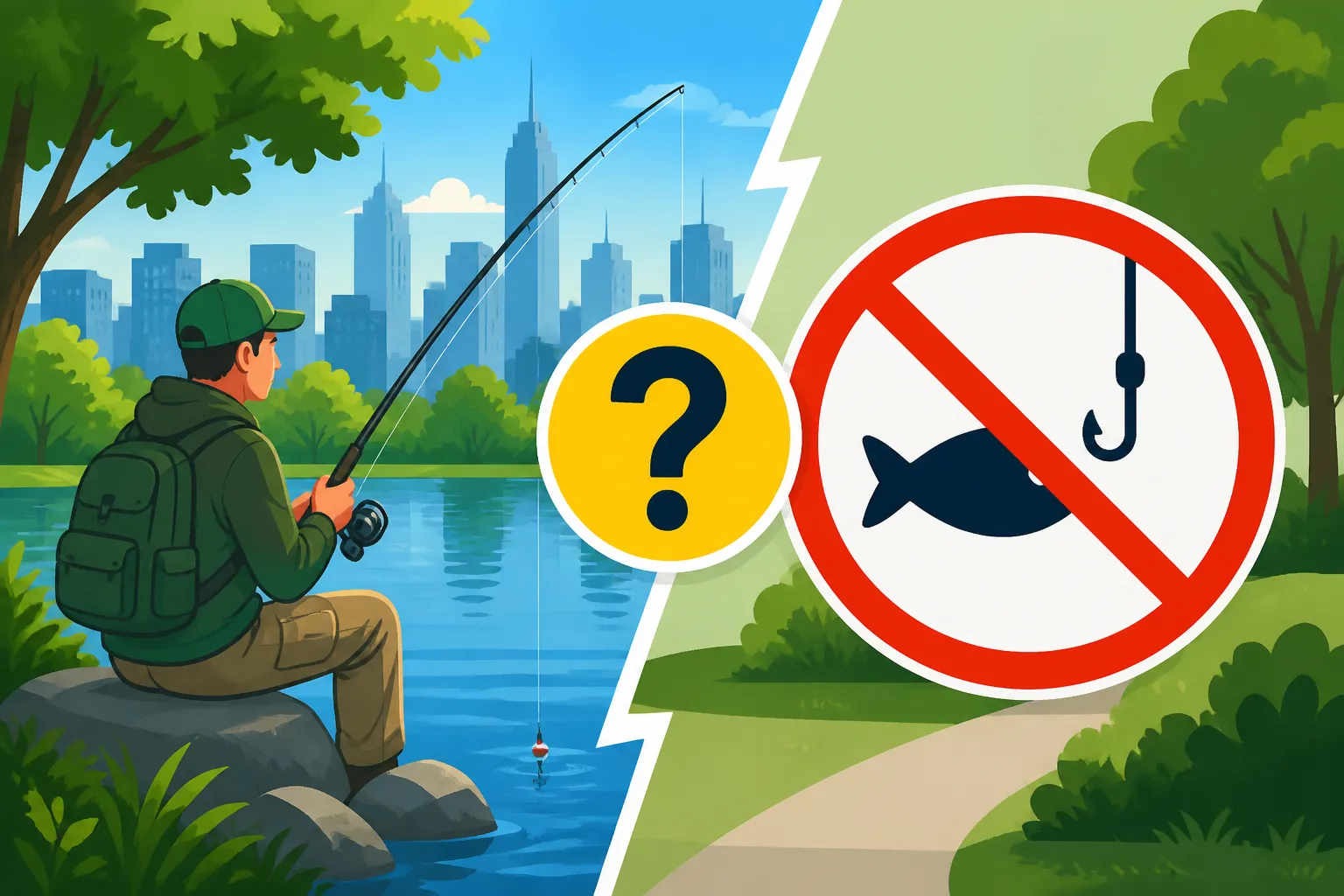
Let's get straight to it: yes, fishing is absolutely allowed in many New York City parks. However, it’s not a free-for-all. The NYC Department of Parks & Recreation has a specific set of rules in place, largely designed to protect both the aquatic ecosystems within the parks and the safety of the millions of people who visit these green spaces every year. Think of it like a carefully managed wilderness within the concrete jungle. You can certainly partake, but you need to know the local etiquette and regulations to ensure a good experience for everyone, including the fish.
General Rules for Freshwater Fishing in NYC Parks
When you’re looking at those beautiful ponds and lakes nestled within Central Park or Prospect Park, you might be dreaming of a fresh dinner. Here’s where the first big caveat comes in: all freshwater fishing in NYC parks is strictly catch-and-release. This isn't just a suggestion; it's a mandatory rule. The primary goal here is conservation, ensuring that the fish populations can thrive and continue to provide recreational opportunities for generations of anglers. It also minimizes any health concerns related to consuming fish from urban waters, which often have consumption advisories due to historical pollution.
Beyond catch-and-release, there are strict rules about what you can use. Live bait, chumming, and using barbed hooks are generally prohibited. You'll typically be limited to artificial lures and flies, and it's always best to use barbless hooks or crimp down the barbs on your hooks to make the release as gentle as possible. The aim is to minimize harm to the fish, making their return to the water as stress-free as possible. It's a fantastic way to practice responsible angling and truly connect with nature without impact. You can learn more about general rules for freshwater fishing in the state by checking out the New York Freshwater Fishing Rules.
General Rules for Saltwater Fishing Along NYC Park Shorelines
While many city parks are known for their freshwater ponds, let's not forget that a huge portion of New York City is coastline! Many parks, particularly in the Bronx, Queens, Brooklyn, and Staten Island, offer direct access to saltwater bodies like Long Island Sound, the Hudson River estuary, and the Atlantic Ocean. Here, the rules shift a bit. While the "leave no trace" and general park conduct rules still apply, the fishing regulations themselves are primarily governed by the New York State Department of Environmental Conservation (DEC) for marine waters.
You might be targeting striped bass, bluefish, fluke, or even porgies from a city pier or shoreline within a park. Unlike freshwater, certain saltwater species can be kept, provided they meet specific size and bag limits set by the DEC. However, there are still often consumption advisories for certain species from specific urban waters, so always check the latest guidance before deciding to keep anything. The biggest difference from freshwater park fishing is that live bait might be allowed in these saltwater contexts, depending on the species and the specific regulation, but you'll need to verify that information for your chosen spot and target species. One crucial requirement for saltwater angling in New York, even from shore, is enrolling in the free New York Recreational Marine Fishing Registry.
Navigating the Specifics: Licenses, Regulations, and What You Can Catch
Just because you're fishing in a city park doesn't mean you're exempt from statewide regulations. Understanding the necessary permits and species-specific rules is key to a legal and enjoyable outing. Don't skip this step – the last thing you want is a visit from a park ranger or conservation officer that ends your fishing trip early with a penalty.
The All-Important Fishing License for New York
For anyone aged 16 and older, a valid New York State fishing license is required for all freshwater fishing activities, whether you're in a pristine Adirondack lake or a bustling Central Park pond. This isn't just a formality; it's how the state funds conservation efforts, stocking programs, and habitat protection that benefit all anglers. The good news is that getting one is straightforward. You can purchase it online through the DEC website, at many sporting goods stores, or at a local town or county clerk's office.
There are various license options available, from annual licenses to shorter-term options like a 7-day or 1-day license, perfect if you're just visiting or want to try it out without a long-term commitment. You can find detailed information on New York Fishing License Costs and Options and how to purchase one by looking up How to Get a Fishing License in New York. Don't forget, for saltwater fishing, while a state fishing license isn't always required (unless you're fishing for certain anadromous species in specific areas), you must register with the New York State Marine Fishing Registry. This free registration helps the state monitor fish populations and manage marine resources effectively. It's a quick online process that takes just a few minutes, but it's legally required. So, do I need a fishing license to fish in New York? Yes, for freshwater, and you need to register for marine.
Species-Specific Rules and Consumption Advisories in NYC Waters
Even with the general catch-and-release rule for freshwater parks, knowing what species you might encounter adds to the fun and helps you target them appropriately. In the freshwater ponds of NYC parks, you're most likely to find:
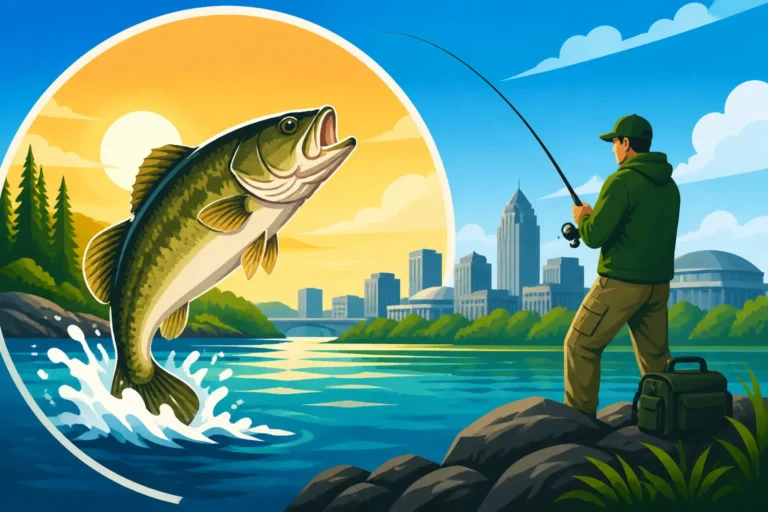
- Largemouth Bass: These feisty fighters are a popular target, often found lurking near submerged structures or lily pads.
- Sunfish (Bluegill, Pumpkinseed): Abundant and eager biters, perfect for beginners or kids.
- Common Carp: Large and powerful, these bottom feeders provide a strong challenge.
- Channel Catfish: Another bottom dweller, known for its whiskers and distinctive fight.
For saltwater park shorelines and piers, the bounty is different. Depending on the season and location, you could hook into:
- Striped Bass: A prized game fish, especially during their spring and fall migrations.
- Bluefish: Known for their aggressive strikes and sharp teeth.
- Fluke (Summer Flounder): A delicious flatfish often caught by drifting bait.
- Porgies (Scup): Smaller, but plentiful and excellent eating.
While the thrill of the catch is paramount in freshwater parks due to C&R, for saltwater species caught from park-adjacent areas, you might be thinking about dinner. However, it's absolutely critical to consult the most current New York Fish Consumption Advisories Explained from the New York State Department of Health (DOH) and the DEC. These advisories provide crucial guidance on which fish species are safe to eat, how much to eat, and for which groups (e.g., women of childbearing age, children). Urban waterways, including parts of the Hudson River estuary, often have advisories due to contaminants like PCBs or mercury. For example, while you can catch plenty of species in the Fish Species Found in the Hudson River, advisories typically recommend limiting or avoiding consumption for many of them. Always err on the side of caution and prioritize health and safety.
| Fishing Location Type | License Requirement | Catch & Release Rule | Bait/Lure Type (General) | Consumption Advisories |
|---|---|---|---|---|
| Freshwater NYC Parks | NY State Freshwater License (16+) | Mandatory | Artificial lures/flies only; Barbless hooks preferred | All fish are C&R; do not consume. |
| Saltwater NYC Park Shorelines/Piers | NYS Marine Fishing Registry (Free, Mandatory 16+) | Species-specific limits apply (check DEC rules) | Live bait often permitted, artificial lures | Varies greatly by species and location; check DOH advisories. |
Top New York City Parks for Anglers (and What to Expect)
Now that we’ve covered the ground rules, let's talk about where you can actually go to enjoy some fantastic urban fishing. NYC is surprisingly rich with accessible fishing spots, from famous green oases to less-known waterfront havens. Remember, no matter where you go, always adhere to catch-and-release in freshwater and check all current DEC regulations for saltwater. If you're looking for an experienced hand to guide you, especially in nearby areas, remember that platforms like FishingBooker can connect you with local captains and guides who know these waters intimately.
Iconic Spots Like Central Park and Prospect Park
These two crown jewels of NYC's park system aren't just for picnics and strolls; they offer legitimate fishing opportunities right in the heart of the city.
Central Park:
The Lake and the Harlem Meer are the primary freshwater fishing destinations in Central Park. The Lake, a sprawling 58-acre water body, is home to a robust population of largemouth bass, pumpkinseed sunfish, common carp, and chain pickerel. The Harlem Meer, located at the northern end of the park near 110th Street, is particularly popular for family fishing, often stocked with carp and panfish, and is the site of regular educational fishing programs hosted by the Dana Discovery Center.
Rules for fishing in Central Park are quite clear: catch-and-release only, artificial lures or flies must be used, and bait (including live bait) is strictly prohibited. This ensures the health of the fish and prevents the introduction of invasive species or diseases. You'll often see anglers using spin casting gear with soft plastics or small crankbaits, or fly fishermen delicately presenting nymphs and streamers. It's a surprisingly peaceful escape from the city noise, a true urban oasis where you can connect with nature.
Prospect Park:
Brooklyn's backyard, Prospect Park, offers similar angling opportunities in its picturesque 60-acre lake. Like Central Park, fishing here is strictly catch-and-release with artificial lures only. The lake holds a healthy population of largemouth bass, carp, sunfish, and yellow perch. The park’s serene landscape, designed by Frederick Law Olmsted and Calvert Vaux (the same minds behind Central Park), provides a beautiful backdrop for a day of fishing. While there might not be a dedicated fishing center like Central Park’s, the lake is easily accessible from various points in the park, offering a convenient escape for local anglers. The tranquility you can find just a short walk from bustling Flatbush Avenue is truly remarkable.
Lesser-Known Gems and Waterfront Access Points
Beyond the famous parks, NYC boasts numerous other locations where you can wet a line. These often provide a different flavor of urban fishing, sometimes offering saltwater action or a more "local" vibe.
Van Cortlandt Park (Bronx):
Home to Van Cortlandt Lake, the Bronx's largest freshwater lake, this park is a fantastic option for anglers. The lake and Tibbetts Brook, which feeds into it, offer diverse fishing for largemouth bass, carp, catfish, and various panfish. The natural setting of Van Cortlandt Park feels less manicured than Central or Prospect, providing a more rugged urban fishing experience. Again, the standard catch-and-release, artificial lures only rules apply to the freshwater areas.
Pelham Bay Park (Bronx):
As NYC's largest park, Pelham Bay offers extensive saltwater frontage on the Long Island Sound and Eastchester Bay. Here, you can target striped bass, bluefish, flounder, and blackfish from various points along the shoreline, including near Orchard Beach. This is where your New York State Marine Fishing Registry comes into play. You'll find anglers using a variety of baits and lures depending on the season and target species, with typical marine regulations on size and bag limits applying. It's a different world from the freshwater ponds, with the tides and saltwater currents dictating the fishing.
Flushing Meadows Corona Park (Queens):
This expansive park, famous for hosting two World's Fairs, contains Meadow Lake and Willow Lake. While Willow Lake is designated as a wildlife sanctuary with no fishing allowed, Meadow Lake permits catch-and-release fishing with artificial lures. It’s a good spot for carp, bass, and panfish. The sheer size of Meadow Lake (the largest freshwater lake in Queens) offers plenty of room to spread out.
NYC's Fishing Piers:
For saltwater enthusiasts, New York City is dotted with fantastic fishing piers that often extend into prime angling territory. These spots are perfect for those without a boat, offering access to deeper waters and strong currents where migratory fish often pass. Some popular options include:
- Brooklyn Bridge Park Pier 5 (Brooklyn): Offers stunning views and access to the East River. You might catch striped bass, bluefish, or even blackfish.
- Gantry Plaza State Park (Queens): Another East River gem, popular for striped bass and bluefish.
- Coney Island Pier (Brooklyn): Extending over 1,000 feet into the Atlantic, this iconic pier is a hotspot for fluke, bluefish, striped bass, and even sharks (though these are usually released).
Many of these piers, like Fishing at Coney Island Pier in New York, are well-maintained and provide a safe platform for fishing. If you're planning a trip to one of these spots, a quick search for "Best Fishing Piers in New York City" will give you a comprehensive list and up-to-date information on specific rules. Remember that while some basic tackle might be available for sale nearby, it's always best to come prepared with your own gear. And if you're ever venturing out to the open ocean from a nearby port, resources like FishingBooker can help you find and book deep-sea fishing charters that depart from locations not far from the city, like Sheepshead Bay or Montauk, offering a completely different kind of adventure. You might even find some excellent Best Shore Fishing Spots on Long Island, New York which are just a short ride from the city's borders.
Responsible Angling: Catch & Release and Environmental Stewardship
Fishing in an urban environment like New York City comes with an even greater responsibility to practice ethical angling and environmental stewardship. With so many people sharing these spaces, and given the unique challenges of urban ecosystems, your actions as an angler have a magnified impact. It's not just about following the rules; it's about being a conscious part of the solution.
Embracing Catch and Release
As we've covered, catch-and-release is the golden rule for freshwater fishing in NYC parks. But simply "releasing" a fish isn't enough; doing it properly is vital for the fish's survival. Here are some best practices to ensure the fish you catch swims away healthy:
- Minimize Handling Time: The less time a fish spends out of water, the better. Have your camera ready if you want a quick photo, but prioritize getting the fish back into its element swiftly.
- Wet Hands: Always wet your hands before touching a fish. Dry hands can remove the fish's protective slime coat, making it vulnerable to disease.
- Support the Fish: If you need to hold the fish, support its full body weight, especially larger fish. Avoid holding fish by the jaw vertically, as this can damage their spine and internal organs.
- Use Barbless Hooks: As mentioned earlier, barbless hooks make removal quick and easy, causing minimal damage. If you have barbed hooks, consider crimping the barb down with pliers.
- De-hooking Tools: Carry needle-nose pliers or a dedicated de-hooking tool to quickly and safely remove hooks, especially if they're deeply set.
- Revive the Fish: If a fish seems sluggish after being caught, gently hold it upright in the water, facing into a mild current, until it regains its strength and can swim away on its own.
By diligently following these practices, you contribute directly to the health of the fish populations in our city parks, ensuring that these vital urban ecosystems remain vibrant. It's an act of respect for the wildlife and the environment. Learning proper Catch-and-Release Handling Rules is a fundamental skill for any responsible angler.
Protecting Our Urban Waterways
Anglers are often some of the strongest advocates for clean water and healthy habitats. In a city like New York, this role is even more critical. Every piece of trash left behind, every instance of improper bait disposal, can have a ripple effect on these delicate urban ecosystems.
- Leave No Trace: This is paramount. Pack out everything you pack in, and if you see litter, consider picking it up. Our parks are shared spaces, and keeping them clean benefits everyone, from wildlife to fellow park-goers.
- Proper Bait Disposal: If you are fishing in saltwater areas where bait is allowed, never dump unused live bait into the water or on shore. This can introduce invasive species or spread diseases. Dispose of it properly in trash receptacles.
- Awareness of Pollution: Be mindful of any signs of pollution and report them to the appropriate authorities (NYC Parks Department or DEC). Anglers are often the first to notice changes in water quality or unusual occurrences.
- Respect Wildlife: Beyond fish, NYC parks are home to a surprising array of wildlife, including turtles, birds, and other animals. Be respectful of their habitats, and never intentionally disturb them. If you get a line tangled, make sure to retrieve every piece of it to prevent harm to birds and other animals.
- Educate Others: Share your knowledge of responsible fishing practices with fellow anglers, especially newcomers or those who might be unaware of the rules. A friendly word of advice can go a long way in fostering a culture of stewardship.
By embracing these principles, you become more than just an angler; you become a steward of New York City's precious natural resources. Fishing in these parks is a privilege, offering a unique blend of urban excitement and natural serenity. Let's make sure these opportunities remain for all to enjoy, well into the future. Remember to always check the New York Fishing Season Dates and Catch Limits for specific species and locations, as regulations can change.
Disclaimer
The information provided in this guide is for general informational purposes only and is subject to change. While we strive to provide accurate and up-to-date information, fishing regulations, park rules, and fish consumption advisories can be updated by the New York State Department of Environmental Conservation (DEC), the New York State Department of Health (DOH), and the NYC Department of Parks & Recreation. It is the responsibility of each angler to confirm the most current rules and regulations before fishing. Always consult the official websites of these agencies for the latest information. Fishing involves inherent risks; please exercise caution and ensure your safety and the safety of others while participating in fishing activities.