Fishing at Coney Island Pier in New York
There's a special kind of magic that draws anglers to the water's edge in New York City, a unique blend of urban bustle and the timeless pursuit of a biting fish. For many, the iconic Coney Island Pier represents that perfect intersection, offering a convenient escape from the concrete jungle but often leaving folks wondering exactly what they need to know, what they can catch, and how to navigate the experience. This comprehensive guide is here to unravel the mysteries of fishing this legendary pier, providing practical advice to help you make the most of your saltwater angling adventure right in the heart of Brooklyn.
Getting Started at Coney Island Pier: What You Need to Know
Fishing from a pier like Coney Island is a fantastic way to experience saltwater angling without needing a boat or specialized equipment for deep-sea excursions. However, it's not simply a matter of showing up with a rod and reel. There are crucial details about its location, accessibility, and the all-important licensing requirements that you'll want to sort out before you even pack your tackle box. Skipping these steps can lead to frustration or, worse, a run-in with the law, so let's get you set up for success.
Location and Accessibility
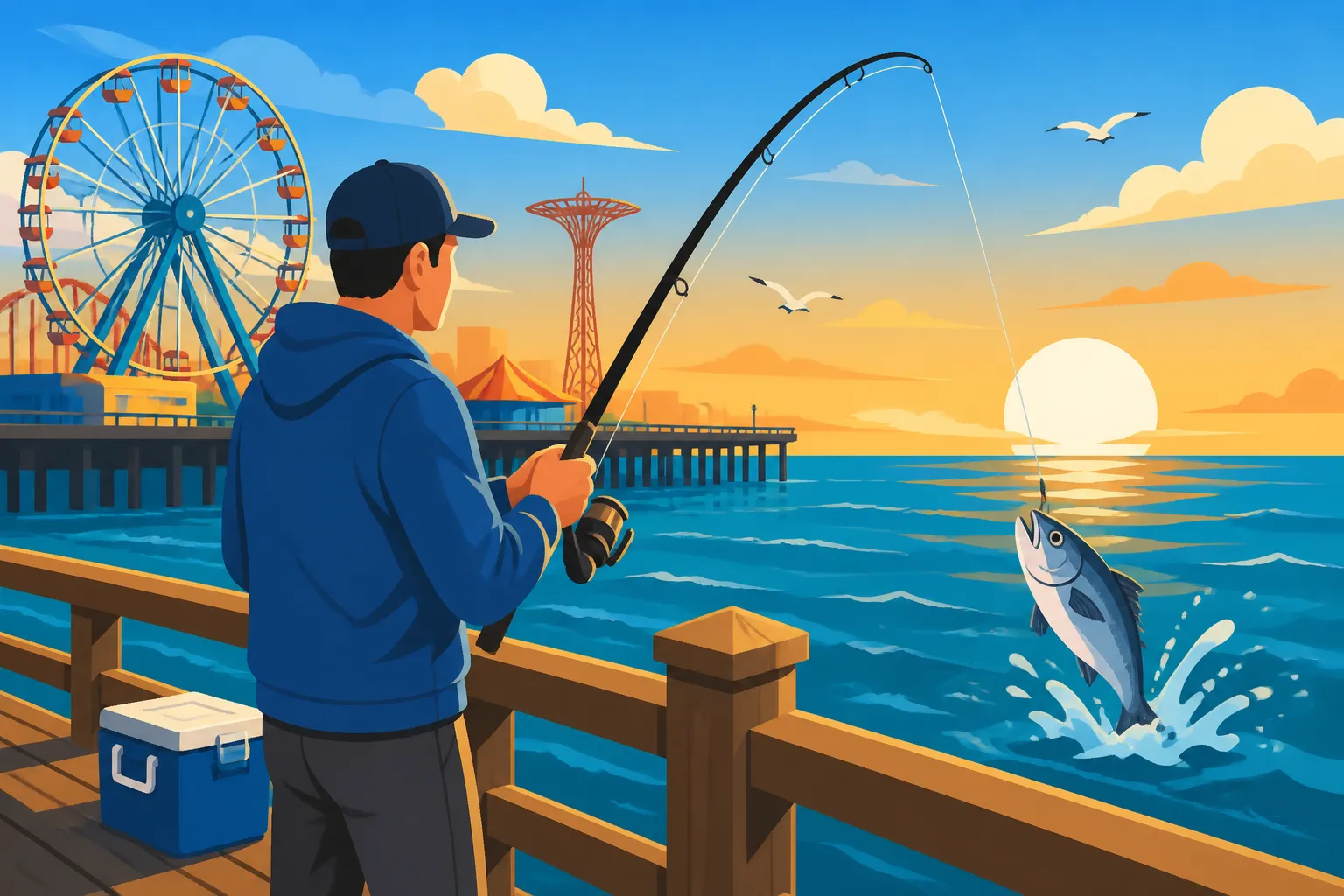
The Coney Island Pier, officially known as the Steeplechase Pier, stretches proudly into the Atlantic Ocean from the famous Coney Island boardwalk in Brooklyn. It’s not just a fishing spot; it’s a piece of New York history, surrounded by the vibrant energy of Luna Park, the Cyclone rollercoaster, and the scent of Nathan's Famous hot dogs. This central location makes it incredibly accessible via public transport, which is a huge perk for city dwellers or visitors without a car.
You can easily reach Coney Island via several subway lines, including the D, F, N, and Q trains, all of which terminate at the Stillwell Avenue station, just a short walk from the boardwalk and pier entrance. There are also numerous bus routes that serve the area. If you're driving, be prepared for a bit of a challenge, especially during peak season. Street parking can be scarce, and paid parking lots, while available, can fill up quickly and be quite expensive. It’s often best to embrace public transit for a stress-free journey to the pier, allowing you to soak in the unique atmosphere from the moment you step off the train.
One of the undeniable frustrations of urban fishing is the sheer volume of people. Coney Island is a tourist magnet, and the pier itself can get incredibly crowded, especially on weekends and during the summer months. While the pier is long, finding a prime fishing spot can be a competitive endeavor. It’s important to manage your expectations regarding personal space and be prepared to share the rail with many other enthusiastic anglers and curious onlookers. This dynamic often means getting there early or choosing off-peak times if you prefer a quieter experience, but it also adds to the lively, communal feel that many enjoy about the spot.
Licensing and Regulations for Pier Fishing
This is where many aspiring anglers get tripped up, assuming that because they're on a public pier, specific licenses aren't required. That's a common misconception in many places, but New York has clear rules. While you don't need a specific saltwater "license" in the traditional sense, you absolutely need to be registered with the New York State Department of Environmental Conservation (DEC) for saltwater fishing. This is a crucial step that is often overlooked.
The good news is that the New York Recreational Marine Fishing Registry is free for all anglers, regardless of whether you’re a resident or not. It’s a straightforward online process that takes just a few minutes, or you can register over the phone. You'll receive a confirmation number, which serves as your proof of registration. It's vital to have this on you while fishing, either digitally on your phone or a printed copy, as DEC officers do patrol the pier and can issue fines for non-compliance. Don't let a simple oversight ruin your day on the water; take the two minutes to get registered before you head out. This guide covers how to get registered in the New York Saltwater Fishing Registration Guide.
Beyond the registry, you’ll also need to be aware of general New York fishing regulations, which apply to all marine waters, including Coney Island Pier. These regulations dictate things like minimum size limits, daily creel limits (how many fish you can keep), and closed seasons for various species. For instance, specific rules apply to popular catches like Striped Bass, Fluke, and Blackfish. The DEC publishes a comprehensive guide that outlines all these rules, and it’s always a good idea to consult the most current version before your trip. For more detailed information on all the necessary permits and associated fees, you can refer to the New York Fishing License Costs and Options guide. Understanding these regulations is not only about avoiding penalties but also about promoting sustainable fishing practices, ensuring healthy fish populations for years to come.
What You Can Expect to Catch (and When!)
One of the most exciting aspects of fishing Coney Island Pier is the diversity of species that migrate through its waters throughout the year. Depending on the season, the tides, and a bit of luck, you could be reeling in anything from a hard-fighting Striped Bass to a delicious Fluke or a feisty Bluefish. Understanding what fish are likely to be around and when they make their appearances can significantly increase your chances of a successful and enjoyable outing.
Common Fish Species
The Atlantic Ocean off Coney Island is a vibrant ecosystem, supporting a variety of sought-after game fish. Here's a look at some of the most common species you can expect to encounter:
- Striped Bass: These are arguably the most popular target for pier anglers. Stripers are powerful, aggressive, and make for excellent table fare. They migrate along the coast, appearing in good numbers in the spring and fall. You'll find them cruising near structure or ambushing baitfish. If you want to know more about this popular fish, read our Striped Bass Fishing on New York's Hudson River guide.
- Bluefish: Known for their voracious appetites and sharp teeth, Bluefish provide an exhilarating fight. They often move in schools, creating a frenzy when they encounter baitfish. Like Stripers, they are abundant in warmer months, especially summer and early fall. Their aggressive nature means they'll hit a variety of lures and baits with gusto. For a more focused read, check out Bluefish Fishing on Long Island Sound, New York.
- Fluke (Summer Flounder): These flatfish are delicious and a favorite target during the summer. They're ambush predators that lie on the bottom, often near sandy patches or structure, waiting for prey to swim by. They require a different technique, often involving a slow drift or jigging motion to entice a bite. Learn more about catching them in our Fluke Fishing on Long Island Sound article.
- Blackfish (Tautog): Found around rocky areas and pier pilings, Tautog are known for their strong pull and delicious white meat. They're a bottom-dwelling species that requires precise bait presentation and quick reflexes to set the hook. They are most active in cooler waters, making them a prime target in late spring and fall.
- Porgy (Scup): These smaller, schooling fish are abundant and a great target for anglers of all skill levels, especially kids. They have a distinctive silver sheen and offer a steady bite, making them a fun catch. Porgies are primarily summer residents and are often found near the bottom.
- Weakfish: Named for their delicate mouths, Weakfish are beautiful, iridescent fish that can offer a spirited fight. They are present during the warmer months and often feed on baitfish and crustaceans. While not as common as Stripers or Blues, catching a Weakfish is always a welcome surprise.
- Smaller Panfish: You might also hook into smaller species like sea robin, bergall, or even a juvenile Black Sea Bass, especially if you're using smaller baits and hooks. These are often great for new anglers and can fill in the gaps between bites from larger game fish.
This diverse fishery means that even if one species isn't biting, there's usually something else to target, keeping your fishing day interesting. The key is to be adaptable and ready to switch up your baits or techniques based on what the fish are telling you.
Best Times to Fish the Pier
Timing is everything when it comes to fishing, and Coney Island Pier is no exception. Knowing the best seasons, tides, and even times of day can significantly impact your success. The migratory patterns of saltwater fish dictate much of the "when" to fish.
Seasonal Variations:
- Spring (April – June): This is prime time for the Striped Bass migration as they move north, often followed by the first push of Bluefish. Fluke season typically opens in May, making it a diverse time to fish. The water is warming, and baitfish are becoming more abundant.
- Summer (July – August): Bluefish are often abundant and aggressive, providing plenty of action. Fluke fishing is at its peak, and you’ll also find plenty of Porgy. Weakfish are typically present. It can be hot and crowded, but the fishing can be consistent.
- Fall (September – November): This is often considered the best season by many local anglers. The "fall run" brings large numbers of Striped Bass and Bluefish migrating south, often feeding heavily before winter. Blackfish also become more active as water temperatures drop. The crowds tend to thin out slightly after Labor Day, offering a more serene experience, though still popular.
- Winter (December – March): Fishing from the pier slows considerably in winter as most migratory species move offshore or south. While you might catch a stray species on a mild day, it's generally not the most productive time for pier fishing in New York.
Tides and Time of Day:
Tides play a crucial role in saltwater fishing. At Coney Island Pier, the incoming and outgoing tides are generally the most productive. Moving water stirs up bait, creates currents that fish use to ambush prey, and positions schools of fish more predictably. The slack tide, when the water is relatively still, is often the slowest period. Many experienced anglers prefer fishing the first few hours of an incoming tide or the last few hours of an outgoing tide.
Beyond tides, dawn and dusk are universally excellent times to fish. Low light conditions give predators like Striped Bass and Bluefish an advantage over baitfish, making them more active feeders. These times also tend to be less crowded, offering a more peaceful angling experience before the boardwalk truly comes alive or after it winds down for the day. While you can certainly catch fish mid-day, those golden hours around sunrise and sunset are often your best bet for consistent action. For more general advice on timing your trips, read our guide on the Best Time of Day to Fish in New York.
Essential Gear and Techniques for Pier Fishing
Heading out to Coney Island Pier requires a bit more thought than just grabbing any old rod. The unique environment of a bustling urban pier, combined with the power of saltwater game fish, necessitates specific gear choices and adaptable techniques. Having the right tools for the job can literally be the difference between landing a trophy fish and watching it swim away.
Rods, Reels, and Line
When you're fishing from a pier that extends into the open ocean, you're going to need gear that can handle the elements and the fish. A flimsy freshwater combo simply won't cut it against a strong Bluefish or a hard-pulling Striper.
- Rods: Look for a medium-heavy to heavy-action spinning rod, typically between 7 and 10 feet in length. The longer rod aids in casting distance, which can be critical for reaching fish that are further out from the pier. It also provides the leverage needed to lift fish up and over the railing or to control them during a fight. Brands like Penn, Shimano, or Ugly Stik offer durable, saltwater-rated rods perfect for this application. A stiffer backbone helps with casting heavier weights and fighting stronger fish, while a sensitive tip is still useful for detecting subtle bites.
- Reels: Pair your robust rod with a strong, corrosion-resistant spinning reel in the 5000 to 8000 size range. Saltwater is incredibly corrosive, so make sure your reel is designed for marine environments. Look for features like sealed drag systems and all-metal construction. A smooth, powerful drag is paramount for fighting larger fish without breaking your line. Good quality reels from brands like Daiwa or Quantum will stand up to the rigors of pier fishing.
- Line: Spool your reel with 20 to 50-pound braided line. Braided line offers superior strength-to-diameter ratio, allowing you to use a thinner line that casts further and has less stretch for better sensitivity. The lack of stretch also means more direct power when setting the hook. At the end of your braid, you'll want to tie a 2-4 foot leader of 30 to 50-pound fluorocarbon or monofilament line. This leader provides abrasion resistance against barnacles on pier pilings and has a lower visibility in the water, which can be critical in clear conditions. You can generally learn more about specific setup in our How to Set Up a Rod for Panfish guide, for other species similar setups will apply with different rod/line weights.
Don't skimp on your terminal tackle either. Use strong, corrosion-resistant swivels, snaps, and hooks. Cheaper components will quickly succumb to saltwater and could cost you a prized catch.
Baits and Lures That Work
The most effective bait or lure will often depend on the target species and the time of year, but there are some reliable choices that consistently produce results at Coney Island Pier. Being prepared with a variety will always serve you well.
- Natural Baits:
- Bunker (Menhaden): Both live and cut bunker are absolute magnets for Striped Bass and Bluefish. Chunks of fresh bunker are an irresistible scent trail for these predators. For targeting larger fish, a whole live bunker can be deadly. Learn more about their preferences in our Best Bait for Striped Bass article.
- Clams: Particularly effective for Tautog and Porgy, clams are a go-to bait for bottom fishing. Fresh, shucked clam bellies are ideal, but frozen can also work.
- Squid: Versatile and durable, squid strips or whole squid are excellent for Fluke, Porgy, and even smaller Stripers or Bluefish. They stay on the hook well and are easily found at most bait shops.
- Sandworms/Bloodworms: These are fantastic for a wide range of smaller bottom feeders like Porgy, Weakfish, and sometimes even smaller Fluke. They're also a good choice if you're targeting fish for sheer numbers rather than size.
- Spearing/Smelt: Small baitfish like spearing are great for jigging for Fluke or for targeting smaller Bluefish and Stripers with bait rigs.
- Artificial Lures:
- Metal Jigs/Spoons: Brands like Kastmaster or Deadly Dick are excellent for casting long distances and imitating fleeing baitfish. These are deadly for Bluefish and Striped Bass, especially when they're actively feeding on schools of bait near the surface.
- Bucktail Jigs: A classic for Fluke, Stripers, and sometimes Bluefish. Tipped with a strip of squid or Gulp! artificial bait, bucktails can be jigged along the bottom for Fluke or retrieved steadily for Stripers and Blues.
- Soft Plastics: Paddle tails, swim shads, or long, slender plastics rigged on a jig head can be very effective for Striped Bass and Fluke. Colors like chartreuse, white, or pearl are often productive. The key is to mimic the local baitfish.
- Poppers/Topwater Plugs: For exhilarating surface strikes from Striped Bass and Bluefish, especially during low light conditions or when bait is on the surface. Nothing beats seeing a fish explode on a topwater lure.
Experimentation is key! Fish can be picky, so having a selection of both natural baits and artificial lures, and being willing to switch, will often pay dividends.
Pier-Specific Tools and Safety
Fishing from a pier presents some unique logistical challenges, mainly getting a caught fish from the water up to the pier deck, which can be many feet above the surface. This is where specialized tools come into play, along with a strong emphasis on safety and courtesy.
- Landing Nets or Gaffs: A long-handled pier net is an indispensable tool. These nets typically have a heavy-duty ring and mesh, and a rope attached to lower them down to the water. Once you've brought the fish alongside the pier, you can scoop it up. For larger fish like big Striped Bass or Bluefish, a flying gaff can also be used, but this requires skill and should only be employed if you intend to keep the fish, as gaffing is almost always lethal. Never try to handline a heavy fish up from the pier; you risk losing the fish, breaking your line, or injuring yourself.
- Fishing Cart/Wagon: Since you might be walking a good distance from public transport or parking, a sturdy fishing cart or wagon can be a lifesaver for transporting your rods, tackle box, cooler, and other gear. This also helps keep your spot organized on the pier, which is a major plus in crowded conditions.
- Buckets and Coolers: A 5-gallon bucket is versatile: it can hold your bait, serve as a seat, and, if lined, be used to hold your catch. A cooler with ice is essential if you plan to keep your fish, ensuring it stays fresh.
- Pliers and Line Cutters: Always carry a good pair of long-nosed pliers (preferably de-hooking pliers) and sharp line cutters. Pliers are crucial for safely removing hooks from fish, especially those with sharp teeth like Bluefish, and for cutting wire leaders.
- Safety First: Pier fishing, especially with crowds, demands a high degree of situational awareness. Always be mindful of your casting arc to avoid hitting fellow anglers or pedestrians. Give others ample space, and if someone hooks into a large fish, be courteous and reel in your lines to avoid tangles. Keep the pier clean – pack out everything you pack in, including discarded line and bait wrappers. The pier is a shared public space, and respecting it ensures everyone can enjoy it safely.
Navigating the bustling environment of Coney Island Pier while landing a fish can be a bit of an art, but with the right gear and a mindful approach, it’s an incredibly rewarding experience. If you ever feel like tackling different waters or want a guided experience, services like FishingBooker can connect you with local charter captains or guides in nearby areas who can provide more personalized instruction and access to different fishing grounds beyond the pier itself.
Overcoming the Challenges of Urban Pier Fishing
Fishing a popular urban pier like Coney Island isn't always smooth sailing. You're not just contending with the fish; you're also navigating crowds, potential snags, and the unique etiquette of a shared public space. Recognizing and preparing for these challenges can save you a lot of frustration and help ensure your fishing trip is enjoyable, even on a busy day.
Crowds, Snags, and Etiquette
The energy of Coney Island is part of its charm, but for an angler, it also means dealing with a lot of people. The pier can be packed with tourists, curious onlookers, and fellow fishermen, all vying for space.
- Managing Crowds: On a crowded day, personal space is a luxury. Be prepared to fish elbow-to-elbow. When casting, always look behind you to ensure no one is in your backcast zone. A simple "Heads up!" or "Casting!" can go a long way in preventing accidents. Try to maintain a consistent casting rhythm with nearby anglers to minimize tangles. If you prefer more solitude, aim for early mornings, late evenings, or weekdays outside of peak tourist season. Patience is your best friend when the pier is bustling.
- Dealing with Snags: Pier pilings, discarded debris, and rocky bottoms are common sources of snags. Losing tackle is almost inevitable when pier fishing. To minimize losses, try to cast away from obvious structure if you're bottom fishing, or use a float if targeting species near the surface. If you do get snagged, don't just pull as hard as you can; sometimes, giving the line some slack or changing the angle of your pull can free the rig. Always carry extra hooks, weights, and leaders. It’s a common frustration, but it's part of the game.
- Pier Etiquette: Good manners go a long way. Respect other anglers' space, and avoid casting over their lines. If someone is fighting a fish, offer to clear your lines if it's safe to do so. Don't leave trash, bait, or fish guts on the pier. Use designated trash receptacles or pack out everything you brought in. Be mindful of noise, especially if fishing early or late. A friendly demeanor and a willingness to share tips (and even a spot, if appropriate) can make the communal experience much more pleasant for everyone. Remember, this is a public space, and everyone deserves to enjoy it without undue interference.
Cleaning Your Catch and Local Resources
After a successful day of fishing, you might be wondering about processing your catch. While some anglers clean their fish right on the pier, it's generally frowned upon and often prohibited. Fish cleaning stations are rare on urban piers, and leaving behind scales, guts, and blood can attract pests and create an unpleasant environment for others.
- Cleaning Your Catch Responsibly: It’s best practice to bring your catch home or to a designated cleaning station away from the pier. If you plan to keep fish, make sure they go immediately into a cooler with ice to preserve their freshness. When you get home, clean your fish in a way that allows for proper disposal of offal, preventing odors and attracting unwanted critters. Many local towns and counties have regulations regarding the disposal of fish waste, so be sure to check those. Eating fresh fish from New York waters is generally safe, but always check the current New York Fish Consumption Advisories Explained for any specific recommendations or warnings, particularly for larger, older fish that may accumulate contaminants.
- Local Resources: Coney Island itself has many vendors and shops for food and entertainment, but for specific fishing needs, you might need to venture a bit further. Local bait and tackle shops in Brooklyn or nearby areas can be invaluable resources. They often stock fresh local baits, have the right terminal tackle for local conditions, and, crucially, their staff can offer up-to-the-minute reports on what's biting and where. Shops like Capitol Fishing Tackle in Manhattan or smaller, independent shops in Brooklyn are excellent places to get tailored advice and gear. These are the places where you can hear about the latest fishing trends or even find out about New York Special Regulations Waters List that might impact your future trips. If pier fishing isn't cutting it, or you're looking for more advanced techniques or want to target specific species with a guide, using a service like FishingBooker can help you find reputable local guides who run trips from nearby ports, expanding your fishing horizons beyond the pier. They can often provide all the necessary gear and take you to the hottest spots for species like Striped Bass or Bluefish in the surrounding waters.
| Species | Best Season | Preferred Bait | Recommended Lure | Average Size (pier) | NY DEC Limit Notes (Check Current Regs!) |
|---|---|---|---|---|---|
| Striped Bass | Spring, Fall | Live/Cut Bunker, Clams, Sandworms | Metal Jigs, Plugs, Soft Plastics, Bucktails | 18-35 inches | Slot limits (e.g., 28-31 inches) |
| Bluefish | Summer, Fall | Live/Cut Bunker, Spearing | Metal Jigs, Poppers, Spoons | 15-30 inches | Daily bag limit (e.g., 3 fish) |
| Fluke (Summer Flounder) | Summer | Live Minnows, Squid Strips, Gulp! Artificials | Bucktail Jigs, Fluke Rigs | 14-20 inches | Minimum size, daily bag limit |
| Blackfish (Tautog) | Late Spring, Fall | Crabs (Green, Asian), Clams | Jig Heads with Bait, Hi-Lo Rigs | 12-20 inches | Minimum size, daily bag limit |
| Porgy (Scup) | Summer | Clams, Sandworms, Squid Strips | Small Hooks with Bait, High-Low Rigs | 8-14 inches | Minimum size, daily bag limit |
| Weakfish | Summer | Live Minnows, Sandworms, Shrimp | Small Jigs, Soft Plastics, Bucktails | 15-25 inches | Minimum size, daily bag limit |
Note: Fishing regulations, including size and bag limits, can change frequently. Always consult the official New York State Department of Environmental Conservation (DEC) website or their current fishing guide before heading out.
Fishing at Coney Island Pier is more than just catching fish; it's an immersive New York experience. While it comes with its own set of challenges, from navigating crowds to understanding the nuances of saltwater regulations, the thrill of hooking into a powerful fish with the iconic backdrop of the Cyclone is truly unforgettable. With the right preparation, gear, and a healthy dose of patience, you're well on your way to enjoying the unique angling opportunities this historic pier has to offer.
Disclaimer
Please be aware that fishing regulations, including licensing requirements, seasons, and catch limits, are subject to change by the New York State Department of Environmental Conservation (DEC). Always consult the most current official DEC regulations before you go fishing. This guide is for informational purposes only and does not supersede state or local laws.